
Find Senior Citizen Services in the Chicago Area
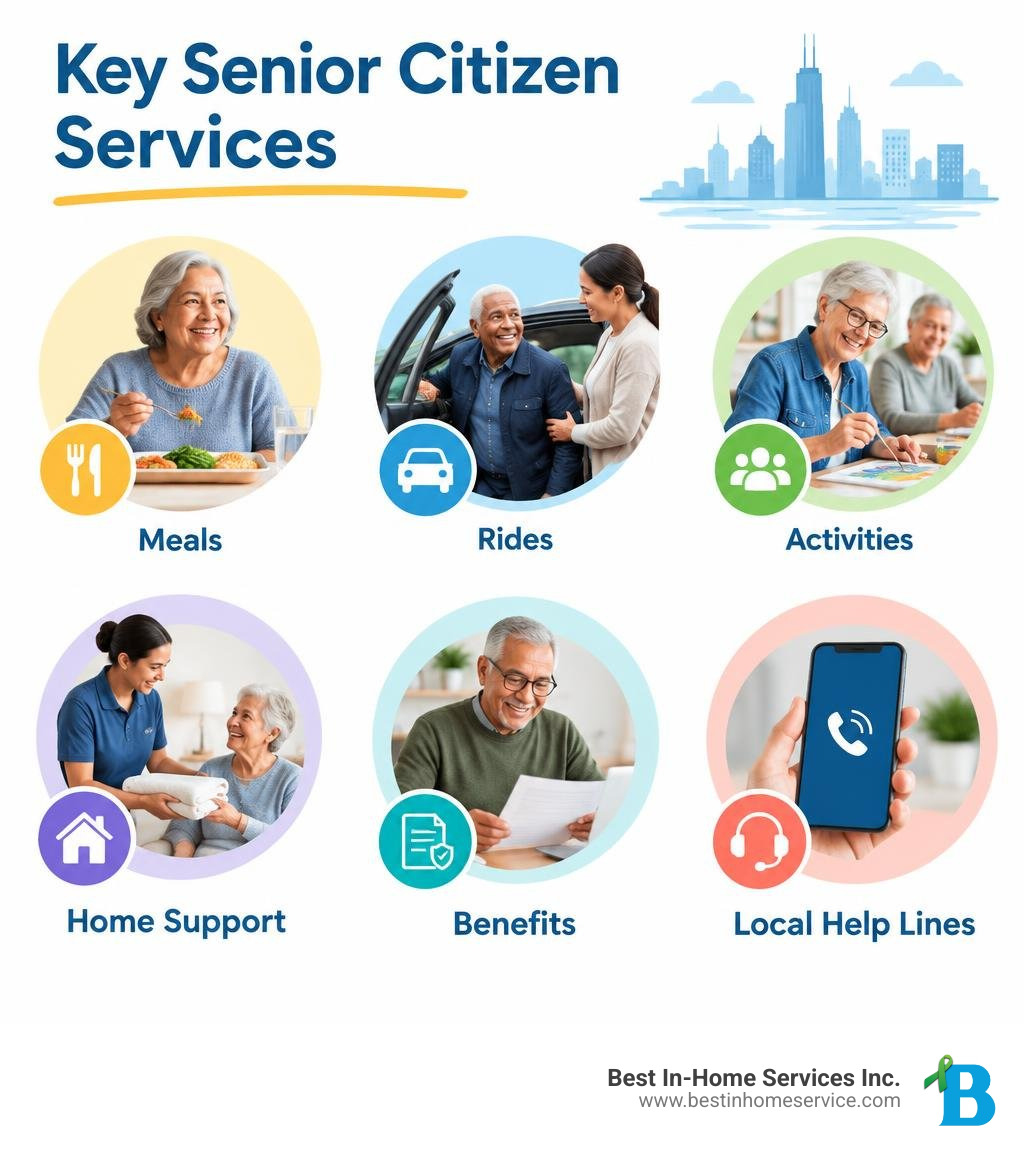
Start with one local contact. In Chicago, the City of Chicago Senior Services can help you find nearby programs. You can also call the Illinois Department on Aging Senior HelpLine at 1-800-252-8966 for information and referrals. Ask about meals, rides, senior centers, help at home, benefits, and caregiver support. Availability and eligibility vary by program.
If staying at home is the goal, consider which daily tasks are getting harder, then ask about support for those needs. Costs may depend on the service, care schedule, and available public benefits.
Lily Harrison is General Manager at Best In-Home Services Inc., a Northbrook-based provider of non-medical home care. This guide shows where to look for senior citizen services that can work alongside support at home.
More about senior citizen services:
Core Types of Senior Citizen Services for Aging in Place
Aging in place allows older adults to remain in their familiar homes and neighborhoods while staying connected to family and friends. To make this possible, communities offer a wide network of programs designed to promote wellness, social engagement, and practical assistance. By coordinating these local resources, families can create a reliable support system that adapts as needs change over time.
Community-Based Senior Citizen Services and Activity Centers
Senior centers serve as vital community hubs that counter social isolation and keep older adults physically and mentally active. These centers offer structured recreation, fitness classes, arts and crafts, day trips, and lifelong learning opportunities.
Many municipal facilities also provide digital literacy classes to help seniors navigate modern technology, connect with distant family members, and manage online portals. For example, regional facilities operated through Chicago’s network of Senior Centers offer daily social activities, educational workshops, and community events.
Suburban communities provide similar opportunities. Residents can explore structured community gatherings, health screenings, and recreational classes through local Senior Citizen Programs in Schaumburg, IL or tap into local resources provided by the Downers Grove Township Senior Services. Participating in these shared activities fosters lasting friendships and strengthens community ties.
Nutrition and Meal Delivery Programs
Proper nutrition is essential for maintaining health and energy, yet cooking balanced meals every day can become difficult due to mobility limitations or fatigue. Community nutrition programs offer practical solutions:
- Congregate Dining Sites: Hosted at local senior centers, community hubs, and faith-based locations, these sites offer hot, nutritious lunches alongside valuable social interaction.
- Home-Delivered Meals: Often coordinated through programs like Meals on Wheels, volunteers deliver balanced meals directly to the residences of homebound seniors.
- Senior Farmers’ Market Nutrition Program: Provides vouchers to eligible older adults to purchase fresh fruits, vegetables, and herbs at local farmers’ markets.
- Nutrition Counseling: Registered dietitians offer dietary education to help manage chronic conditions like hypertension and diabetes.
Accessible Transportation and Mobility Assistance
Giving up driving or limiting nighttime travel should not mean giving up independence. Reliable transit services ensure seniors can attend routine medical appointments, run essential errands, and visit community centers.
Municipalities and counties provide diverse mobility options:
- Subsidized Paratransit: Point-to-point accessible van services for individuals who cannot use traditional fixed-route transit.
- Volunteer Driver Initiatives: Coordinated local programs, such as those highlighted under Senior Services and Resources from the City of Naperville, pair seniors with vetted volunteer drivers for non-emergency medical visits and grocery runs.
- Transit Discounts: State initiatives, including the Illinois Benefit Access Program, provide reduced-fare or free rides on fixed-route public buses and trains for qualifying older adults.
In-Home Support and Healthcare Navigation
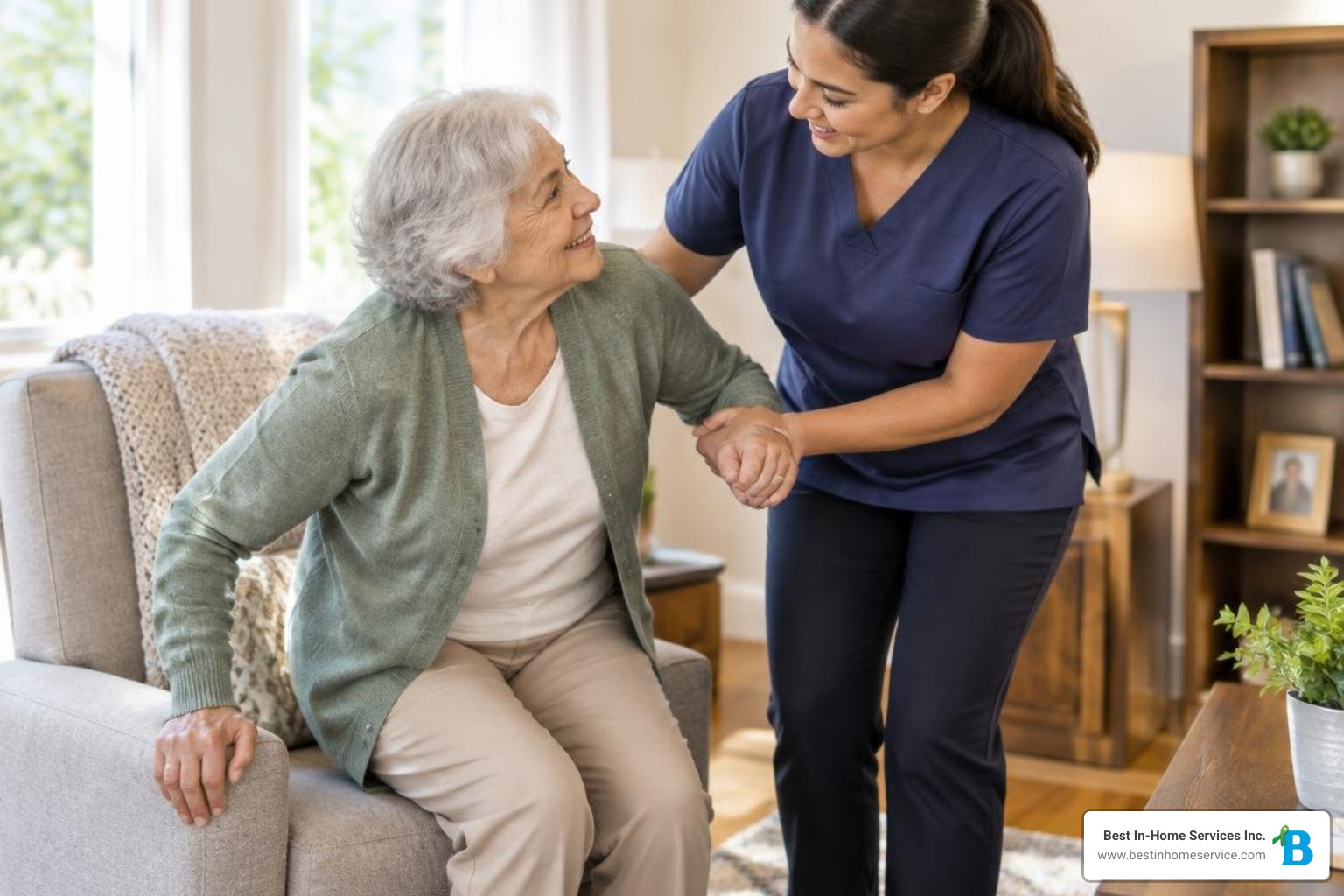
When day-to-day household chores or personal care routines become challenging, combining community programs with dedicated in-home support helps maintain safe independence. Exploring diverse care options for seniors in the Chicago area allows families to select the exact level of help required.
In-Home Senior Citizen Services and Daily Living Support
Non-medical in-home care assists older adults with activities of daily living (ADLs) and instrumental activities of daily living (IADLs). Rather than moving into an unfamiliar facility, receiving support in familiar surroundings often provides comfort and stability.
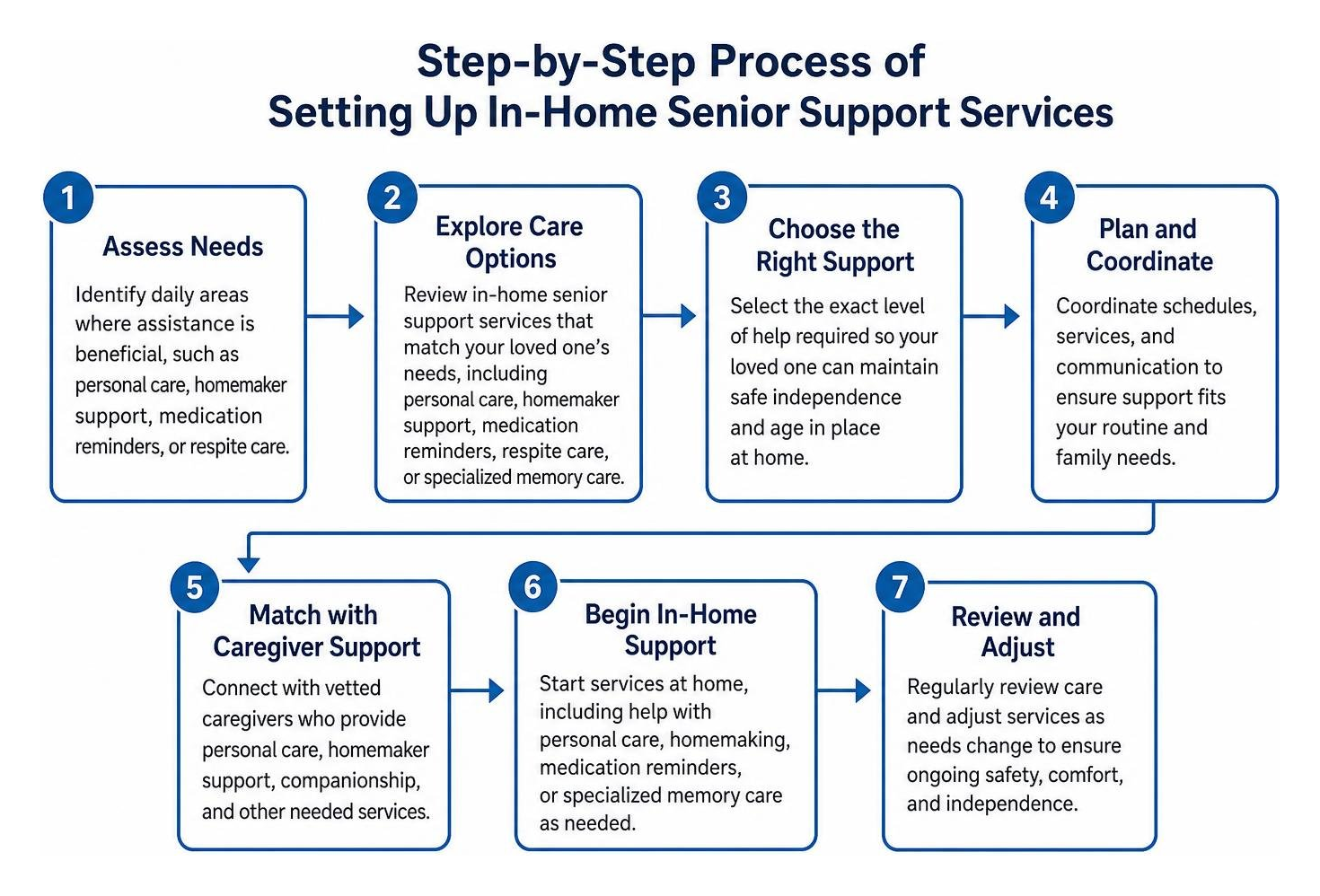
Understanding why senior care at home is the best choice for aging in place helps families identify specific daily areas where assistance is beneficial:
- Personal Care Assistance: Hands-on help with bathing, dressing, grooming, and mobility.
- Homemaker and Companion Support: Light housekeeping, laundry, grocery shopping, meal preparation, and friendly companionship.
- Medication Reminders: Helpful prompts to ensure prescriptions are taken on schedule.
- Respite Care: Temporary relief for family caregivers to prevent burnout and rest.
- Specialized Memory Care: Supportive routines and gentle supervision for individuals living with Alzheimer’s disease or other forms of dementia.
Utilizing dedicated in-home senior support helps loved ones age gracefully while allowing family members to focus on quality time together.
Healthcare Resources and Chronic Disease Prevention
Staying proactive about health management helps older adults prevent avoidable health declines. Public health departments and regional agencies offer evidence-based programs designed for wellness:
- Fall Prevention Workshops: Evidence-based classes, such as A Matter of Balance and Tai Chi for Arthritis, help build strength, coordination, and confidence.
- State Health Insurance Assistance Program (SHIP): Free, unbiased counseling to help beneficiaries navigate Medicare Part A, B, C, and D choices.
- Chronic Disease Self-Management: Structured workshops that equip older adults with practical strategies to manage arthritis, diabetes, and heart health.
For comprehensive insight into health and aging considerations, review our comprehensive guide to reliable elder care.
Financial Assistance, Housing, and Legal Protections
Navigating living costs and legal rights is an essential part of long-term planning. Various public programs provide financial relief and legal safeguards for aging individuals.
| Service Category | Primary Focus | Common Examples / Programs |
|---|---|---|
| Housing Support | Safe, accessible living arrangements | HUD Section 202, local supportive housing, accessibility grants |
| Financial Relief | Offsetting essential living expenses | LIHEAP utility aid, SNAP food assistance, Senior Homestead exemptions |
| Legal Protections | Safeguarding rights and assets | Adult Protective Services, Ombudsman programs, legal aid clinics |
Subsidized Housing and Living Options
When maintaining a large single-family home becomes impractical, subsidized and supportive housing options provide accessible alternatives. Programs such as HUD Section 202 provide affordable apartment living designed for seniors with limited incomes.
Additionally, county community grants can sometimes fund basic home modifications – such as grab bars, entryway ramps, and improved lighting – to make current residences safer. Evaluating these choices alongside various elder care options and planning ensures housing remains aligned with physical and financial needs.
Financial Relief, Utility Assistance, and Food Benefits
Fixed incomes can make seasonal heating bills and groceries stressful to manage. Several public safety-net programs can help offset monthly expenses:
- Low-Income Home Energy Assistance Program (LIHEAP): Helps eligible households manage the costs of home energy bills and weatherization.
- Supplemental Nutrition Assistance Program (SNAP): Monthly benefits delivered via an electronic card to assist with purchasing groceries.
- Property Tax Relief: Many county assessors offer Senior Citizen Exemptions or assessment freezes to reduce property tax burdens on primary residences.
- Medicare Savings Programs: State-administered assistance that helps pay Medicare premiums, deductibles, and copayments for qualifying individuals.
Families can learn more about managing household budgets alongside in-home support by reviewing strategies for affordable home care for seniors in Chicago.
Legal Aid, Ombudsman Support, and Elder Abuse Prevention
Protecting older adults from financial exploitation, scams, neglect, and physical harm is a collective community responsibility.
- Adult Protective Services (APS): Dedicated state and regional teams investigate reports of abuse, neglect, or financial exploitation involving older adults. In Illinois, reports can be made 24/7 to the Adult Protective Services hotline at 1-866-800-1409.
- Long-Term Care Ombudsman: Independent advocates who protect the rights, health, and safety of residents in licensed long-term care settings.
- Legal Aid Services: Free or low-cost legal clinics assist with advance directives, powers of attorney for healthcare and property, and basic estate planning.
How to Connect with Local Senior Citizen Support Networks

Connecting with the right programs begins by tapping into established governmental and regional aging networks. Knowing where to start simplifies finding local services and ensures comprehensive care coordination. Families can learn structured approaches through our guide on how to find the best senior citizen support services.
Navigating Area Agencies on Aging and Helplines
The federal Older Americans Act established Area Agencies on Aging (AAAs) across the country to serve as central hubs for senior resources. In Illinois, these agencies partner with the Illinois Department on Aging to coordinate community-based care.
Families can also explore local township programs or tap into broader county initiatives through Community Services Programs in DuPage County, IL and specialized regional programs across Lake and Cook counties. Trained specialists at these agencies provide intake assessments, explain program eligibility, and connect families directly to nearby providers.
Senior Employment and Volunteer Opportunities
Many older adults wish to remain engaged in the workforce or give back through community service. Programs tailored for older adults include:
- Senior Community Service Employment Program (SCSEP): A federally funded training program that helps low-income, unemployed adults aged 55 and older build job skills through paid community service assignments.
- AmeriCorps Seniors: Connects individuals aged 55 and older with volunteer opportunities, including the Foster Grandparent program, Senior Companions, and the Retired and Senior Volunteer Program (RSVP).
Frequently Asked Questions About Senior Citizen Services
What is the fastest way to find local senior citizen services?
The quickest way to locate nearby support is by contacting your local Area Agency on Aging or calling the Eldercare Locator at 1-800-677-1116. In Illinois, calling the state Senior HelpLine at 1-800-252-8966 immediately connects you with resource specialists who can direct you to local meal sites, transit programs, and community care coordinators.
How do low-income seniors qualify for free or low-cost home care?
Low-income older adults may qualify for state-administered programs, such as the Illinois Department on Aging Community Care Program (CCP) or Medicaid waiver programs. Eligibility is determined through a formal assessment of daily living needs alongside specific monthly income and non-exempt asset limits.
What does non-medical home care include?
Non-medical home care includes practical assistance with daily routines such as bathing, dressing, grooming, light housekeeping, laundry, meal preparation, medication reminders, companionship, and escorting clients to appointments. It focuses on functional daily living support rather than medical treatment or clinical therapy.
What factors affect the cost of in-home care in the Chicago area?
The cost of non-medical in-home care varies based on the level of hands-on assistance required, the total hours scheduled, the frequency of visits, and whether specialized memory care, overnight supervision, or 24-hour support is needed. Standard visits typically carry a 3-hour minimum, and mileage is billed separately when a caregiver drives their personal vehicle for errands or appointments.
Conclusion
Developing a comprehensive aging-in-place strategy involves combining community programs, public benefits, and personalized in-home support. By utilizing local senior centers, accessible transportation, meal programs, and financial relief initiatives, older adults can maintain their independence safely and comfortably.
When day-to-day household tasks or personal care routines require hands-on help, Best In-Home Service Inc. is here to support your family. As an Illinois-licensed home care agency (License #3000758) based in Northbrook, IL, we provide tailored, non-medical in-home care services – including companion care, personal assistance, and specialized dementia care – across Cook, Lake, and DuPage counties.
We are licensed by the Illinois Department of Public Health, approved by the Illinois Department on Aging under the Community Care Program, and recognized by the Illinois Department of Human Services / Rehabilitation Services for the Home Service Program. Whether your loved one resides in Chicago, Evanston, Skokie, Wilmette, Winnetka, Glenview, Highland Park, Schaumburg, Naperville, Downers Grove, or surrounding communities, we can help coordinate the right care schedule.
To discuss your family’s needs or schedule a free in-home consultation, explore our dedicated in-home care services or contact us directly at 224-636-5200. Our team is ready to help your loved one age safely and comfortably in the home they cherish.






 1-224-636-5200

 1-224-636-5210
 425 Huehl Rd 13B Northbrook IL 60062