
Why Understanding Care Options for Seniors Matters Before a Crisis Hits
Understanding the full range of care options for seniors is one of the most important steps a family can take — and doing it before an emergency makes all the difference.
Here is a quick overview of the main senior care options available today:
| Care Option | Best For | Level of Care |
|---|---|---|
| In-Home Care | Seniors who want to stay at home | Low to moderate |
| Adult Day Care | Daytime supervision with social activities | Low to moderate |
| Assisted Living | Help with daily tasks in a residential setting | Moderate |
| Memory Care | Seniors with dementia or Alzheimer’s | Moderate to high |
| Nursing Home | Complex medical needs requiring 24/7 supervision | High |
| Continuing Care Retirement Community (CCRC) | Seniors wanting one location for all future care needs | All levels |
The reality is striking: a person turning 65 in the United States has a 70% chance of needing some form of long-term care during their lifetime. Yet most families only start comparing options after a fall, a diagnosis, or a crisis — when stress makes clear thinking harder.
Whether your loved one needs a little help at home or around-the-clock support, knowing what each option offers — and what it costs — helps you make a confident, informed decision.
I’m Lily Harrison, General Manager at Best In-Home Services Inc., where I’ve spent years helping Chicago-area families navigate care options for seniors ranging from in-home dementia support to 24/7 personalized elder care. I’ll walk you through everything you need to know to find the right fit for your loved one.
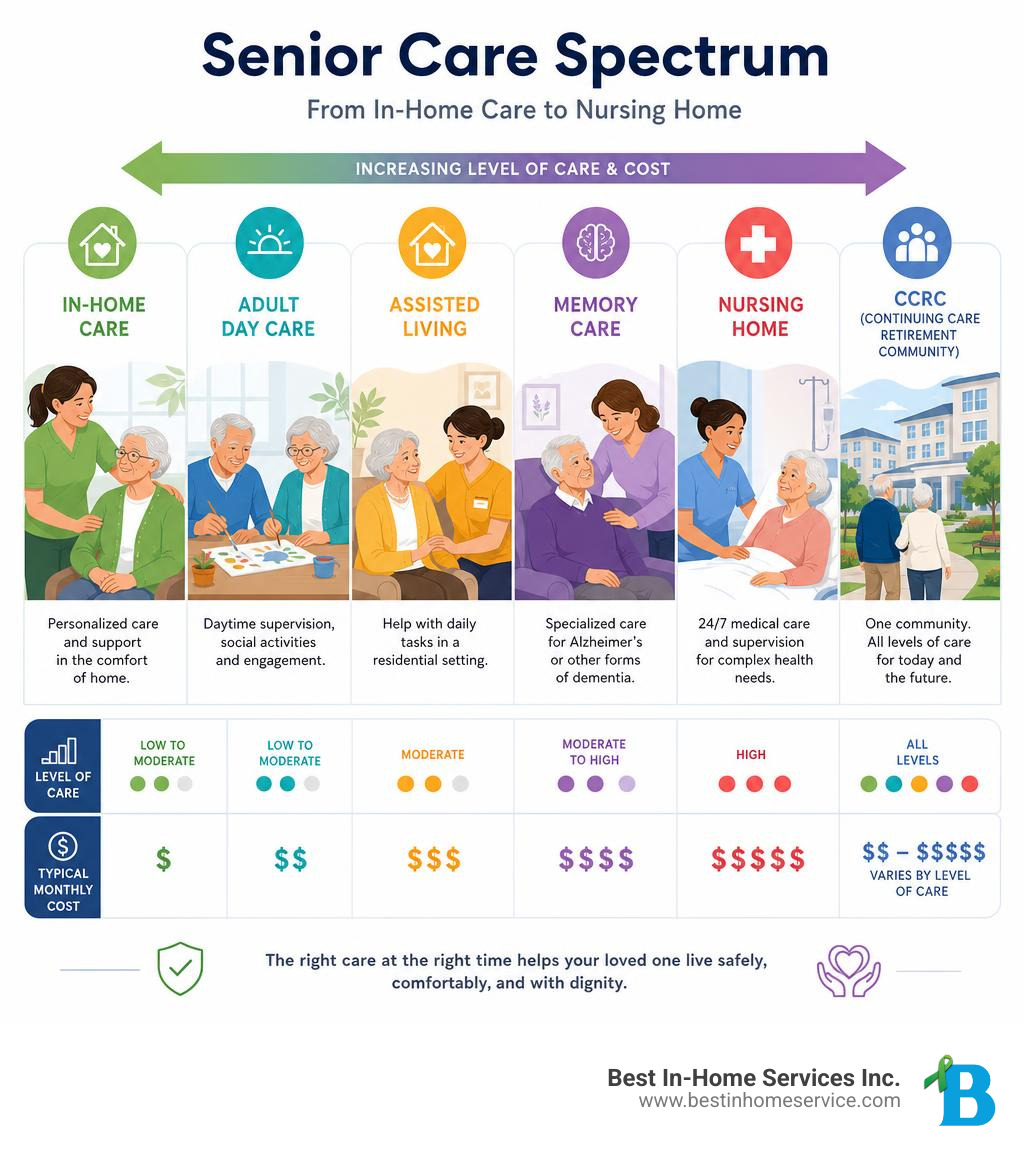
Comparing the Primary Care Options for Seniors
When we begin looking at the landscape of senior care in 2026, it is easy to get overwhelmed by the terminology. From “aging in place” to “skilled nursing,” the choices can feel like a maze. However, finding the right fit comes down to assessing your loved one’s unique needs, especially regarding activities of daily living (ADLs) such as bathing, dressing, eating, and mobility.
Seniors who use long-term care services require assistance for an average of four years, with only about 20% needing support for longer than five years. Because needs naturally change over time, the goal is to match your loved one’s current abilities to the correct level of care while planning for future transitions. To help you evaluate what is available, let’s explore how the primary models differ, using resources like the comprehensive guide on How to Navigate Home Care Help for Your Aging Parents.
In-Home Care: Aging in Place Safely
For the vast majority of older adults, staying in the comfort of their own home is the ultimate goal. In-home care makes this possible by bringing personalized support directly to the doorstep. This model of care is highly customizable, ranging from a few hours of companionship a week to around-the-clock, 24/7 supervision.
In-home care generally falls into three main categories:
- Companion Care: This focuses on social interaction and light household help. It includes activities like meal preparation, light housekeeping, running errands, and providing a friendly face to play cards or chat with.
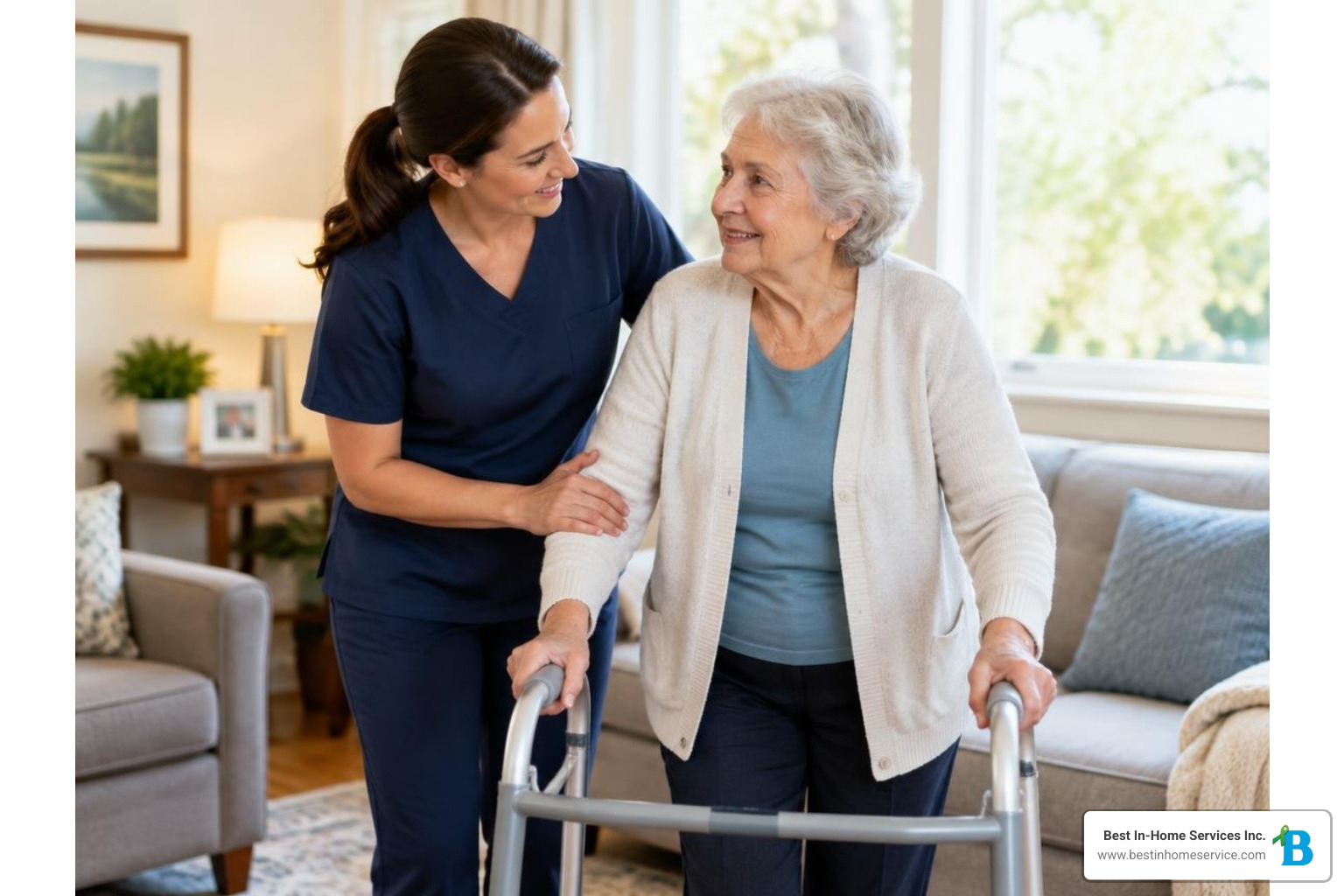
- Personal Care: This involves hands-on assistance with ADLs. Trained caregivers help with bathing, grooming, dressing, toileting, and mobility assistance to prevent falls.
- Home Health Aides: These professionals provide a blend of personal care and basic health monitoring.
Choosing in-home care allows seniors to maintain their daily routines, keep their beloved pets, and remain in a familiar environment. It also offers families peace of mind, knowing their relative has dedicated, one-on-one attention. To understand why so many families prefer this model, read our deep dive on Why Senior Care at Home is the Best Choice for Aging in Place. For a broader look at governmental and community support services for those remaining at home, you can also consult the National Institute on Aging’s guide on Services for Older Adults Living at Home | National Institute on Aging .
Community-Based Care Options for Seniors
For families who want to keep their loved ones at home but need support during work hours or to prevent caregiver burnout, community-based care is an excellent middle ground. These services provide structured, supervised environments during the day, giving primary caregivers a much-needed break.
- Adult Day Care: These centers offer a safe, social environment for seniors during daytime hours. They provide nutritious meals, therapeutic activities, exercise programs, and social outings. It is often the most affordable supervised care option, typically costing between $75 and $110 per day.
- Respite Care: Respite care is temporary relief designed specifically for family caregivers. Whether you need a few hours off to attend your own medical appointments or a week to take a vacation, respite services can be delivered at home or through short-term stays in a residential facility.
- Transportation Services: Many local communities offer specialized senior transit options, volunteer drivers, or discounted transit passes to help seniors attend medical appointments and social events without relying on driving.
Utilizing community programs and professional Personal Care services allows families to share the caregiving load, reducing stress and helping seniors stay active and engaged within their local neighborhoods.
Residential Care Options for Seniors
When living at home is no longer safe or practical, residential senior communities offer structured environments with built-in support. Depending on the level of daily care required, families can choose from several distinct models:
- Independent Living: Designed for active seniors who want to downsize and eliminate the hassles of home maintenance. These communities offer private apartments, shared dining rooms, organized social activities, and amenities like fitness centers, but they do not provide personal care or medical services.
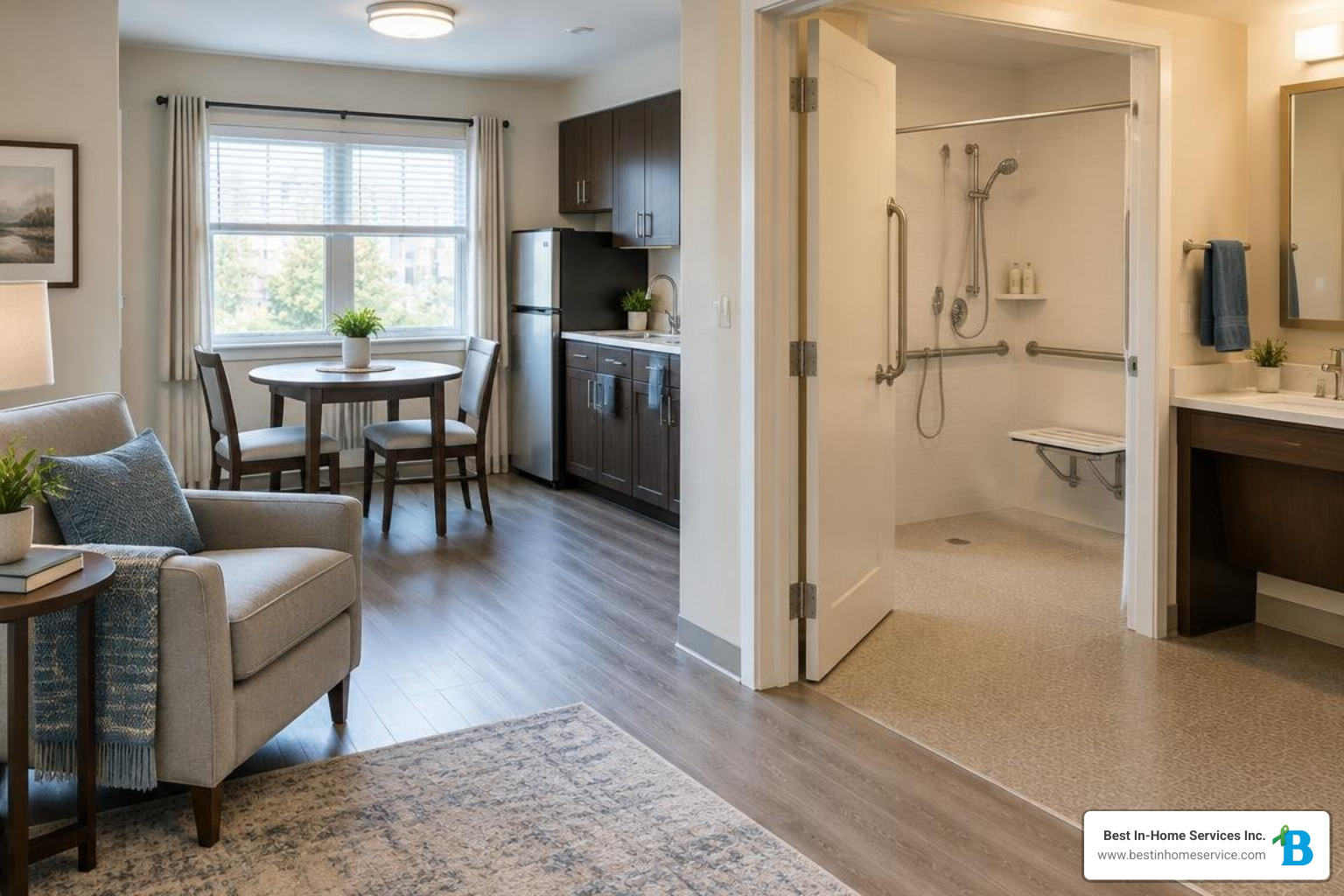
- Assisted Living: Ideal for seniors who want to maintain some independence but need daily help with activities like medication management, bathing, or dressing. Residents live in private or semi-private apartments and have access to 24-hour staff, communal meals, and social events. If you are debating between staying home and moving, our comparison on Home Care vs Assisted Living: Which is Right for Your Family? can help clarify your choices.
- Nursing Homes (Skilled Nursing Facilities): These facilities provide the highest level of residential care, offering 24/7 medical supervision, licensed nursing care, and intensive rehabilitation therapies (such as physical or occupational therapy). They are designed for individuals with severe chronic illnesses or significant cognitive and physical impairments.
- Continuing Care Retirement Communities (CCRCs): CCRCs are “all-in-one” campuses that house independent living, assisted living, and skilled nursing care in a single location. Residents move in while active and transition to higher levels of care as their health needs evolve, preventing the stress of relocating to an entirely new community later in life.
For more information on these residential environments, you can read the National Institute on Aging’s resource on Long-Term Care Facilities: Assisted Living, Nursing Homes, and Other Residential Care | National Institute on Aging .
Specialized Memory Care and Dementia Support

Caring for a loved one with Alzheimer’s disease or other forms of dementia requires a specialized approach. As cognitive decline progresses, seniors experience changes in behavior, memory, and communication that demand structured routines, specialized therapies, and highly secure environments to prevent wandering.
Memory care is a distinct form of long-term support tailored specifically to these needs. It can be provided within dedicated wings of assisted living communities, specialized residential homes, or through highly customized in-home care programs. Key features of professional memory care include:
- Secured Environments: To protect seniors who experience confusion or wandering, memory care settings utilize secured outdoor courtyards, keypad-entry doors, and advanced monitoring systems.
- Dementia-Trained Staff: Caregivers are specifically trained in positive approach techniques, de-escalation strategies, and communication methods that respect the senior’s dignity.
- Structured Routines: Consistent daily schedules reduce anxiety and confusion, helping seniors feel safe and oriented.
- Cognitive and Sensory Activities: Programs are designed to stimulate memory, maintain motor skills, and provide emotional comfort through music therapy, art, and familiar social interactions.
For families navigating this journey, understanding the nuances of cognitive support is crucial. You can explore our guides on Understanding Memory Care and specialized Alzheimer’s Care to learn more about the structured support systems available.
Additionally, many families are surprised to learn that high-quality memory care can be safely delivered in the comfort of the senior’s own home. To learn how to implement structured cognitive routines and safety measures in a familiar environment, read our comprehensive guide on Dementia Care in Your Own Home: All You Need to Know.
Key Factors to Consider When Choosing Senior Care
Choosing among the various care options for seniors is a deeply personal decision that involves balancing physical needs, emotional preferences, and financial realities. To find the right fit, families should evaluate several essential components:
- Current and Future Care Needs: Be honest about the level of assistance required today, but also look ahead. If a progressive condition like Parkinson’s or dementia is present, choose a care model that can easily scale up its support.
- Physical Safety and Mobility: Assess the senior’s risk of falls. Does their home have steep stairs, narrow hallways, or inaccessible bathrooms? If so, would home modifications solve the issue, or is a transition to a specialized facility necessary?
- Social and Emotional Well-being: Isolation is a significant health risk for older adults. Consider whether your loved one would thrive in a vibrant community setting with daily group activities, or if they prefer the quiet familiarity of home paired with dedicated one-on-one companionship.
- Caregiver Burnout: Family caregivers often neglect their own health. If managing your loved one’s care is causing physical exhaustion, anxiety, or depression, it is time to introduce professional care or utilize respite services.
To help you visualize where your loved one might fit best, use this comparison framework:
| Care Setting | Level of Assistance Provided | Typical Living Environment | Ideal Candidate |
|---|---|---|---|
| In-Home Care | Highly flexible (from companion visits to 24/7 personal care) | The senior’s private home | Seniors who wish to age in place in a familiar environment with customized, one-on-one support. |
| Assisted Living | Moderate (help with ADLs, meals, and meds; no 24/7 medical) | Private or semi-private apartments in a community | Seniors who can no longer live safely alone but do not require complex, round-the-clock medical nursing. |
| Nursing Home | High (24/7 skilled nursing, medical monitoring, and therapy) | Semi-private or private rooms in a clinical facility | Seniors with severe chronic illnesses, advanced physical disabilities, or complex medical needs. |
| Memory Care | High (specialized cognitive support, structured routines, high security) | Secured apartments or wings within a community | Seniors with moderate-to-advanced dementia or Alzheimer’s who are prone to wandering or confusion. |
Understanding the Costs and Financial Resources in 2026
As we navigate through 2026, the costs associated with senior care continue to rise, driven by high demand and specialized staffing requirements. In 2026, senior living communities are seeing occupancy rates hover around 87%. Planning early and understanding the national median costs is essential for protecting your family’s financial future:
- In-Home Health Aide Services: The national median monthly cost for a home health aide is $6,878, which translates to roughly $33 per hour. This cost is highly flexible, as you only pay for the hours of care you actually schedule.
- Assisted Living Communities: The national median monthly cost is approximately $6,313.
- Memory Care: Because of specialized staffing and security, memory care typically costs 20% to 30% more than standard assisted living, averaging about $8,019 per month.
- Nursing Homes: For seniors requiring skilled clinical care, the estimated monthly cost in 2026 is $9,842 for a semi-private room and $11,294 for a private room (over $135,000 annually).
- Continuing Care Retirement Communities (CCRCs): These communities require a significant upfront investment, with entrance fees averaging approximately $480,000 in 2026, in addition to ongoing monthly maintenance fees.
When it comes to paying for these services, families must navigate a complex web of financial resources. It is important to know that Medicare has strict limitations; it does not cover long-term custodial care (help with daily activities like bathing and dressing). Medicare will only cover short-term, skilled rehabilitative care in a nursing home or at home for up to 100 days following an official three-day inpatient hospital stay.
To cover the long-term costs, families typically rely on:
- Private Pay: Utilizing personal savings, retirement accounts, or the sale of a home.
- Long-Term Care Insurance: Policies that help pay for care, provided they were purchased before the senior developed a disqualifying chronic condition.
- Medicaid: A joint state and federal program that covers long-term care costs, including nursing home care and some home-based services, for individuals who meet strict income and asset limitations.
- Veterans Benefits: Programs like the VA Aid and Attendance benefit can provide monthly financial assistance to wartime veterans and their surviving spouses to help cover the costs of in-home care or assisted living.
To explore housing options and resources that can help you plan, you can refer to the decision-making tools offered by the state resource Determine the Best Housing Option For Me – Care Options | California Department of Aging – State of California .
Frequently Asked Questions About Senior Care
What are the main differences between assisted living and nursing homes?
The primary differences lie in the level of medical supervision and the living environment. Assisted living is a residential model where seniors live in private apartments, enjoy social activities, and receive help with daily tasks (ADLs) like bathing or medication reminders. Nursing homes, on the other hand, are clinical environments designed for seniors who require 24/7 skilled nursing care, continuous medical monitoring, and intensive physical or occupational therapy.
Does Medicare cover the costs of long-term senior care?
No, Medicare does not cover long-term custodial care, which includes daily assistance with non-medical tasks like dressing, eating, and bathing. Medicare only pays for short-term, medically necessary skilled care. This includes up to 100 days of skilled rehabilitation in a certified nursing facility or short-term home health services following an inpatient hospital stay of at least three consecutive days.
What are the warning signs that a senior needs professional care?
Common warning signs include physical changes like rapid weight loss or unexplained bruises from frequent falls, and cognitive indicators such as forgetting to take vital medications or getting lost in familiar areas. You may also notice environmental signs, such as an unusually messy home, unpaid bills piling up, or safety hazards like burners left on in the kitchen.
Conclusion
Navigating the landscape of care options for seniors can feel like a complex journey, but you do not have to walk this path alone. By researching options early, understanding the financial realities of 2026, and focusing on your loved one’s unique physical and cognitive needs, you can make a choice that ensures their safety, dignity, and peace of mind.
At Best In-Home Services Inc., we specialize in providing compassionate, personalized care plans right where seniors feel most secure — in their own homes. Serving families across Chicago, Downers Grove, Winnetka, Schaumburg, and the surrounding Cook, Lake, and DuPage counties, we deliver 24/7 support with certified, highly trained staff. Whether your family needs specialized dementia care, dedicated memory support, or companion services to help an aging parent remain independent, we are here to help.
Ready to take the next step? We invite you to schedule a Free Assessment with our expert care team today, or Explore Our Services to learn more about how we can support your family’s unique needs.





 1-224-636-5200
 1-224-636-5210
  425 Huehl Rd 13B Northbrook IL 60062