
Why Chicago IL Home Care Matters for Your Family
Chicago IL home care is one of the most practical and compassionate ways to help a loved one stay safe, independent, and comfortable in their own home — without moving to a facility.
If you need a quick answer, here are the most common home care options available in Chicago:
| Care Type | What It Includes | Best For |
|---|---|---|
| Non-Medical Personal Care | Bathing, grooming, meals, housekeeping | Seniors needing daily support |
| Companion Care | Conversation, errands, transportation | Seniors living alone |
| Memory & Dementia Care | Specialized supervision and routines | Alzheimer’s and dementia |
| Post-Hospital Recovery | Transitional support, fall prevention | After surgery or hospitalization |
| 24/7 or Live-In Care | Around-the-clock supervision | High-needs or safety-risk cases |
| Respite Care | Temporary relief for family caregivers | Caregiver burnout prevention |
Nearly 15 million Americans aged 65 and older live alone — and most of them want to stay home. In fact, 9 out of 10 older adults prefer aging in place over moving to a care facility. But staying home safely often means getting the right support.
That’s where professional in-home care makes a real difference.
Chicago families have access to a wide range of licensed home care providers, state-funded assistance programs, and specialized services — but navigating all of it can feel overwhelming. This guide breaks it all down clearly.
I’m Lily Harrison, General Manager at Best In-Home Services Inc., where I coordinate personalized Chicago IL home care for seniors and families across the city and surrounding suburbs. With hands-on experience helping families find the right certified caregivers and care plans, I’ll walk you through everything you need to know.
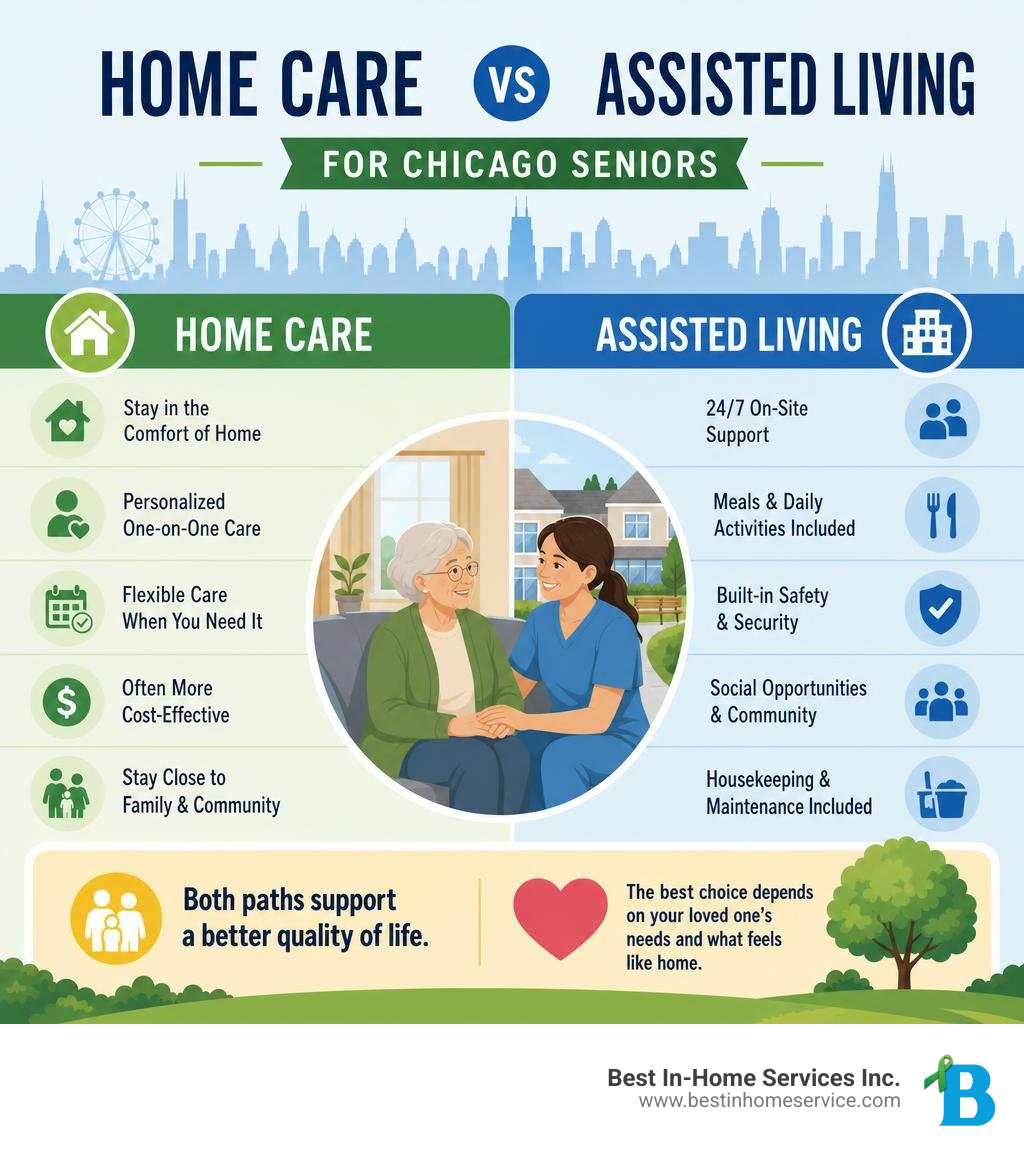
Chicago IL home care terms to learn:
Understanding Your Options for Chicago IL Home Care
When looking into care for a loved one, the terminology can quickly become a confusing alphabet soup. In the Chicagoland area, services generally fall into two main categories: licensed non-medical home care and skilled clinical home health care.
To help your family make an informed decision, it is essential to understand how these services differ and what type of support your parent or relative actually needs to thrive at home. We always recommend checking out The Best Home Care Agencies in Chicago to narrow down your initial search.
The table below outlines the primary differences between general non-medical home care and specialized memory care, which are two of the most frequently requested services in Cook, DuPage, and Lake Counties.
| Feature | General Non-Medical Home Care | Specialized Memory Care |
|---|---|---|
| Primary Focus | Assistance with daily physical tasks and companionship | Cognitive engagement, safety supervision, and behavioral support |
| Caregiver Training | Standard personal care, hygiene assistance, and meal prep | Certified dementia training, redirection techniques, and sensory activities |
| Scheduling | Hourly (e.g., 4 to 12 hours/day) or flexible respite visits | Often requires 24/7 monitoring or highly consistent shift coverage |
| Safety Measures | Basic fall prevention and mobility assistance | Wandering prevention, sundowning management, and intensive exit monitoring |
Non-Medical Personal Care and Companionship
For many seniors, aging with dignity simply means having a trusted pair of hands around the house. Non-medical personal care focuses heavily on supporting Activities of Daily Living (ADLs) and Instrumental Activities of Daily Living (IADLs).
These services are designed to keep your loved one’s household running smoothly while ensuring their physical health is monitored. Standard daily tasks include:
- Personal Hygiene Support: Safe transfers, bathing, grooming, dressing, and toileting.
- Nutritional Meal Preparation: Cooking healthy meals tailored to dietary needs, grocery shopping, and tracking hydration.
- Light Housekeeping: Dusting, laundry, keeping walkways clear of clutter to prevent falls, and organizing the home.
- Medication Reminders: Ensuring prescriptions are taken on schedule without managing the actual dosages clinically.
- Transportation: Escorting seniors to medical appointments, community events, or local grocery stores.
Beyond the physical help, companionship is often the most critical element of non-medical care. Loneliness can have a severe impact on physical health. Friendly conversation, shared board games, and neighborhood walks help maintain emotional well-being and keep minds active.
Specialized In-Home Care and Support
For seniors dealing with advanced health issues, standard daily assistance may not be enough. Specialized in-home care brings peace of mind to families dealing with complex, chronic, or progressive conditions.
At Best In-Home Services Inc., our care model is built on providing certified staff who understand the nuances of conditions like Parkinson’s, Multiple Sclerosis (MS), ALS, and advanced cardiovascular diseases.
Our specialized packages include 24/7 support or live-in arrangements, where a dedicated caregiver is always present to manage safety risks. This level of support ensures that if a senior wakes up disoriented in the middle of the night, a trained professional is right there to assist them, preventing dangerous falls or wandering.
How to Choose the Right Provider in Chicagoland
Selecting a home care provider is a deeply personal decision. You are inviting a professional into your loved one’s most private space. To ensure a safe, positive experience, families must look beyond basic online listings and evaluate the agency’s operational standards, hiring practices, and customer care philosophy.

When you begin your search, we recommend reading through our guide on Home Care Agency in Chicago: The No-Stress Shortlist to understand the essential benchmarks of local care.
How to Evaluate Chicago IL Home Care Agencies
The state of Illinois has strict guidelines governing home care. To protect your family, you should only work with agencies that are fully licensed, bonded, and insured.
- IDPH Licensing: The Illinois Department of Public Health (IDPH) licenses and regulates Home Services Agencies, Home Nursing Agencies, and Home Health Agencies. A licensed agency must comply with state regulations regarding background checks and caregiver training.
- Liability Insurance and Bonding: Never hire an independent, private caregiver without understanding the risks. If an unregistered caregiver is injured on your property, you could be held liable. Licensed agencies carry workers’ compensation and liability insurance to protect your family from financial risk.
- Caregiver Continuity: Ask how the agency handles scheduling. The average caregiver-client relationship in high-quality agencies can last several years, which builds immense trust. If a caregiver is sick, does the agency have a reliable backup pool?
- Registry Verifications: Ensure the agency screens all potential hires against the IDPH Healthcare Worker Registry.
For a deeper dive into finding local, vetted support near you, explore our resource on Caregivers for Seniors Near Me: Finding Local Care in Chicago.
Key Questions to Ask During an In-Home Assessment
Before signing any service agreement, a reputable agency will perform a free, no-obligation in-home assessment. This is your opportunity to interview the agency and see how they interact with your loved one.
Use this checklist of questions during your meeting:
- Are your caregivers direct employees of the agency, or are they independent contractors? (Direct employees are fully insured, supervised, and have payroll taxes handled by the agency).
- What specific certifications, background checks, and drug screenings do your caregivers undergo?
- How do you handle caregiver matching? Can we meet the caregiver before services officially begin?
- What happens if our regular caregiver is sick or has an emergency? How quickly is backup care arranged?
- Is there a long-term contract, or can we adjust our hours as our loved one’s needs change?
- How do you handle communication with family members who live out of town?
Specialized Care and Support Services
Many families seek out home care during a period of transition — such as immediately following a hospital discharge, after a diagnosis of dementia, or when a primary family caregiver is facing physical and mental exhaustion.
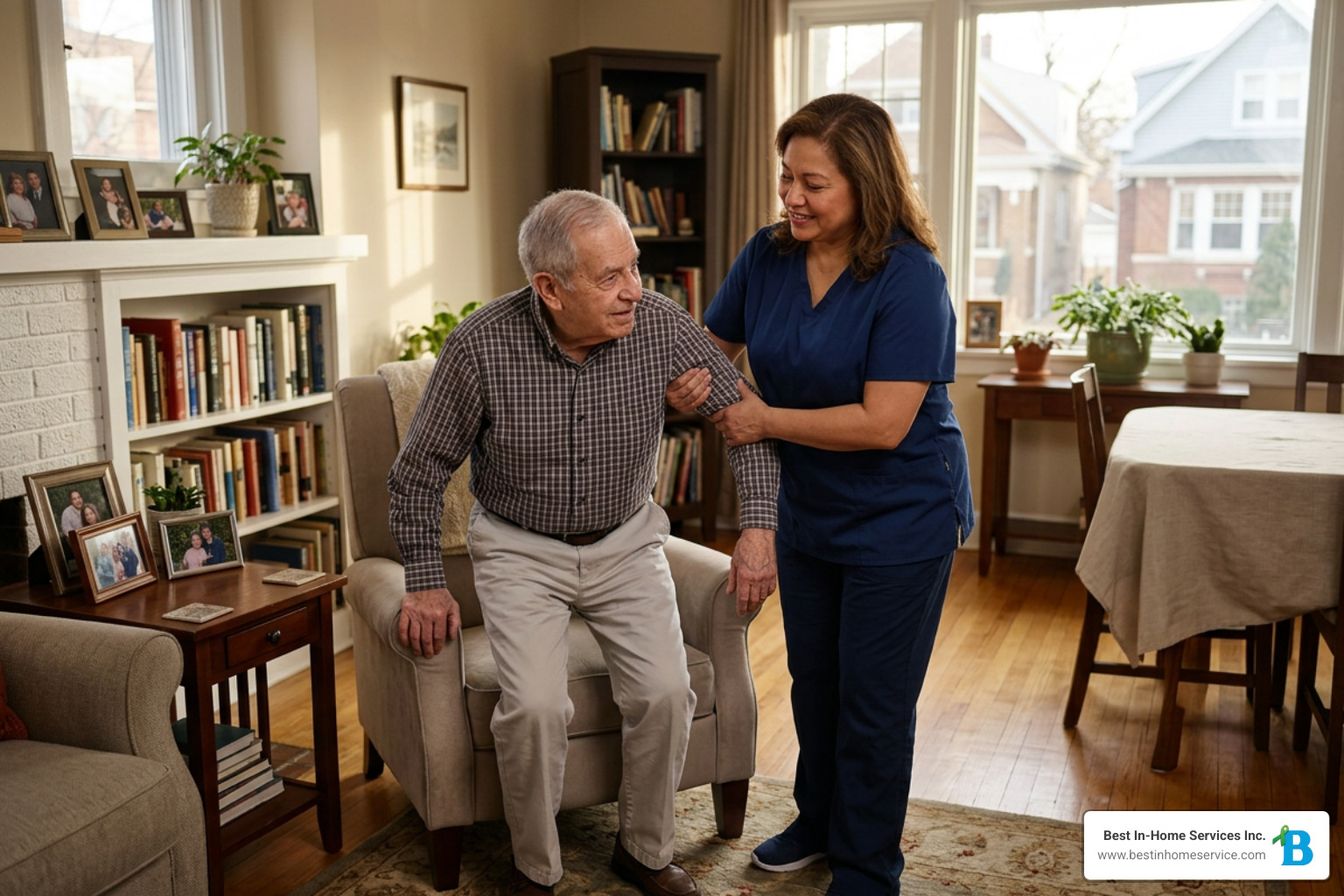
Navigating these transitions requires a clear plan. To make this process as smooth as possible, we invite you to review our guide on Navigating Chicago Home Health Care Without the Headache.
Specialized Chicago IL Home Care for Chronic Conditions
Managing progressive conditions like Alzheimer’s, dementia, or Parkinson’s at home requires specialized expertise. Cognitive decline changes how a person communicates, processes frustration, and navigates their environment.
At Best In-Home Services Inc., our certified dementia practitioners design custom care plans that prioritize cognitive safety and emotional comfort. Memory care at home focuses on:
- Establishing Consistent Routines: Reducing anxiety by keeping meal times, activities, and waking schedules highly predictable.
- Redirection and Behavioral Support: Managing common dementia symptoms, such as sundowning or repetitive questioning, with gentle, non-pharmacological redirection.
- Cognitive Engagement: Utilizing puzzles, music therapy, and memory games to stimulate cognitive function.
- Environmental Safety: Evaluating the home for hazards, installing safety locks, and preventing wandering.
For families seeking continuous, around-the-clock peace of mind, read our detailed recommendations on Finding the Best 24/7 Home Health and Memory Care in Chicago.
Transitional Care and Post-Hospitalization Recovery
The first 30 days following a hospital discharge are critical. Without proper support, many seniors find themselves readmitted due to medication errors, missed follow-up appointments, or physical strain.
Transitional care (often called hospital-to-home care) provides the bridge your loved one needs to recover safely. Caregivers assist with picking up prescriptions, coordinating transportation to follow-up visits, preparing easy-to-digest meals, and providing physical stability during transfers to prevent surgical wound disruptions.
Whether your loved one is recovering from orthopedic surgery in Schaumburg IL or cardiovascular care in Naperville IL, structured support is vital. For more details on what to expect during this process, consult our resource on Care Options for Seniors in Chicago Area.
Costs, Insurance, and Financial Assistance Programs in Illinois
Understanding how to fund Chicago IL home care is one of the most common hurdles families face. While private pay is a frequent option, several state, county, and insurance programs can help offset these expenses.
To help budget for your family’s needs, read our comprehensive breakdown of Affordable Home Care for Seniors in Chicago.
State-Funded Programs and the Community Care Program
For seniors with limited financial resources, the state of Illinois offers robust programs designed to prevent premature nursing home placement.
- Illinois Department on Aging (IDoA): The IDoA manages the Community Care Program – Illinois Department on Aging (CCP). This program helps seniors aged 60 and older who need assistance with daily living tasks but wish to remain in their homes. To qualify, individuals must meet specific asset and income limits and demonstrate a physical need for care.
- Home Services Program (HSP): Managed by the Illinois Department of Human Services (DHS), this program provides support to individuals under age 60 with severe disabilities, allowing them to hire personal assistants, homemakers, or home health aides.
County-Level Resources and Local Support
Depending on where you live in the Chicagoland area, county-level government agencies offer localized support, respite grants, and care coordination services.
- DuPage County: Residents in Downers Grove IL, Hinsdale IL, and Naperville IL can access the Community Services Programs | DuPage Co, IL for senior services, utility assistance, and case management.
- Cook County: Offers extensive localized senior resource networks, home-delivered meals, and family caregiver support groups across Chicago, Skokie IL, Melrose Park IL, and Lincolnwood IL.
- Lake County: Provides specialized aging and disability resource connections for families living in areas like Lake Forest IL, Deerfield IL, and Buffalo Grove IL.
Frequently Asked Questions About Chicago Home Care
How quickly can home care services be started in Chicago?
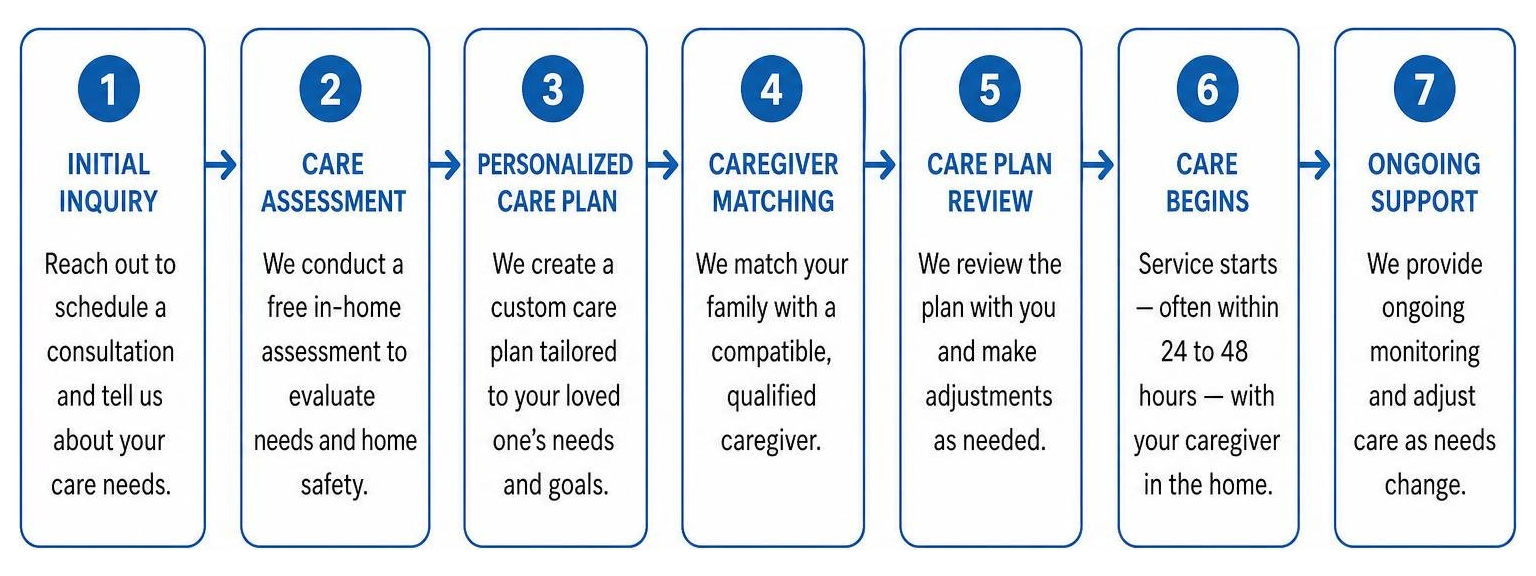
In most cases, home care services can be initiated within 24 to 48 hours of your initial inquiry. The process begins with a phone consultation, followed by a free in-home assessment conducted by a client coordinator.
During this visit, we evaluate your loved one’s physical capabilities, cognitive health, and home safety. A personalized care plan is developed immediately, and we match your family with a compatible, certified caregiver. If urgent care is required due to an unexpected hospital discharge, some agencies can place a caregiver in the home on the same day.
Can family members be paid as caregivers in Illinois?
Yes. Under specific state programs like the Illinois Department on Aging’s Community Care Program (CCP) or the DHS Home Services Program (HSP), family members (excluding legal spouses in some programs) can be hired and compensated as paid caregivers.
To participate, the family caregiver must meet state qualification standards, pass a comprehensive criminal background check, and complete mandatory training hours. Local Care Coordination Units (CCUs) assist families in applying for these programs and managing the employment paperwork.
What is the difference between home care and home health care?
This is a vital distinction that often confuses families:
- Home Care (Non-Medical): Focuses on personal care, companionships, housekeeping, and meal preparation. It does not require a doctor’s prescription and is typically paid for privately, via long-term care insurance, or through state programs like the CCP.
- Home Health Care (Medical): Involves clinical medical services, such as skilled nursing, physical therapy, wound care, or occupational therapy. It is prescribed by a physician, supervised by registered nurses, and is typically covered by Medicare, Medicaid, or private health insurance.
To explore which model fits your current family situation, read our analysis of the 5 Best Home Care Options for Seniors in Chicago Area.
Conclusion
Finding the right Chicago IL home care provider is about securing peace of mind. It’s about knowing that your parent or relative is safe, comfortable, and respected in the home they love.
At Best In-Home Services Inc., we provide personalized, highly flexible care plans designed around your family’s unique schedule and health needs. From 24/7 memory care to short-term respite visits, our certified, compassionate caregivers serve families across the entire Chicagoland area, including Cook County, DuPage County, and Lake County.
If you are coordinating care for a loved one in the city, please visit our Chicago page to connect with our local care team.
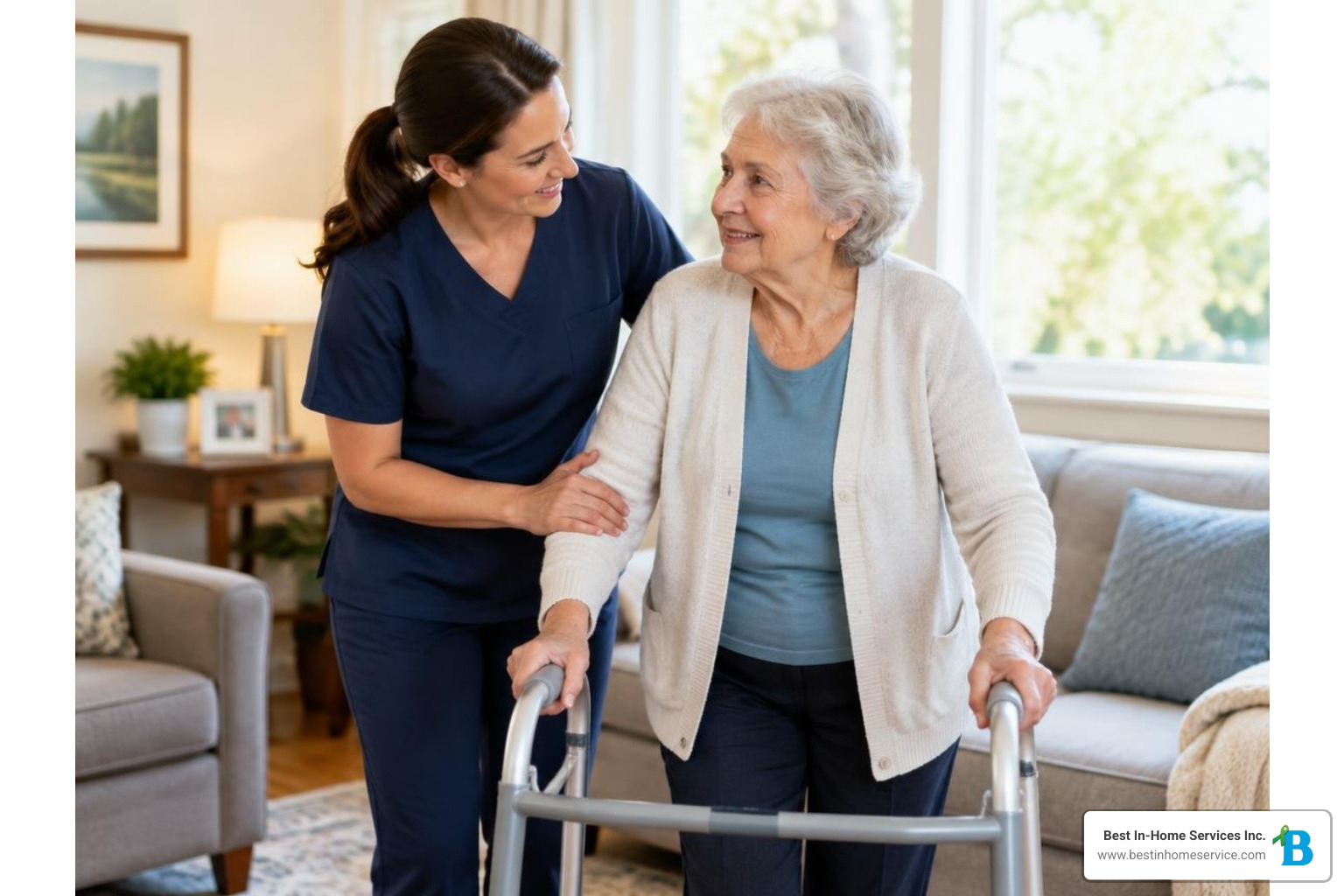
For families preparing for an upcoming medical procedure, please learn more about post-hospital care in Illinois to discover how professional transitional support can ensure a safe, smooth recovery at home. Reach out to us today to schedule your free, personalized in-home assessment.




 1-224-636-5200
 1-224-636-5210
  425 Huehl Rd 13B Northbrook IL 60062