
How to Hire a Caregiver After Surgery for a Safer Return Home
Before discharge, list the help needed with walking, bathing, meals, and medication reminders. Then look for a caregiver with relevant recovery experience, check their background and references, and agree on a schedule that covers the first days at home. If the care plan calls for wound care or other medical tasks, arrange a licensed clinician separately.
I’m Lily Harrison, General Manager at Best In-Home Service Inc., a Northbrook-based, Illinois-licensed non-medical home care provider. My work coordinating in-home support for older adults helps me guide families who search for “hire caregiver after surgery” toward a practical care plan.
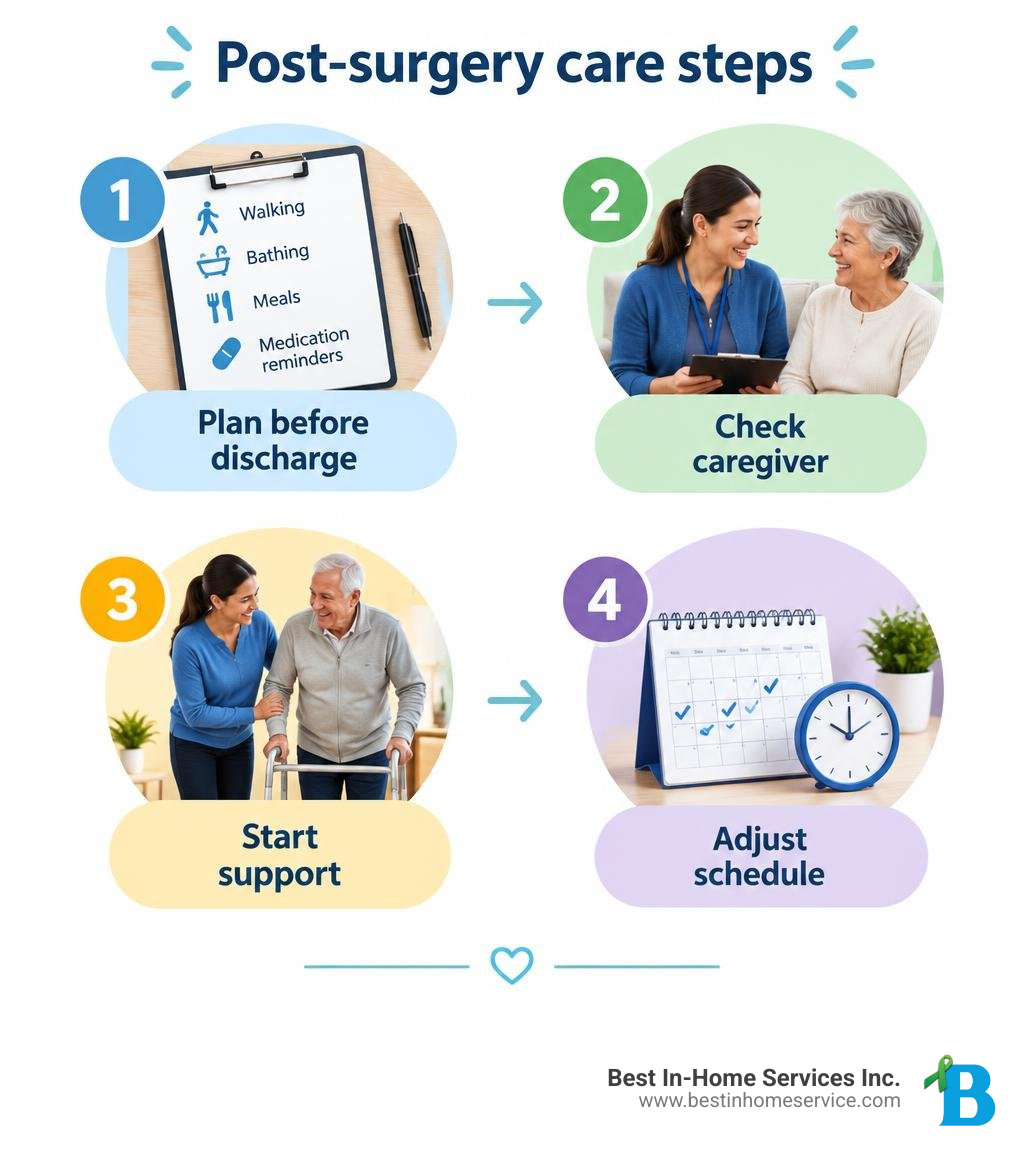
Read more about how to hire caregiver after surgery:
Understanding Post-Surgical In-Home Support and Caregiver Roles
Returning home after an operation can feel like a breath of fresh air, but the physical reality of recovery often sets in the moment you step through the front door. Routine household movements – reaching for a cup, bending to tie shoes, or stepping into the shower – suddenly feel like daunting obstacles. Planning for a smooth post-hospital discharge helps bridge the gap between hospital supervision and everyday home life.
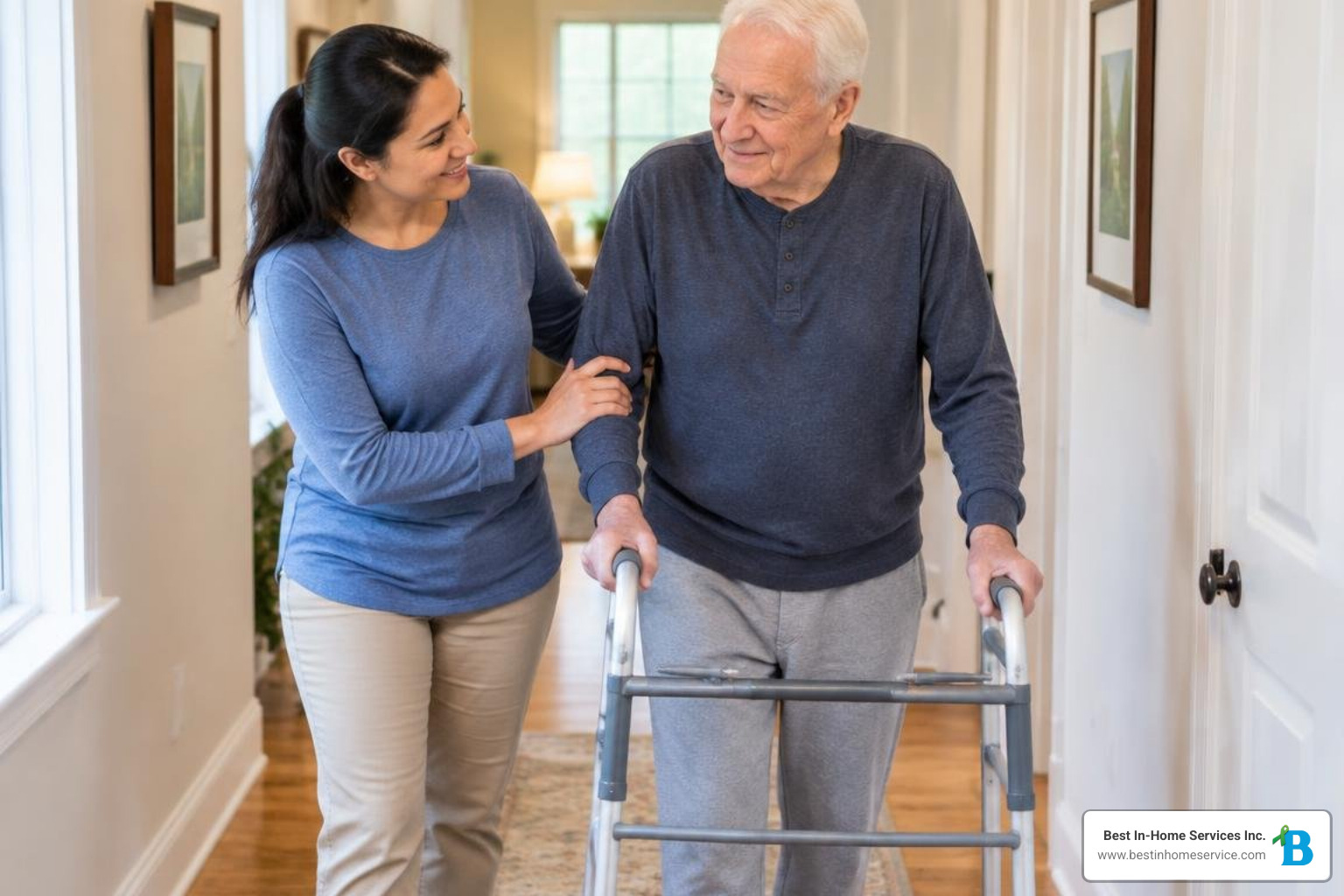
Non-medical in-home caregivers provide the supportive structure needed while you regain strength. While doctors and visiting physical therapists handle clinical treatment, a dedicated caregiver focuses on the environment, daily routines, and physical stabilization that prevent unnecessary strain.
Scope of Non-Medical In-Home Care
It is essential to distinguish between clinical healthcare and non-medical home care. Non-medical caregivers support the activities of daily living (ADLs) that become challenging when your mobility is limited.
A non-medical caregiver assists with:
- Personal care assistance, such as gentle help with bathing, dressing, and grooming.
- Consistent medication reminders so you take prescribed doses according to your doctor’s schedule.
- Preparing nourishing meals and keeping fresh water within reach.
- Light housekeeping, laundry, and maintaining clean, clutter-free walkways.
- Companion care, conversation, and non-clinical monitoring to notice changes in comfort or routine.
Non-medical caregivers do not administer injections, perform sterile wound dressings, change surgical tubes, or make medical diagnoses. When specialized clinical tasks are required, they work alongside home health nurses or physical therapists ordered by your physician.
Essential Non-Medical Services for Surgical Recovery
The first few weeks after a procedure carry distinct challenges. Having an extra set of capable hands helps manage the following:
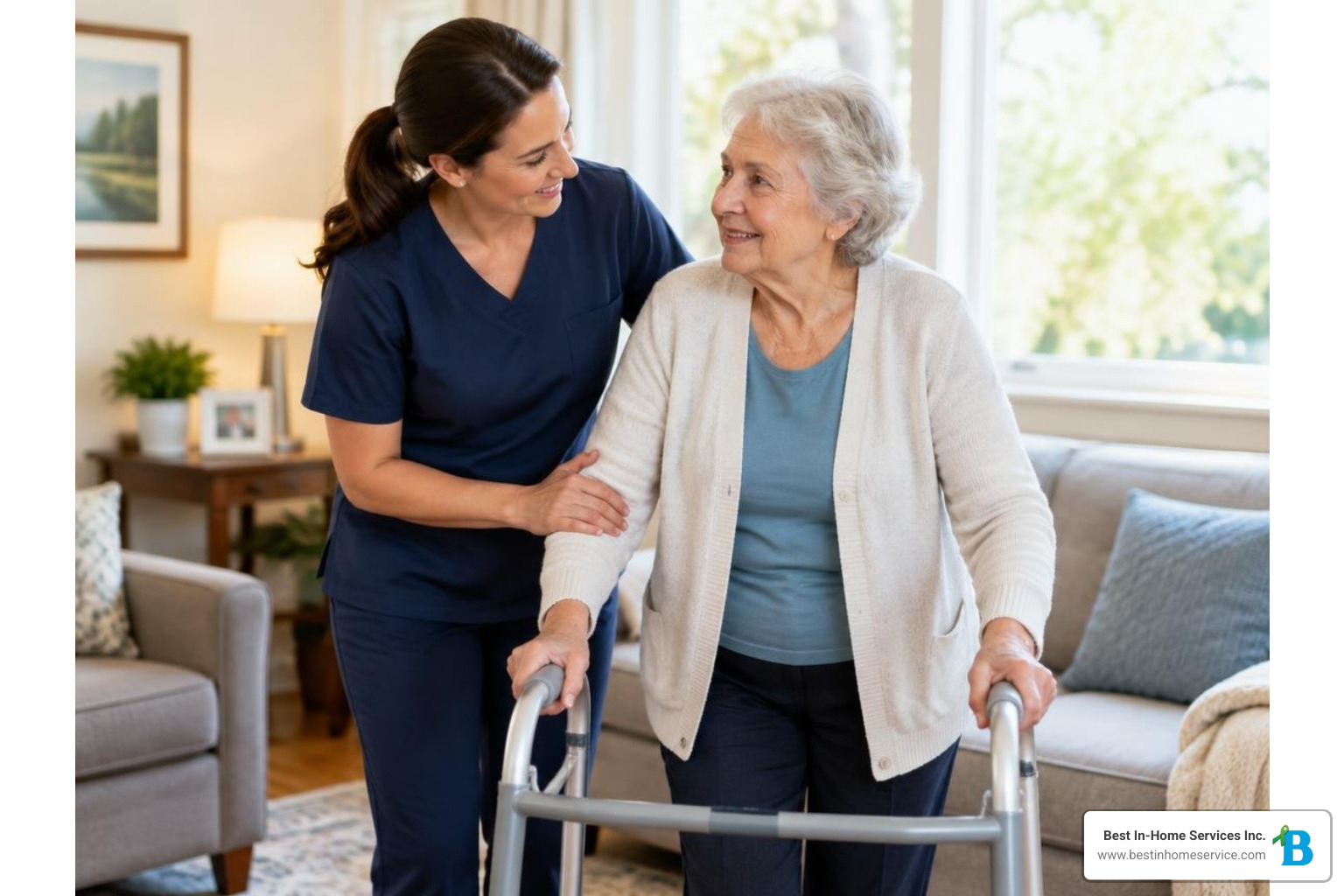
- Mobility and Transfer Support: Overcoming mobility issues after surgery takes time. Caregivers offer steady standby assistance when moving from a bed to a chair or walking to the restroom.
- Nutrition and Hydration: Proper healing requires balanced nutrition, yet standing at a stove is often out of the question. Caregivers handle grocery coordination and cook fresh, easy-to-digest meals.
- Fall Risk Mitigation: Removing throw rugs, clearing walkways, and keeping daily essentials at waist level helps reduce the risk of tripping or overextending healing joints.
- Errands and Transportation: Caregivers can accompany you to follow-up visits, pick up prescriptions at the pharmacy, or run necessary household errands.
When and How to Hire Caregiver After Surgery Support
The best time to organize recovery support is well before the operation takes place. Setting up a plan in advance eliminates the stress of coordinating schedules while managing anesthesia grogginess or post-op discomfort.

If you are navigating post-operative care in Chicago or the surrounding suburbs, starting the conversation with a care agency a week or two before your admission date ensures that qualified staff are matched to your specific routine.
Essential Qualifications to Look for When You Hire Caregiver After Surgery
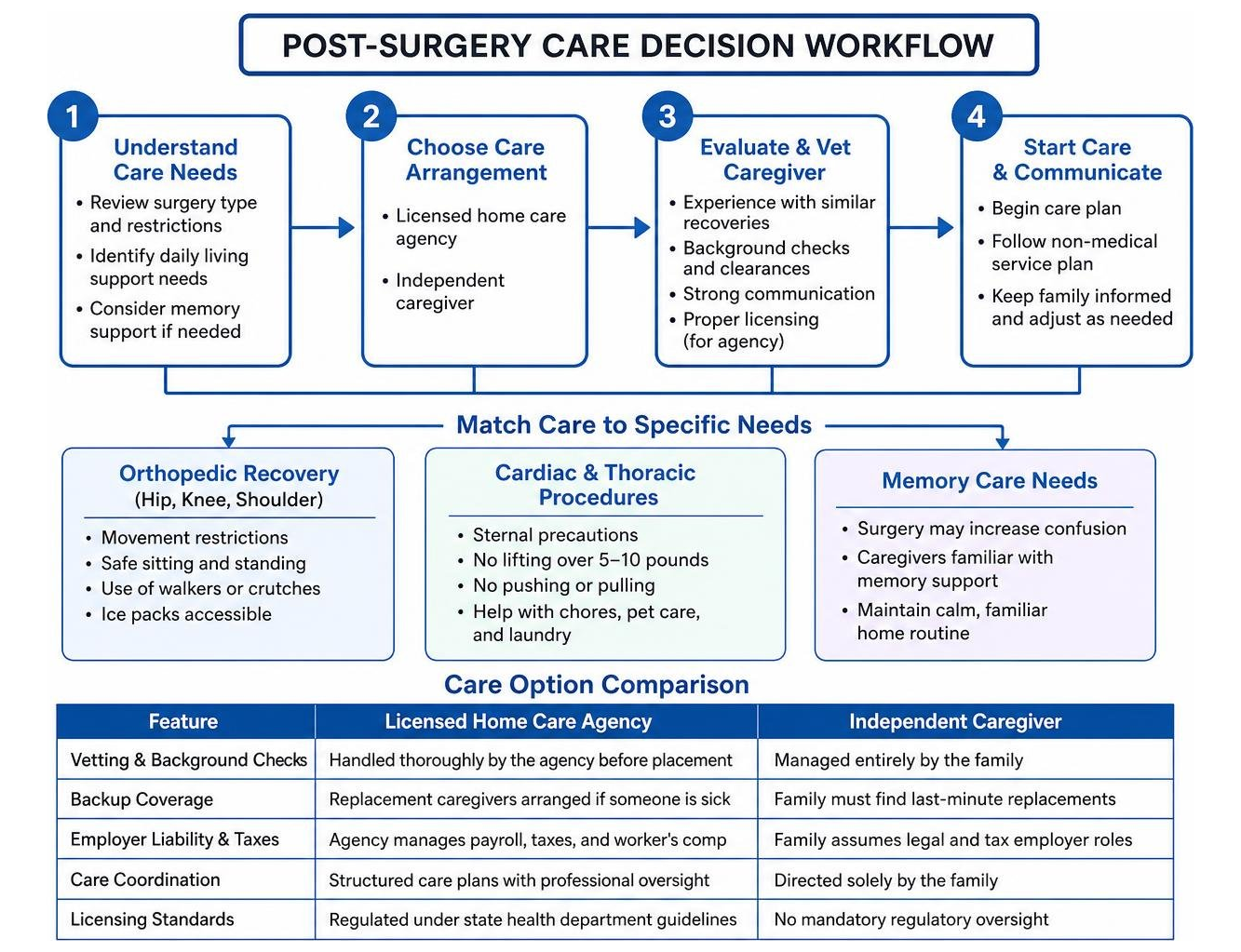
When evaluating care providers, look for practical experience, reliability, and thorough vetting. Key qualifications include:
- Hands-On Experience: Look for caregivers who have supported clients through orthopedic, cardiac, or general surgical recovery.
- Background Checks and Clearances: Ensure the provider has completed comprehensive state background screenings, health clearances, and reference checks.
- Strong Communication: A caregiver should listen attentively, follow non-medical service plans diligently, and communicate clearly with family members.
- Proper Licensing: Working with an Illinois-licensed home care agency ensures that caregivers meet regulatory standards and receive ongoing oversight.
Condition-Specific Care: Orthopedic, Cardiac, and Memory Care Needs
Different operations call for different types of daily support:
- Orthopedic Recovery (Hip, Knee, Shoulder): Procedures involving joints require strict adherence to movement restrictions. Caregivers assist with safe sitting and standing techniques, help you use walkers or crutches properly, and keep ice packs accessible.
- Cardiac and Thoracic Procedures: Sternal precautions often prohibit lifting objects over five to ten pounds, pulling, or pushing. Caregivers manage household tasks, pet care, and laundry so you can rest.
- Clients Living with Dementia or Memory Loss: Surgery and hospital stays can increase confusion for individuals with cognitive decline. Having a caregiver familiar with memory support helps maintain a calm, familiar home rhythm, reducing agitation during post-operative healing.
Evaluating Your Options: Licensed Agency vs. Independent Caregiver
When arranging help, families generally choose between working with a licensed home care agency or hiring an independent caregiver directly. Reviewing the differences between the best in-home care providers and private hires helps you make the right choice for your household.
| Feature | Licensed Home Care Agency | Independent Caregiver |
|---|---|---|
| Vetting & Background Checks | Handled thoroughly by the agency before placement | Managed entirely by the family |
| Backup Coverage | Replacement caregivers arranged if someone is sick | Family must find last-minute replacements |
| Employer Liability & Taxes | Agency manages payroll, taxes, and worker’s comp | Family assumes legal and tax employer roles |
| Care Coordination | Structured care plans with professional oversight | Directed solely by the family |
| Licensing Standards | Regulated under state health department guidelines | No mandatory regulatory oversight |
Key Interview Questions for Prospective Caregivers
Whether speaking with an agency care coordinator or interviewing an individual, consider asking these practical questions:
- What experience do you have assisting clients recovering from this specific type of procedure?
- How do you handle non-medical emergencies or sudden changes in a client’s condition?
- What is your policy for backup coverage if the scheduled caregiver is unwell?
- How do you support mobility limitations without causing strain to surgical sites?
- Can you provide professional references from past post-operative or senior care placements?
How Much Does It Cost to Hire Caregiver After Surgery Assistance?
The cost of in-home care in Chicago and the surrounding suburbs varies according to the level of assistance required, the number of scheduled hours, the care schedule, and whether specialized, overnight, weekend, or transportation support is needed.
Most agencies require a 3-hour visit minimum per shift to ensure dedicated scheduling for their staff. For individuals needing continuous monitoring during the initial days home, 24-hour in-home care in Illinois or private home health care options can be structured as either day/night shifts or continuous support. Transportation mileage for appointments or errands is typically billed separately.
Structuring Short-Term vs. Long-Term Post-Operative Care Plans
Post-operative healing progresses through distinct stages. A care plan should be flexible enough to adapt as strength returns.
- Week 1 (Intensive Support): Focus is placed on constant mobility assistance, meal preparation, medication reminders, and personal hygiene support. Longer daily shifts or overnight presence are often helpful during this initial phase.
- Weeks 2–3 (Transitional Care): As independent walking improves, care hours can gradually decrease. Support shifts toward housekeeping, driving to physical therapy sessions, and meal prep.
- Weeks 4+ (Respite or Maintenance): For some, post-hospital recovery reveals underlying daily challenges. Families may transition short-term surgical help into ongoing companion care or home care vs assisted living planning.
Reviewing a comprehensive post-hospitalisation care and recovery guide helps families plan these schedule adjustments realistically.
Frequently Asked Questions About Post-Surgery Care
When should I begin planning to hire a caregiver for post-surgery recovery?
It is best to start planning two to three weeks before a scheduled surgery. This provides ample time to complete an in-home assessment, discuss specific mobility needs, coordinate discharge times, and ensure your preferred care schedule is secured.
What factors influence the overall cost of post-operative home care?
Overall costs depend on total weekly hours, whether care is scheduled during the day, overnight, or around the clock, and the level of personalized physical support required. Choosing an agency with clear scheduling guidelines helps you build an efficient plan that fits your family’s budget.
Can a non-medical caregiver assist with my physical therapy exercises?
While non-medical caregivers do not design or deliver physical therapy regimens, they can provide steady standby support, encourage you to follow exercises prescribed by your licensed therapist, and help you safely move to and from your exercise area.
Conclusion
Recovering from surgery takes patience, rest, and a supportive environment. Having reliable in-home assistance ensures that routine daily tasks do not compromise your healing process.
Best In-Home Service Inc. is an Illinois-licensed home care agency (License #3000758) based in Northbrook, IL. We provide non-medical home care support throughout Cook, Lake, and DuPage counties, serving communities including Chicago, Evanston, Skokie, Glenview, Highland Park, Lake Forest, Naperville, and Oak Brook. We are licensed by the Illinois Department of Public Health, approved by the Illinois Department on Aging under the Community Care Program, and recognized by the Illinois Department of Human Services / Rehabilitation Services for the Home Service Program.
To discuss care schedules or request a personalized consultation for your upcoming recovery, explore our guide on post-hospital care throughout Illinois or call our Northbrook team directly at 224-636-5200.






 1-224-636-5200
 1-224-636-5210
  425 Huehl Rd 13B Northbrook IL 60062