
Why Chicago Post Operative Care Can Make or Break Your Recovery
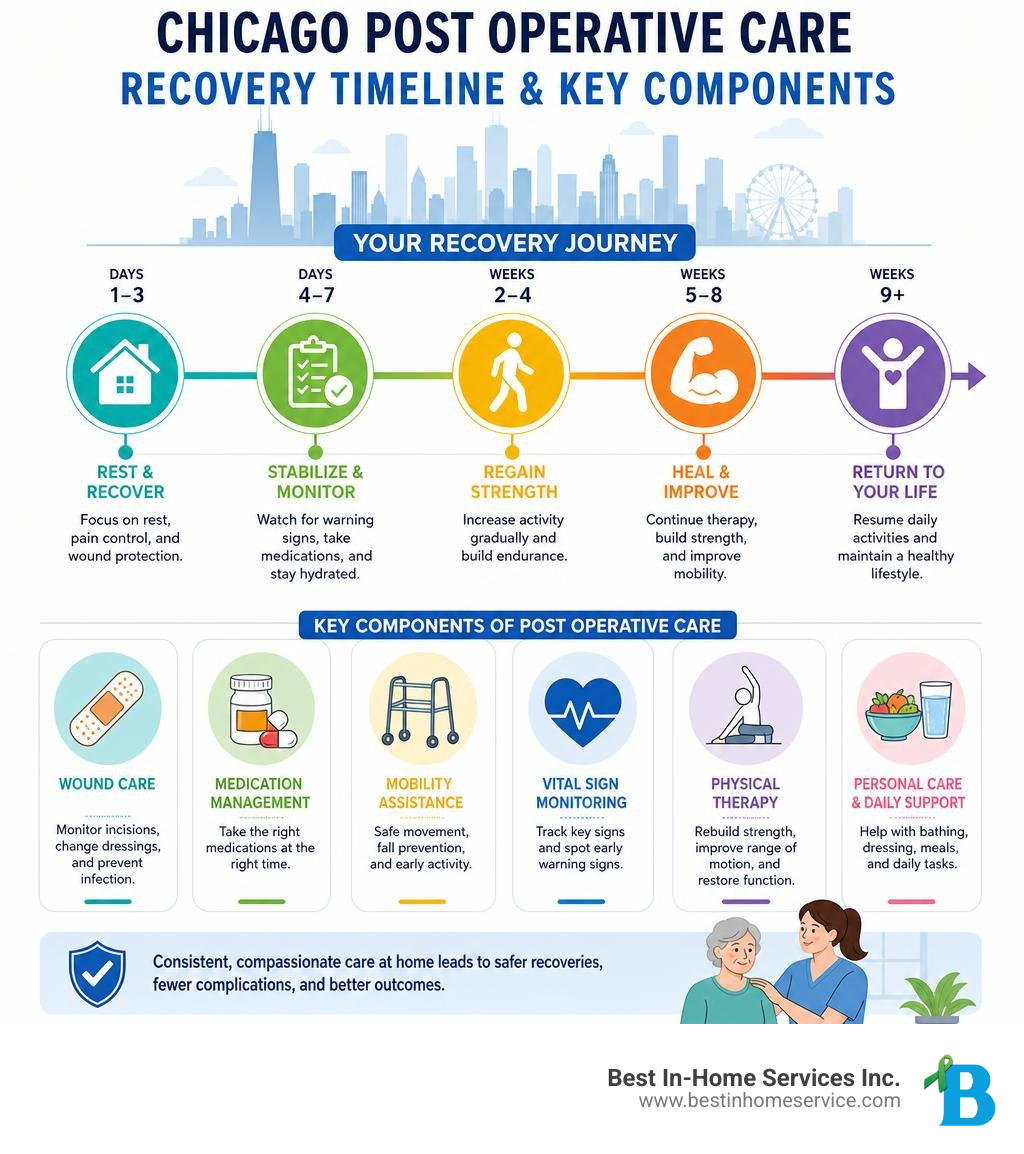
Chicago post operative care is the structured support patients receive at home — or in a care setting — after surgery to heal safely, avoid complications, and reduce the risk of returning to the hospital.
Here is a quick overview of what it typically includes:
| Care Component | What It Involves |
|---|---|
| Wound care | Monitoring incisions, changing dressings, preventing infection |
| Medication management | Tracking dosages, timing, and side effects |
| Mobility assistance | Safe movement, fall prevention, early activity |
| Vital sign monitoring | Spotting early warning signs of complications |
| Physical therapy coordination | Rebuilding strength and range of motion |
| Personal care & daily support | Bathing, dressing, meal preparation |
Illinois hospitals reported over 1,058,000 inpatient discharges in 2022. Many of those patients went home before they were fully recovered — and the gap between hospital discharge and full recovery is exactly where things can go wrong.
The good news: Medicare beneficiaries in Illinois who received structured home care after surgery had a 23% lower 30-day readmission rate than those discharged without support. That number tells you everything about why professional post-op care matters.
I’m Lily Harrison, General Manager at Best In-Home Services Inc., where I’ve spent years coordinating compassionate, certified in-home care for families across Chicago navigating everything from dementia support to Chicago post operative care after major procedures. In this guide, I’ll walk you through exactly what to expect and how to get the right support in place.
Understanding Chicago Post Operative Care and Why It Matters
When a surgeon completes a procedure, the physical repair is only half the battle. The second half—the healing phase—is where the real work of recovery begins. Proper postoperative care focuses on several key clinical pillars: wound healing, infection prevention, strict medication adherence, and early mobility.
Without a structured plan, even a highly successful surgery can be compromised. In Illinois, post-surgical care accounts for approximately 35% of all home health episodes, reflecting how critical this transition is. When a patient returns home, they often face a complex set of discharge instructions. Managing surgical dressings, keeping track of new medications, and trying to navigate a home environment while physically limited can quickly become overwhelming.
Our goal is always to prevent complications before they start. Proper wound care prevents surgical site infections, while diligent medication management ensures pain is controlled without risking dangerous drug interactions or missed doses. By focusing on these core areas, we dramatically reduce the risk of emergency room visits and hospital readmissions. For more detailed advice on making this shift safely, read our more info about transitioning home.
The Critical First 24 to 72 Hours of Chicago Post Operative Care
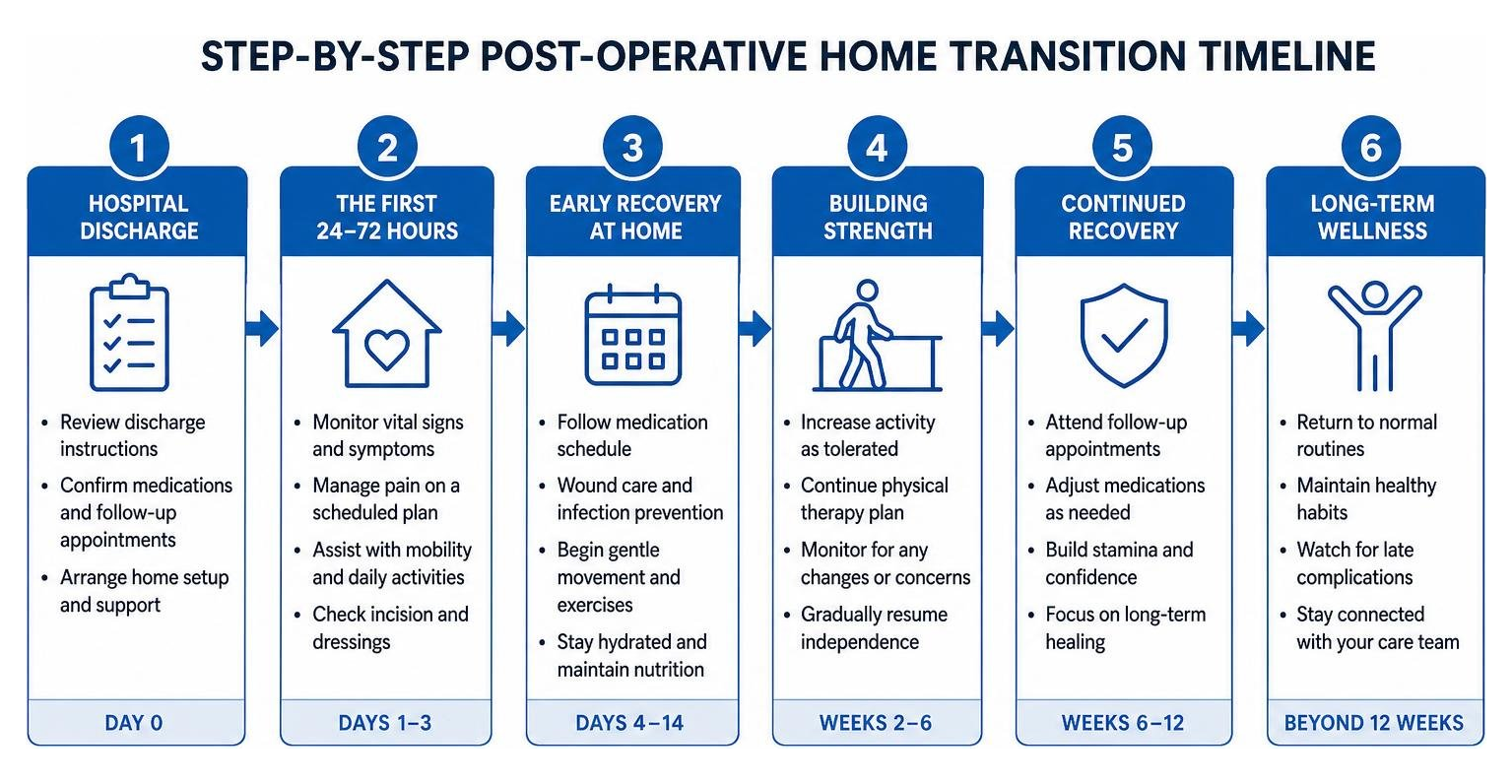
The first 24 to 72 hours after arriving home from a Chicago hospital are the most vulnerable. During this window, the lingering effects of anesthesia can cause dizziness, cognitive fog, and unsteadiness. This is also when pain levels tend to peak as the clinical nerve blocks wear off.

During these critical first days, professional support focuses heavily on:
- Anesthesia Monitoring: Watching for lingering side effects such as nausea, extreme drowsiness, or confusion.
- Pain Management: Ensuring pain medications are taken on a strict schedule, rather than waiting for the pain to become severe.
- Mobility Support: Assisting with transfers from bed to chair, trips to the bathroom, and gentle movement to prevent blood clots.
- Vital Sign and Symptom Tracking: Keeping a close eye on temperature, blood pressure, and incision sites for any early signs of distress.
Having a dedicated caregiver or nurse present during this time ensures that the patient does not overexert themselves or suffer a fall while trying to manage daily tasks alone.
Common Surgeries Requiring Professional Chicago Post Operative Care
While any major procedure warrants a solid recovery plan, certain surgeries carry a much higher need for professional oversight. In our experience working with families throughout Chicago, Downers Grove, Winnetka, and Naperville, we frequently support patients recovering from:
- Joint Replacements (Hip, Knee, Shoulder): Orthopedic patients must balance the need for rest with immediate, structured movement. Early physical therapy is essential to prevent joint stiffness, but patients need hands-on assistance to perform these movements safely.
- Abdominal and Gastrointestinal Surgeries: These procedures significantly impact core strength, making basic movements like sitting up or coughing incredibly painful. Professional care ensures patients do not strain their abdominal muscles and monitors for internal complications.
- Cardiac and Thoracic Procedures: Heart surgeries require meticulous wound care to prevent chest incision infections, alongside careful monitoring of blood pressure and fluid levels.
For those preparing for orthopedic procedures, reviewing the orthopedic post-op guidelines from local specialists can help you understand what your physical recovery will entail.
Key Components of a Successful Post-Surgical Recovery Plan
A successful recovery doesn’t happen by accident. It requires a customized plan tailored to the patient’s specific surgery, home environment, and overall health.
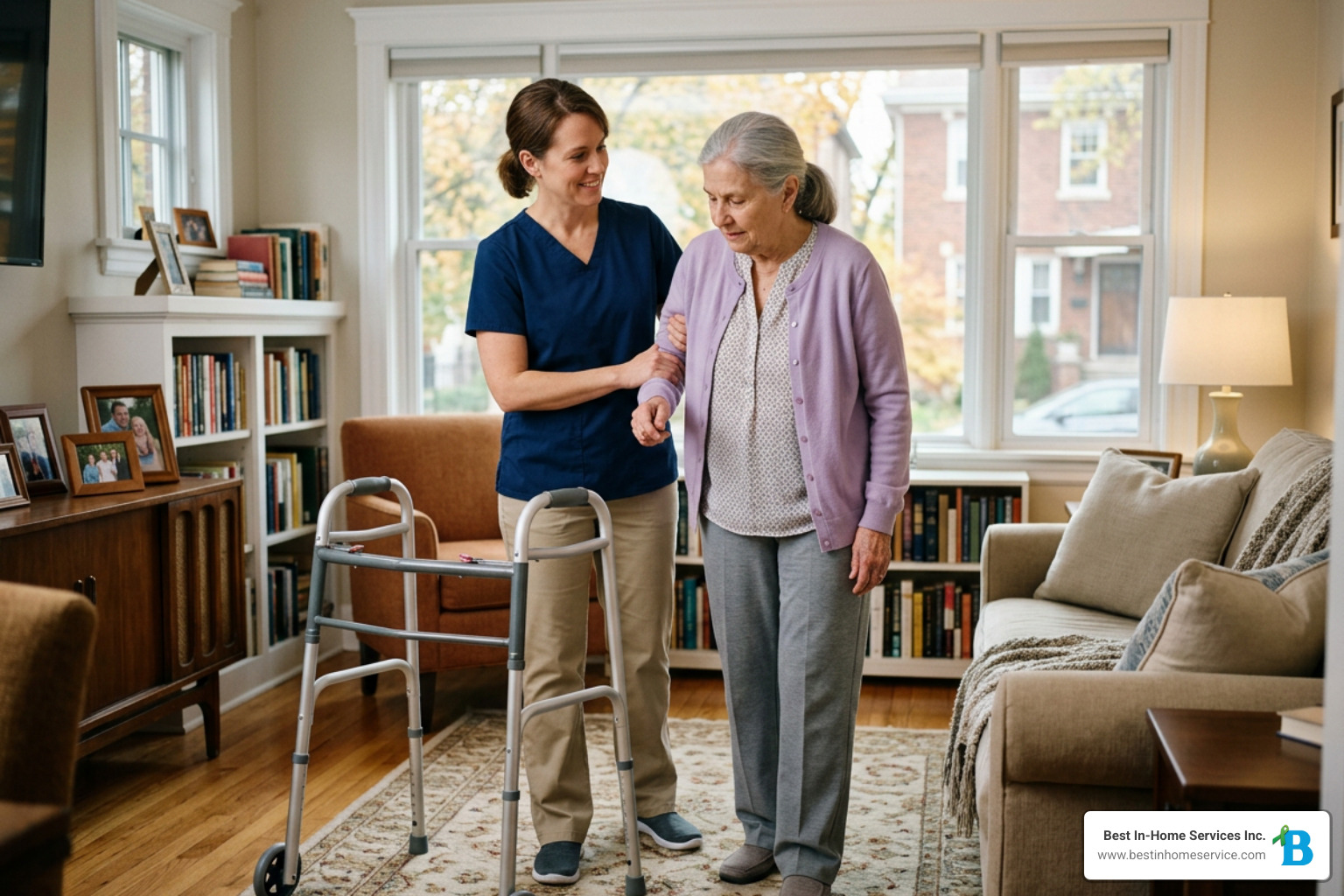
A comprehensive plan coordinates medical needs with daily living support. This includes regular wound monitoring to ensure incisions are closing cleanly, medication reminders to keep pain and inflammation under control, and seamless coordination with physical or occupational therapists who visit the home. By addressing both clinical and non-clinical needs, we create a safe environment where the patient’s only job is to rest and heal.
Medication Management and Pain Control
Managing medications after surgery is often one of the most challenging tasks for patients and their families. Surgeons frequently prescribe a combination of heavy pain relievers, anti-inflammatories, blood thinners, and stool softeners—each with its own specific dosing schedule and instructions.
To manage this safely, we emphasize several best practices:
- Preventative Pain Control: It is much easier to keep pain at bay than to try to control it once it becomes severe. Medications should be taken exactly as prescribed, particularly during the first 48 hours.
- Food Interactions: Many post-surgical medications must be taken with food to prevent severe nausea or stomach irritation.
- Dosage Tracking: Keeping a detailed, written log of when each medication was administered prevents accidental double-dosing or missed doses.
- Side Effect Monitoring: Watching for common side effects like extreme drowsiness, constipation, or confusion, and communicating these to the doctor promptly.
For general instructions on managing your recovery safely, review these general post-op instructions.
Rehabilitation and Physical Therapy Integration
For many surgeries, particularly orthopedic and spinal procedures, rehabilitation must begin almost immediately. However, swelling after surgery can interfere with joint signals and muscles, leading to unsteadiness and a high risk of falls.
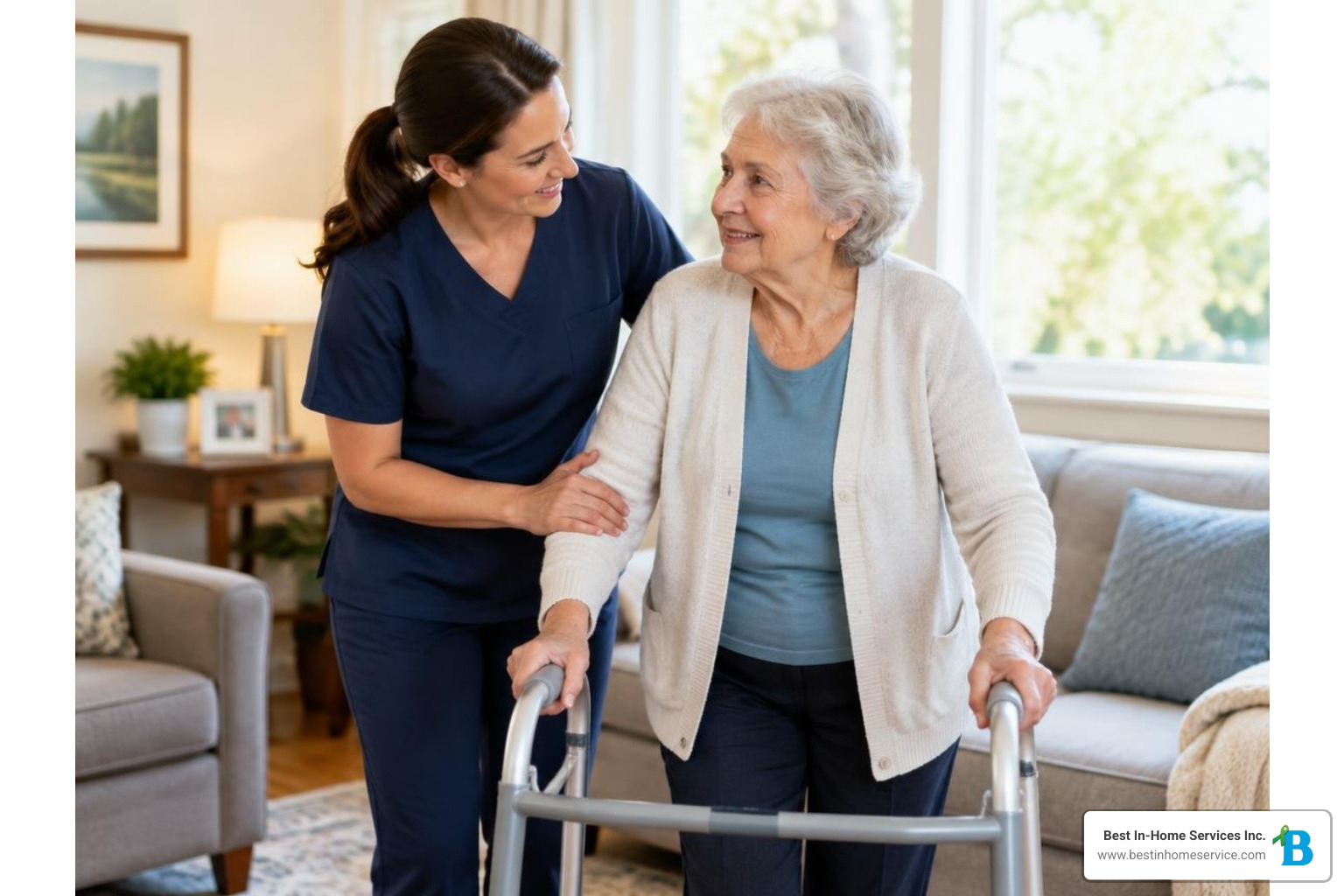
Early physical therapy helps manage this swelling, restores joint motion, and prevents the buildup of rigid scar tissue. A professional caregiver supports this process by:
- Helping the patient perform their prescribed home exercises safely between therapy sessions.
- Assisting with swelling management techniques, such as proper limb elevation above heart level and the careful application of ice packs.
- Encouraging gentle, frequent walking to promote healthy circulation and reduce the risk of deep vein thrombosis (DVT).
To explore localized physical therapy options, you can look into post-surgery physical therapy options. If you or a loved one are struggling with mobility right after a hospital stay, read our practical guide on tips for getting back on your feet.
In-Home Recovery vs. Facility-Based Care in Illinois
When planning for post-operative care, families must decide between in-home recovery and transitioning to a skilled nursing or rehabilitation facility. For the vast majority of patients, recovering in the comfort of their own home is not only preferred but actually yields better healing outcomes.
| Feature | In-Home Recovery | Facility-Based Care |
|---|---|---|
| Environment | Familiar, comfortable, and low-stress | Clinical, unfamiliar, and potentially noisy |
| Infection Risk | Significantly lower risk of hospital-acquired infections | Higher exposure to community-spread pathogens |
| Schedule | Fully customized to the patient’s personal routine | Dictated by facility staffing and shift schedules |
| Attention | One-on-one, dedicated support | Staff split among dozens of patients |
| Cost-Effectiveness | Often highly cost-effective, especially for part-time needs | High daily rates for room and board |
Recovering at home allows patients to rest without the disruptions of a busy facility. It also keeps them safe from hospital-acquired infections, which can severely complicate recovery. To learn more about how home-based recovery works, check out our guide to after hospital care at home.
Benefits of Specialized In-Home Support
Choosing specialized in-home care means receiving support that is tailored specifically to the nuances of surgical recovery. Unlike general home care, post-op support focuses heavily on the physical limitations caused by surgery.
Our caregivers assist with essential daily activities—such as safe bathing, dressing, and preparing nutritious meals that promote tissue healing—without putting strain on surgical incisions. Beyond the physical help, having a compassionate professional in the home provides immense emotional support and mental comfort, reducing the anxiety that often accompanies the recovery process. This comprehensive care gives family members peace of mind, knowing their loved one is in safe hands. For a deeper look into this transition, read a guide to post-hospitalisation recovery.
Selecting a Licensed and Qualified Care Provider
When searching for Chicago post operative care, it is vital to select a provider that is fully licensed, insured, and experienced in post-surgical support.
At Best In-Home Services Inc., we ensure our care professionals are thoroughly trained in post-op protocols, including proper transfer techniques, fall prevention, and identifying early warning signs of complications. Whether you need a few hours of help daily or comprehensive 24-hour in-home care options, working with a licensed agency guarantees that your caregiver has the background, training, and clinical oversight required to support a safe recovery.
Frequently Asked Questions About Post-Surgical Recovery
How long does post-operative care typically last?
The duration of post-operative care varies widely depending on the type of surgery and the patient’s overall health. For minor abdominal surgeries, a few days of intensive support may be sufficient. However, major procedures like joint replacements or extensive abdominal surgeries often require structured care for 2 to 6 weeks as the patient gradually regains their independence and mobility.
Does Medicare or private insurance cover post-op home care in Chicago?
Medicare and private insurance may cover clinical home health services (like physical therapy or skilled nursing visits) if they are deemed medically necessary and ordered by a physician. However, non-medical personal care and daily living assistance are typically paid out-of-pocket or covered through long-term care insurance. We always recommend verifying your specific benefits with your insurance provider prior to surgery.
What are the warning signs of post-surgical complications?
While some pain and swelling are normal, you should contact your surgical team immediately if you notice any of the following warning signs:
- A fever over 101.5°F.
- Increased redness, warmth, or foul-smelling drainage around the incision.
- Sudden, severe pain that is not relieved by medication.
- Swelling, redness, or severe calf pain in one leg (a potential sign of a blood clot).
- Shortness of breath or chest pain (which require immediate emergency medical attention).
Conclusion
A successful surgical outcome depends heavily on what happens after you leave the operating room. Investing in professional Chicago post operative care ensures that you or your loved one can navigate the critical first weeks of recovery safely, comfortably, and with the peace of mind you deserve.
At Best In-Home Services Inc., we provide personalized, high-quality post-surgical care throughout Chicago and surrounding communities, including Downers Grove, Winnetka, Schaumburg, and Naperville. From medication reminders to mobility support, our certified caregivers are here to help you heal.
To learn more about our local support, visit our Chicago home care services page, or start preparing for your upcoming procedure today and plan your recovery with our Illinois post-hospital care guide.






 1-224-636-5200
 1-224-636-5210
  425 Huehl Rd 13B Northbrook IL 60062