
Why Post Hospitalisation Care Can Make or Break Your Recovery
Post-hospitalisation care is the support a patient receives after leaving the hospital — covering everything from medication management and wound care to mobility help and emotional recovery.
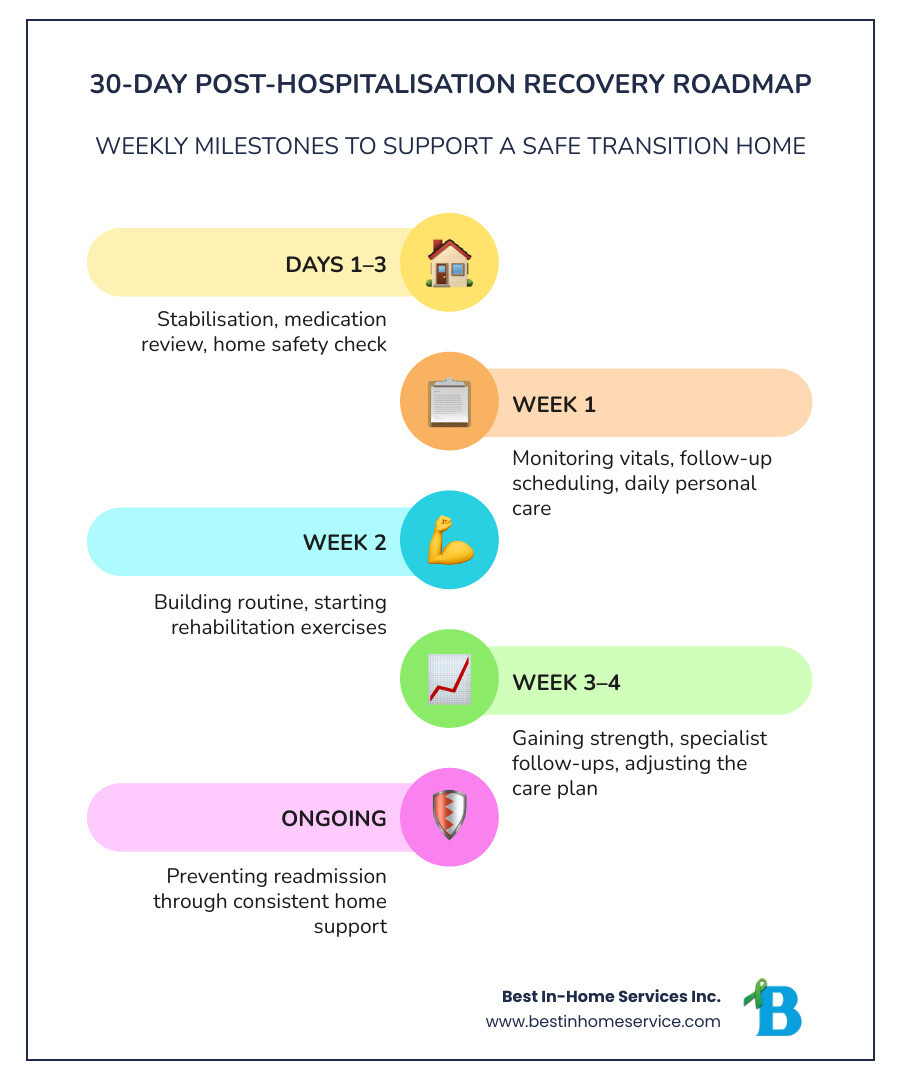
Here is a quick overview of what it involves:
| Stage | What Happens |
|---|---|
| Days 1–3 | Stabilisation, medication review, home safety check |
| Week 1 | Monitoring vitals, follow-up scheduling, daily personal care |
| Week 2 | Building routine, starting rehabilitation exercises |
| Week 3–4 | Gaining strength, specialist follow-ups, adjusting the care plan |
Getting this right matters more than most people realise. Nearly one in five patients discharged from hospital is readmitted within 30 days — and the most common reason is simply not having enough support at home after discharge.
For seniors and elderly individuals, the stakes are even higher. Even a short hospital stay can cause significant muscle loss, increase fall risk, and leave patients confused about new medications. Without structured help during recovery, small problems can quickly become serious ones.
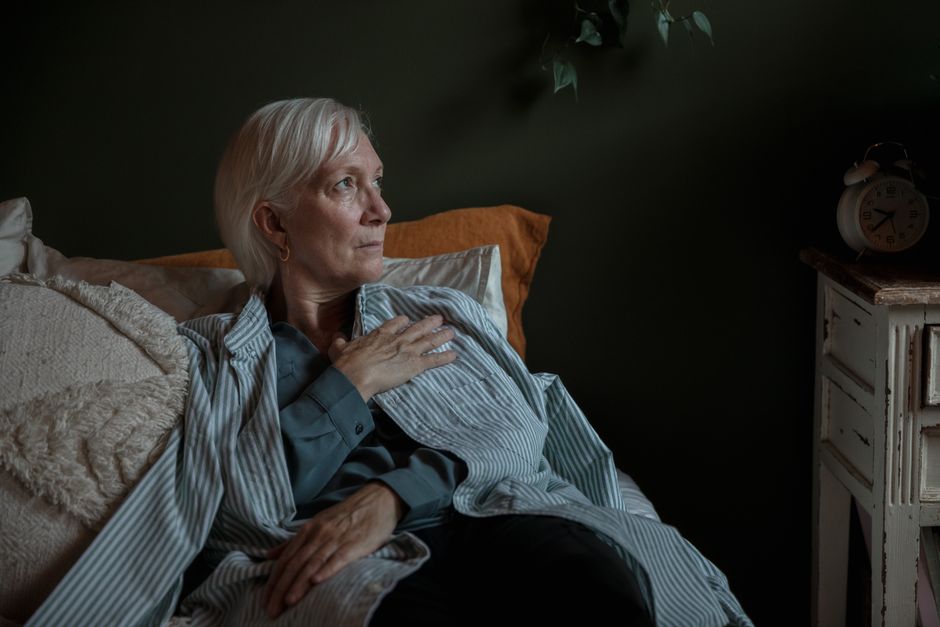
As one research review put it, patients described the post-hospital recovery experience as “being on an unreal, strange journey” — a reminder that the emotional and physical challenges of this period are very real for patients and families alike.
I’m Lily Harrison, General Manager at Best In-Home Services Inc., where I coordinate post-hospitalisation care for seniors and families across Chicago and Illinois every day. With years of experience helping clients navigate recovery through certified caregivers, personalised care plans, and 24/7 in-home support, I’ll walk you through everything you need to know in this guide.
Understanding Post Hospitalisation Care and Its Importance

When we talk about post hospitalisation care, we aren’t just talking about a “nice-to-have” service; we are talking about a medical necessity. It is the bridge between the high-intensity environment of a hospital and the comfort of home. Its primary goal is to ensure a smooth recovery and, most importantly, prevent a relapse that lands you right back in a hospital bed.
The NHS Social Care Guide notes that care after a stay involves assessing what you can do for yourself and where you need a helping hand. Whether it’s managing a new surgical wound or navigating a complex list of new prescriptions, the transition period is when the risk of error is highest. We have found that a smooth transition home requires a proactive approach that starts before the patient even leaves the hospital ward.
Why Structured Support Matters in 2026
In May 2026, the healthcare landscape in Illinois—from Chicago to Naperville—is more focused than ever on “value-based care.” This means hospitals want you to stay healthy at home. Statistics show that one in five patients are readmitted within 30 days, often due to a lack of adequate support. Structured support reduces complications like infections and falls, providing families with the peace of mind that their loved one isn’t just “getting by” but is actually thriving.
The Critical First 72 Hours
The first three days after discharge are the most volatile. This is the “stabilization” phase. During this time, we focus on medication reconciliation—ensuring that the medications you took before the hospital don’t clash with the new ones prescribed at discharge. We also monitor vitals and ensure the home environment is set up to support immediate needs. Having professional support during these 72 hours can literally be a lifesaver.
Exploring Post-Acute Care Settings and Options
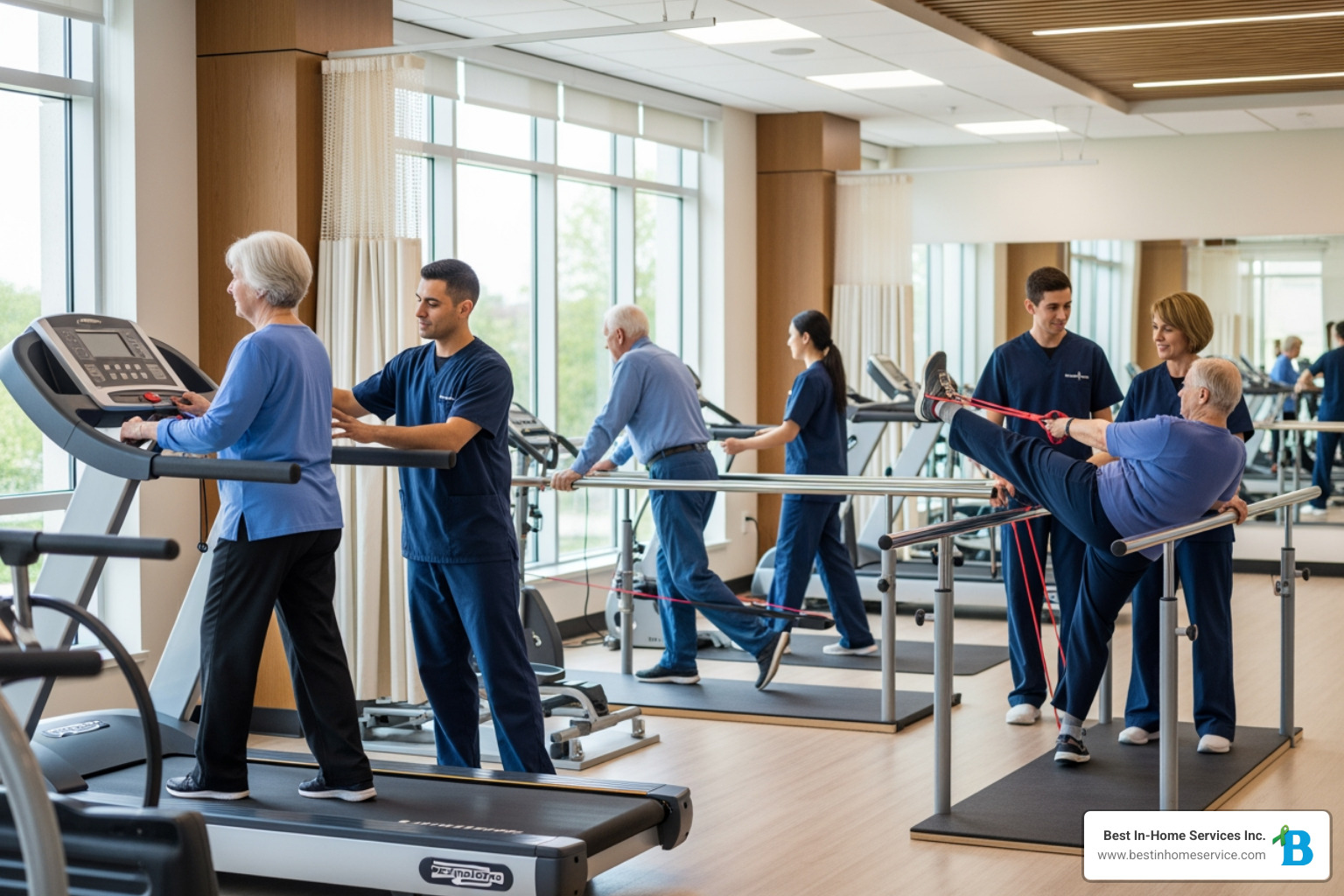
Not every patient goes straight home. Depending on the severity of the illness or surgery, several post-acute options might be discussed as part of discharge planning. Understanding these helps families make informed decisions about the safest next step.
- Home Health Care: This involves medical professionals, such as nurses or therapists, coming to the home. It is ideal for patients who are homebound but still need clinical monitoring. You can learn more about navigating home health care to see how it may fit into a recovery plan.
- Temporary Facility-Based Recovery: Some patients may need short-term recovery support in a licensed care setting before returning home if they are not yet stable enough for independent living.
- Outpatient Rehabilitation: If the patient is mobile enough to travel safely, outpatient physical or occupational therapy may be part of the recovery process.
- Palliative Support: For patients with serious illness, the focus may shift toward comfort, symptom relief, and quality of life.
Choosing the Right Environment for Recovery
When deciding where recovery should happen, we always encourage families in Cook County and DuPage County to look at three things: medical needs, functional independence, and long-term goals. If the goal is to return to independent living, a home-based setting with the right supplemental support is often the most effective option for both safety and emotional well-being.
Intermediate Care and Reablement
Reablement is a term used for short-term support designed to help a person regain independence. Instead of doing everything for the patient, therapists and caregivers work with them to rebuild movement, confidence, and daily living skills. This kind of support can be an excellent bridge back to a normal routine.
Preparing for Discharge: A Step-by-Step Transition Plan
Discharge day is often a whirlwind of paperwork and instructions. It’s easy to feel overwhelmed. However, the MSD Manual emphasizes that the hospital will discharge you as soon as you are “medically stable,” even if you aren’t “healed.”
Planning Your Post Hospitalisation Care Journey
You should never leave the hospital without a written discharge summary. This document is your “recovery bible.” It should include:
- A clear diagnosis and a list of procedures performed.
- A complete medication list, noting what is new and what has been stopped.
- Activity restrictions (e.g., “no lifting over 5 pounds”).
- Wound care instructions if applicable.
Coordinating with Healthcare Providers
Before you pull out of the hospital parking lot, ensure follow-up appointments are booked. Ideally, you should see a primary care physician within 7 days and any specialists within 14 days. We also recommend calling your local pharmacy in Buffalo Grove or Skokie to ensure they have your new prescriptions ready for pickup immediately.
Overcoming Challenges and Risks During Recovery
Recovery isn’t always a straight line. There are “potholes” along the way that we work hard to help our clients avoid.
| Risk Factor | Prevention Strategy |
|---|---|
| Falls | Clear pathways, install grab bars, ensure proper lighting. |
| Medication Errors | Use a pill organizer and reconcile “pre-hospital” vs “post-hospital” meds. |
| Infections | Strict handwashing and following wound care protocols exactly. |
| Dehydration | Keep water within reach and monitor fluid intake daily. |
Maximizing mobility is a key part of avoiding these risks. The more a senior stays active (safely), the lower the risk of complications like pneumonia or blood clots.
Addressing Mental Health in Post Hospitalisation Care
Physical healing is only half the battle. Many patients, especially those who were in the ICU, suffer from “Post-Intensive Care Syndrome,” which includes anxiety, depression, or cognitive “fog.” Furthermore, we can’t forget the caregivers. Up to 30% of relatives of intensive care survivors report their own health symptoms due to the stress of caregiving. Managing chronic illness at home requires emotional support just as much as medical support.
Managing Physical Deconditioning
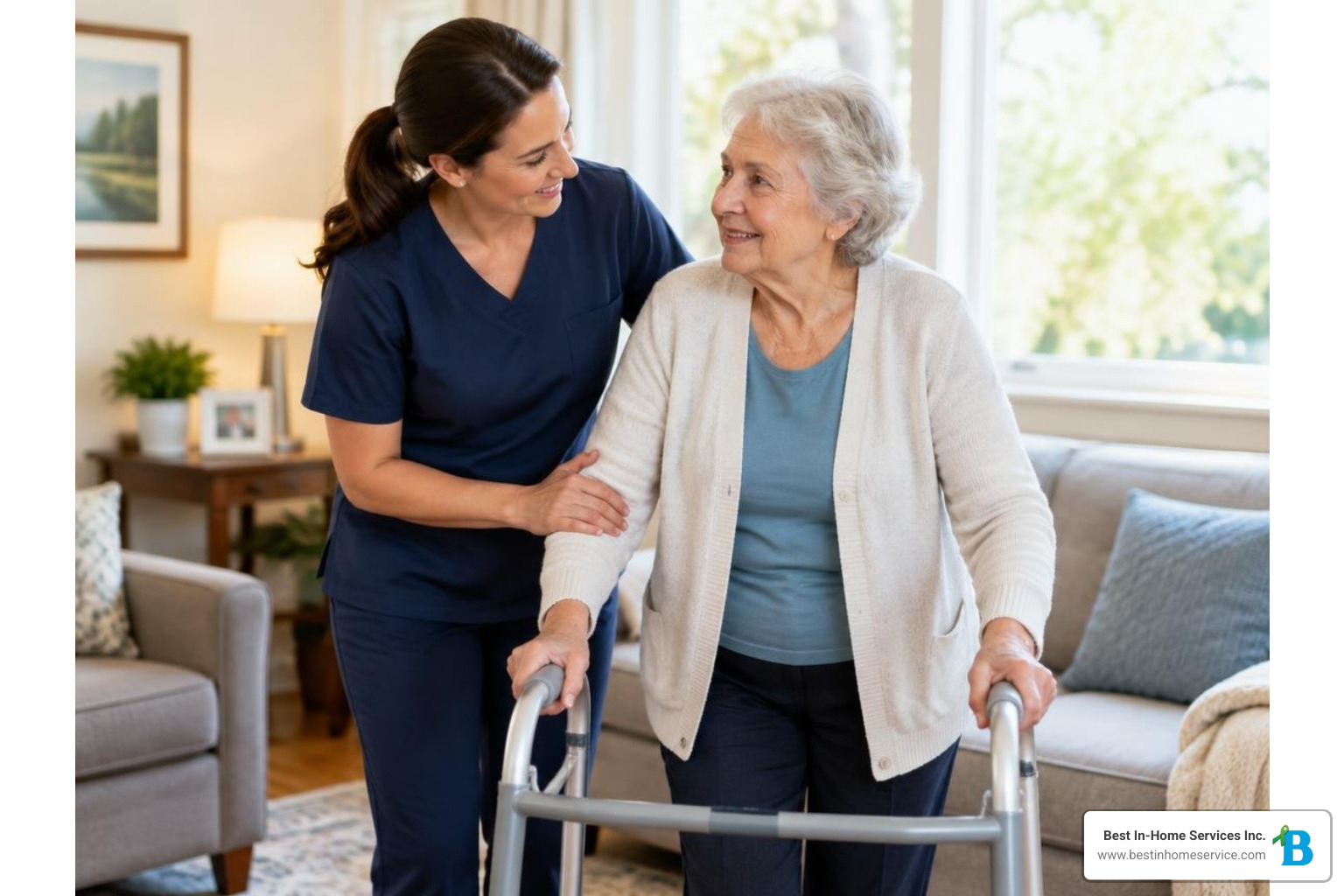
Did you know that even a few days of bed rest can cause significant muscle loss in seniors? This “deconditioning” makes the first week home very dangerous for falls. We focus on gradual activity—starting with simple movements in bed and progressing to assisted walking—to rebuild that lost strength.
Practical Home Support and Caregiver Strategies
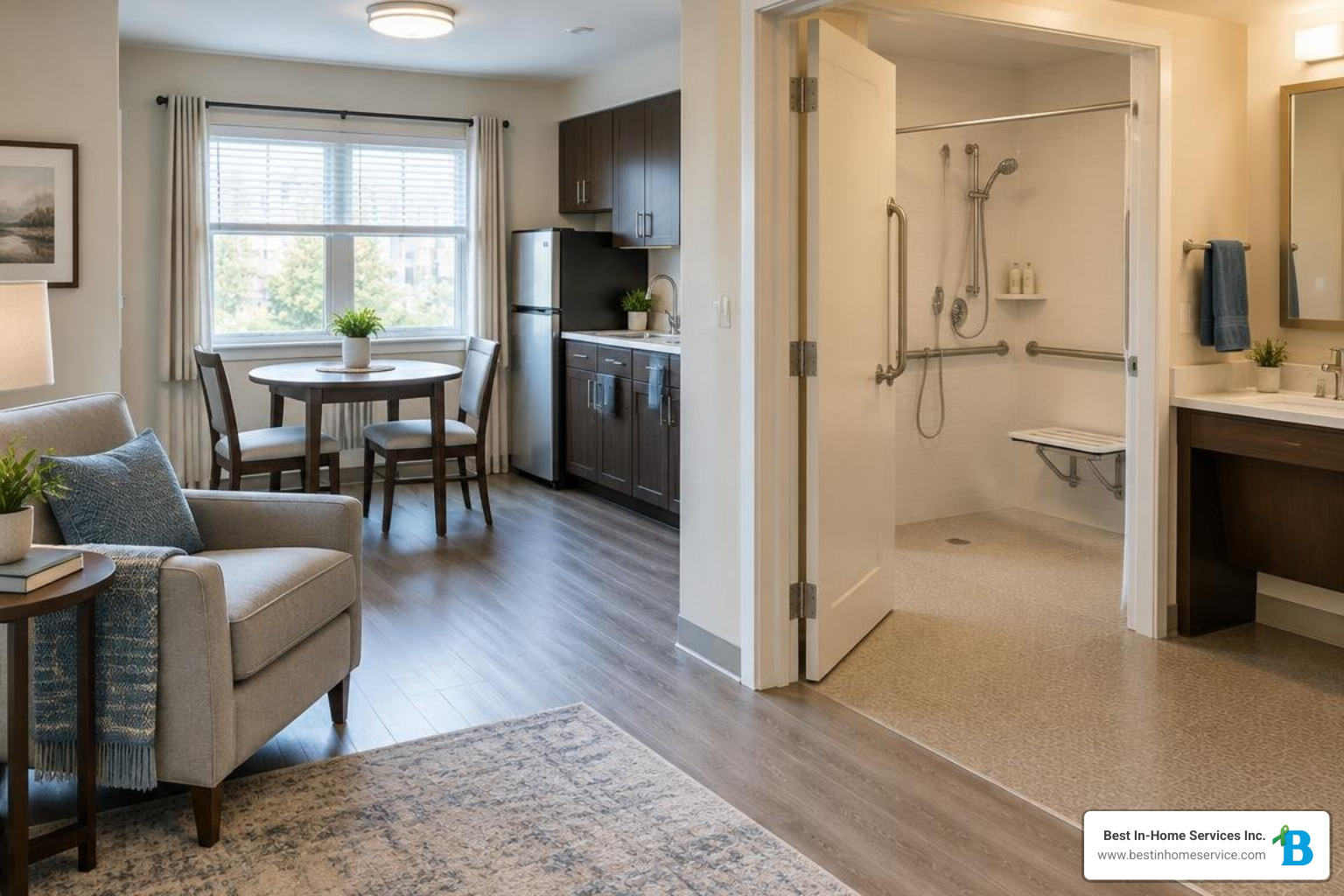
Your home needs to change to accommodate the recovery process. A home safety assessment is a great first step.
Creating a Supportive Recovery Space
- Clear the Floor: Remove loose rugs and electrical cords that could cause a trip.
- Lighting: Use nightlights in hallways and bathrooms.
- The “Recovery Station”: Set up a comfortable chair or bed with a side table containing a phone, water, medications, and the TV remote all within easy reach.
- Nutrition: Proper nutrition and meal planning is vital. Focus on lean proteins and high-fiber foods to help the body repair itself and prevent constipation (a common side effect of pain meds).
Daily Care Coordination
A caregiver’s role is often that of a “Project Manager.” This includes managing the appointment schedule and providing household help so the patient can focus entirely on getting better.
Medical vs. Non-Medical In-Home Care: Choosing the Right Support
One of the most frequent questions we get at Best In-Home Services Inc. is: “What’s the difference between medical and non-medical care?”
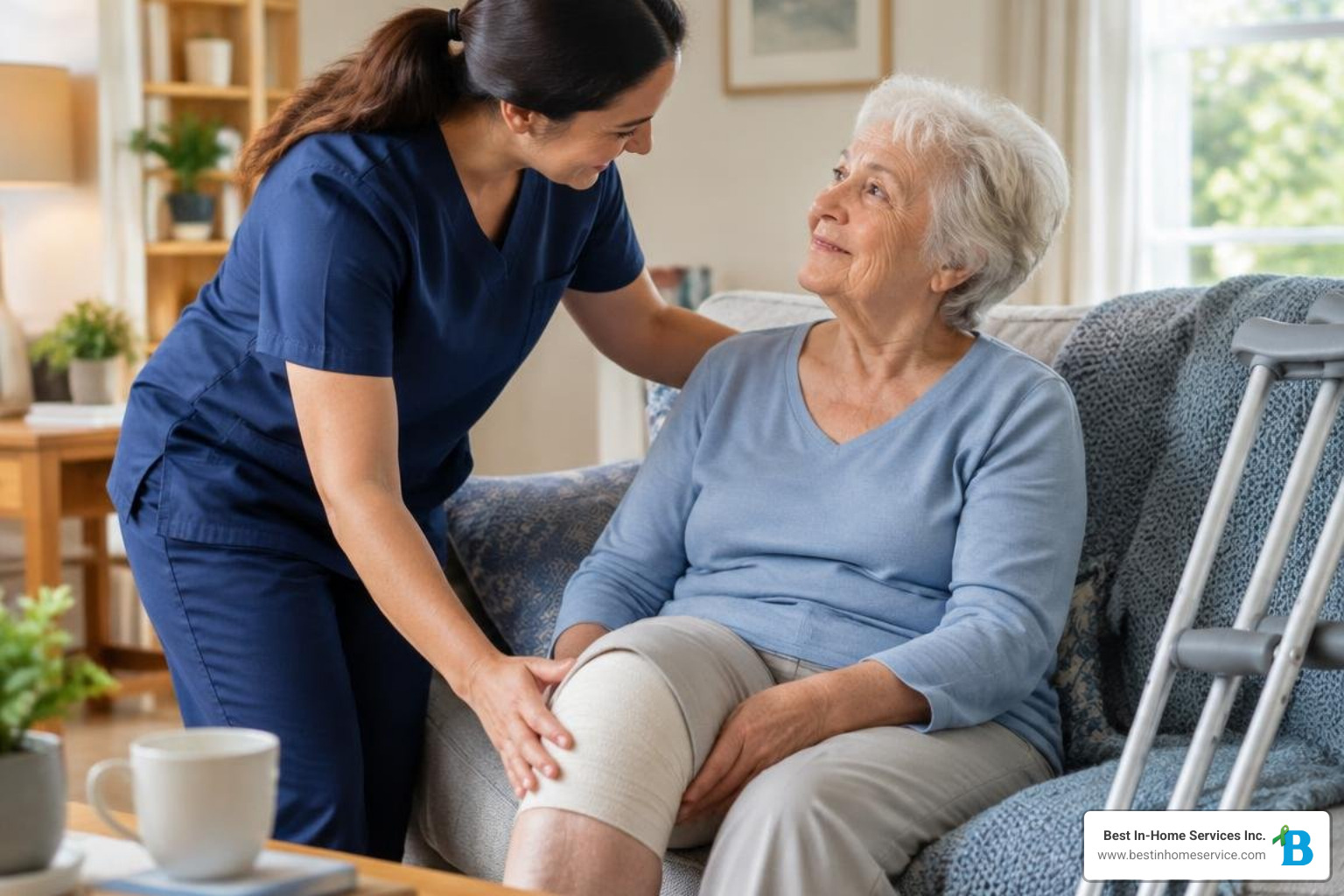
- Medical Care (Skilled Care): Provided by licensed nurses or therapists. This includes giving injections, changing complex sterile dressings, or performing physical therapy.
- Non-Medical Care (Personal Care): Provided by certified caregivers. This includes help with “Activities of Daily Living” (ADLs) like bathing, dressing, meal prep, and companionship.
Most families find that a combination of both is the “sweet spot” for post hospitalisation care. While a nurse might visit twice a week, a caregiver can be there 24 hours a day to ensure the patient never falls and always takes their meds on time.
When to Hire Professional Support
Professional support is highly recommended if the patient:
- Is recovering from major surgery (hip/knee replacement, heart surgery).
- Is bedridden or has limited mobility.
- Has a complex wound that needs monitoring.
- Lives alone or has a primary caregiver who works full-time.
Specialized Care for Complex Scenarios
Certain conditions require a more tailored approach. For example, diabetic management involves strict blood sugar monitoring and foot care. Similarly, those with dementia need a calm, consistent environment to prevent “hospital delirium” from worsening after they return home.
Frequently Asked Questions about Post Hospitalisation Care
What are the most common reasons for hospital readmission?
The “Big Three” are medication errors (taking the wrong dose or missing a dose), falls, and infections. Often, these happen because the patient is exhausted and confused by the discharge instructions, leading to a “care gap” once they are home.
How soon should I see my doctor after being discharged?
You should aim to see your primary care physician within 7 days. This visit is crucial for a “post-discharge check-up” where the doctor can review the hospital’s findings and adjust your long-term care plan.
Is post-hospital care covered by insurance or Medicare?
Medicare and most private insurance plans generally cover “Skilled” (medical) home health care if it is ordered by a doctor. However, “Non-Medical” care (like help with bathing or cooking) is often not covered by standard Medicare, though it may be covered by long-term care insurance or private pay.
Conclusion
Recovery is a marathon, not a sprint. Whether you are in Chicago, Hinsdale, or Lake Forest, the key to a successful journey home is preparation and support. At Best In-Home Services Inc., we specialize in providing that “extra set of hands” that makes all the difference. From certified dementia care to 24/7 recovery support, our goal is to keep you safe in the comfort of your own home.
If you’re feeling overwhelmed by an upcoming discharge, don’t wait until the last minute. We offer a Free Assessment to help you build the perfect roadmap for your recovery. You can also explore our full guide on what to expect from home care after surgery to get even more specific tips for your situation.
Let us help you turn that “strange journey” of recovery into a predictable, safe, and successful path back to health.



 1-224-636-5200
 1-224-636-5210
  425 Huehl Rd 13B Northbrook IL 60062