
Planning Post-Surgery Care at Home in Chicago
Before leaving the hospital, get written instructions for medications, wound care, movement limits, follow-up visits, and warning signs. At home, clear walking paths, put everyday items within easy reach, and arrange help with meals, bathing, and getting around. Follow the surgeon’s plan for pain relief and rehabilitation, and call the care team if a symptom concerns you. Seek emergency help for chest pain or trouble breathing.
Recovery can make ordinary tasks hard, especially for an older adult living alone. Non-medical help at home can support daily routines, but it does not replace a nurse, physical therapist, or surgeon. Arranging post surgery care Chicago families can rely on often means bringing in-home non-medical support for safe daily routines while the medical team guides recovery.
I’m Lily Harrison, General Manager at Best In-Home Service Inc., where I help coordinate non-medical care for older adults.
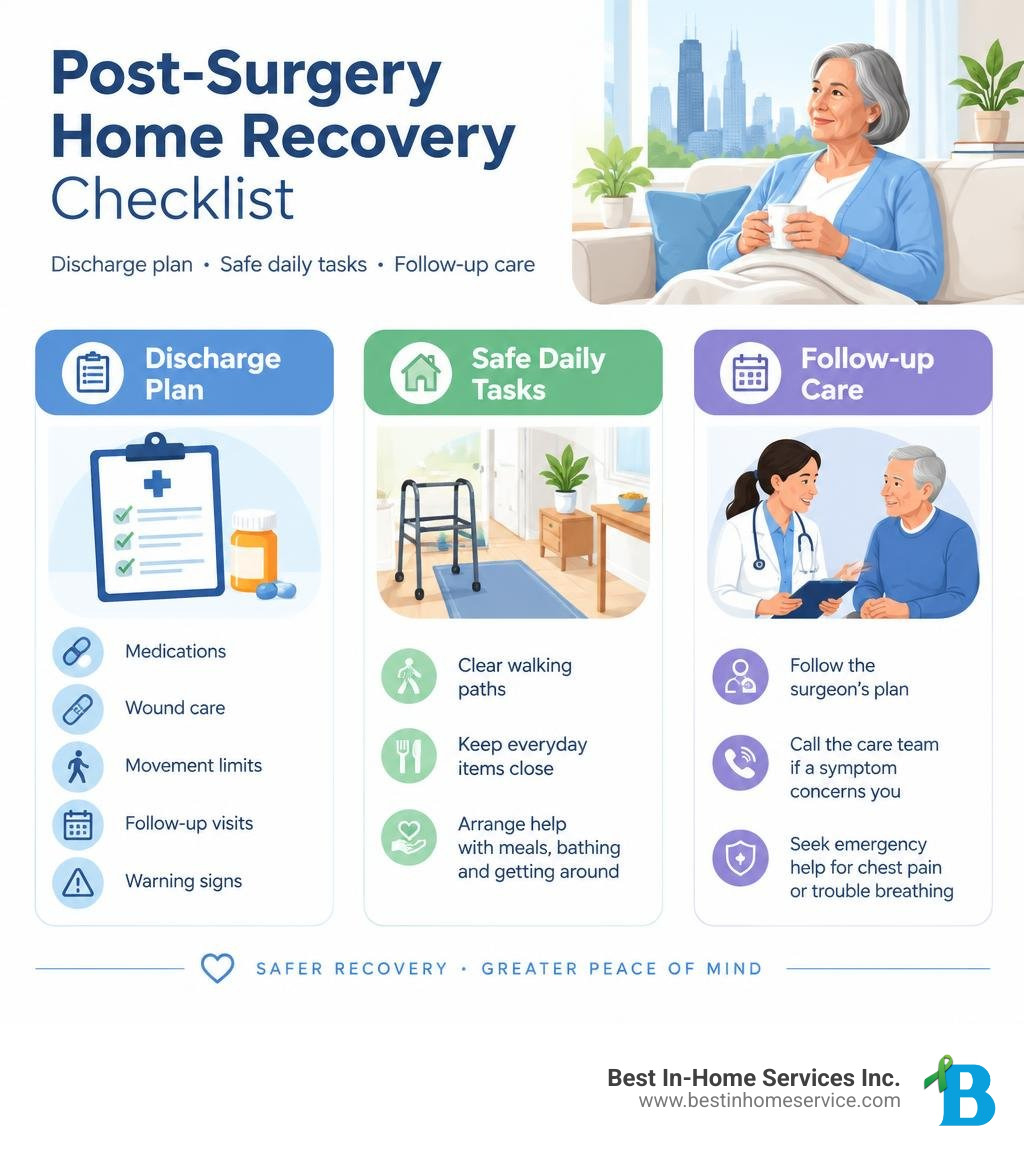
Quick look at post-surgery recovery resources:
Preparing Your Home and Managing Daily Tasks After Hospitalization
Returning home from a hospital stay in the Chicago area is a major milestone, but healing takes time and preparation. Simple daily activities such as bending over to pick up a dropped remote, standing at the stove to cook dinner, or stepping over a high bathtub ledge can suddenly feel like navigating an obstacle course. Preparing the living environment before discharge helps minimize unnecessary strain and supports a smoother healing process.
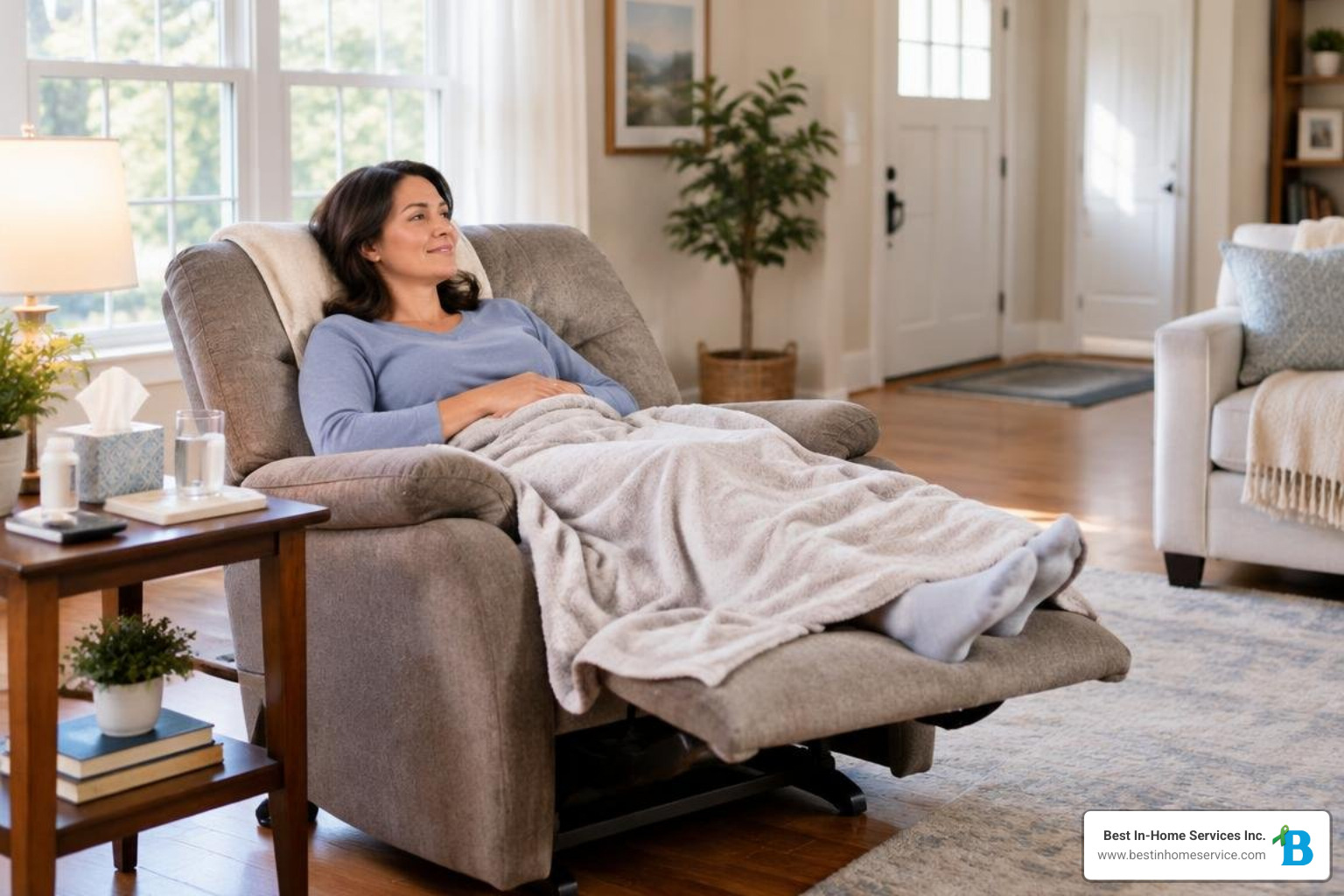
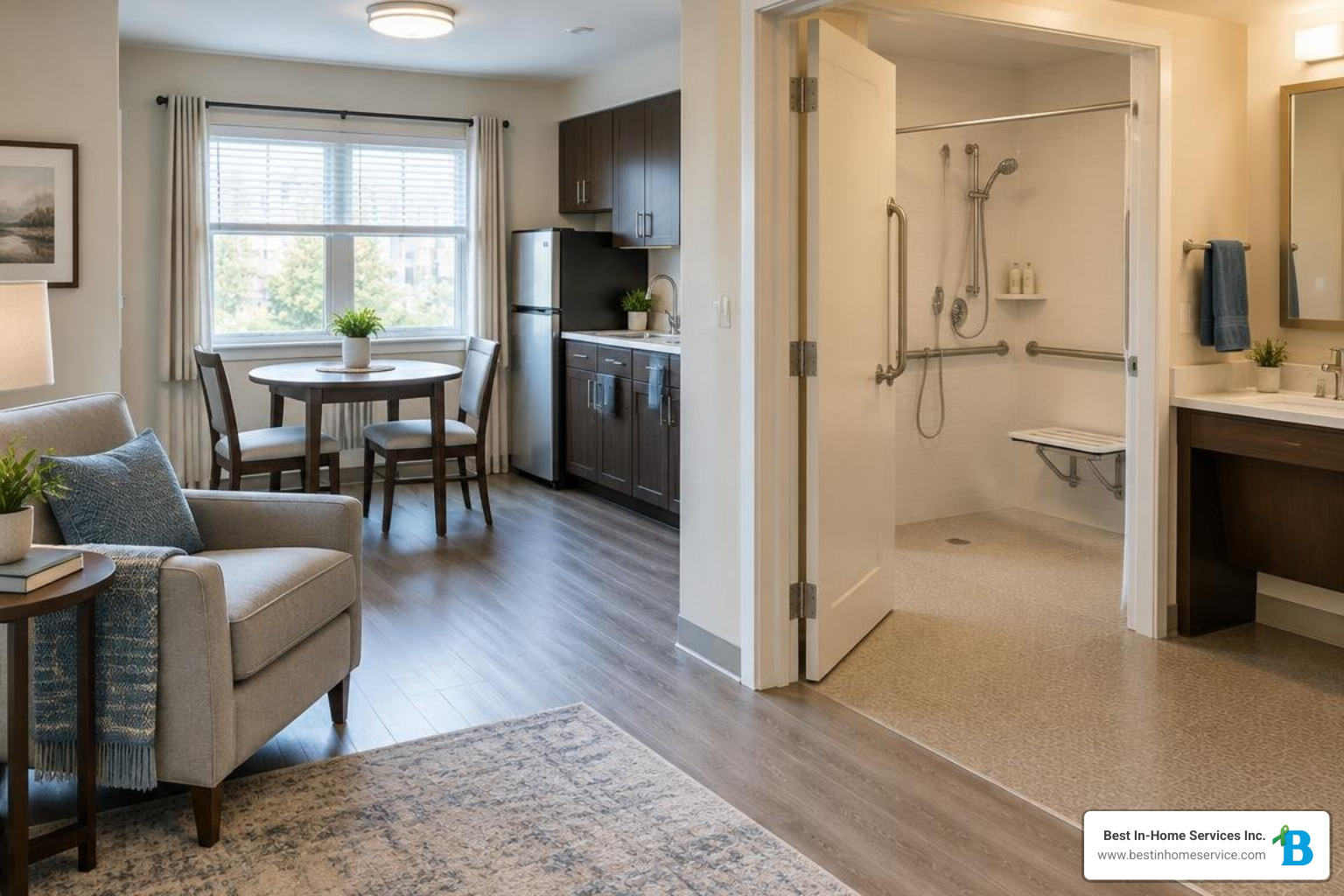
Setting up a dedicated recovery zone is one of the most practical steps you can take. Ideally, this should be on the main floor of your home to avoid stairs during the initial days. Ensure that essential items – including phone chargers, reading materials, fresh water, and clinician-prescribed medications – are placed between waist and shoulder height so you do not have to stretch or stoop.
Following practical post-hospital discharge essential tips also involves arranging assistance with domestic routines. Standing for long periods to prepare balanced meals or doing heavy laundry can interfere with mandatory rest. Arranging for light housekeeping, grocery shopping, and meal preparation ensures proper nutrition without exceeding physical limitations.
Mobility Assistance and Fall Prevention Strategies
Temporary loss of balance, stiffness, and weakness are common following surgery and anesthesia. Implementing fall prevention strategies inside the home creates a secure environment for moving around safely:
- Remove tripping hazards: Pick up throw rugs, clear away electrical cords, and relocate low coffee tables from primary walking paths.
- Enhance lighting: Place nightlights along hallways, entryways, and bathrooms to illuminate pathways during nighttime trips.
- Secure the bathroom: Install non-slip mats inside the shower, utilize a shower chair, and position stable grab bars near the toilet.
- Use prescribed assistive devices: Keep walkers, crutches, or canes within arm’s reach rather than trying to balance by holding onto furniture.
For individuals experiencing significant physical deconditioning, learning strategies for getting back on your feet after hospital discharge under professional guidance helps rebuild functional stability over time.
Arranging Non-Medical Post Surgery Care Chicago Families Rely On
While clinical care, wound assessment, and specialized physical therapy are handled by licensed medical providers, managing everyday household tasks and personal care routines often requires extra hands. When arranging non-medical post surgery care, Chicago families across Cook, Lake, and DuPage counties – including communities in Evanston, Skokie, Lincolnwood, Schaumburg, and Naperville – frequently utilize in-home caregivers to handle practical daily challenges.
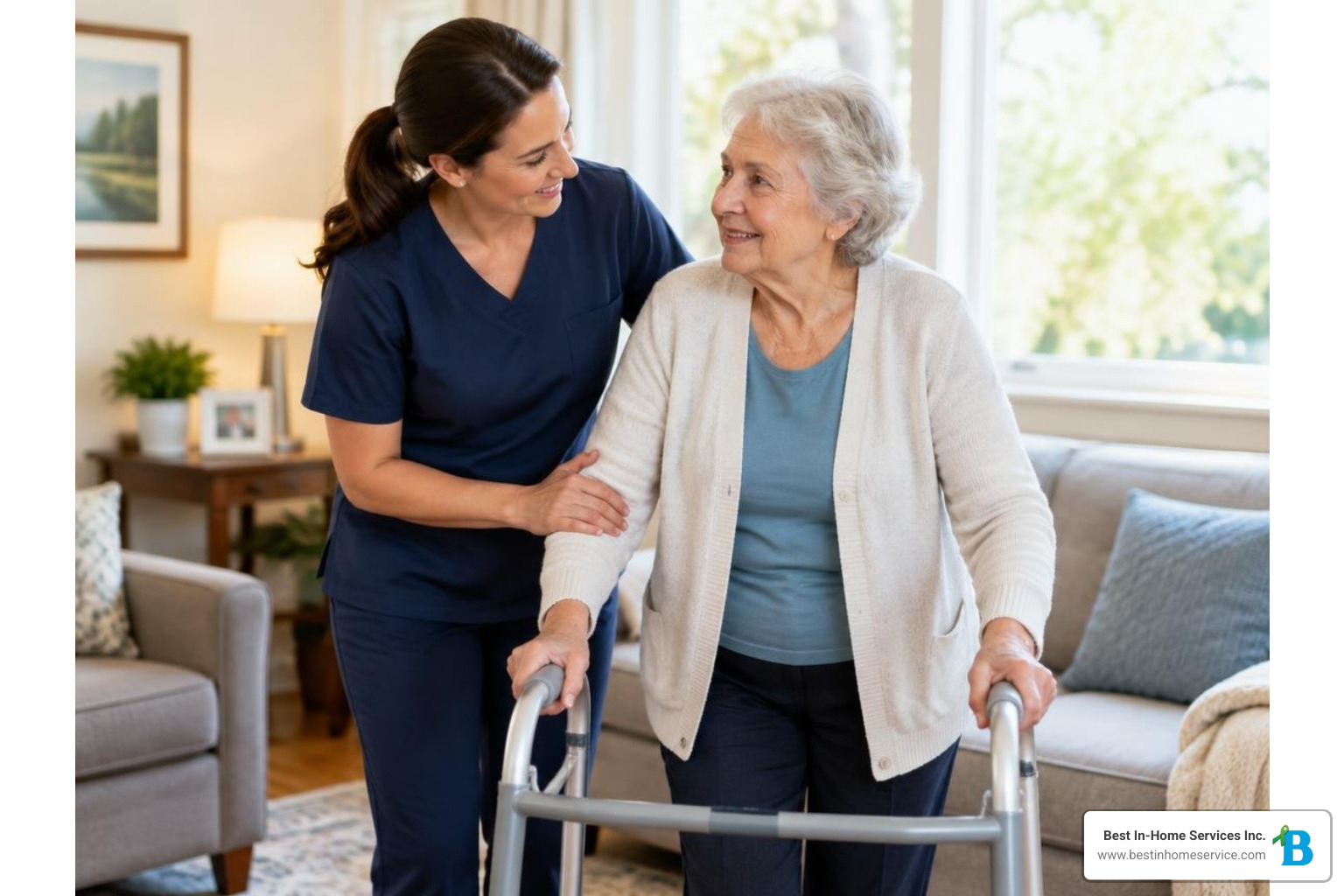
Professional caregivers assist with non-medical activities of daily living (ADLs), such as gentle transfer assistance, dressing, bathing, and grooming. They can also manage homemaking chores, run errands to local pharmacies, and provide reliable companionship, easing the burden on family members. When planning recovery assistance, navigating Chicago home care options allows families to build a predictable, structured support system tailored to their loved one’s specific non-clinical needs.
Essential Elements of Post Surgery Care Chicago Patients Need
A successful recovery requires strict adherence to discharge orders issued by your surgical and nursing team. Practicing proactive communication and understanding clinical guidelines – such as standard postoperative care guidelines – protects your surgical site and promotes tissue healing.
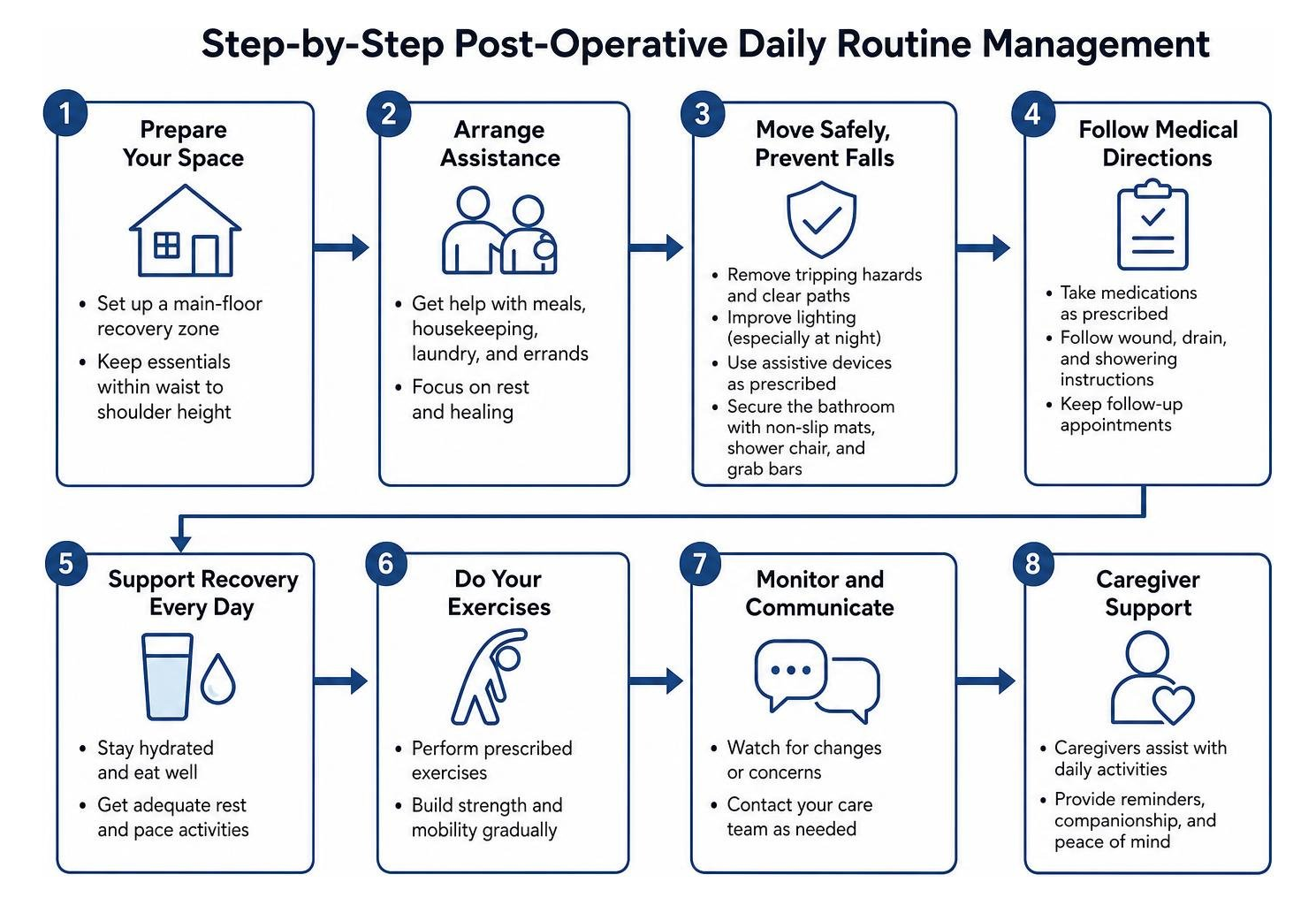
Following essential post-hospitalisation care and recovery steps means organizing each day around your medical team’s directives. Non-medical caregivers support these efforts by offering timely reminders for exercises prescribed by physical therapists, keeping hydration accessible, and maintaining a calm, restful household environment.
Following Wound-Care, Drain, and Showering Instructions
Wound care protocols vary widely depending on the surgical procedure performed. Whether you have simple surgical glue, steri-strips, staples, or specialized Jackson-Pratt (JP) drains, strict adherence to your surgeon’s instructions is critical.
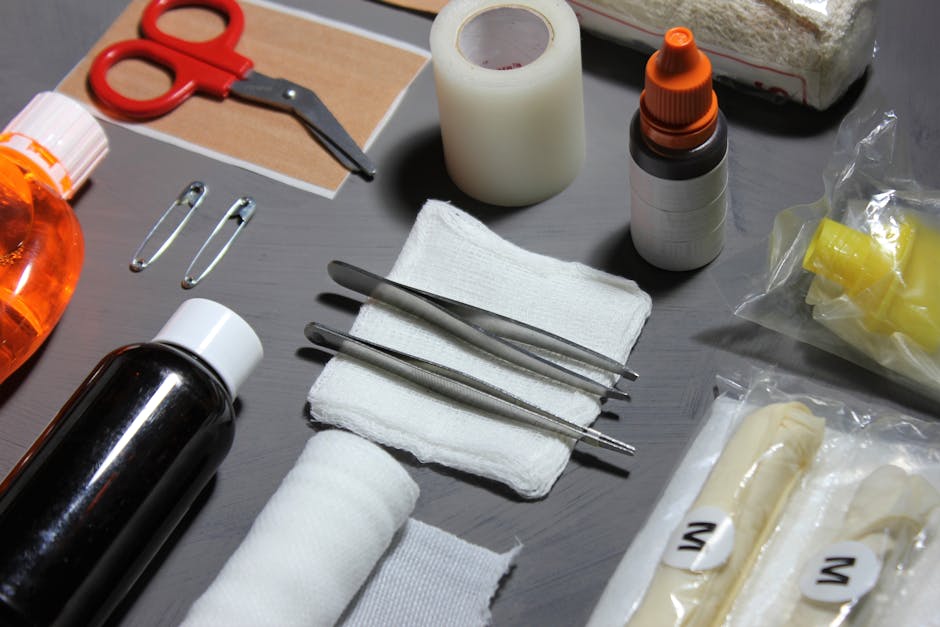
- Keep incisions clean and dry: Unless your doctor specifically authorizes showering, keep surgical dressings dry. For many procedures, showering is restricted for the first 48 hours or until drains and sutures are removed. Sponge bathing is often recommended during this initial window.
- Protect incision strips: If steri-strips were applied, do not pick at or peel them away prematurely; allow them to loosen and fall off naturally as instructed by your clinician.
- Manage surgical drains properly: If you have JP drains, milk the tubing and empty the bulb according to your medical team’s instructions (typically every 8 to 12 hours or when half full). Record fluid output amounts carefully to share with your surgeon during follow-up evaluations.
Following Pain-Relief and Medication Instructions Safely
Effective pain management is essential for resting comfortably and engaging in early movement exercises. Your physician may prescribe short-term narcotic analgesics, non-steroidal anti-inflammatory drugs, or over-the-counter options such as acetaminophen:
- Adhere to dosing limits: Always take medications strictly as directed. If your plan includes acetaminophen alongside combination pain relievers (like Norco or Percocet), ensure you do not exceed the physician’s maximum daily limit (often 3,000 to 4,000 mg within 24 hours).
- Take medications with food: To prevent stomach upset, take oral pain relievers with a light snack or meal unless instructed otherwise.
- Incorporate elevation and ice: Elevating an operated limb above heart level and applying cold packs (using a 20-minute on, 20-minute off cycle with a protective cloth barrier) helps manage localized swelling and discomfort naturally.
- Follow blood clot prevention protocols: Take prescribed blood thinners (such as daily aspirin or anticoagulant therapy) for the full duration specified by your doctor to lower the risk of deep vein thrombosis.
Recognizing Warning Signs and Post-Op Complications
While mild soreness, low energy, and minor swelling are expected after surgery, certain symptoms indicate potential complications that require swift medical evaluation. Contact your surgical team or primary care provider immediately if you notice:
- A persistent body temperature or fever above 100.4°F to 101°F (depending on your surgeon’s specific threshold)
- Sudden, worsening redness, severe heat, or foul-smelling drainage around the incision site
- New or spreading swelling, tenderness, warmth, or severe cramping in either calf
- Pain that is severe, sudden, or unmanaged by prescribed medications
- An inability to urinate or empty your bladder within 24 hours after surgery
Note: For sudden chest pain, shortness of breath, sudden coughing up blood, or loss of consciousness, call 911 or proceed to the nearest emergency department immediately.
Navigating Rehabilitation Plans and Recovery Timelines for Common Surgeries
Rehabilitation protocols are tailored to the type of procedure, tissue healing rates, and your baseline physical fitness. Clinical physical therapy typically begins within 24 to 48 hours following many orthopedic procedures to restore initial joint mobility and promote circulation.
| Surgical Procedure | Typical Weight-Bearing / Movement Limits | Common In-Home Recovery Milestone | General Daily Support Needs |
|---|---|---|---|
| Meniscus All-Inside Repair | Non-weight bearing (crutches/brace) for up to 2 weeks | 0–90° knee range of motion by week 2; brace locked straight for sleeping | Meal prep, mobility assistance, medication reminders |
| Total Joint Replacement (Knee / Hip) | Weight-bearing as tolerated with walker or cane | Independent indoor walking with assistive device within 1–3 weeks | Transfer assistance, fall prevention, personal care support |
| Abdominal Surgery / Abdominoplasty | Avoid lifting over 10 lbs; maintain slight bend when walking | Continuous compression garment wear; drain removal at 1–2 weeks | Sponge bathing support, homemaking, drain log tracking reminders |
| Spine / Lumbar Procedures | Strict “no bending, lifting, or twisting” (BLT) restrictions | Gentle walking progression; gradual resumption of light daily tasks | Dressing/shoe assistance, meal delivery, light housekeeping |
Following Instructions for Orthopedic and General Procedures
Procedures such as knee arthroscopy or meniscus repairs involve precise movement parameters. According to established meniscus repair post-op instructions, patients frequently need to wear a protective brace locked in full extension during sleep and while walking, while performing ankle pump exercises regularly throughout the day to support blood circulation.
For abdominal operations, abdominal binders or compression garments must be worn consistently to support deep tissue healing and minimize swelling. Having a non-medical caregiver available to handle heavy lifting, reach high cupboards, or assist with daily sponge baths ensures you do not compromise internal sutures.
Supporting Strength and Long-Term Independence
Progressing from hospital discharge to full independence involves small, consistent daily steps. Working closely with licensed clinical therapists ensures you do not advance your exercise intensity faster than your tissues can heal.
For older adults, choosing rehab support after a hospital stay can make a significant difference in regaining stamina. Non-medical home aides complement clinical physical therapy by encouraging adherence to home exercise schedules, preparing protein-rich meals to fuel tissue repair, and providing reliable walking accompaniment around the house.
Frequently Asked Questions About Post-Surgery Recovery
How do patients qualify for post surgery care Chicago support at home?
Non-medical post-surgery home care does not require a formal clinical diagnosis, insurance pre-authorization, or a doctor’s prescription. Any individual needing assistance with daily living activities – such as bathing, dressing, meal preparation, or mobility support – can arrange private home care services directly. When looking into care agencies, evaluating Chicago home care providers helps families identify licensed, experienced agencies that align with their personal schedules and household needs.
What factors influence the cost of non-medical in-home post-surgery care?
The cost of in-home care in Chicago varies according to the level of assistance required, the number of scheduled hours, the specific care schedule, and whether specialized, overnight, weekend, or transportation support is needed. Agencies typically maintain a standard 3-hour visit minimum per shift. Because each recovery plan is unique, families should request a personalized in-home consultation to discuss their specific scheduling preferences and receive an accurate quote.
When is it safe to return to driving and work after surgery?
Resuming driving and returning to work depends entirely on your surgeon’s clearance, the nature of your procedure, and your job duties. In general, you must be completely off prescription narcotic pain medications and possess normal reaction time, physical strength, and mobility to execute an emergency stop safely. For sedentary desk work, many patients return within 10 to 14 days, whereas physically demanding jobs may require several weeks or months of recovery.
How soon after surgery should physical therapy begin?
For many orthopedic and musculoskeletal procedures, physical therapy evaluations and gentle range-of-motion exercises begin within 24 to 48 hours post-op. Early mobilization helps reduce swelling, prevents joint stiffness, and lowers the risk of blood clots. Always follow the precise therapy schedule provided by your surgeon.
Conclusion
Recovering safely at home after surgery requires careful preparation, strict adherence to medical discharge instructions, and reliable everyday support. Having reliable help for household tasks, personal grooming, and mobility reduces unnecessary stress, allowing you to focus your energy entirely on healing and regaining your strength.
At Best In-Home Services Inc., we provide dependable, non-medical home care support tailored to your unique recovery schedule. As an Illinois-licensed home care agency based in Northbrook, IL, our dedicated caregivers assist with personal care, meal preparation, light housekeeping, and medication reminders throughout Cook, Lake, and DuPage counties – including Chicago, Skokie, Evanston, Glenview, Highland Park, and surrounding communities.
To learn more about structuring non-medical support for your recovery, read our comprehensive guide on home care after surgery in Illinois or contact our team directly at 224-636-5200 to schedule a personalized in-home care consultation.





 1-224-636-5200
 1-224-636-5210
  425 Huehl Rd 13B Northbrook IL 60062