
What Happens to Seniors When They Stay in the Hospital Too Long
Elderly deterioration in hospital is more common — and more serious — than most families expect. Many people assume a hospital stay means getting better. But for older adults, the opposite can happen at the same time: while doctors treat the original illness, the hospital environment itself can quietly cause new harm.
Here’s a quick summary of the key risks:
| Risk | What Happens |
|---|---|
| Muscle loss | 1-3% of muscle strength lost per day during bed rest |
| Functional decline | 50% of older patients experience it during hospitalization |
| Delirium | Develops in up to 22.9% of older hospitalized adults |
| Cognitive decline | More than doubles after a hospital stay |
| Post-discharge harm | Adverse events occur in 19-28.7% of patients after going home |
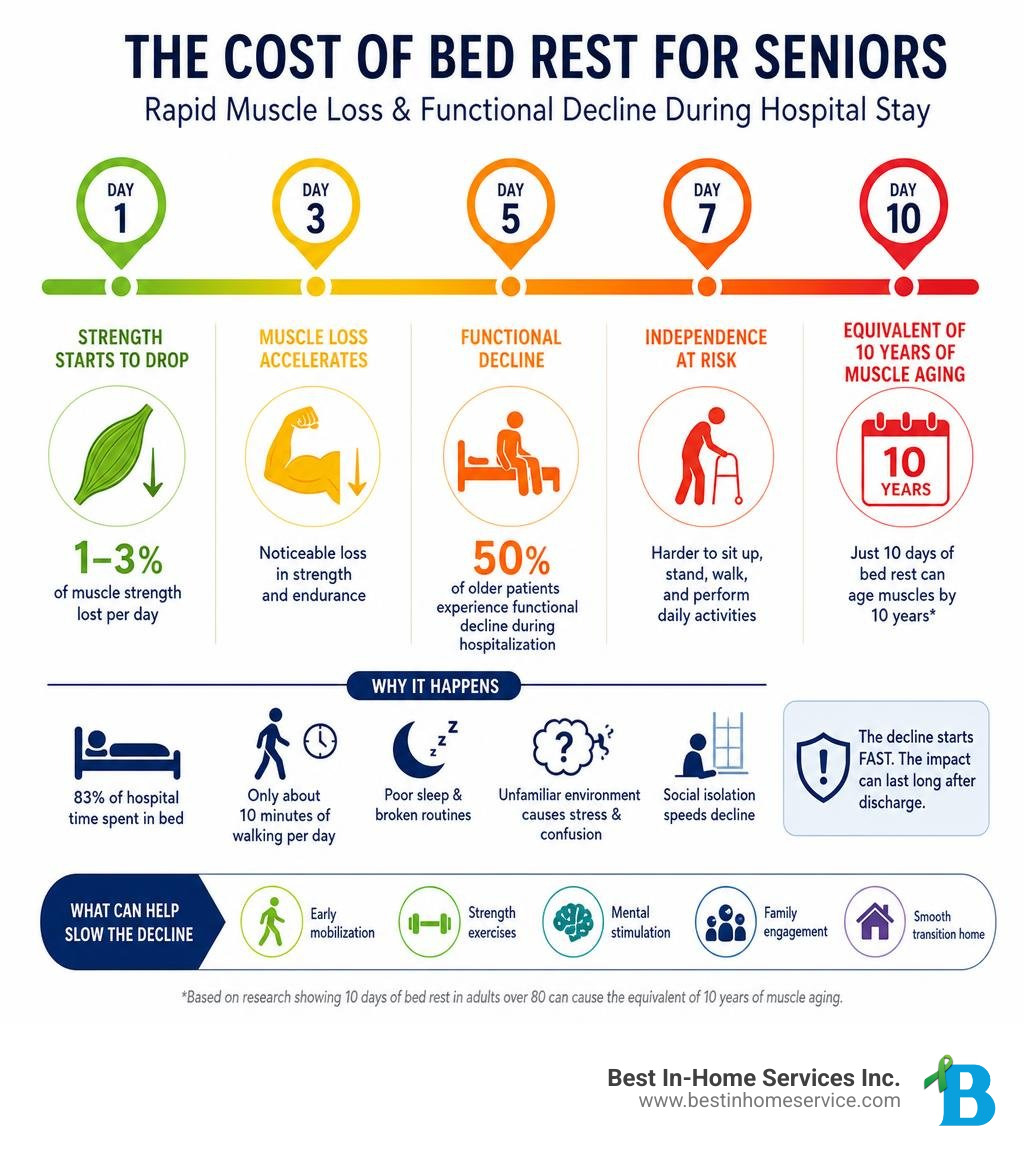
The problem starts fast. Seniors spend around 83% of their hospital time in bed — with only about 10 minutes of walking per day. For an adult over 80, just 10 days of bed rest can cause the equivalent of 10 years of muscle aging. And it’s not just physical: the unfamiliar environment, broken routines, poor sleep, and social isolation can trigger confusion, anxiety, and lasting cognitive decline.
Most families don’t see it coming. As one caregiver put it: “She went in walking and came out barely able to stand.”
I’m Lily Harrison, General Manager at Best In-Home Services Inc., and through years of coordinating in-home care for Chicago-area seniors — including many recovering from hospital stays — I’ve seen how elderly deterioration in hospital can reshape a person’s independence almost overnight. In the sections below, I’ll walk you through exactly what causes this decline, what the research says, and what you can do about it.
Important info about elderly deterioration in hospital:
The Physical and Cognitive Toll of Hospitalization on Seniors
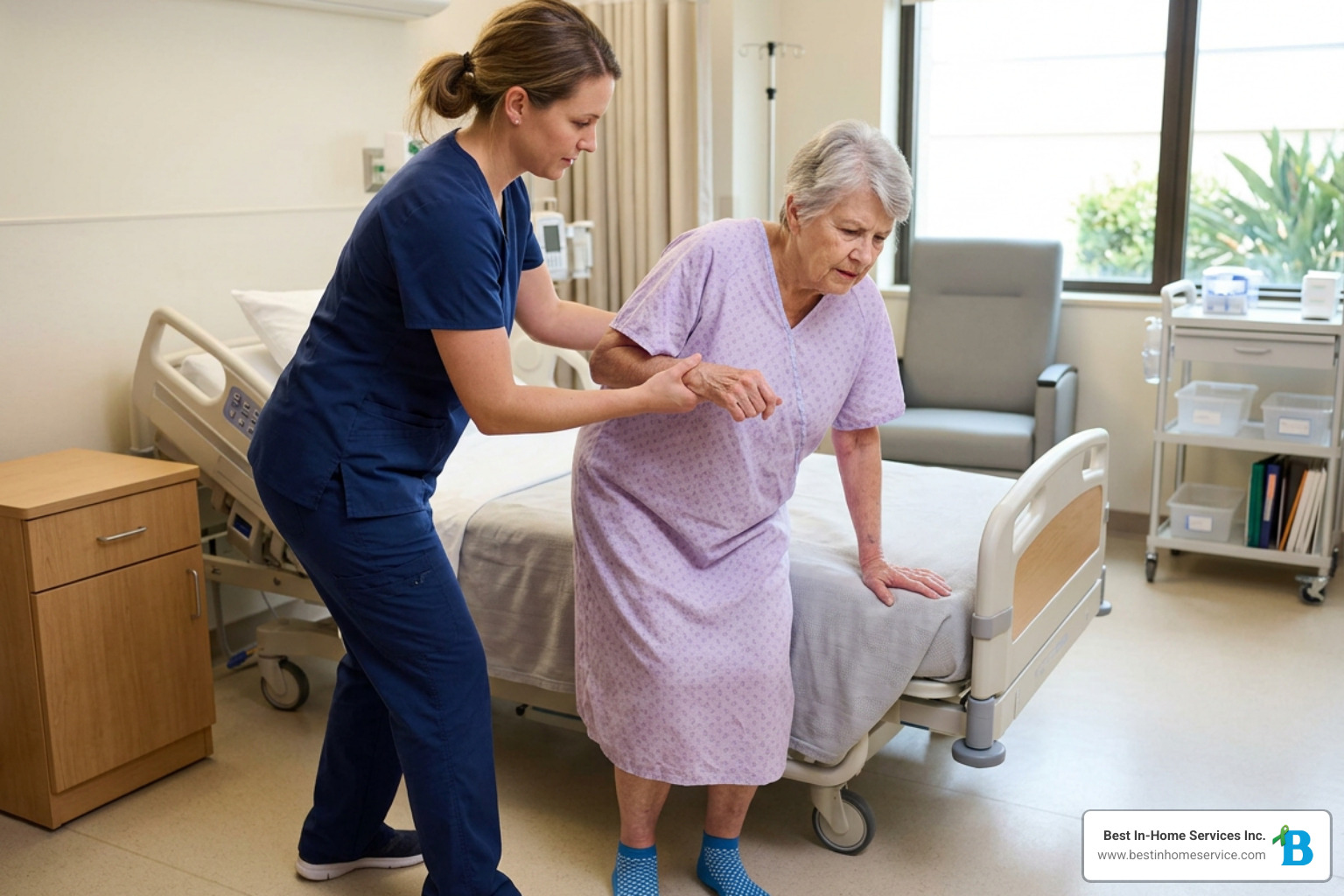
When an older adult is admitted to an acute care ward, the clinical focus is naturally on stabilizing their acute medical issue—whether that is pneumonia, a cardiovascular event, or a fractured bone. However, this narrow focus often comes at a steep price. The physical and cognitive toll of the hospital environment can be devastating, frequently resulting in a secondary crisis: hospital-acquired disability.
Research indicates that hospitalization is strongly associated with the subsequent development of disability within 30 days of admission. In fact, for at least a third of elderly patients, hospital stays directly contribute to or worsen physical disabilities, leaving them less capable of managing basic activities of daily living (ADLs) like bathing, dressing, and walking than they were before they fell ill.
Furthermore, the mental impact is just as severe. According to a landmark study, Scientific research on post-hospitalization cognitive decline, cognitive decline more than doubles after a hospital stay for elderly patients. This is not a temporary blip; for many seniors, it marks the acceleration of permanent cognitive impairment. If your loved one is struggling to walk or stand after returning home, our Guide on recovering mobility after hospital stay offers practical recovery strategies.
Hospital-Associated Deconditioning: A Rapid Decline
Hospital-associated deconditioning is the rapid loss of physical strength, muscle mass, stamina, and balance that occurs during periods of enforced inactivity. In older adults, this decline happens with frightening speed.
When a senior is confined to a hospital bed, they lose approximately 1% to 3% of their muscle strength for every single day of bed rest. Because older adults already have reduced physiological reserves, this loss is magnified. For an individual over the age of 80, 10 days of bed rest can cause up to 10 years’ worth of muscle aging.
This phenomenon is heavily exacerbated by “pyjama paralysis”—a term coined by healthcare professionals to describe the psychological and physical state where patients remain in their pajamas or hospital gowns all day. Staying dressed in sleepwear reinforces a “sick role,” discouraging patients from sitting up, walking, or engaging in basic self-care, which further accelerates functional decline.
Cognitive and Psychological Harms
The psychological impact of a hospital stay on an older adult can be profound. The combination of sensory deprivation (lacking normal social interactions and daily routines) and sensory overload (constant monitor alarms, bright fluorescent lights, and interrupted sleep) creates a perfect storm for mental distress.
Delirium—a sudden, acute state of severe confusion and disorientation—is one of the most common and dangerous cognitive complications. In one large study of older adults admitted to internal medicine wards, 22.9% developed delirium during their stay. Delirium is not just a passing phase of confusion; it is a medical emergency that is independently linked to longer hospital stays, a higher likelihood of discharge to a nursing facility, and increased mortality.
Beyond delirium, the hospital environment frequently triggers or worsens:
- Anxiety and Depression: The loss of control, fear of medical procedures, and lack of familiar faces can make hospitalization a primary risk factor for new or worsening depressive symptoms.
- Social Isolation: Being separated from spouses, family members, and beloved pets, combined with limited meaningful human interaction on busy wards, leads to deep emotional distress and withdrawal.
Understanding the Root Causes of Elderly Deterioration in Hospital
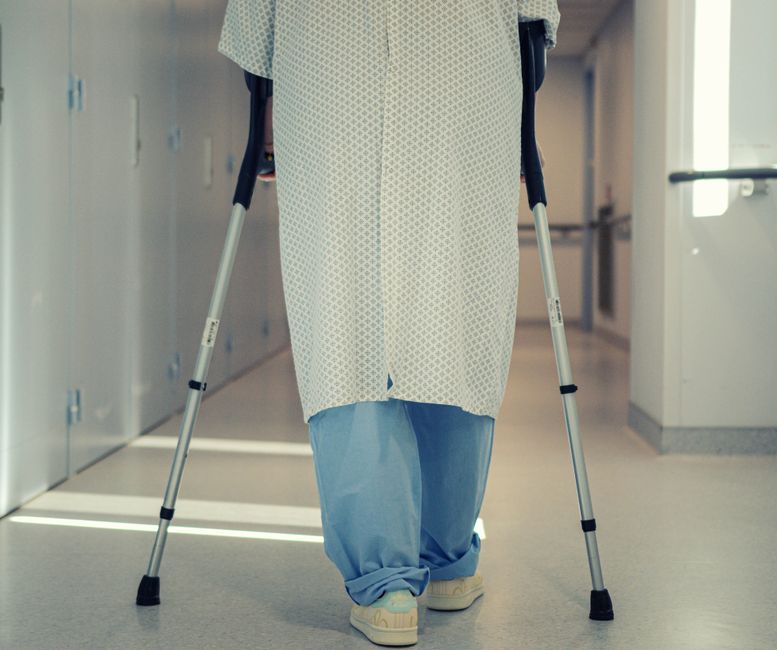
To prevent elderly deterioration in hospital, we must first understand the structural, environmental, and clinical factors that drive it. Acute care hospitals are fundamentally designed around the treatment of acute, infectious, or traumatic conditions. They are rarely designed to accommodate the complex, multi-system vulnerabilities of a frail older adult.
Several daily hospital practices directly contribute to this decline:
- Restricted Mobility: Due to fall-risk protocols, staffing shortages, or a lack of physical therapy resources, seniors are often actively discouraged from walking. This results in them spending an average of 83% of their hospital stay in bed, walking for only about 10 minutes per day.
- Sleep Deprivation: Round-the-clock vital sign checks, early morning blood draws, noisy corridors, and bright lights disrupt natural circadian rhythms, leading to severe sleep fragmentation.
- Polypharmacy and Adverse Drug Events: The number of medications prescribed to an elderly patient frequently increases during admission—growing from an average of 16 to 23 drugs. Adverse drug events occur in roughly 11% of geriatric patients during their stay, often caused by drug-drug interactions or age-related changes in drug metabolism.
How Frailty and Cognitive Impairment Accelerate Elderly Deterioration in Hospital
Older adults do not enter the hospital as blank slates; they bring pre-existing vulnerabilities that interact dynamically with the hospital environment. Frailty—a biological syndrome characterized by decreased physiological reserve and vulnerability to stressors—is a major predictor of poor outcomes.
According to a comprehensive Systematic review on frailty and adverse events, hospitalized older patients living with frailty are at a significantly higher risk of experiencing hospital-related adverse events compared to non-frail patients. These include:
- Hospital-Acquired Infections: Frail seniors face a 10.6% to 11.5% prevalence of hospital-associated infections, such as pneumonia or urinary tract infections (UTIs).
- Falls and Pressure Injuries: Reduced mobility and physical weakness make in-hospital falls highly common, while prolonged pressure on fragile skin can cause tissue necrosis in as little as two hours.
When frailty is combined with pre-existing cognitive impairment (such as dementia), the risk of developing these overlapping “geriatric syndromes” increases exponentially.
Environmental and Institutional Barriers to Care
The physical design of most modern hospitals presents significant barriers to safe, dignified care for seniors. Strikingly, research shows that only 14% of hospitals have physical environments that are appropriate for patients with a cognitive impairment.
Seniors with dementia or mild cognitive decline rely heavily on environmental cues—such as natural light, clear signage, and familiar faces—to remain oriented. In a typical hospital ward, uniform corridors, lack of visible clocks or calendars, and high noise levels lead to profound disorientation.
To manage the resulting confusion or exit-seeking behaviors, hospitals sometimes resort to restrictive practices, including physical restraints or chemical sedation. Additionally, the routine use of indwelling urinary catheters—often inserted for the convenience of tracking fluid output rather than clinical necessity—further restricts mobility, increases UTI risks, and contributes directly to functional decline.
Redesigning Acute Care: Systems-Level Solutions and Alternatives
Reducing elderly deterioration in hospital requires a fundamental shift in how health systems approach acute geriatric care. Hospitals must evolve from places that merely treat diseases to “Age-Friendly Health Systems” that actively preserve a senior’s physical and mental baseline.
This transition involves implementing evidence-based clinical protocols, such as:
- Mobility Protocols: Standardizing early mobilization programs (such as the #EndPJparalysis campaign) that mandate patients get out of bed, get dressed in their own clothing, and walk daily unless strictly contraindicated.
- Nutrition and Hydration Support: Providing assisted feeding, addressing poor oral health, and ensuring patients are sitting upright for meals to prevent malnutrition, which currently affects up to 52% of acutely hospitalized seniors.
- Cognitive Reorientation: Minimizing room changes, keeping personal eyeglasses and hearing aids accessible, and maintaining clear day-night routines.
To illustrate the difference between traditional acute care and advanced, senior-specific care models, consider the following comparison:
| Care Dimension | Traditional Hospital Admission | Hospital at Home / Geriatric Care Models |
|---|---|---|
| Primary Environment | Sterile, unfamiliar hospital ward; high noise and artificial light. | Patient’s own home or specialized, low-stress geriatric unit. |
| Mobility Level | Restricted; average of 10 minutes of walking per day. | Encouraged; integrated into daily home routines and familiar spaces. |
| Cognitive Risk | High risk of delirium (up to 22.9%) due to disorientation. | Low risk; familiar surroundings and constant family presence. |
| Infection Risk | High exposure to multi-drug resistant nosocomial pathogens. | Minimal risk of hospital-acquired infections. |
| Care Delivery | Fragmented; rotating shift staff with limited geriatric training. | Multidisciplinary team delivering a Comprehensive Geriatric Assessment (CGA). |
Redesigning Systems to Prevent Elderly Deterioration in Hospital
Within the hospital walls, several specialized models of care have proven highly effective at mitigating decline:
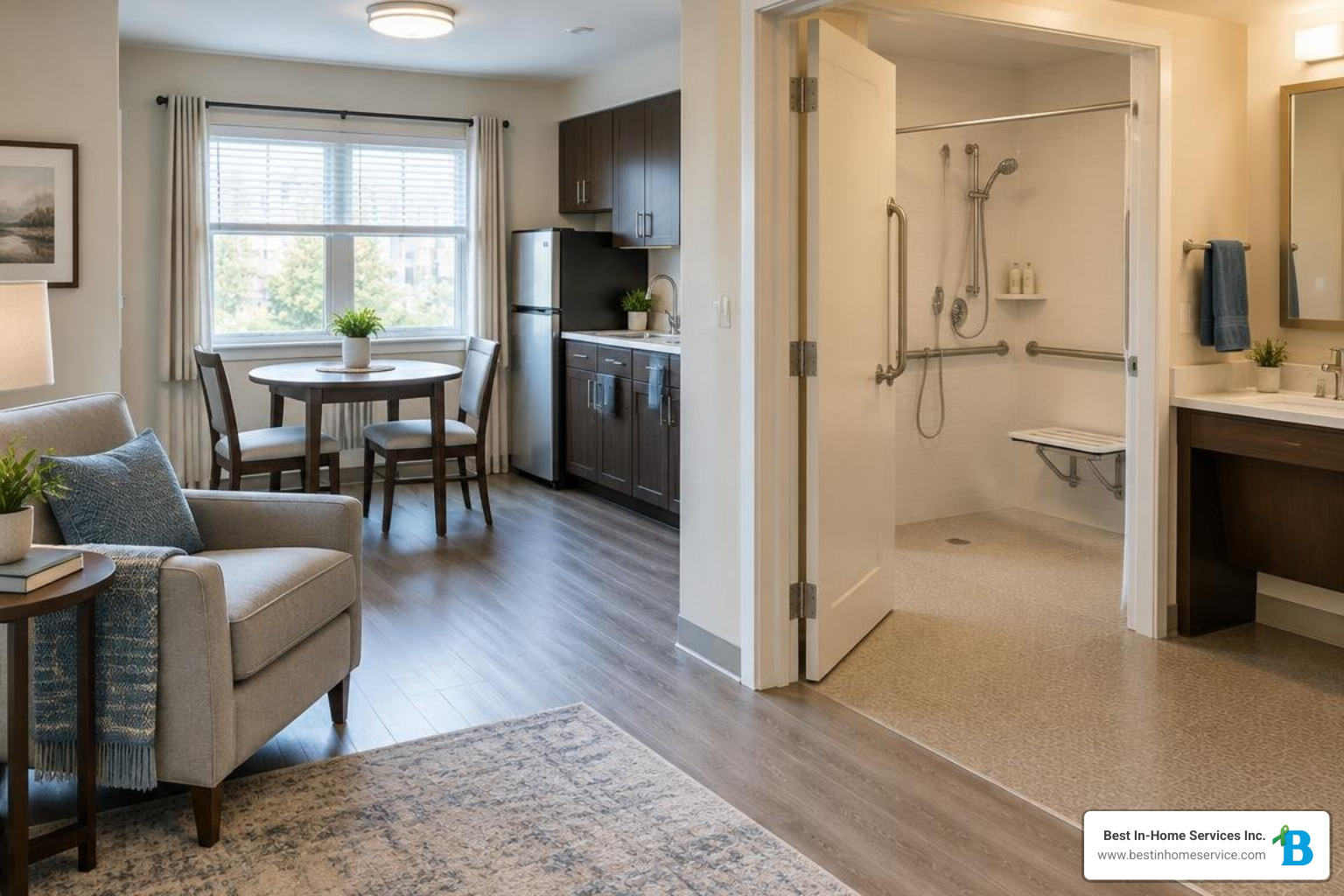
- Acute Care for Elders (ACE) Units: These specialized hospital wards feature physical environments designed for seniors (non-slip flooring, handrails, enhanced lighting) and are staffed by interdisciplinary geriatric teams.
- Hospital Elder Life Program (HELP): A targeted clinical program designed to prevent delirium and functional decline by utilizing trained volunteers to provide daily visitor reorientation, feeding assistance, early mobilization, and cognitive stimulation.
- Nurses Improving Care for Healthsystem Elders (NICHE): A national program that trains bedside nurses to act as geriatric resource specialists, ensuring age-friendly protocols are integrated into every department.
To track the effectiveness of these interventions, researchers use validated, multi-component outcome measures. The HAC-OP outcome measure study established a composite framework tracking five core hospital-associated complications of older people: delirium, functional decline, incontinence, falls, and pressure injuries.
The study revealed that at least one HAC-OP occurred in 44% of hospitalized seniors aged 65 or older with a stay of 72 hours or more. Crucially, those who experienced a complication had a significantly longer stay (9.1 days vs. 6.8 days), were far more likely to be discharged to a nursing home (31% vs. 11%), and faced double the risk of dying within six months (14% vs. 7%). By utilizing composite measures like HAC-OP, health systems can better evaluate and refine their geriatric care protocols.
The Power of Hospital at Home Alternatives
One of the most promising developments in modern medicine is the “Hospital at Home” model. This approach delivers acute-level medical care—including intravenous medications, continuous monitoring, and daily physician visits—directly in the patient’s home, completely bypassing the traditional hospital ward.
Central to this model is the Comprehensive Geriatric Assessment (CGA), a multidimensional diagnostic process that evaluates an older person’s medical, psychological, functional, and social capabilities to create a highly tailored treatment plan.
As detailed in the Evidence on Hospital at Home, clinical trials have shown that for selected frail older adults, Hospital at Home services deliver equivalent or superior clinical outcomes compared to traditional admission. Patients treated at home experience:
- Lower rates of in-hospital delirium and cognitive disruption.
- A reduced risk of hospital-acquired infections and pressure ulcers.
- Greater satisfaction with care and preserved functional independence.
- Lower overall costs to the healthcare system due to fewer readmissions and shorter overall treatment durations.
Scaling these models requires supportive healthcare policies, including flexible insurance reimbursement frameworks that recognize home-based acute care as a valid, high-quality alternative to traditional hospitalization.
Empowering Families: Practical Steps to Prevent Deconditioning
While systemic healthcare reforms are essential, families do not have to wait for hospital policies to change to protect their loved ones. Active family advocacy and hands-on involvement can dramatically reduce the risk of elderly deterioration in hospital.
By acting as partners in care, family members can provide the vital link that keeps an older adult oriented, active, and nourished. Here is a practical checklist of daily actions you can take during your loved one’s hospital stay:
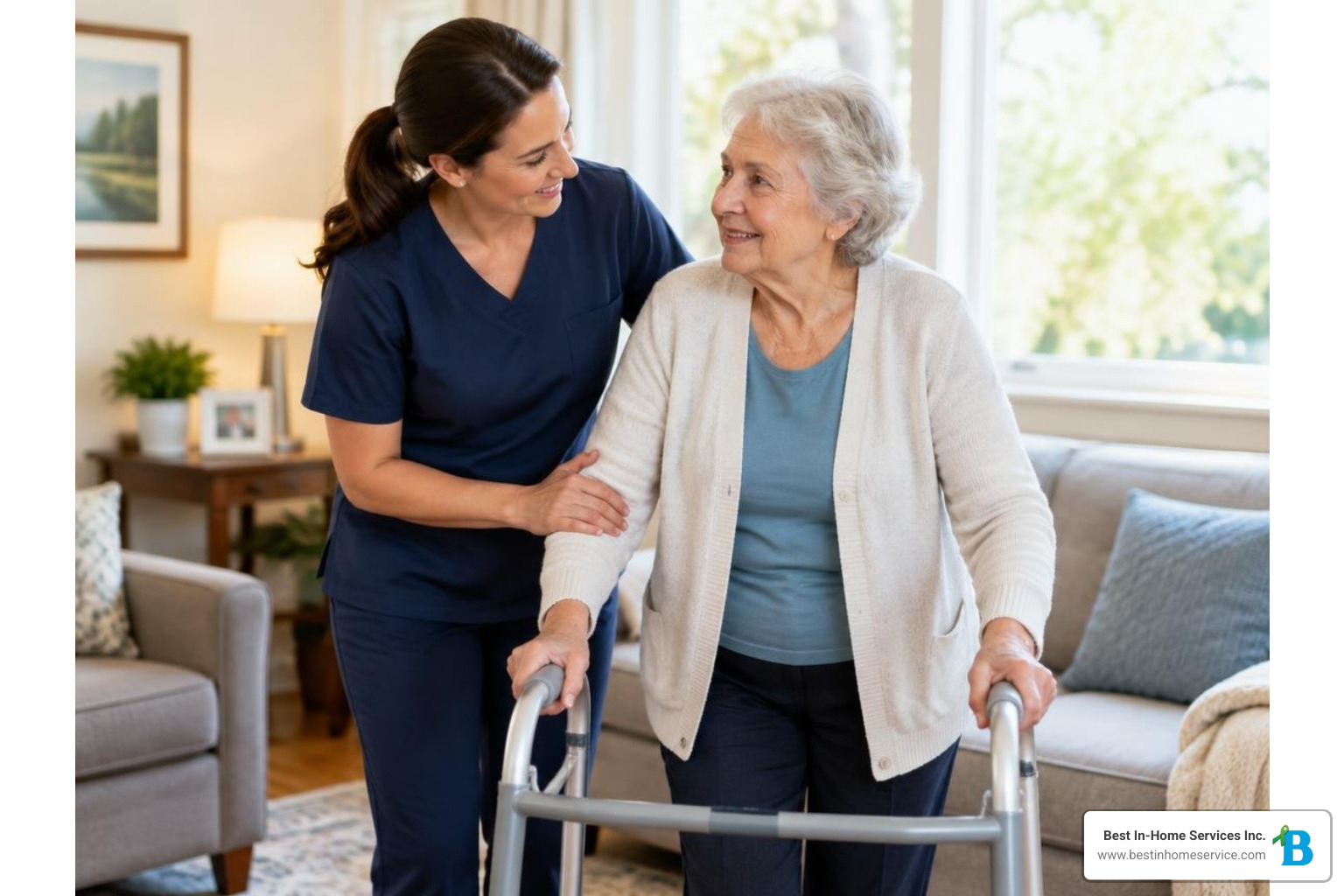
- Help Them Get Dressed Daily: Bring comfortable, loose-fitting street clothes and sturdy, non-slip shoes from home. Ask the nursing staff for assistance in getting your loved one out of their hospital gown and into regular clothes every morning.
- Encourage Movement, Little and Often: Unless strictly prohibited by a doctor, encourage your loved one to sit up in a chair for meals rather than eating in bed. If safe, assist them with short walks down the hallway or perform gentle bed-based stretching exercises. Always consult the care team before initiating mobility.
- Support Good Nutrition and Hydration: Hospital food can be unappealing, and poor dentition or swallowing issues can make eating difficult. Stay during mealtimes to help open containers, encourage fluid intake, or bring in healthy, doctor-approved favorite foods from home.
- Maintain Mental Stimulation: Bring in familiar items to prevent sensory deprivation. Pack their reading glasses, hearing aids (with fresh batteries), a clock, family photos, and mentally engaging activities such as crosswords, books, or favorite music.
- Advocate Against Unnecessary Restrictions: Ask the medical team daily if devices like urinary catheters, IV lines, or continuous monitors are still clinically necessary. The sooner these “tethers” are removed, the sooner your loved one can move freely.
Navigating the Post-Discharge Transition and Reducing Risks
The danger of elderly deterioration in hospital does not end when the discharge papers are signed. In fact, the first 30 days after leaving the hospital represent an incredibly vulnerable window. Post-discharge adverse events occur in 19.0% to 28.7% of home-bound patients within a month of discharge, frequently driven by medication errors, falls, or unresolved infections.
Transitions of care are notoriously complex. Information can be lost between hospitalists and primary care physicians, and discharge summaries often fail to document critical geriatric syndromes. For instance, studies show that while polypharmacy is routinely mentioned in discharge paperwork, cognitive impairment is documented only 54% of the time, delirium 50% of the time, and malnutrition just 22% of the time. This lack of communication leaves families and outpatient doctors unprepared to manage these ongoing vulnerabilities.
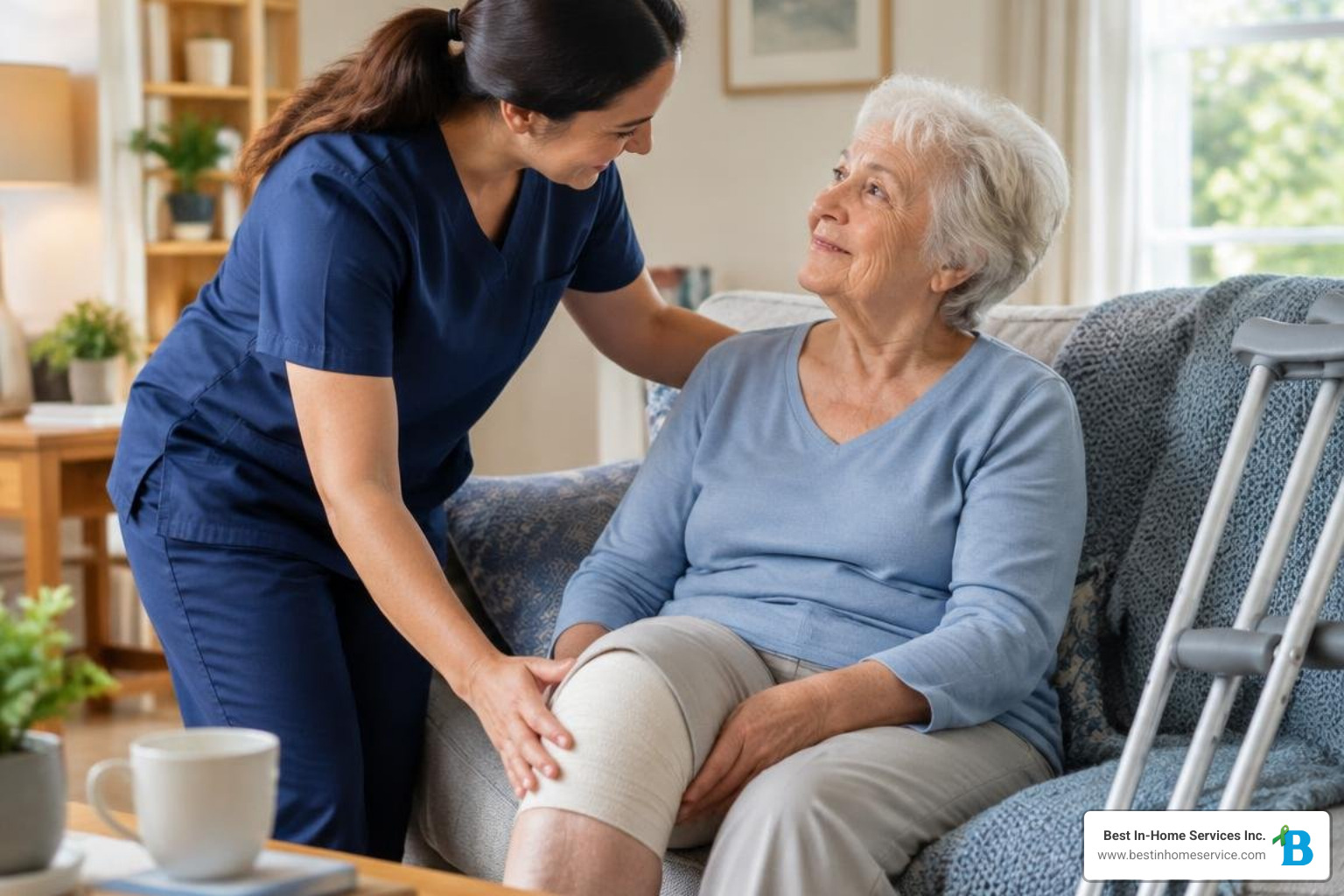
To ensure a safe recovery and reduce the risk of emergency readmission, families must establish a highly structured transition plan. Our comprehensive guides, including Tips for a smooth transition home, A Guide to Post Hospitalisation Care and Recovery, and Post Hospital Care: Your Guide to After Hospital Care at Home, provide detailed advice on managing medications, modifying the home environment for safety, and organizing follow-up medical appointments.
Frequently Asked Questions about Hospital-Associated Deconditioning
How quickly does muscle loss occur during a hospital stay?
Muscle loss occurs with alarming speed during hospitalization. Due to enforced bed rest and physical inactivity, older adults can lose between 1% and 3% of their overall muscle strength for every single day they spend in a hospital bed. For seniors over the age of 80, just 10 days of bed rest can result in up to 10 years’ worth of muscle aging, making early mobilization a critical priority.
What is “pyjama paralysis” and why is it harmful?
“Pyjama paralysis” refers to the physical and psychological state that occurs when patients remain in their nightwear (pajamas or hospital gowns) all day while hospitalized. This practice reinforces the “sick role,” leading to feelings of vulnerability and a lack of motivation to move. It directly contributes to prolonged bed rest, muscle wasting, and a loss of functional independence.
What are the most common post-discharge risks for older adults?
The most common post-discharge risks include adverse drug events (due to medication changes made during the hospital stay), in-hospital acquired infections manifesting at home, severe physical falls due to newly acquired leg weakness, and rapid readmission. Flawed handoffs between the hospital and primary care providers often leave these risks unmanaged during the critical first few weeks at home.
Conclusion
Preventing elderly deterioration in hospital requires vigilance, strong family advocacy, and a structured plan for post-hospital recovery. When a senior loved one is admitted to an acute care facility, understanding the physical and cognitive risks of prolonged inactivity is the first step toward safeguarding their long-term independence.
At Best In-Home Services Inc., we specialize in helping families navigate these challenging transitions. We provide personalized, 24/7 in-home care services—including expert dementia, memory, and elder care—delivered by certified, compassionate staff. We serve seniors throughout Chicago and its surrounding Illinois communities, including Downers Grove, Winnetka, Schaumburg, Naperville, Buffalo Grove, Evanston, Hinsdale, and Oak Brook.
Whether your loved one is preparing for a scheduled procedure or recovering from an unexpected stay, we are here to provide the custom care they need to regain their strength safely at home. To learn more about what to expect and how to secure professional support, explore our guide on Post Hospital Care Throughout Illinois: What to Expect from Home Care After Surgery or read our comprehensive resource on Post-hospital care throughout Illinois. Contact us today to discuss a customized care plan tailored to your family’s needs.


 1-224-636-5200
 1-224-636-5210
  425 Huehl Rd 13B Northbrook IL 60062