
How to Find Caregiving Services Near You on a Budget
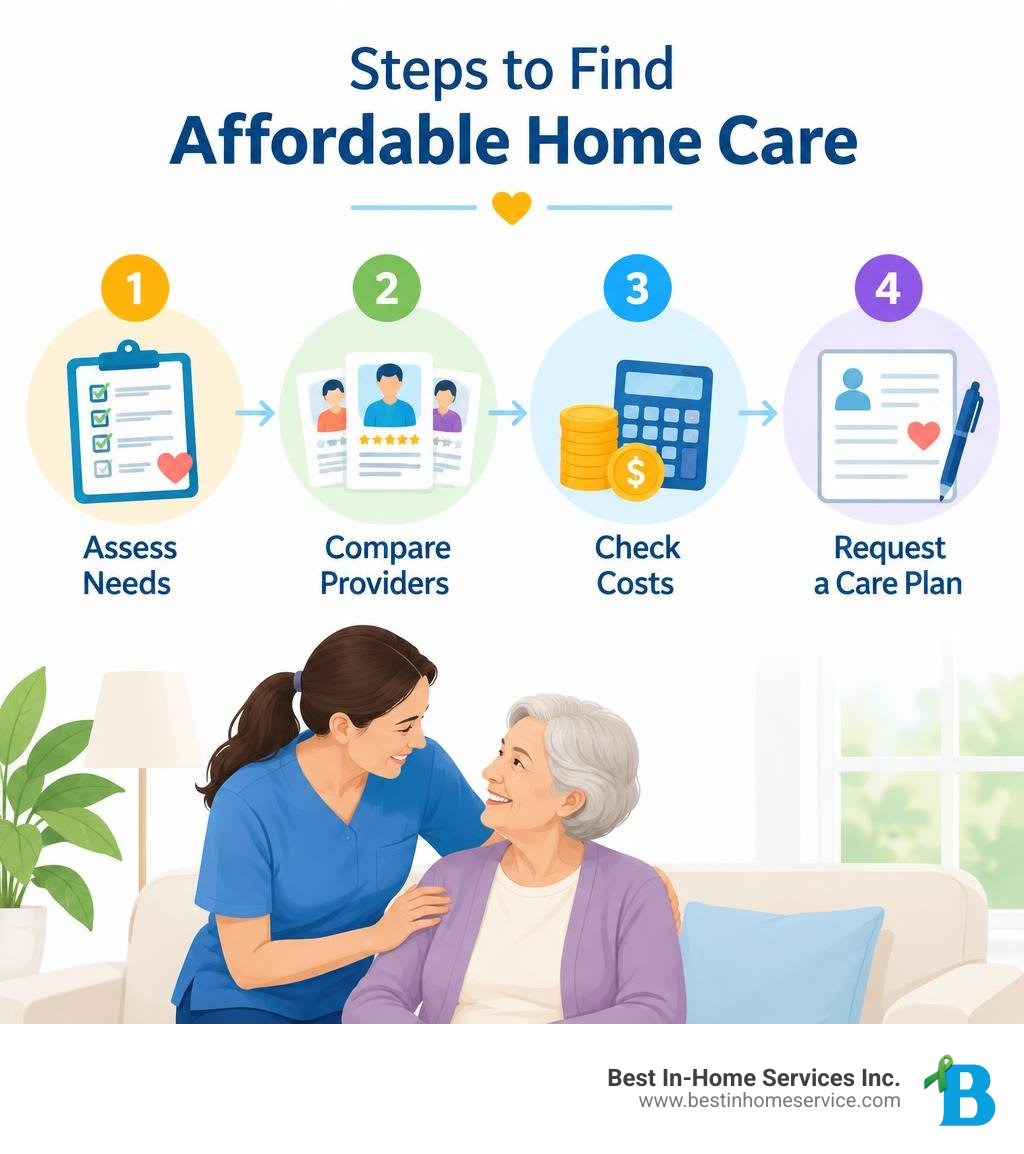
Start by listing the help your loved one needs, such as bathing, meals, companionship, or support with a daily routine. Then compare local providers on services, licensing, caregiver screening, backup coverage, and written costs. Ask for a care plan and a quote based on the hours you actually need.
In-home care costs depend on the schedule, level of help, and whether overnight or specialized support is needed. A shorter schedule may fit your budget, but the right choice must also cover the times your loved one needs help.
Best In-Home Services Inc. is a Northbrook-based provider of non-medical home care in Illinois (License #3000758). The agency helps Chicago-area families searching for “caregiving services near me” understand their options for daily support and memory care at home.
Finding Affordable Caregiving Services Near Me: Types of Home Care
When looking for the right balance between comfort and cost, understanding the distinctions among various non-medical home care support levels is essential. Selecting appropriate non-medical home care services ensures your family pays only for the level of support required.
Non-medical care covers a wide range of daily living assistance:
- Companion Support: Friendly visits, social engagement, conversational support, recreational activities, and light assistance around the house.
- Personal Hygiene and Care Assistance: Hands-on help with bathing, dressing, grooming, oral care, and toileting routines.
- Meal Preparation and Nutrition Support: Planning wholesome meals, cooking, dishwashing, and grocery assistance.
- Homemaking and Light Housekeeping: Dusting, vacuuming, tidying living spaces, and laundry assistance.
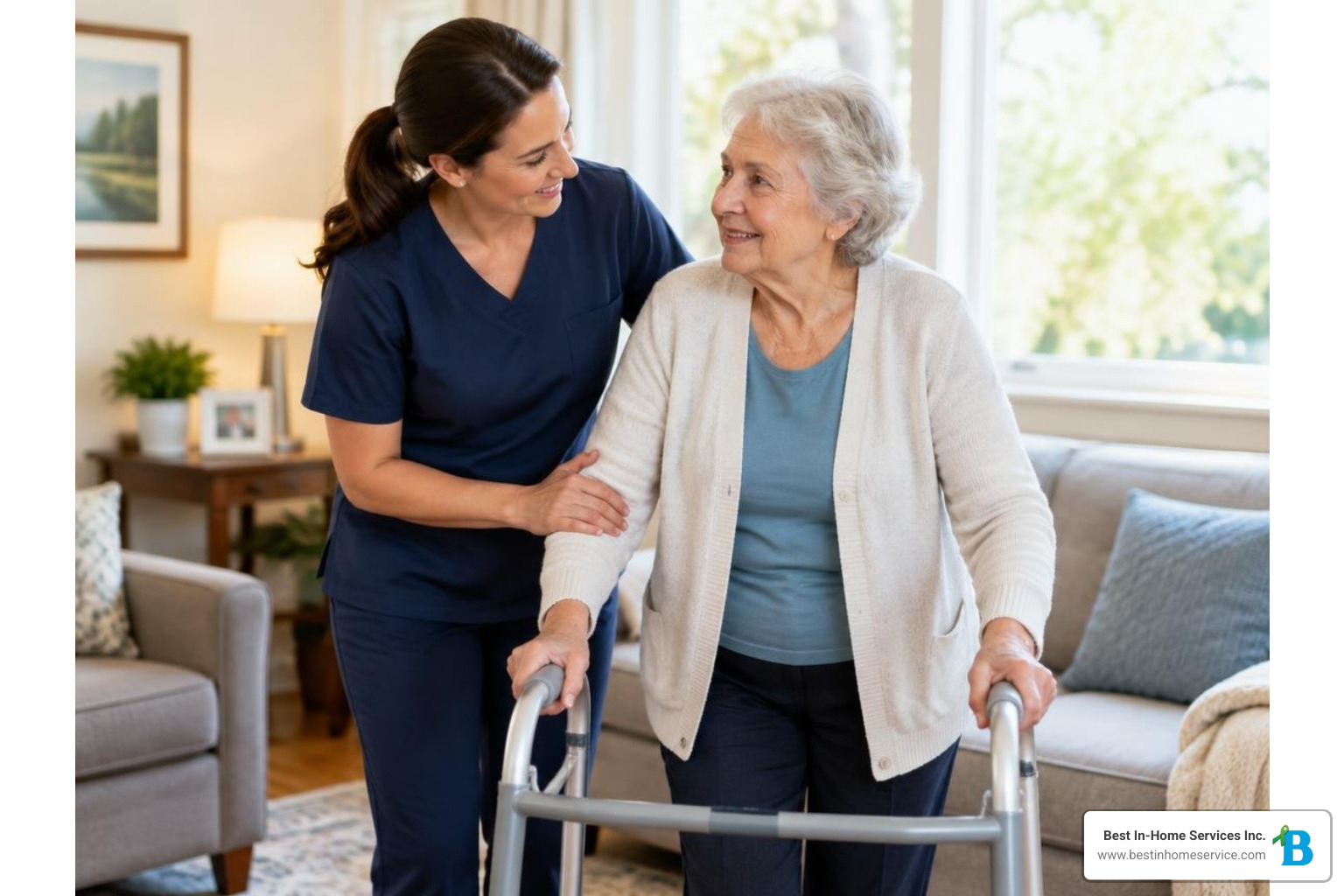
- Mobility and Ambulation Support: Gentle guidance with walking, transferring from chairs or bed, and positioning for comfort.
- Respite Care: Short-term, scheduled relief for primary family caregivers to rest, manage personal commitments, or prevent burnout.
| Care Type | Primary Focus | Common Tasks | Best Suited For |
|---|---|---|---|
| Companion Care | Emotional engagement & routine household tasks | Conversation, light housekeeping, meal prep, hobby support | Seniors seeking companionship who are largely independent with physical tasks |
| Personal Care | Hands-on physical assistance | Bathing, dressing, grooming, toileting, mobility help | Individuals needing physical aid with daily living activities |
| Respite Care | Temporary relief for family members | Any companion or personal care tasks on a scheduled basis | Family caregivers needing scheduled time away from daily duties |
Specialized Support: Dementia, Alzheimer’s, and Chronic Illness
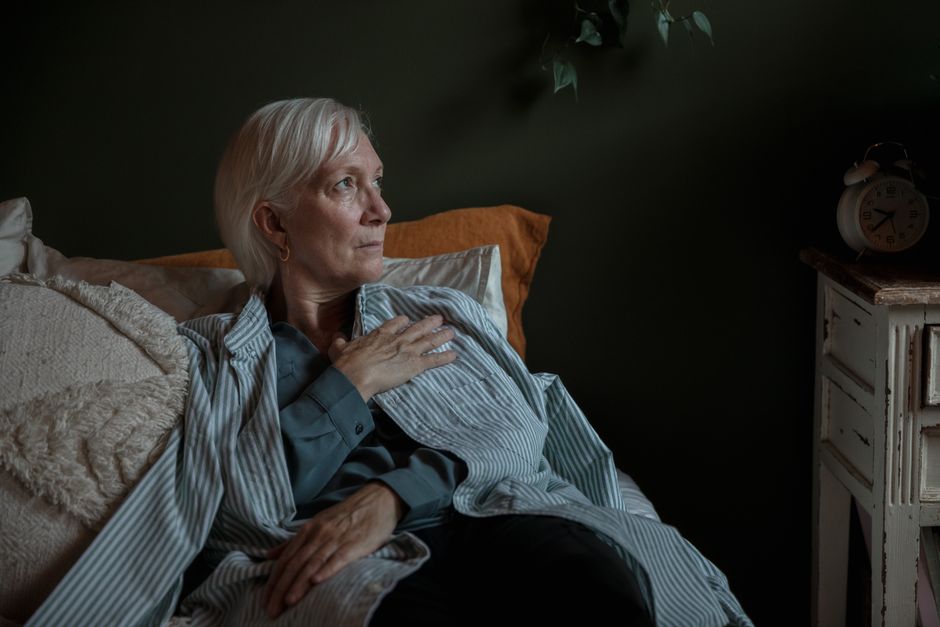
Seniors living with cognitive changes or long-term chronic conditions often require specialized non-medical support tailored to their daily rhythms. Memory care provided at home focuses on maintaining familiar routines, offering compassionate reassurance, and assisting with tasks that have become challenging.
Caregivers experienced in memory support can assist with non-clinical routines such as:
- Providing timely medication reminders to maintain regular daily schedules
- Establishing calming, structured daily habits that help minimize confusion or agitation
- Assisting with cognitive stimulation through puzzles, reminiscing, music, and gentle hobbies
- Supporting individuals managing chronic conditions like Parkinson’s by offering mobility assistance and help with daily tasks
Assessing Caregiving Services Near Me for Specialized Conditions
When evaluating providers for memory or chronic condition support, prioritize agencies that develop tailored care plans. An effective plan evolves as needs change, ensuring non-clinical daily assistance remains aligned with your loved one’s specific circumstances.
Families navigating care for aging parents should ask how an agency adjusts care approaches when cognitive decline progresses, ensuring consistent, dignified routines in familiar surroundings.

Understanding Home Care Costs and Budget-Friendly Payment Options

The overall cost of non-medical in-home care in the Chicago area varies based on several distinct factors:
- The level of physical assistance required (companion support vs. hands-on personal hygiene)
- The total number of hours scheduled each week
- Specific shift structures, such as daytime visits, overnight care, or around-the-clock support
- Weekend scheduling or accompaniment needs (such as transportation to appointments, where separate mileage billing may apply)
At Best In-Home Services Inc., care visits are structured with a standard 3-hour visit minimum, allowing for meaningful assistance during each shift.
To cover care expenses without straining household finances, families explore several budget-friendly pathways:
- Private Pay: Direct payment via personal savings, family contributions, or pension funds, allowing maximum flexibility in scheduling.
- Long-Term Care Insurance: Dedicated policies often cover non-medical home care, depending on policy terms and benefit triggers.
- Veterans Benefits: Programs such as the VA Aid and Attendance benefit can provide monthly support for qualifying veterans and surviving spouses.
- State Assistance Programs: Resources through the Illinois Department on Aging Community Care Program provide supportive services to eligible older adults to assist with aging in place.
How to Reduce Out-of-Pocket Senior Care Expenses
Managing home care costs effectively does not mean sacrificing quality. Families can implement several practical cost management strategies:
- Combine Family Care with Agency Hours: Schedule professional care during the most demanding times of day – such as morning hygiene routines or evening meal prep – while family handles companionship during evenings.
- Target Core Needs: Focus paid hours on essential tasks that require physical support or respite relief, exploring affordable senior care solutions that maximize visit efficiency.
- Adjust Schedules Seasonally: Expand hours during recovery periods following hospital stays and scale back to baseline companion hours as strength returns.
How to Evaluate and Vet Local Caregivers
Finding dependable assistance requires careful evaluation of both independent providers and licensed agencies. When exploring options for finding local senior caregivers, ensure any provider meets rigorous standards:
- State Licensing: Verify that the agency is licensed by the Illinois Department of Public Health (IDPH).
- Comprehensive Screening: Confirm that criminal background checks, identity verification, reference checks, and health screenings are completed.
- Caregiver Training and Certifications: Inquire about CPR certifications, dementia care education, and ongoing skill development.
- Agency Oversight: Ensure a care supervisor regularly reviews service quality and updates care plans.
How to Vet Caregiving Services Near Me Without Hidden Costs
Transparency is vital when arranging care. Before signing an agreement, make sure you understand the agency’s billing practices:
- Review minimum hourly shift requirements (such as our 3-hour minimum).
- Clarify holiday rates or weekend adjustments in advance.
- Understand transportation policies, including how mileage is calculated for errands and appointments.
- Ask about backup caregiver coverage to ensure care continuity when a regular caregiver is ill or on leave.
Reviewing an objective guide on evaluating in-home care providers can help you prepare questions and compare service contracts confidently.
Critical Red Flags to Watch Out for When Hiring Caregivers
Watch for these warning signs when evaluating potential caregivers or agencies:
- Lack of Licensing or Insurance: Avoid unlicensed providers or registries that do not carry worker’s compensation and liability coverage.
- No Written Care Plan: An agency should always conduct an initial assessment and provide a detailed, written care plan.
- Poor Communication: Unanswered calls, vague answers about caregiver screening, or reluctance to provide clear pricing policies indicate organizational instability.
- No Backup Contingency: Agencies without established backup staffing protocols may leave your loved one unsupported if an unexpected absence occurs.
In-Home Care: Cost and Lifestyle Benefits
Choosing non-medical care at home allows older adults to remain in their cherished home environment while receiving personalized, one-on-one attention that facility-based settings cannot always replicate.
| Schedule Option | Level of Flexibility | Typical Use Case | Budget Considerations |
|---|---|---|---|
| Part-Time Hourly (3+ hrs) | High – scheduled on specific days | Help with bathing, meal prep, errands | Highly cost-effective; targets peak daily support needs |
| Full-Time Day Support | Moderate – set daily schedule | Daily living routines, supervision, memory care | Predictable weekly cost; ideal for working families |
| Overnight Care | High – evening to morning coverage | Nighttime safety monitoring, bathroom assistance | Dedicated support during vulnerable overnight hours |
| 24-Hour Coverage | Continuous – around-the-clock presence | Advanced memory care or high daily support needs | Comprehensive coverage structured across multiple daily shifts |
Frequently Asked Questions About Home Care on a Budget
How much do local in-home caregiving services typically cost?
The cost of in-home care across Cook, Lake, and DuPage counties varies depending on the level of assistance required, the total hours booked, shift schedules, and whether specialized memory care or transportation is needed. Rather than fixed flat rates, providers tailor pricing after an assessment. Contacting a licensed agency directly for a personalized consultation is the best way to obtain an accurate quote.
What questions should I ask during an in-home assessment?
During an initial consultation, consider asking:
- How are your caregivers screened, background-checked, and trained?
- What is your policy for providing backup caregivers if the regular caregiver is unavailable?
- How is the personalized care plan developed and updated as needs evolve?
- What are your billing practices regarding shift minimums, holidays, and mileage?
Can government programs help pay for in-home caregiving?
Yes. Eligible seniors may receive assistance through the Illinois Department on Aging Community Care Program or Medicaid Home Services Programs managed by the Illinois Department of Human Services. Qualifying military veterans and surviving spouses may also access the VA Aid and Attendance pension to help cover non-medical care costs.
Conclusion
Finding dependable, budget-conscious care for an aging family member begins with understanding your options and partnering with a trusted local provider. Best In-Home Services Inc. is an Illinois-licensed home care agency (License #3000758) based in Northbrook, IL. We are licensed by the Illinois Department of Public Health, approved by the Illinois Department on Aging under the Community Care Program, and recognized by the Illinois Department of Human Services / Rehabilitation Services for the Home Service Program.
We serve families throughout Cook, Lake, and DuPage counties – including Chicago, Evanston, Skokie, Wilmette, Winnetka, Glenview, Highland Park, Buffalo Grove, Schaumburg, Naperville, and surrounding communities.
To explore trusted in-home support and discuss a personalized care plan tailored to your loved one’s needs, call us at 224-636-5200 or visit our office at 425 Huehl Rd, Bldg 13B, Northbrook, IL 60062 to schedule a free in-home consultation.




 1-224-636-5200
 1-224-636-5210
  425 Huehl Rd 13B Northbrook IL 60062