
Home Care in Inverness, IL Starts With the Realities of Aging at Home
Home care in Inverness, IL helps older adults remain safe and supported in the homes and neighborhoods they know, with assistance tailored to daily needs, mobility, memory changes, and transportation.
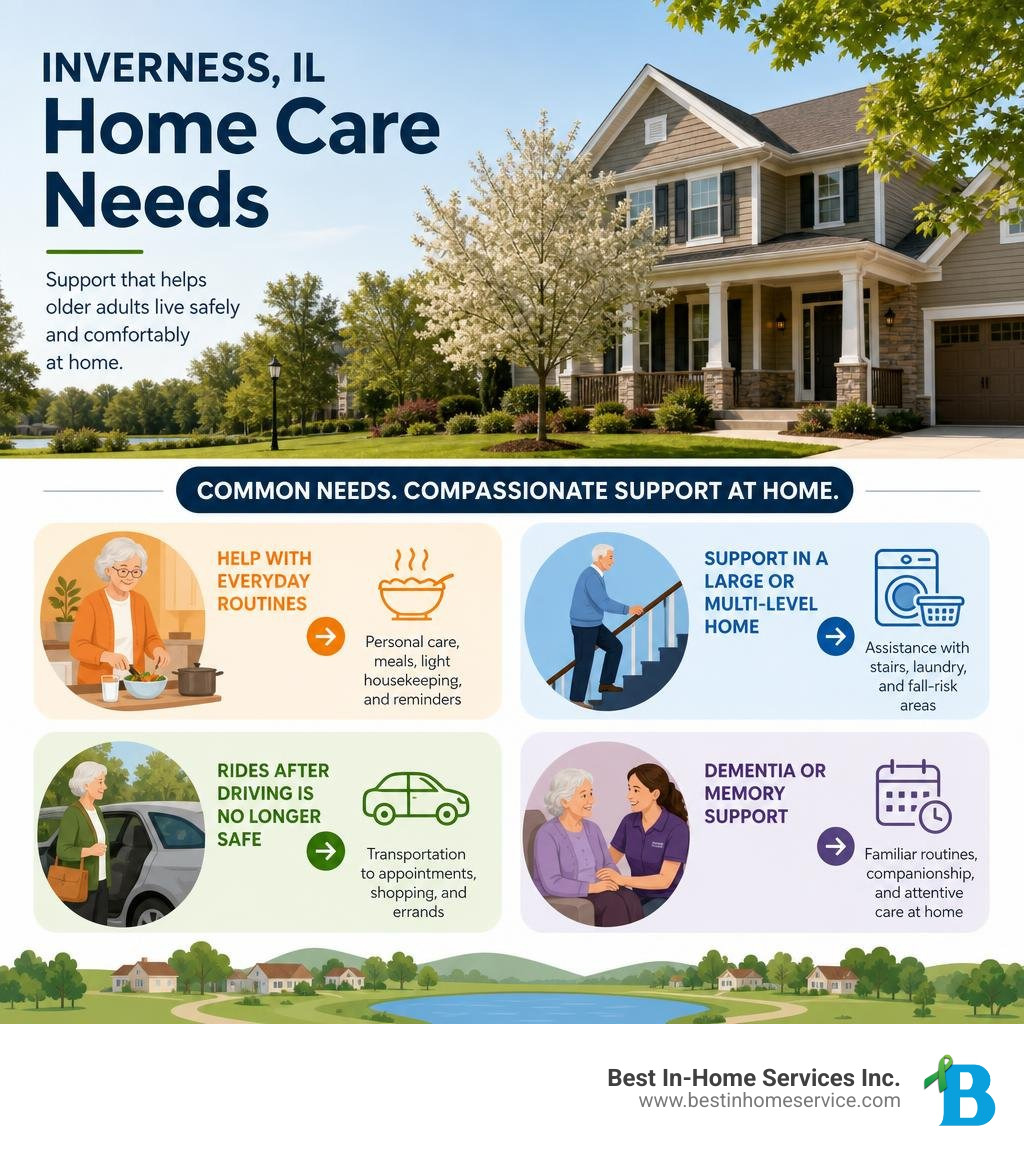
| What Inverness families may need | How in-home care can help |
|---|---|
| Help with everyday routines | Personal care, meals, light housekeeping, and reminders |
| Support in a large or multi-level home | Assistance with stairs, laundry, and fall-risk areas |
| Rides after driving is no longer safe | Transportation to appointments, shopping, and errands |
| Dementia or memory support | Familiar routines, companionship, and attentive care at home |
Inverness is a private, low-density village about 29 miles from the Chicago Loop. Nearly 29% of local residents are 65 or older, and the village’s 97.8% owner-occupancy rate reflects how deeply many people are connected to their homes.
That stability can make aging in place meaningful, but it can also bring practical concerns. Many homes were built around 1984, often with multiple levels, stairs, long driveways, and little access to walkable shops or public transportation. For a senior who can no longer drive or safely manage every part of the home alone, support at home can become essential.
I’m Lily Harrison, General Manager at Best In-Home Services Inc., where I help families arrange compassionate, personalized home care services in Inverness, IL, including daily support, dementia and memory care, and around-the-clock assistance when needed. In this guide, I’ll explain the local factors families should consider when choosing care for an older loved one at home.
More about home care in Inverness, IL:
Unique Architectural and Geographic Challenges of Aging in Inverness
The physical characteristics of Inverness set it apart from neighboring Chicago suburbs. Originally shaped in the 1920s by developer Arthur T. McIntosh, who named the village after the capital of the Scottish Highlands, Inverness spans 6.69 square miles of rolling, wooded terrain. Landmarks like the Four Silos complex on Baldwin Road highlight its rural heritage, but its modern layout presents unique hurdles for aging residents.
With a median home construction year of 1984, the standard property in Inverness is a spacious two-story or multi-level Colonial, typically ranging from 2,500 to 5,000 square feet. While these expansive properties offer incredible comfort, their architectural layout creates everyday physical challenges as mobility declines:
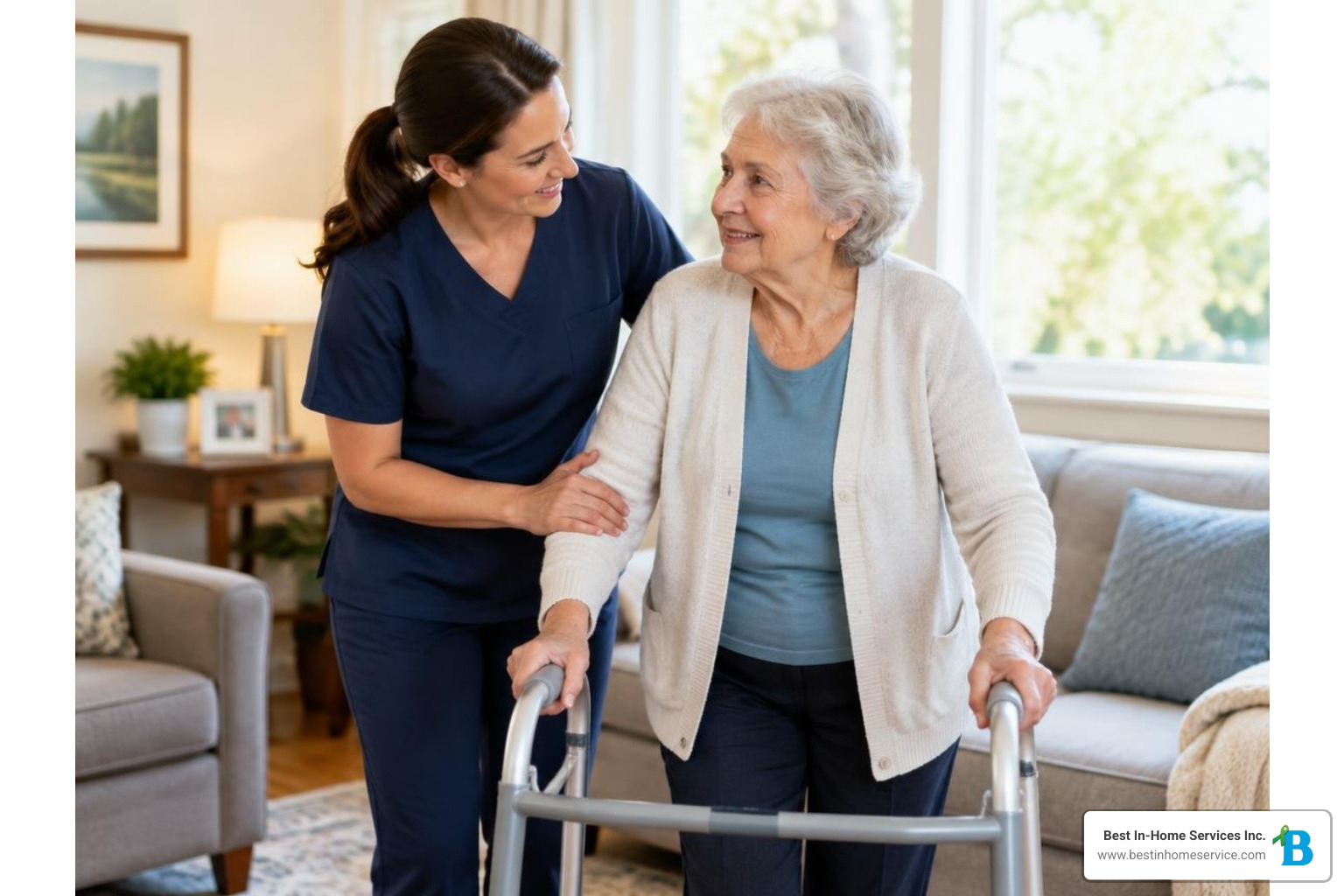
- Frequent Staircases: Bedrooms are frequently on the second floor, while primary living spaces are on the main level. Navigating high-step staircases multiple times a day increases fall risks significantly for older adults.
- Lower-Level Laundry Operations: In many 1980s designs, washer and dryer setups are situated in unfinished or semi-finished basements, requiring seniors to carry heavy laundry hampers up and down steep basement stairs.
- Sprawling Footprints: Walking across a 5,000-square-foot home to answer the door, prepare meals, or access bathroom facilities demands continuous energy and physical endurance.
- Long Driveways and Isolated Garages: Large 1-acre to 2-acre wooded lots mean driveways are exceptionally long. During Northern Illinois winters, ice, snow accumulation, and freezing slush make walking to a car or retrieving mail a dangerous slip hazard.

To address these distinct architectural realities, professional home care in Inverness, IL plans are tailored to directly mitigate household structural risks:
| Inverness Architectural Hazard | In-Home Care Safety Solution |
|---|---|
| Multi-level stair navigation between bedroom and kitchen | Hands-on mobility assistance, stair railing support, and bedtime routine aid |
| Basement laundry placement | Complete laundry handling by caregivers, eliminating heavy lifting on stairs |
| Large floorplan navigation hazards | Clear pathway maintenance, rug securing, and continuous oversight |
| Long driveways and icy winter steps | Driveway monitoring, escorted vehicle loading, and errand completion |
Transportation Solutions for Home Care in Inverness, IL
Inverness was designed around privacy, tranquility, and large residential lots. However, this deliberate layout means there are zero public transit options—no bus lines, no local shuttles, and no walkable downtown commercial districts.
When an older adult reaches a point where driving is no longer safe or feasible, the absence of public transportation can bring personal mobility to a halt. Median household income in Inverness is $215,810, and 96% of the workforce has spent careers in professional or administrative roles, driving is second nature. Losing the ability to drive in a low-density suburb can feel overwhelming without structured support.
This is where caregiver-provided transportation becomes vital. Through our dedicated Caregiver Transportation Support, we ensure that non-driving seniors maintain full access to their healthcare providers and social connections.
Caregivers assist clients with:
- Medical specialist appointments in neighboring medical hubs like Barrington, Palatine, and Arlington Heights.
- Routine grocery trips and shopping runs to local plazas in Palatine or Schaumburg.
- Transport to Metra train stations in nearby communities so clients can connect with visiting family members.
- Hair appointments, community club meetings, and local social engagements across Cook and DuPage counties, with access to county resources like DuPage County Community Services Programs.
Alzheimer’s and Memory Care Benefits of Aging in Place
In Inverness, nearly 2% of the population is aged 85 or older—the specific age cohort where the prevalence of cognitive decline rises dramatically. The Alzheimer’s Association estimates that approximately one in three adults over age 85 develops Alzheimer’s disease or related forms of dementia.
For individuals facing cognitive impairment, remaining in their long-term home provides a crucial therapeutic advantage: the power of spatial memory. When someone has lived in the same residence for decades, their brain relies on established environmental cues to navigate safely. They instinctively know the turn to the bathroom, the height of the kitchen counters, and the view from their favorite armchair. Moving a person with memory loss to an unfamiliar institutional care facility often triggers confusion, emotional distress, agitation, and accelerated cognitive decline.
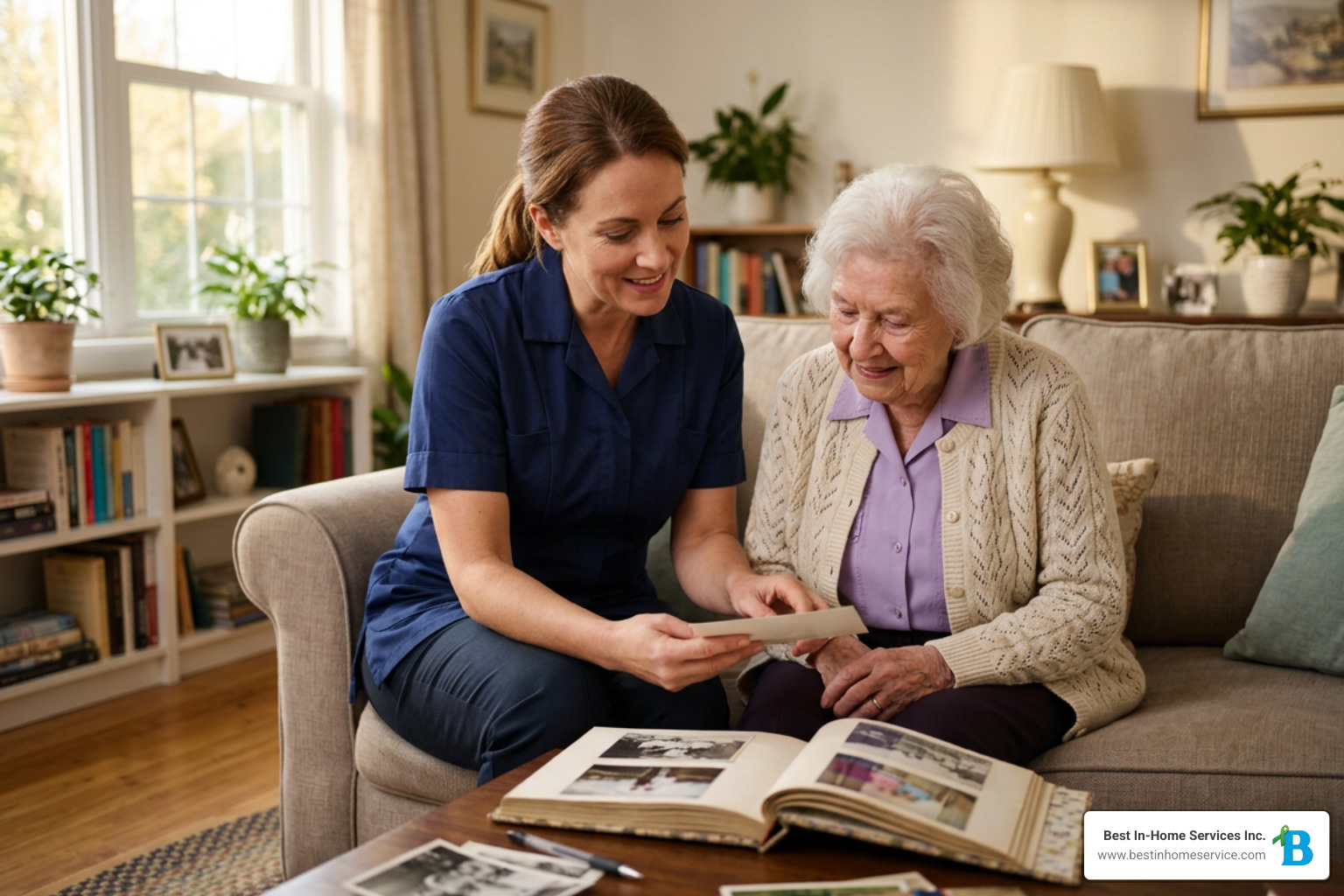
Staying at home allows seniors to maintain their daily routine in a supportive environment. In our experience, maintaining familiarity is one of the single most effective ways to preserve dignity and emotional calm. To understand why staying in a familiar environment makes such a profound difference, read our insight on Why Senior Care at Home Supports Aging in Place.
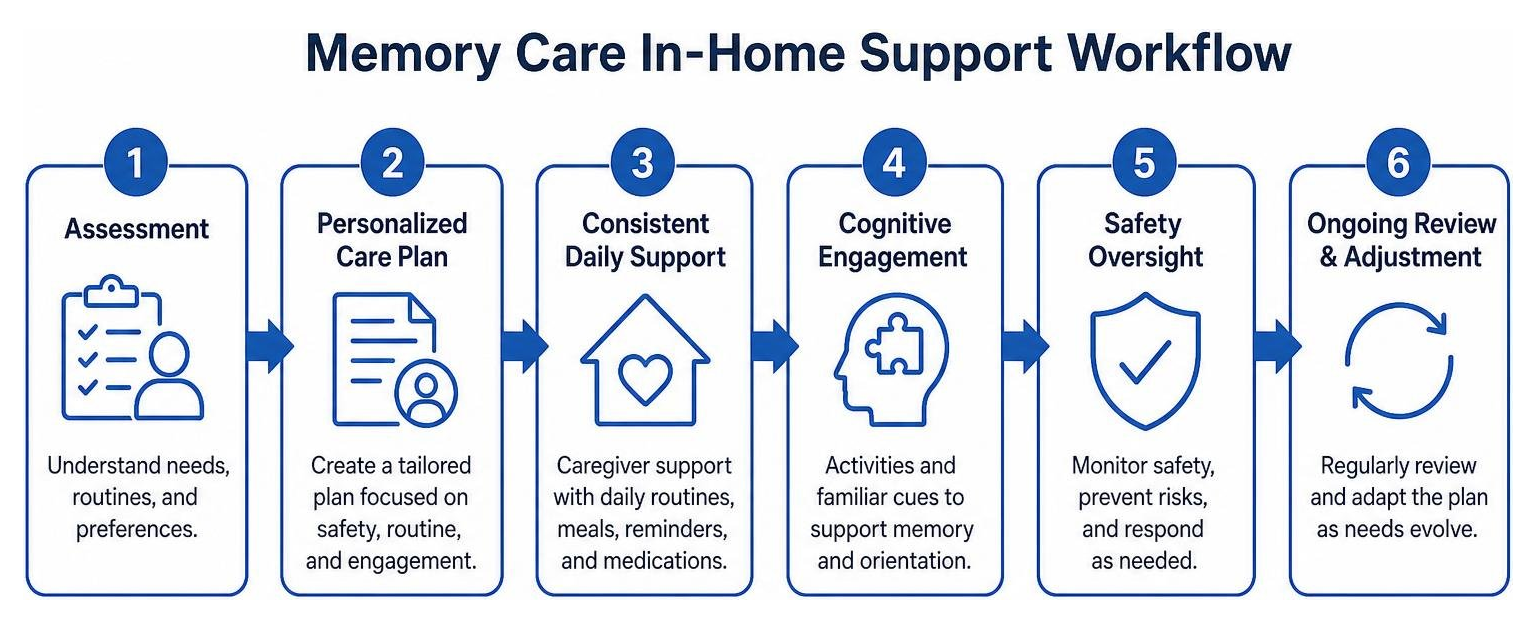
Our specialized Alzheimer’s and memory care support includes:
- Daily Routine Consistency: Preserving familiar wake-up, mealtime, and bedtime schedules to minimize sundowning and anxiety.
- Cognitive Orientation Support: Utilizing familiar household photographs, decor, and spatial layout to anchor memory.
- Dementia-Trained Staff: Staff who employ gentle redirection, patient communication, and sensory stimulation techniques.
- Safety Oversight: Preventing wandering, stove misuse, or medication errors in large, multi-room homes.
Companion Support to Prevent Isolation in Low-Density Neighborhoods
While Inverness’s heavily wooded, 1-acre lots provide unmatched privacy, that same seclusion can turn into deep social isolation when a senior spends most of their days alone.
Without walkable neighborhood streets or nearby community hubs within the village borders, an older adult who stays home can quickly lose daily social interaction. Isolation is not merely a mood issue—it is directly linked to higher rates of depression, anxiety, and cognitive decline in seniors.
Integrated companion care bridges this gap. Rather than viewing companionship as a standalone service, our caregivers build social connection directly into every daily routine:
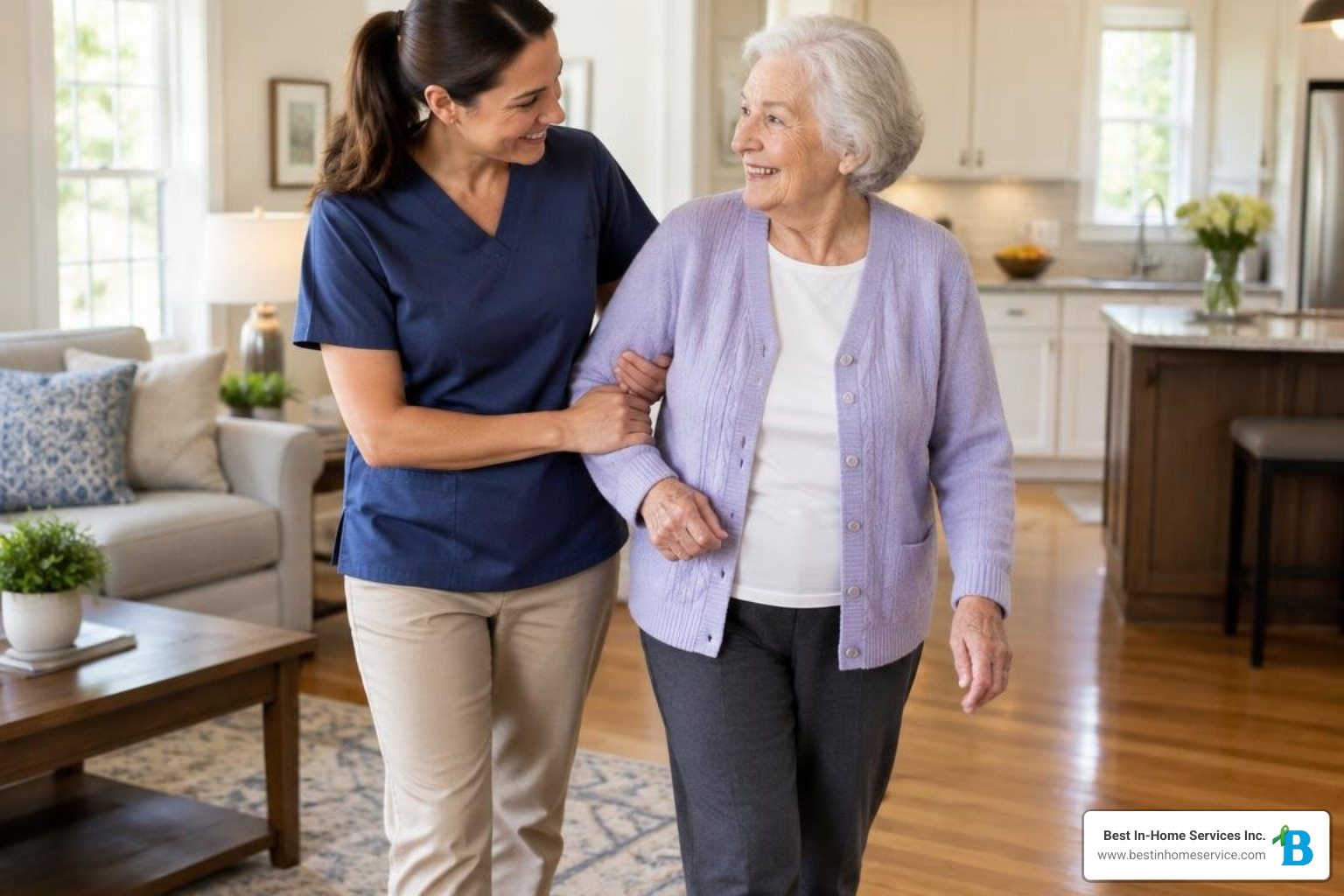
- Sharing conversations over morning coffee or home-cooked meals.
- Assisting with favorite hobbies, gardening projects, or reading.
- Accompanying seniors on walks around their property or nearby nature areas.
- Facilitating video calls with children and grandchildren who may live out of state.
Families seeking to understand how social engagement enhances overall health can read our comprehensive Guide to Senior Companionship Services.
Licensing Standards and Everyday Home Care Services in Inverness, IL
When evaluating home care agencies in Illinois, families should demand strict compliance with state regulatory standards. A legitimate, highly qualified agency serving Inverness should hold three essential state designations:
- Illinois Department of Public Health (IDPH) Licensure: Ensures the agency complies with state regulations governing health care standards, caregiver background checks, and supervisory protocol.
- Illinois Department on Aging (IDoA) Approval: Demonstrates that the agency meets state operational standards for senior support services. Learn more directly from the Illinois Department on Aging Programs.
- Illinois Department of Human Services (IDHS) Recognition: Validates institutional compliance across statewide human service networks.
Families can easily verify an agency’s credentials through the IDPH public database before starting care.
In addition to regulatory credentials, everyday home care involves structured, reliable assistance that helps seniors thrive at home. Standard daily services provided by our certified staff include:
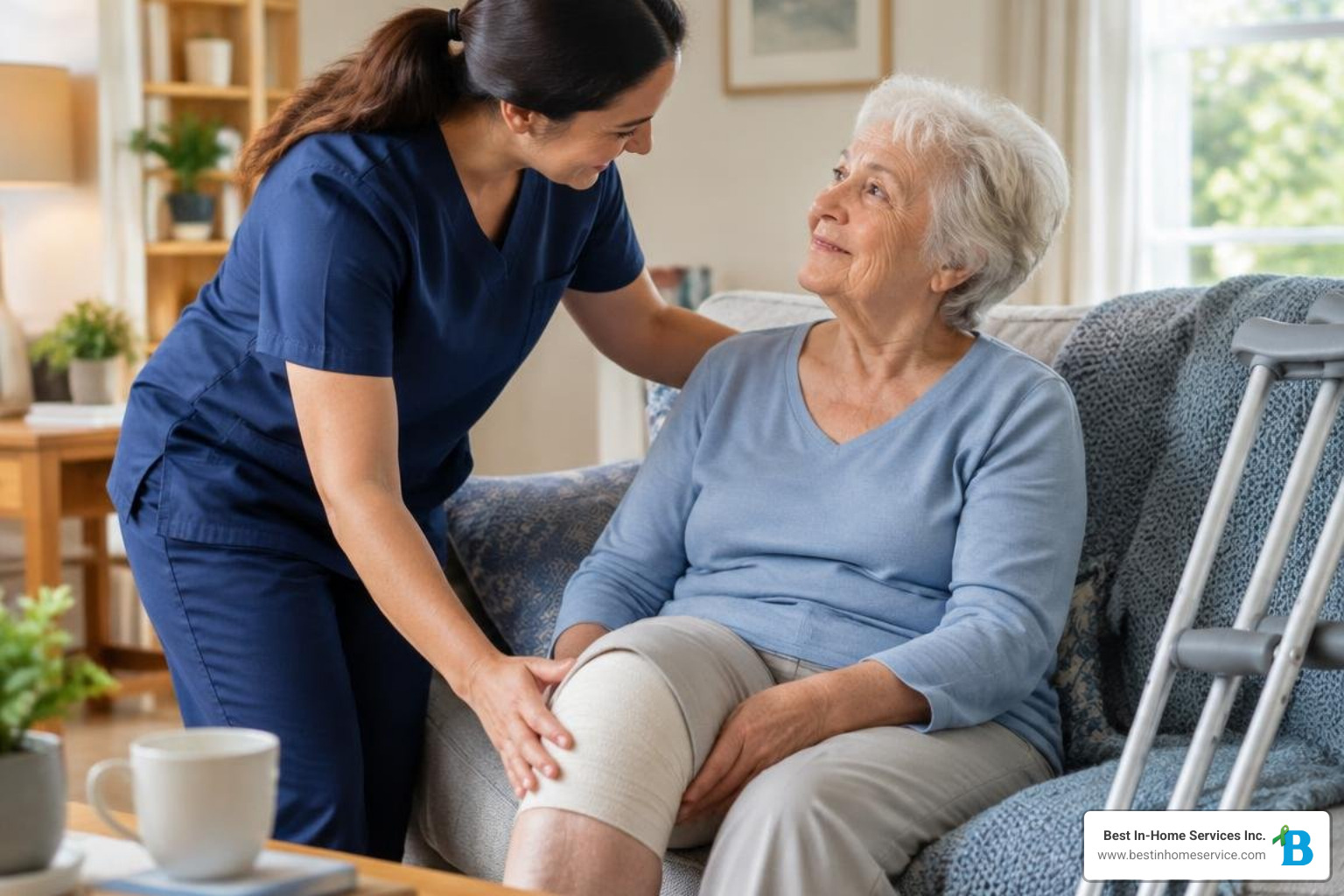
- Personal Hygiene & Grooming: Dignified help with bathing, dressing, hair care, and mobility assistance.
- Balanced Meal Preparation: Cooking nutritious meals tailored to dietary guidelines, medical conditions, and client preferences.
- Light Housekeeping: Managing laundry, dusting, keeping walkways clear of clutter, and maintaining sanitary kitchen and bath areas.
- Medication Reminders: Timely cues to ensure prescribed schedules are followed accurately.
Free In-Home Assessment Process for Home Care in Inverness, Illinois
Every home in Inverness has its own character, and every senior has unique care needs. That is why we start with a comprehensive, no-obligation free in-home assessment.
During this assessment, an experienced care coordinator visits the home to evaluate physical safety, daily routines, and care requirements.

Key elements of our in-home assessment include:
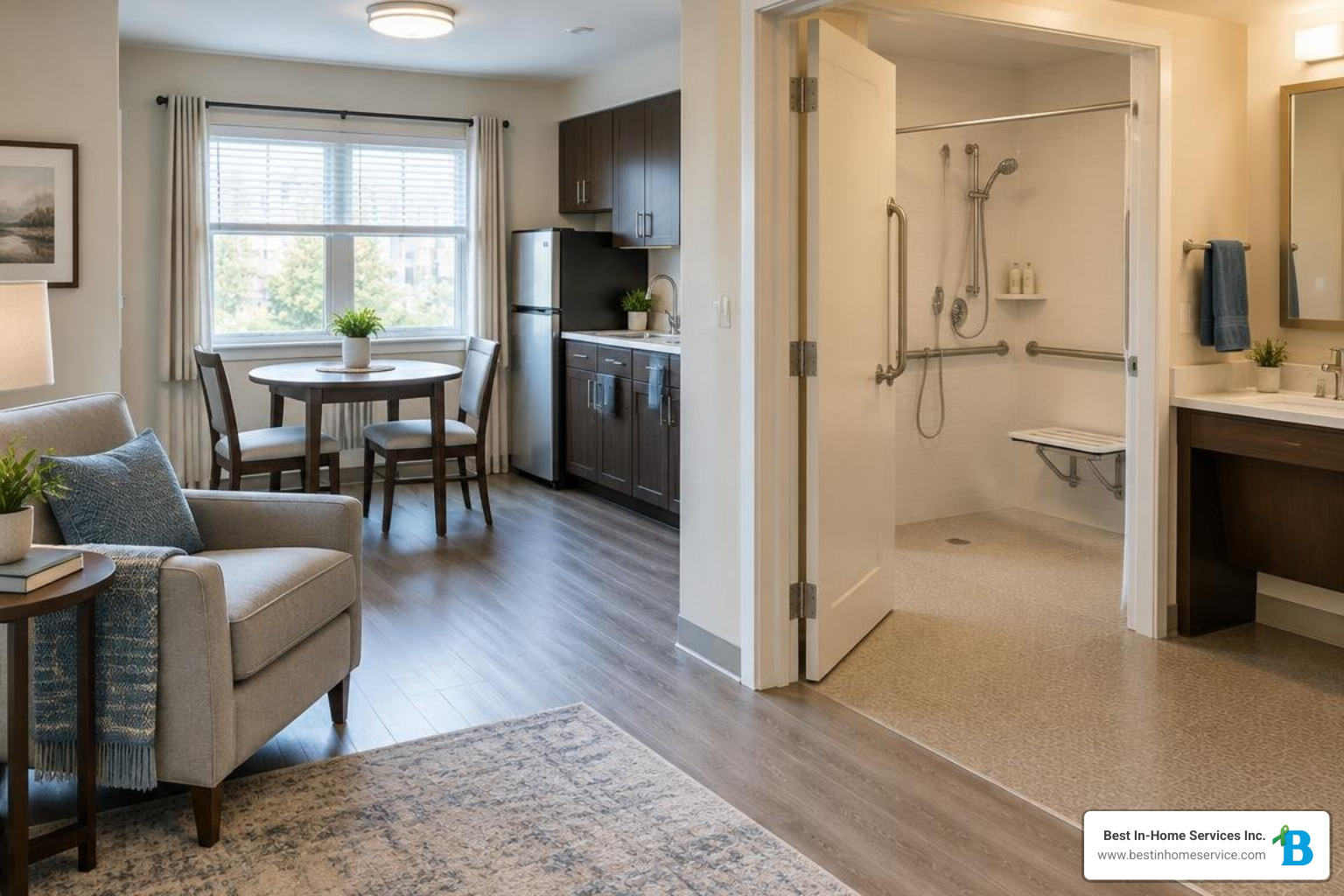
- Architectural Safety Walkthrough: Examining multi-level stairways, lighting quality, bathroom grab bar requirements, and carpet edges.
- Mobility Hazard Mapping: Identifying tricky thresholds, basement access risks, and exterior walkway conditions.
- Personal Routine Evaluation: Reviewing current sleeping schedules, dietary needs, medication routines, and transportation requirements.
- Custom Care Plan Creation: Tailoring caregiver schedules—ranging from a few hours a week to 24/7 care—to match family preferences precisely.
Families exploring their care options can review our helpful Shortlist Guide for Home Care Options.
Frequently Asked Questions About In-Home Care
How can Inverness families verify state licensing for a home care provider?
Families can verify an agency’s credentials by searching the official Illinois Department of Public Health (IDPH) Health Care Regulation public database online. A compliant agency will proudly display its license number and demonstrate current alignment with IDPH, IDoA, and IDHS standards upon request.
Can home care services accommodate multi-level 1980s Inverness homes?
Yes, absolutely. Our care coordinators design individual care plans specifically around the architectural layout of multi-level homes. Caregivers handle heavy tasks like basement laundry, offer steady physical support on staircases, and manage living space navigation so seniors can enjoy their home safely.
Why is caregiver-provided transportation necessary in Inverness?
Inverness has no public transit system and no walkable commercial core. When older adults stop driving, caregiver transportation becomes essential for attending medical visits in neighboring communities, picking up groceries, running errands, and staying socially active.
Conclusion
At Best In-Home Services Inc., we understand that aging in Inverness requires continuous support adapted to the village’s unique landscape, high-standard homes, and private lifestyle. Whether your family requires help navigating a multi-level floorplan, continuous Alzheimer’s support, daily errand transport, or 24/7 care, our certified caregivers provide compassionate care tailored specifically to your loved one.
Ready to explore personalized support for your family? Explore Professional Senior Care Services with us today to schedule your free in-home assessment.


 1-224-636-5200
 1-224-636-5210
  425 Huehl Rd 13B Northbrook IL 60062