
When Taking Care of Elderly Parents Becomes More Than You Expected
Taking care of elderly parents is one of the most meaningful — and most demanding — things an adult child can do. It often starts small: a missed medication here, a forgotten appointment there. Then, before you know it, you’re managing meals, doctor visits, safety risks, and your own emotional exhaustion all at once.
Here’s a quick overview of what effective elder care actually involves:
| Care Area | What It Means in Practice |
|---|---|
| Recognizing the need | Spotting early signs like falls, hygiene changes, or cognitive decline |
| Having the conversation | Talking to parents early, with dignity and compassion |
| Making the home safe | Grab bars, better lighting, fall prevention, medication management |
| Building a care team | Dividing tasks among siblings, hiring professional help when needed |
| Legal and financial prep | Power of attorney, advance directives, Medicaid and VA programs |
| Preventing burnout | Respite care, support groups, and setting realistic limits |
More than 63 million Americans are currently providing unpaid care to an aging family member — and 61% of them are also holding down a full- or part-time job at the same time. The emotional weight is just as real: 4 in 10 family caregivers report high levels of stress. The role reversal — when a child becomes the caregiver for a parent — can feel disorienting, even grief-like, before a single crisis ever occurs.
This guide is designed to help you navigate that shift with clarity, not panic.
I’m Lily Harrison, General Manager at Best In-Home Services Inc., where I’ve spent years helping Chicago-area families find compassionate, personalized solutions for taking care of elderly parents — from daily support to specialized dementia care. I’ll walk you through what actually works, step by step.
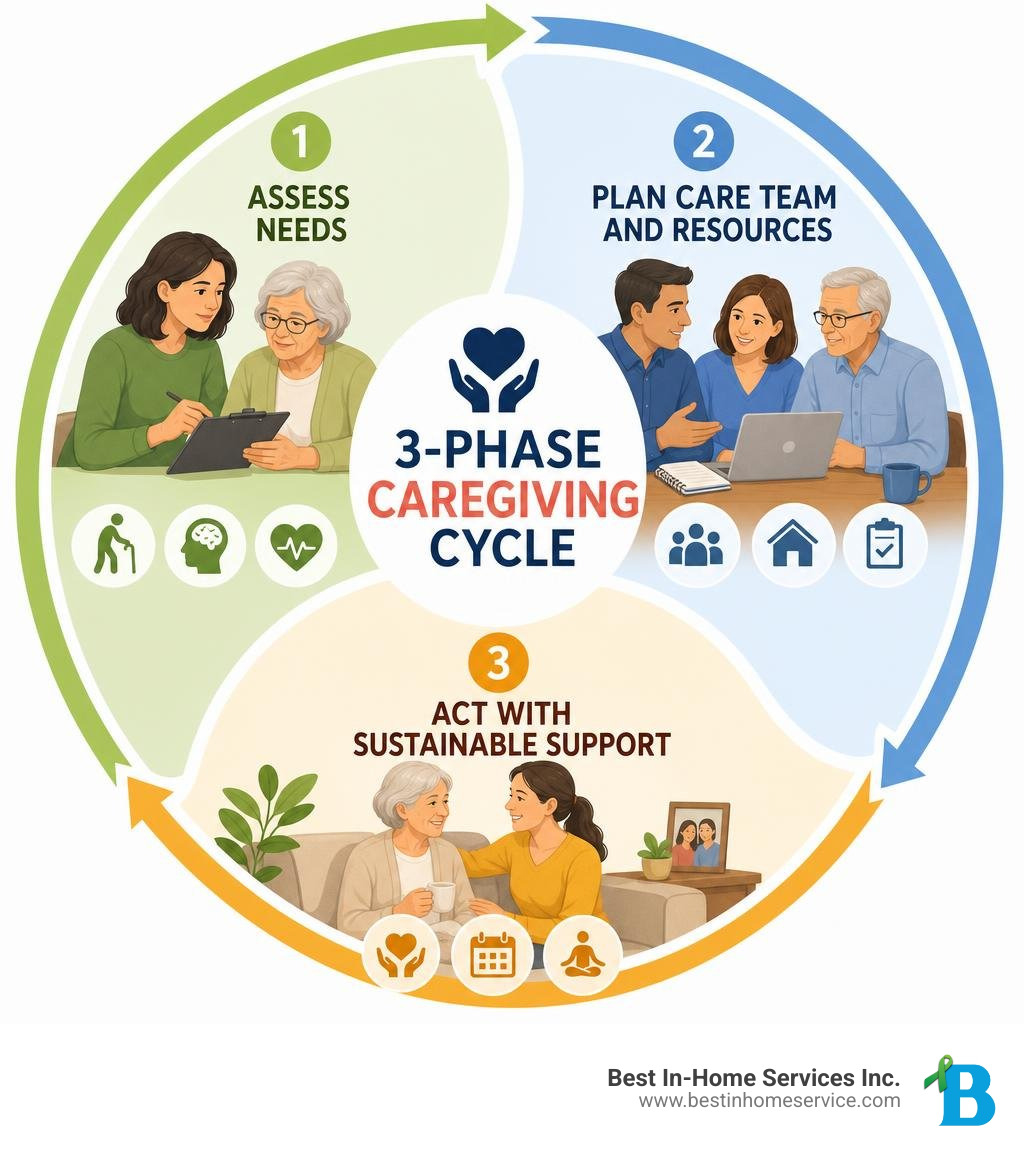
Recognizing When Taking Care of Elderly Parents Requires Professional Help
It is incredibly common for adult children to miss the early warning signs that a parent is struggling. We see our parents as the strong, independent figures they have always been. However, physical and cognitive decline often creep in slowly.
To understand where your parent stands, we look at two main categories of daily functioning:
- Activities of Daily Living (ADLs): Basic self-care tasks such as bathing, dressing, grooming, eating, and using the restroom.
- Instrumental Activities of Daily Living (IADLs): More complex tasks required to live independently, including managing finances, keeping up with home maintenance, grocery shopping, preparing meals, and managing medications.
When a parent begins to struggle with IADLs, it is usually the first sign that staying at home alone is becoming unsafe.

Look out for these common “red flags” during your visits:
- The Kitchen Test: Expired or moldy food in the fridge, or signs of scorched cookware (suggesting burners were left on).
- Unopened Mail: Stacks of unpaid bills, collection notices, or unread letters.
- Physical Changes: Unexplained weight loss (often due to difficulty cooking or chewing) or a decline in personal hygiene (such as wearing the same clothes for days or body odor).
- Medication Errors: According to industry data, medication errors contribute to nearly 28% of hospital admissions in older adults. If you notice pill bottles that are overflowing or completely empty ahead of schedule, it is a major warning sign.
- Mobility Issues: Unexplained bruises that might point to secret falls. Statistically, falls cause 3 million emergency department visits annually for older adults.
If you are noticing these changes, you may be transitioning into a more hands-on role. Understanding what lies ahead is crucial when becoming a primary caregiver for your loved one. Additionally, if the struggles seem tied to memory lapses, it is helpful to familiarize yourself with the 10 early signs of Alzheimer’s to see how professional home care can step in to keep them safe.
Starting the Conversation About Taking Care of Elderly Parents
Initiating a conversation about future care can feel like walking through a minefield. Many parents resist because they fear losing their independence.
To make this easier, we highly recommend using the 40-70 Rule: if you are approaching 40 (or your parents are approaching 70), it is time to start having these conversations before a medical emergency forces a split-second decision.
When you sit down to talk, keep these strategies in mind:
- Use “I” statements: Instead of saying, “You aren’t driving safely anymore,” try, “I worry about your safety on the road, and I want to make sure we have a plan to get you where you need to go.”
- Ask open-ended questions: Ask things like, “How has managing the house been feeling lately?” or “What are your thoughts on getting some extra help with cooking or cleaning?”
- Preserve their dignity: Frame the help as a way to maintain their independence at home rather than giving it up.
- Gather the family: If possible, run a gentle family meeting to get everyone on the same page. For a step-by-step roadmap on how to structure these talks, check out our guide on how to care for aging parents.
Distinguishing Normal Aging from Cognitive Decline
It is normal for older adults to occasionally forget where they left their keys or take a moment to recall a specific word. But there is a clear line between normal aging and cognitive decline.
- Normal Aging: Forgetting a neighbor’s name but remembering it later; misplacing keys occasionally; making a poor financial decision once in a while.
- Cognitive Decline / Dementia Red Flags: Putting keys in the freezer; getting lost in a highly familiar neighborhood; forgetting the names of close family members; dramatic personality changes (such as sudden paranoia, anger, or extreme confusion).
If you suspect cognitive decline, a comprehensive medical evaluation is essential. It rules out treatable conditions (like urinary tract infections or vitamin deficiencies, which can mimic dementia in seniors) and allows you to plan for the appropriate level of memory support.
Creating a Safe Home Environment and Managing Daily Care
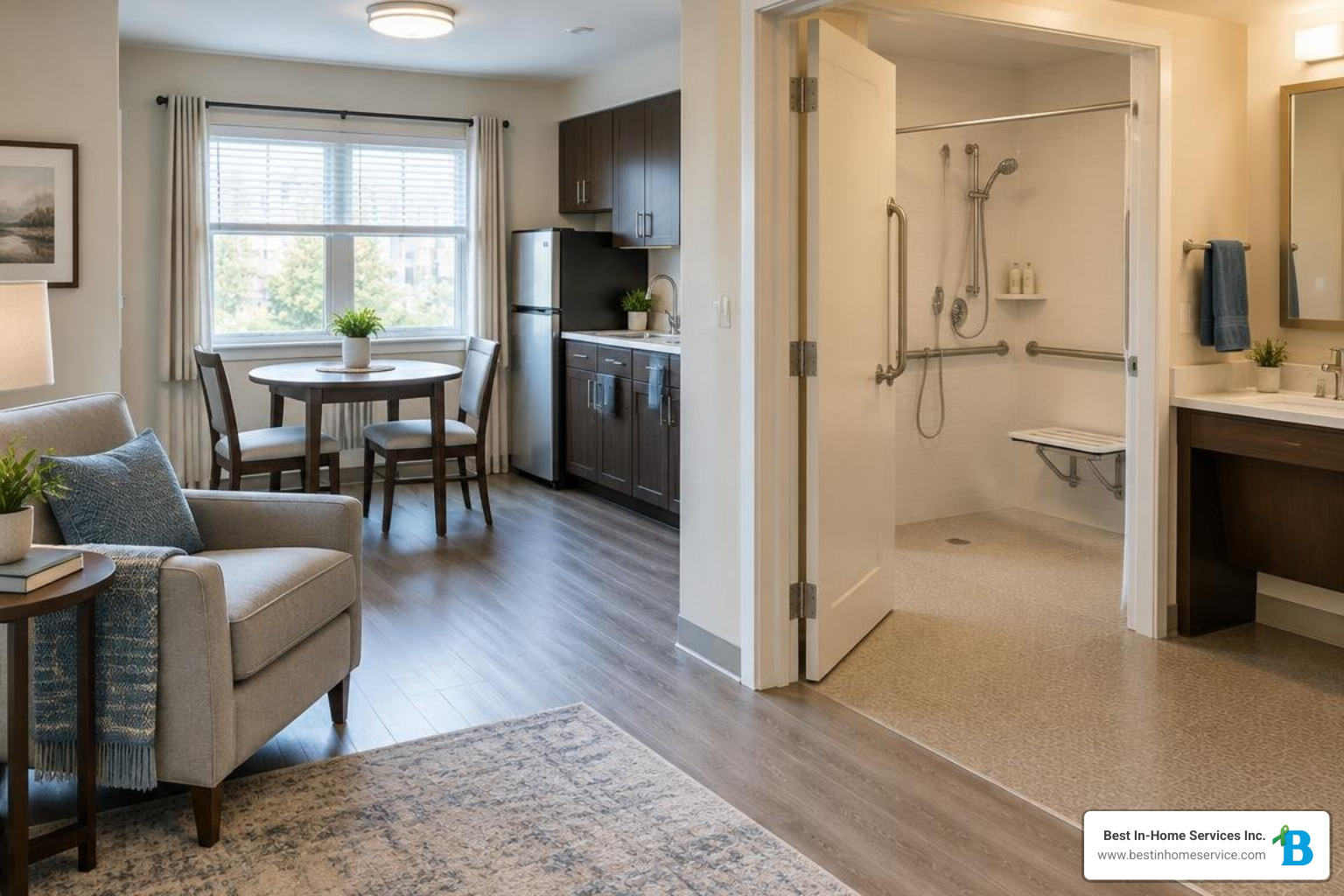
If your parent’s goal is to age in place in the Chicago area, modifying their physical living space is one of the most effective ways to prevent injuries.

A room-by-room safety sweep should focus on these high-risk areas:
- The Bathroom: This is the single highest-risk room in the house. Install secure grab bars in the shower and next to the toilet. Place non-slip mats inside and outside the tub, and consider a raised toilet seat or a shower chair.
- Lighting: Older eyes need significantly more light to navigate safely. Add motion-activated nightlights in hallways, bedrooms, and bathrooms. Ensure all stairways are brightly lit.
- Trip Hazards: Remove throw rugs, clear clutter from walkways, and secure loose cords.
- Kitchen Safety: Move frequently used dishes to lower shelves to prevent the need for step stools.
Beyond physical modifications, daily care management requires a structured approach to wellness. Ensuring proper dietary intake is a great place to start, as poor nutrition can rapidly accelerate physical decline. You can read more about this in our resource on nutrition and meal planning. If keeping up with daily chores is becoming too physically taxing for your parents, bringing in professional household help for seniors in Chicago can provide immense peace of mind.
Balancing Independence with Safety When Taking Care of Elderly Parents
One of the hardest parts of taking care of elderly parents is balancing their safety with their right to make their own choices. No adult wants to feel like they are being “parented” by their children.
To maintain respect and autonomy:
- Incorporate Adaptive Tools: Use adaptive clothing with magnetic closures instead of buttons to make dressing easier and less frustrating.
- Leverage Smart Tech: Install smart stoves with automatic shut-off timers, or smart locks that let you check if the front door is locked remotely.
- Set Respectful Boundaries: Give your parent choices whenever possible. Instead of deciding their schedule, ask, “Would you like to take your bath before or after lunch?”
- Introduce Companionship Gradually: Sometimes, a parent will reject “care” but happily welcome a “helper” or “assistant.” Utilizing companion care services is an excellent way to ease them into accepting outside support.
Establishing Sustainable Daily Routines
Seniors thrive on predictability, especially those experiencing cognitive changes. A consistent daily routine reduces anxiety and helps ensure basic needs are met.
- Hygiene: Schedule bathing or grooming at the same time of day when your parent has the most energy.
- Hydration: Seniors often lose their sense of thirst. Keep water bottles or favorite drinks visible and offer them throughout the day.
- Physical Activity: Encourage gentle movement to maximize mobility.
- Task Organization: Group similar tasks together. For example, combine medication administration with meals to make it a natural part of their day.
Navigating Living Options and Professional Care Services
When independent living is no longer feasible, families must weigh the differences between moving to a facility and bringing professional help into the home. For many families in Cook, DuPage, and Lake Counties, the comfort and familiarity of home make in-home care the clear winner.
| Factor | Professional In-Home Care | Assisted Living Facility |
|---|---|---|
| Environment | Parent stays in their own familiar home. | Parent must pack up and move to a new apartment. |
| Routine | Completely customized to their lifelong habits. | Must adapt to the facility’s set meal and activity times. |
| Cost | Flexible; you pay only for the hours you need. | High, fixed monthly rate (often $4,000 to $8,000+). |
| Attention | One-on-one dedicated care. | Staff-to-resident ratios mean care is shared. |
Choosing the right path requires looking closely at your family’s unique situation. We recommend reviewing our detailed breakdown of home care vs assisted living to see which fits your budget and lifestyle. For a deeper look at the physical and emotional benefits of staying put, read why senior care at home is best.
When In-Home Care is the Best Choice
In-home care is highly customizable. It can range from a few hours a week of companion care to comprehensive, round-the-clock support.
If your parent is recovering from a hospital stay, managing a progressive illness, or is prone to wandering at night, 24-hour in-home care provides continuous, awake supervision. This level of support ensures that a certified caregiver is always there to prevent falls, assist with transfers, and manage sudden confusion.
Scaling Up In-Home Care as Needs Progress
As conditions like Parkinson’s, diabetes, or dementia progress, care needs naturally increase. The beauty of in-home care is its scalability.
We can modify care plans seamlessly over time. We might start with light housekeeping and meal prep, transition to personal care (bathing and toileting assistance), and eventually scale up to specialized dementia care with 24/7 supervision. This gradual scaling allows your parent to remain in their beloved home, surrounded by their memories, while avoiding the stress of transitioning to a nursing home.
Legal, Financial, and Sibling Coordination Strategies
Taking care of an aging parent is a team sport, yet it frequently causes friction among siblings. Often, one sibling takes on the bulk of the daily hands-on care, leading to resentment, while long-distance siblings feel left out or disagree on financial decisions.
To keep the peace and build a strong care team:
- Run a Productive Family Meeting: Focus on facts, not emotions. Share concrete observations like weight loss or missed medications.
- Divide Responsibilities by Strengths: The sibling living nearest might handle grocery runs and doctor visits, while a long-distance sibling can manage the bills, coordinate insurance, or run the family calendar.
- Put It in Writing: Use shared digital calendars or notes to track appointments and tasks.
- Establish Roles: Clearly define who is responsible for what. You can use this guide on defining caregiver responsibilities to map out roles without guilt. For a complete look at managing these family dynamics, see this family caregiver guide.
Accessing Financial Support and Government Programs
Caregiving is expensive. Research shows that 78% of family caregivers regularly incur out-of-pocket costs, averaging over $7,200 annually. Fortunately, there are programs in Illinois designed to help offset these costs.
If your parent meets specific asset and clinical need requirements, the Illinois Department on Aging’s Community Care Program offers in-home services to help seniors stay in their homes instead of moving to a nursing facility. If you live in DuPage County, you can explore the DuPage County community programs for local senior support, respite grants, and utility assistance.
Additionally, veterans and their surviving spouses may qualify for the VA Aid and Attendance benefit, which provides a tax-free monthly pension to help pay for professional in-home care.
Organizing Essential Financial Documents
Do not wait for a medical crisis to get your parent’s legal affairs in order. Once a parent loses cognitive capacity due to advanced dementia or a stroke, it becomes much more difficult (and expensive) to secure the legal authority needed to manage their care.
Ensure you have these three must-have documents in place:
- Durable Power of Attorney (POA) for Finances: Authorizes a trusted person to manage bank accounts, pay bills, and handle real estate if the parent cannot.
- Durable Power of Attorney for Healthcare (Healthcare Proxy): Designates who can make medical decisions if the parent is incapacitated.
- HIPAA Release Form: Allows doctors to share medical information and treatment plans directly with you.
Preventing Caregiver Burnout and Finding Respite
Caregiver burnout is not just feeling “tired.” It is a state of physical, emotional, and mental exhaustion that can lead to severe clinical depression, high blood pressure, and physical illness.
Because caregiving is a long-distance race, prioritizing your own health is not selfish — it is a strategic necessity to ensure your parent continues to receive safe care.
Warning Signs of Caregiver Exhaustion
You cannot pour from an empty cup. If you are experiencing two or more of these symptoms, you are likely suffering from caregiver strain:
- Persistent Insomnia: Being physically exhausted but unable to sleep.
- Irritability and Anger: Snapping at your parent, spouse, or children over minor issues.
- Social Withdrawal: Canceling plans with friends and abandoning hobbies.
- Neglecting Your Own Health: Skipping your own doctor appointments, eating poorly, or ignoring physical pain.
- A Sense of Hopelessness: Feeling like no matter what you do, it is never enough.
Practical Self-Care Strategies for Caregivers
To protect your mental and physical health:
- Utilize Respite Care: Have a professional caregiver step in for a few hours a week so you can take a nap, see a movie, or go to your own doctor.
- Join a Support Group: Connecting with others who understand your journey is incredibly healing. You can find local meetings through the Chicago caregiver support groups network.
- Explore State Support: The Illinois Department on Aging caregiver program offers resources, training, and small grants for family caregivers.
- Keep Care Affordable: You don’t have to bankrupt yourself to get help. Explore options for affordable home care in Chicago to find a schedule that fits your family’s budget.
Frequently Asked Questions About Home Care
What services are included in professional non-medical in-home care?
Professional non-medical in-home care focuses on helping seniors live safely and comfortably at home. Services include:
- Personal Care: Bathing, dressing, grooming, toileting, and transfer assistance.
- Companionship: Social engagement, games, and conversation to combat isolation.
- Meal Preparation: Cooking nutritious meals and helping with cleanup.
- Medication Reminders: Prompting seniors to take the right pills at the right times.
- Light Housekeeping: Dusting, vacuuming, laundry, and taking out the trash.
- Transportation: Driving to medical appointments, grocery shopping, and social events.
How can I get paid for taking care of my elderly parents in Illinois?
In Illinois, you may be able to receive financial compensation through self-directed Medicaid programs, such as the Home and Community-Based Services (HCBS) waivers, which allow eligible seniors to hire family members as their paid caregivers.
Veterans may also utilize the Veterans Directed Care program, which provides a monthly budget that can be used to pay family members for caregiving duties.
How can in-home care support a parent with advanced dementia or Alzheimer’s?
In-home care provides specialized support tailored to the unique challenges of memory loss. Certified caregivers can:
- Prevent Wandering: Maintain a safe environment and secure exits to prevent dangerous wandering.
- Manage Behavioral Changes: Use gentle redirection techniques to handle agitation, paranoia, or sundowning.
- Provide Routine: Keep a consistent daily schedule to minimize confusion and anxiety.
- Offer 24/7 Awake Supervision: Ensure your parent is safe throughout the night, allowing family caregivers to get restful sleep.
Conclusion
Taking care of elderly parents is a journey filled with deep love, but it also comes with real challenges. You do not have to carry this weight entirely on your own shoulders. Asking for help is not a sign of failure; it is a sign of strength and devotion to your parent’s well-being.
At Best In-Home Services Inc., we are proud to serve families across Chicago, Downers Grove, Winnetka, Naperville, Schaumburg, and the surrounding areas. We provide personalized, 24/7 support with certified staff and custom care plans designed to give your family complete peace of mind.
Whether you need a few hours of help a week with housekeeping or specialized, round-the-clock memory care, we are here for you. Contact us today to schedule a free assessment and explore our professional home care services.






 1-224-636-5200
 1-224-636-5210
  425 Huehl Rd 13B Northbrook IL 60062