
Why Companionship for the Elderly Is One of the Most Important Parts of Senior Care
Companionship for elderly adults is more than just spending time together — it is a proven factor in physical health, mental well-being, and quality of life.
Quick answer: What is companionship for the elderly?
- What it is: Regular social interaction and emotional support provided to older adults by a trained companion or volunteer
- Who it helps: Seniors living alone, those with limited mobility, adults with mild dementia, or anyone at risk of isolation
- What companions do: Conversation, shared activities, errands, transportation, light housekeeping, and meal prep
- Who provides it: Paid agencies (like in-home care providers), volunteer programs (like AmeriCorps Senior Companion), or tech-based services
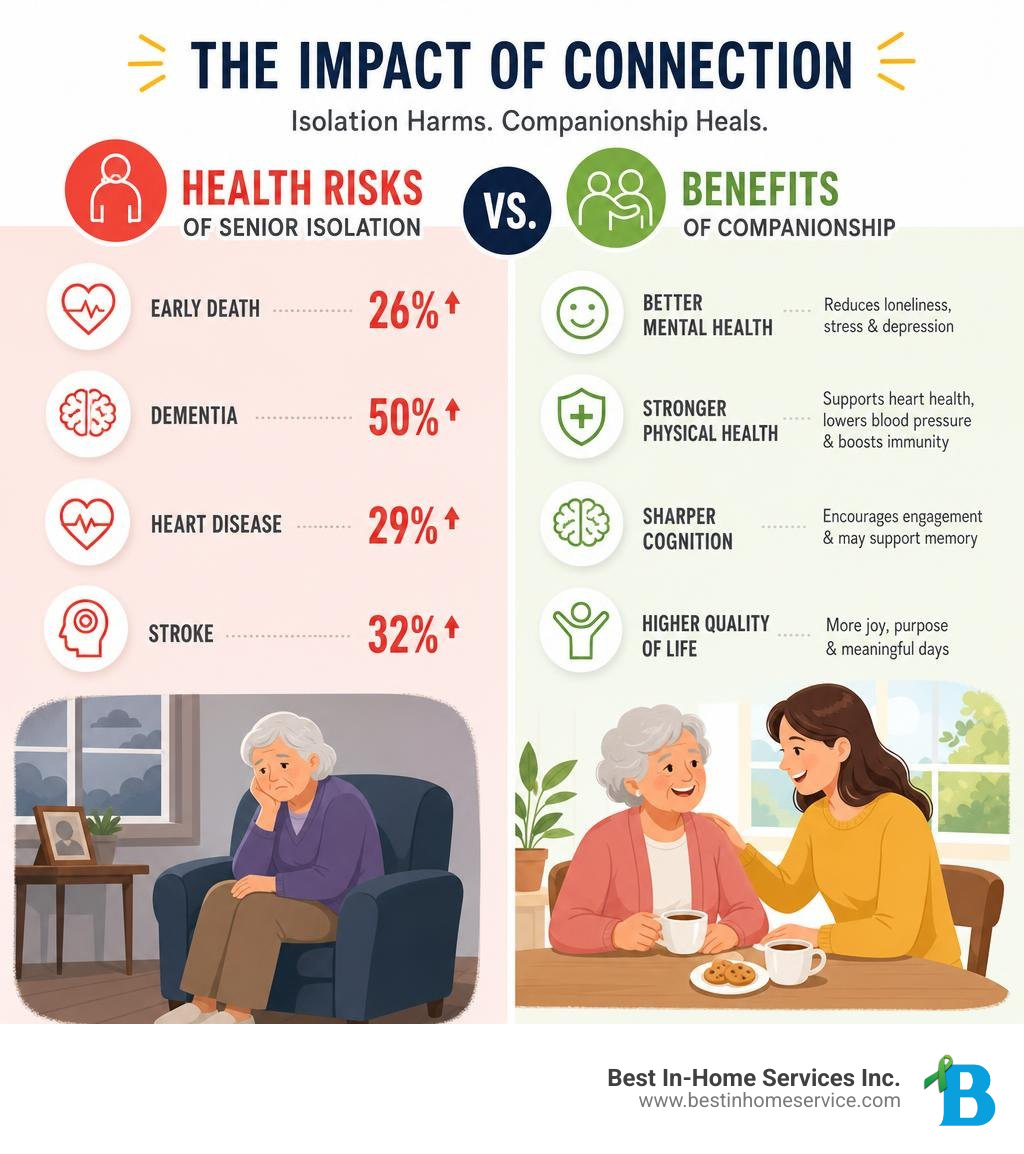
- Why it matters: Loneliness raises the risk of early death by 26%, dementia by 50%, heart disease by 29%, and stroke by 32%
The numbers are hard to ignore. Nearly 43% of adults aged 60 and older report feeling lonely — and for those living alone, that number is even higher. Yet loneliness in older adults is still widely overlooked as a serious health risk.
The good news? Consistent, caring companionship makes a measurable difference. Seniors who receive regular social visits show improved mental health outcomes and lower rates of depression. Something as simple as a shared cup of tea or a walk to the park can genuinely change someone’s health trajectory.
I’m Lily Harrison, General Manager at Best In-Home Services Inc., where I’ve spent years coordinating personalized companionship for elderly clients and their families across Chicago and Illinois. This guide pulls from that hands-on experience to help you understand your options, recognize the warning signs of isolation, and find the right support for your loved one.
Understanding Companion Care: How It Differs from Personal and Medical Care
When families begin researching options for their aging parents, they are often overwhelmed by the industry jargon. You will hear terms like “companion care,” “personal care,” and “home health care” thrown around as if they are interchangeable. They are not.
To make the best decision for your family, it helps to understand exactly what companion care is—and what it isn’t. At its core, companion care is about emotional connection, socialization, and non-medical assistance. It is designed to help older adults remain safely in their own homes while enjoying active, engaged lives. If you are exploring options for your family, understanding Why Senior Care at Home is the Best Choice for Aging in Place can help clarify why this non-medical layer of support is so powerful.
Companion Care vs. Personal Care
The easiest way to distinguish between companion care and personal care is to look at the level of physical contact and assistance required:
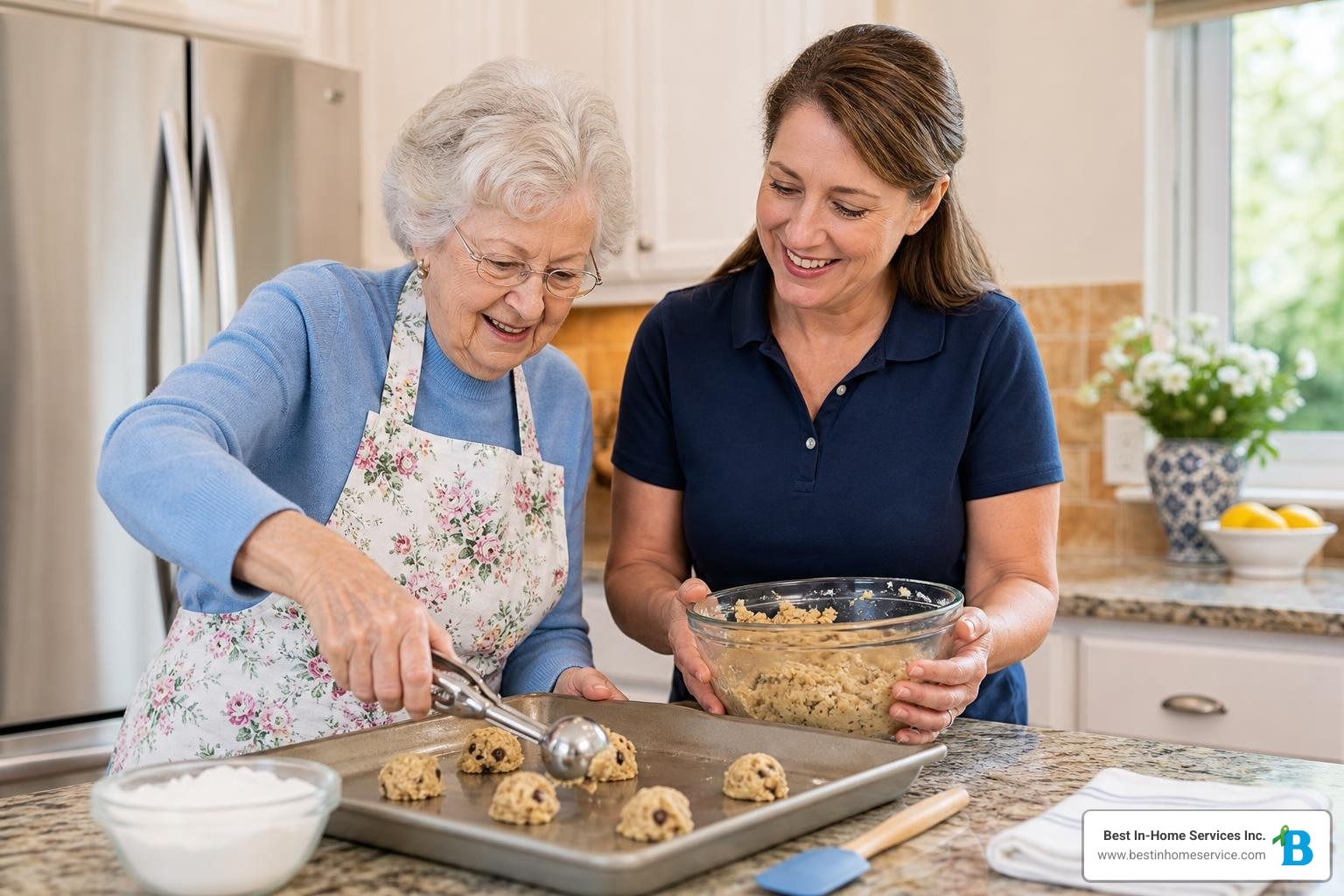
- Companion Care: This is entirely hands-off. A companion focuses on keeping your loved one socially engaged and helping with daily household flow. They will play board games, discuss current events, help bake a favorite recipe, go for walks, and tidy up the living room.
- Personal Care: This is hands-on. Personal care is required when a senior needs direct physical assistance with activities of daily living (ADLs). This includes bathing, dressing, toileting, grooming, and mobility support (such as transferring from a bed to a wheelchair).
While a companion can sit with your father and keep him company while he eats, a personal care aide is required if he needs physical assistance feeding himself or getting safely to the bathroom.
Understanding the Limits: Non-Medical vs. Clinical Care
It is equally important to understand the boundary between non-medical home care and clinical (medical) home health care:
- Non-Medical Support: Both companion care and personal care fall under this umbrella. Non-medical caregivers cannot perform clinical tasks. They cannot dress open wounds, administer injections, manage IV lines, or adjust prescription medication dosages.
- Clinical Care (Home Health): This must be ordered by a physician and is provided by licensed medical professionals, such as Registered Nurses (RNs), Physical Therapists (PTs), or Occupational Therapists (OTs). It is typically short-term, medical care following a hospital stay or a major medical event.
Understanding these safety boundaries ensures your loved one receives the correct level of care. If your mother only needs someone to drive her to the grocery store, keep her company during lunch, and help her with basic household tasks, companion care is the perfect, least-intrusive fit.
Why Companionship for Elderly Adults Is One of the Most Important Parts of Senior Care
Human beings are wired for connection. Yet, as we age, our social circles naturally shrink. Friends move away or pass on, driving becomes difficult, and mobility limitations keep us inside.
According to the National Institute on Aging: Health Risks of Social Isolation, prolonged isolation is as damaging to a senior’s health as smoking 15 cigarettes a day. Loneliness is not just a sad feeling; it is a clinical risk factor.
When older adults have regular, meaningful companionship, the health benefits are profound:
- Reduced Cognitive Decline: Socially active seniors have a significantly lower risk of developing dementia. Engaging in conversation and shared activities acts like a workout for the brain.
- Lower Rates of Depression: Regular visits provide seniors with something to look forward to, reducing feelings of hopelessness and anxiety.
- Improved Physical Well-Being: Companions encourage movement. Whether it is a stroll around the block or simple stretching, physical activity keeps joints loose and maintains cardiovascular health.
Recognizing the Need: Signs Your Loved One Needs Companionship for Elderly Care
It can be difficult for seniors to admit they are lonely. Often, they do not want to burden their busy adult children. Instead of waiting for them to ask for help, look out for these common warning signs:
- Social Withdrawal: They stop answering phone calls, cancel plans with friends, or express a lack of interest in hobbies they used to love.
- Neglected Nutrition: You notice expired food in the fridge, or they seem to be losing weight. Cooking a full meal for one person can feel pointless to a lonely senior, leading them to rely on simple toast or tea.
- Changes in Personal Hygiene: They are wearing the same clothes for several days or neglecting basic grooming, which can be a sign of depression or physical struggle.
- A Messy Home: Mail piling up, unwashed dishes, or a dusty house often indicate that keeping up with the home has become too overwhelming.
- Cognitive Changes: Increased forgetfulness, confusion, or repeating the same stories can stem from a lack of daily mental stimulation.
Providing Crucial Respite for Family Caregivers
If you are currently caring for an aging parent, you know how demanding it can be. Balancing your own career, children, and personal life with the needs of a senior parent is a fast track to caregiver burnout.

Many family caregivers feel guilty at the thought of stepping away. However, introducing a professional companion is not “giving up”—it is a healthy way to preserve your relationship with your parent. When you bring in a trusted companion, you transition from being a stressed-out taskmaster back to being a supportive daughter or son.
Having a professional step in gives you the peace of mind to take a worry-free break, knowing your loved one is safe and smiling. For advice on navigating this step, you can read about Finding the Perfect Match Among Professional Caregivers for Seniors to see how the right fit can transform your caregiving dynamic.
What Services Are Included in Companion Care?
Companion care is highly customizable. Because it is non-medical, the daily routine is shaped entirely by what brings joy, comfort, and ease to your loved one’s life. It is about doing things with seniors, rather than just for them, keeping them actively engaged in their own lives.
To learn more about how this support goes beyond basic assistance, check out Household Help for Seniors: More Than Just Chores, It’s Peace of Mind. Here is a breakdown of what a companion’s day typically looks like:
Everyday Assistance and Housekeeping
A companion helps keep the household running smoothly, taking the physical burden off the senior’s shoulders:
- Light Housekeeping: Dusting, vacuuming, wiping down countertops, taking out the trash, and keeping walkways clear of clutter to prevent falls.
- Meal Preparation: Planning and cooking nutritious, delicious meals, and cleaning up afterward. Companions often turn mealtime into a social event, sitting down to share a conversation over lunch.
- Laundry and Linens: Washing, folding, and putting away clothes, as well as changing bedsheets.
- Pet Care: Feeding pets, taking the dog for short walks, or cleaning out the cat’s litter box.
Transportation and Errands
Losing the ability to drive is one of the most painful blows to a senior’s independence. A companion caregiver restores that freedom:
- Grocery Shopping and Errands: The companion can run these errands independently, or better yet, take the senior along so they can pick out their own groceries and stay connected to their community.
- Medical Appointments: Driving the senior to doctor visits, helping them navigate the waiting room, and ensuring they get safely back home.
- Social Outings: Whether it is a trip to the local library, a visit to a botanical garden, or meeting friends for coffee, companions make sure life remains full of fun outings.
Selecting the Right Companion Care Solution for Your Family
Finding the right care solution requires balancing your loved one’s specific social and physical needs with your family’s schedule and budget.
| Feature | Informal / Family Caregiving | Professional Companion Care Agencies |
|---|---|---|
| Cost | Free (financially), but high personal toll | Hourly or monthly fee (investment in professional support) |
| Reliability | Subject to family schedule conflicts, illness, or work | Guaranteed coverage with professional backup caregivers |
| Training | Rely on love and intuition; rarely formal | Certified staff trained in dementia, fall prevention, and aging |
| Safety | No formal background checks required | Rigorous screening, criminal checks, and fully insured |
| Care Plans | Often informal and reactive to crises | Structured, proactive, and customized to evolving needs |
The Advantages of Professional Companion Care
While relying on family or neighbors is a wonderful starting point, it often becomes unsustainable over time. Professional companion care agencies offer a level of stability that informal networks simply cannot match:
- Consistency and Reliability: If a family member gets sick or has to work, the senior is left without care. Professional agencies have a deep pool of certified staff, ensuring a backup caregiver is always available.
- Professional Training: Our caregivers are trained to handle the unique challenges of aging, including early-stage cognitive decline, mobility limitations, and behavioral changes.
- Customized Care Plans: We do not believe in a one-size-fits-all approach. We build custom care plans tailored to your loved one’s personality, schedule, and interests.
How to Choose the Right Provider of Companionship for Elderly Family Members
If you are looking for local services in the Chicagoland area, it is vital to select a reputable, licensed provider. Whether you need companion care in Downers Grove, Naperville, Chicago, Schaumburg, or other surrounding suburbs, you should look for agencies that offer localized, high-quality support tailored to your neighborhood.
When interviewing any agency, always ask about their caregiver screening process, background check policies, and how they match caregivers to seniors based on personality. Making the right choice is crucial, and reading about Home Care vs Assisted Living: Which is Right for Your Family? can help you weigh your options.
Understanding the Costs and Funding Options for Companion Care
One of the most common questions families ask is: How do we pay for companion care? Because companion care is non-medical, it is generally not covered by standard health insurance or traditional Medicare. However, there are several viable funding routes to explore.
Hourly Rates in 2026
In 2026, the cost of professional companion care in the Chicagoland area typically ranges from $35 to $50 per hour, depending on the agency, the complexity of the care plan, and the location. Most agencies require a minimum visit length (usually 3 to 4 hours) to ensure consistent, high-quality care.
Funding Options to Explore
- Private Pay: This is the most common way families pay for companion care, using personal savings, retirement income, or family contributions.
- Long-Term Care Insurance: If your loved one has a long-term care policy, it may cover companion care services, provided the policy’s specific triggers (such as needing assistance with a certain number of ADLs) are met.
- Medicaid Waivers: In Illinois, the Community Care Program (CCP) helps older adults live independently. Eligible low-income seniors may qualify for subsidized companion and homemaker services.
- Illinois Senior Companion Program: Administered through the state, this program connects low-income seniors with volunteers aged 55 and older. To find out if your county participates or to apply, visit the Senior Companion – Illinois Department on Aging portal.
- Veterans Benefits: Veterans or their surviving spouses may qualify for the Aid and Attendance benefit, which can help cover the cost of in-home companionship and personal care.
Frequently Asked Questions about Companion Care
What is the average hourly rate for companion care in 2026?
In 2026, professional companion care agencies in Illinois generally charge between $35 and $50 per hour. This rate covers a fully vetted, background-checked, insured, and certified caregiver. Rates can vary slightly based on the specific location within the Chicagoland area and the number of hours scheduled per week.
Can companion caregivers administer medications?
No. Because companion caregivers are non-medical, they cannot legally administer medications (such as pouring pills, measuring liquid dosages, or giving injections). However, they can provide crucial medication reminders, ensuring your loved one takes their prescribed medicine at the correct times. If clinical administration is required, it must be overseen by a licensed nurse.
How do companion services support seniors with mild dementia?
For seniors with mild dementia or Alzheimer’s, routine and familiarity are everything. Companions provide a safe, calm environment by maintaining a consistent daily schedule. They engage seniors in cognitive exercises, prompt memory recall by looking through photo albums, and prevent wandering or confusion, allowing them to age safely in a familiar home environment.
Conclusion: Finding the Perfect Solution for Your Family
Providing quality companionship for elderly family members is one of the greatest gifts you can offer them. It is an investment in their happiness, safety, and physical longevity.
At Best In-Home Services Inc., we specialize in delivering personalized, 24/7 in-home support with certified staff across Chicago, Downers Grove, Winnetka, Naperville, and the surrounding suburbs. Whether your loved one needs a few hours of friendly conversation a week or comprehensive dementia care, our custom care plans are designed to bring your family peace of mind.
If you are trying to decide which route is best for your family, take a look at our detailed guide: Companion Care Services for Seniors: Rent a Bestie or Professional Help?.
Ready to find the perfect companion match for your loved one? Contact Best In-Home Services Inc. today to schedule a complimentary consultation. Let’s work together to keep your loved one connected, safe, and thriving at home.






 1-224-636-5200
 1-224-636-5210
  425 Huehl Rd 13B Northbrook IL 60062