
Why Finding the Right Caregivers for Seniors Changes Everything
Finding the best caregivers for seniors is one of the most important decisions a family can make — and one of the hardest.
Here’s a quick overview of what professional senior caregivers provide:
- Personal care – bathing, dressing, grooming, and toileting
- Companion care – socialization, emotional support, and daily engagement
- Meal preparation – nutrition planning and cooking
- Medication reminders – ensuring prescriptions are taken on time
- Transportation – appointments, errands, and community activities
- Memory care – specialized support for dementia and Alzheimer’s
- Respite care – temporary relief for family caregivers
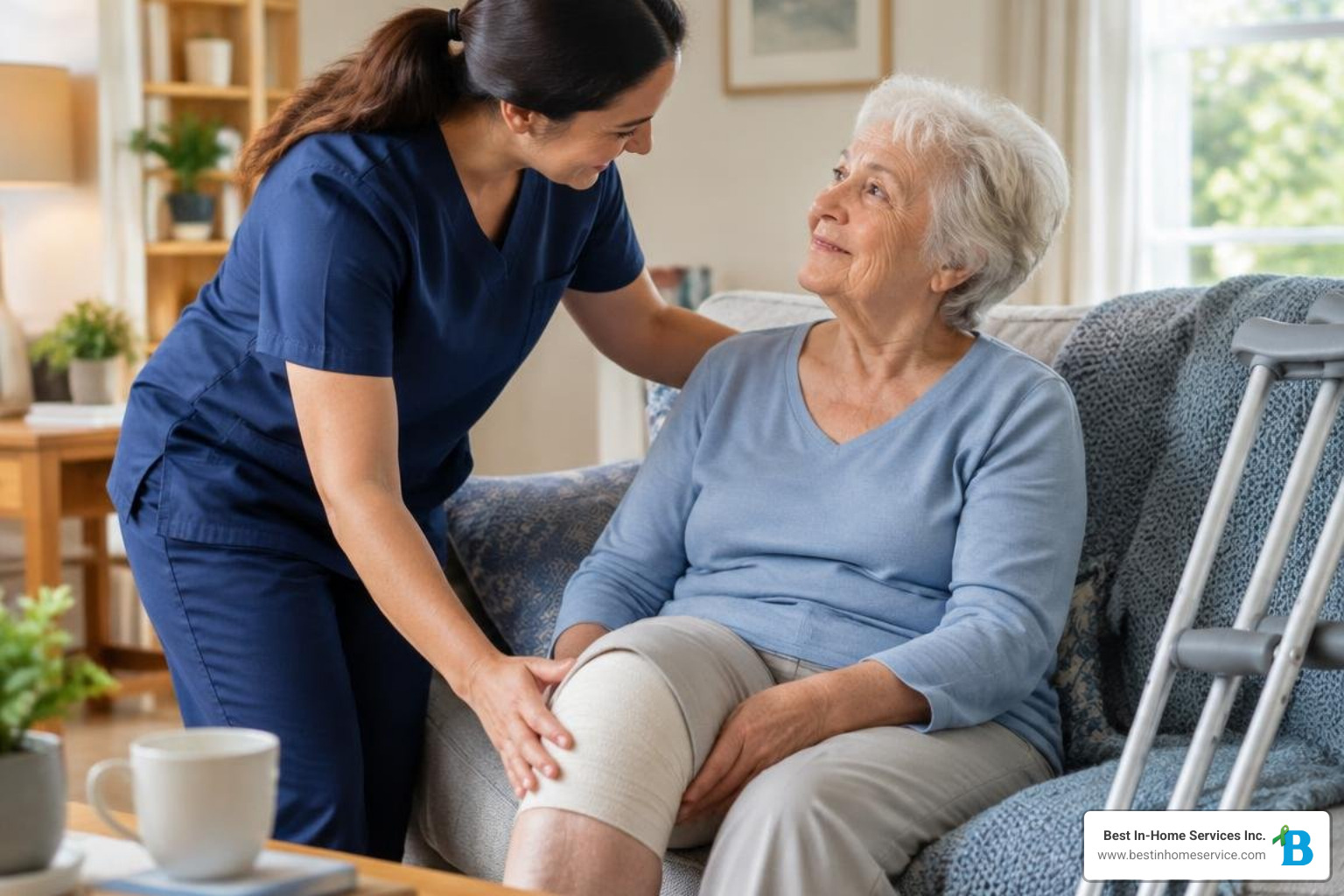
- Transitional care – support after a hospital stay or surgery
Most services can start within 48 hours of an initial consultation. Medicare generally does not cover non-medical home care, but Medicaid, veterans benefits, and long-term care insurance may help cover costs.
If your parent, grandparent, or loved one is struggling with daily tasks — or showing early signs of memory loss — you already know the weight of that worry. You want them safe. You want them comfortable. And you want someone you can trust in their home.
The numbers tell a striking story. In 2024 alone, caregivers across the country delivered 49.5 billion hours of care, representing roughly $1 trillion in unpaid support. Much of that falls on family members who are stretched thin, balancing jobs, kids, and their own health.
Professional in-home care exists to change that equation — giving seniors the personalized, consistent support they need while giving families real peace of mind.
This guide walks you through everything: the types of care available, how to pay for it, how to find the right person, and what government programs can help.
Essential Services Provided by Caregivers for Seniors
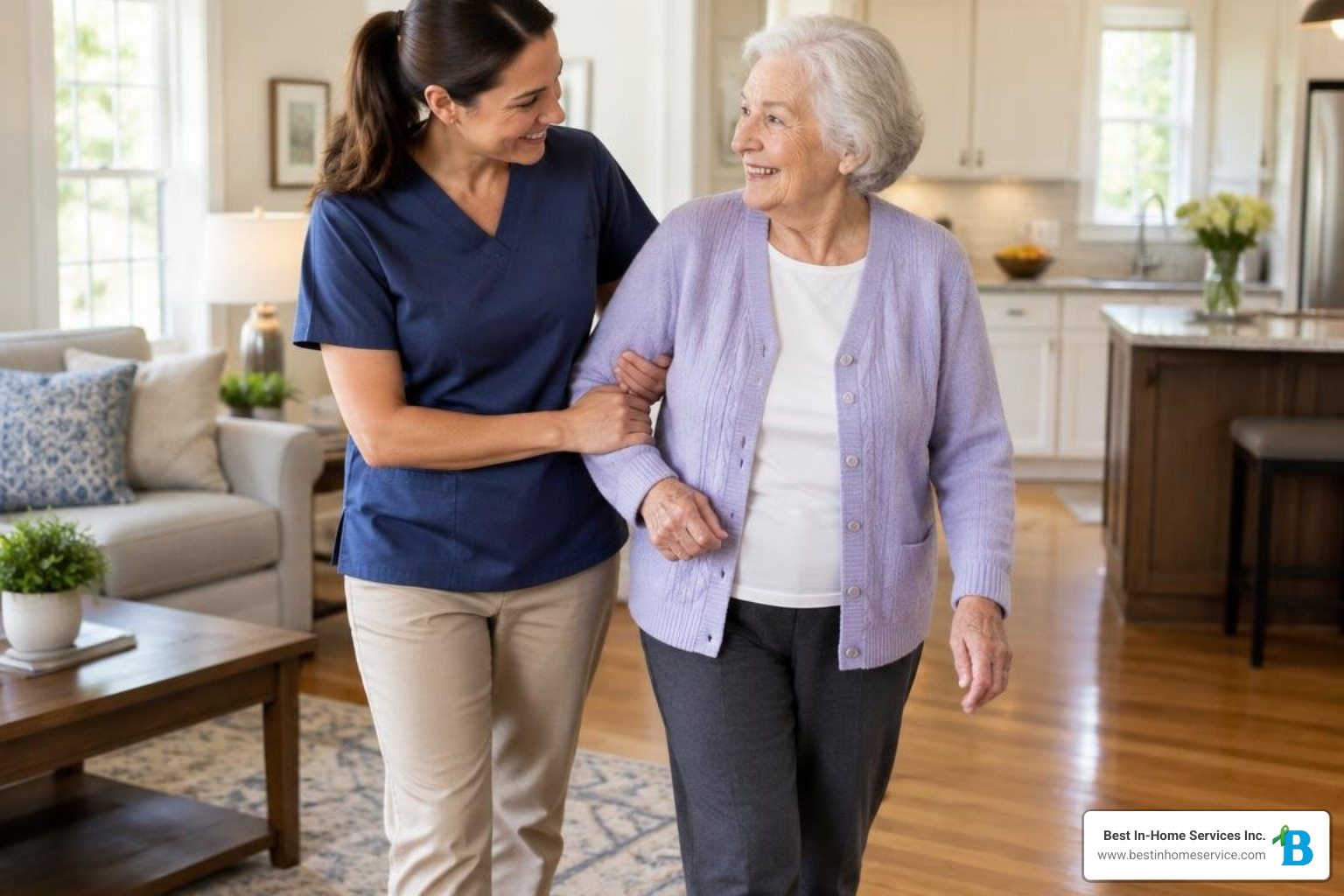
When we talk about caregivers for seniors, we aren’t just talking about someone who “keeps an eye” on a loved one. Modern professional caregiving is a comprehensive support system designed to help seniors thrive in their own homes.

At the heart of these Services is assistance with Activities of Daily Living (ADLs). This includes Personal Care tasks like bathing, dressing, and grooming—tasks that can become physically difficult or even dangerous for seniors to perform alone. Beyond hygiene, caregivers provide essential Household Help, taking over light housekeeping, laundry, and organization so the home remains a safe, sanitary environment.
One of the most overlooked but vital services is Nutrition and Meal Planning. Many seniors struggle with “tea and toast” syndrome—eating easy but nutritionally poor meals. Professional caregivers ensure that seniors receive balanced, delicious meals tailored to their dietary needs. Furthermore, they provide Senior Appointment Assistance, which is far more than just a ride; it’s about having a companion who can help them get into the doctor’s office safely and settle back in at home afterward.
Non-Medical Home Care vs. Home Health Care
It is very common for families in Chicago or the North Shore to feel confused about the difference between these two types of care.
- Home Health Care: This is clinical care. It is usually prescribed by a physician and performed by licensed nurses or therapists. It includes things like wound care, physical therapy, or administering injections. It is often short-term, following a surgery or a specific medical event.
- Non-Medical Home Care: This is what most people mean when they search for caregivers for seniors. It focuses on companionship and help with daily life. While it isn’t “medical,” it is life-sustaining. It’s the difference between having someone to help you manage your diabetes through meal prep and having a nurse give you an insulin shot.
Choosing between Home Care vs Assisted Living often comes down to how much medical intervention is needed versus how much the senior values their independence.
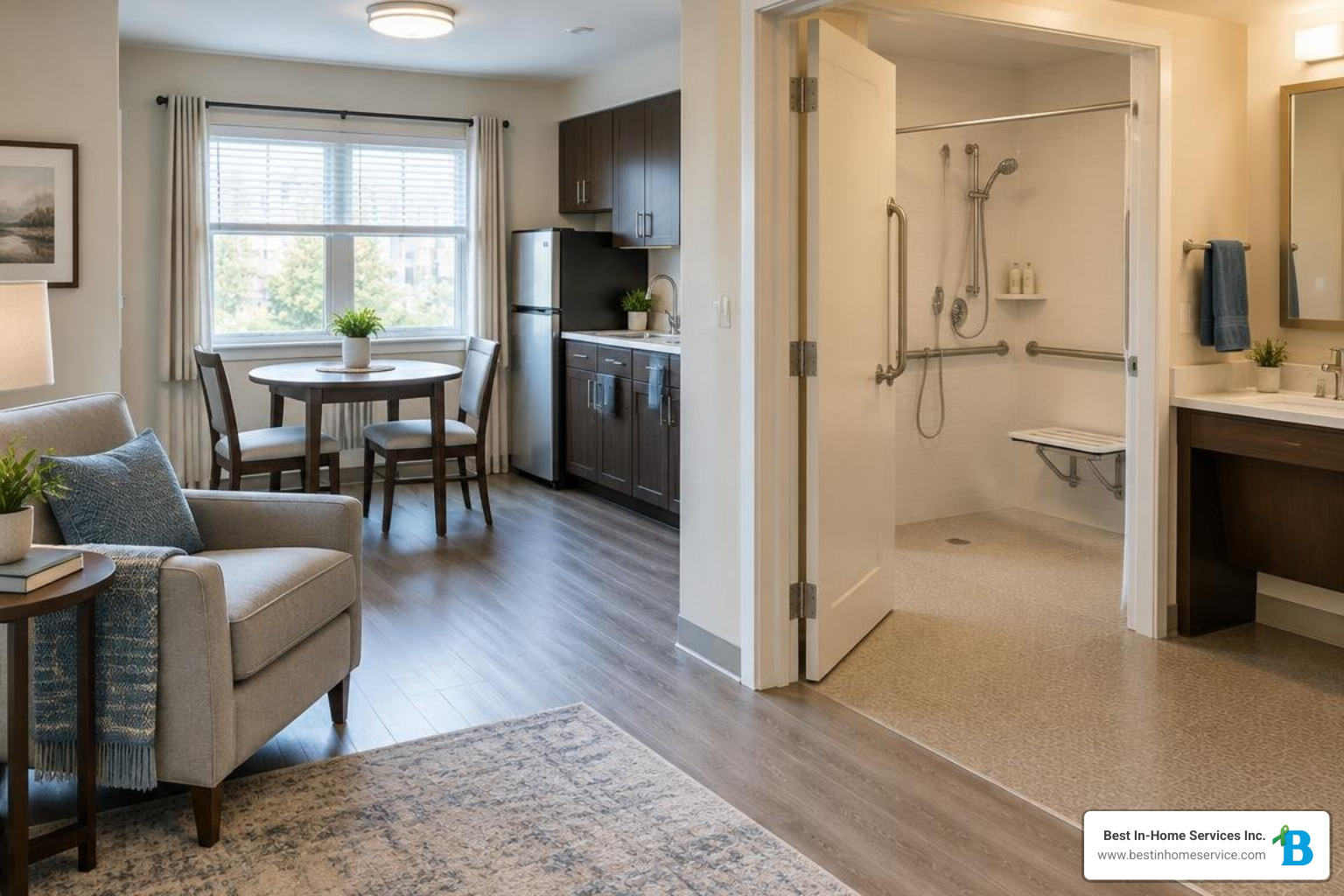
Benefits of Aging in Place
“Aging in place” isn’t just a buzzword; it’s a preference for the vast majority of seniors. Staying in a familiar environment where every corner holds a memory provides a massive boost to emotional health.
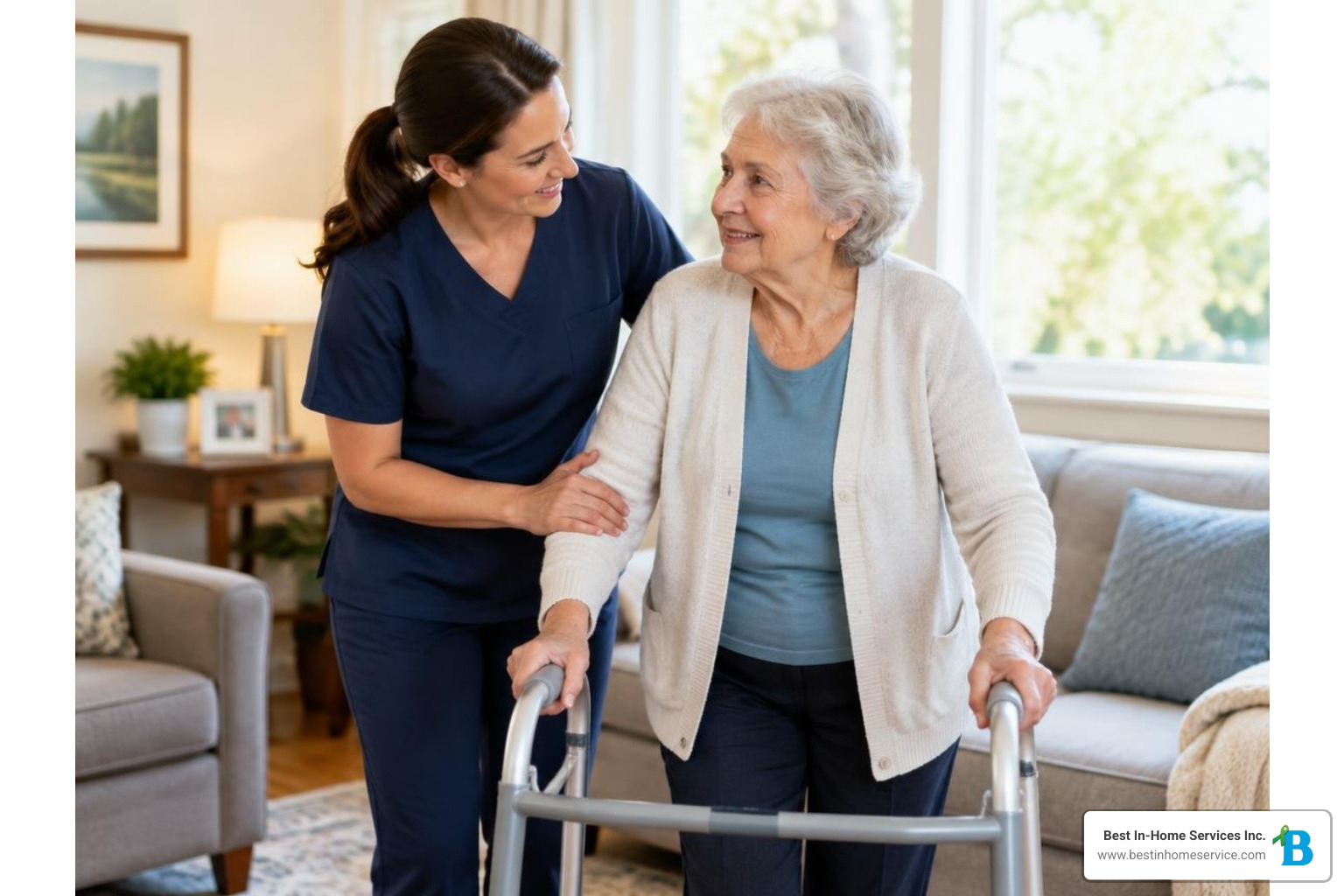
When a senior stays home with professional support, they are often safer than they would be alone. Caregivers can Maximize Mobility by encouraging safe exercise and movement, which prevents the muscle atrophy that leads to falls. Perhaps most importantly, statistics show that nearly 62% of caregivers believe that without these services, their loved one would be forced to live in a nursing home. Professional care preserves the dignity of independence.
Specialized Support for Chronic Conditions and Memory Care
As we age, health needs often become more complex. We don’t just provide general help; we offer Chronic Illness Home Care for conditions like Parkinson’s, heart disease, and respiratory disorders.

For example, How In-Home Care Can Support Diabetic Management involves careful monitoring of meal times and sugar levels to prevent dangerous spikes or drops. We also specialize in “transitional care”—the critical period after a senior is discharged from a hospital in Cook County or Lake County. Having a professional there to manage the new routine can prevent the “revolving door” of hospital readmissions.
Specialized Caregivers for Seniors with Dementia
Memory loss requires a specific kind of patience and expertise. When families notice the 10 Early Signs of Alzheimer’s, the home environment needs to change.
Our Alzheimer’s Care and Understanding Memory Care programs focus on cognitive engagement. This isn’t just about safety; it’s about quality of life. Caregivers are trained to manage “sundowning,” prevent wandering, and use redirection techniques that maintain the senior’s dignity even when they are confused.
Training and Certification Standards
You wouldn’t let just anyone into your home, and neither would we. In Illinois, professional caregivers often hold C.N.A. (Certified Nursing Assistant) certifications. But we look for more than just a certificate. We prioritize:
- Nurse Oversight: Ensuring that care plans are medically sound.
- Specialized Skills: Training in using Hoyer lifts for safe transfers or specialized feeding techniques.
- Character Vetting: We look for integrity and trust. A caregiver can have all the skills in the world, but if they don’t have compassion, they aren’t the right fit for our families.
Families looking for home care services in Schaumburg, Illinois or personal in-home health care in Lake County should always ask about the agency’s vetting process.
Navigating Costs, Insurance, and Government Programs
The cost of care is often the biggest hurdle for families. While we mentioned that caregivers provide $1 trillion in unpaid care, that often comes at a high personal cost to the family member’s own career and health.
| Funding Source | Covers Non-Medical Care? | Notes |
|---|---|---|
| Medicare | No | Only covers short-term, clinical “Home Health.” |
| Medicaid | Yes | Available for those who meet income/asset requirements. |
| Veterans Benefits | Yes | Through “Aid and Attendance” or Veteran-Directed programs. |
| Long-Term Care Insurance | Yes | Depends on the specific policy “triggers” (usually 2+ ADLs). |
| Private Pay | Yes | Offers the most flexibility and fastest start times. |
In Chicago, there are specific Support for Family Caregivers programs that can help navigate these waters. Locally, Area Agencies on Aging (AAA) are the best starting point for finding resources like the National Family Caregiver Support Program (NFCSP), which provides grants for respite care and training.
How Family Members Can Get Paid to Provide Care
Many people ask, “Can I get paid to care for my mom?” In Illinois, the answer is often yes. Programs like the Illinois Department on Aging’s Community Care Program or Medicaid waivers allow for “consumer-directed” care. This means the senior can “hire” a family member or friend to provide their care, and the state provides a stipend or hourly wage. This can provide much-needed financial stability for a family member who has had to quit their job to provide full-time support.
Veterans Benefits and Specialized Group Resources
For those who served, there are significant resources. The Aid and Attendance benefit is an addition to the standard VA pension that can help pay for caregivers for seniors. There are also specific resources for LGBTQ+ caregivers and veterans through the Eldercare Locator, ensuring that every senior receives care that respects their identity and history.
Finding and Selecting the Right Professional Caregiver
Selecting a caregiver is about more than just a resume; it’s about “chemistry.” You are looking for a “best friend” for your loved one, not just a staff member.
We recommend starting with a Free Assessment. This allows a care coordinator to see the home environment and understand the senior’s personality. Do they like to talk? Are they private? Do they enjoy walks in the park, or would they rather play cards?
Finding and Vetting Professional Caregivers for Seniors
When looking for home health care caregivers in Cook County, you have two main choices: an agency or a direct hire.
- Agencies: We handle the background checks, taxes, insurance, and—crucially—backups. If your regular caregiver gets sick, we have someone else ready to step in.
- Direct Hire: You are the employer. This can be cheaper, but you are responsible for vetting, payroll taxes, and finding a replacement if they can’t make it.
Our Individual Services focus on matching the caregiver’s skills and personality to the senior’s routine. If your father has always been an early riser, he needs a caregiver who is ready to start the day at 6:00 AM, not someone who prefers afternoon shifts.
Respite Care Options for Family Balance
Caregiving is a marathon, not a sprint. If you don’t take a break, you will burn out. Respite care is temporary relief—it could be for a few hours a week or a few weeks while you go on vacation.
The impact is measurable: 88% of caregivers who use these services report it helped them be a better caregiver, and 74% said it enabled them to provide care at home for much longer than they could have otherwise. Whether you need home care in Winnetka or home care services in Downers Grove, respite care is an investment in your own health as much as your loved one’s.
Frequently Asked Questions about Senior Caregivers
How quickly can home care services typically start?
In most cases, we can have a caregiver in the home within 48 hours of the initial consultation. In emergency situations, such as an unexpected hospital discharge, some agencies can even provide same-day support.
Does Medicare cover non-medical in-home care?
Generally, no. Medicare is designed for medical recovery, not long-term assistance with daily living. However, if your loved one has a Long-Term Care insurance policy or qualifies for certain Medicaid programs in Illinois, those costs may be covered.
What is the difference between a caregiver and a home health aide?
The terms are often used interchangeably, but a “caregiver” usually refers to non-medical support (companionship, ADLs), while a “home health aide” (HHA) often has more clinical training and works under the supervision of a nurse to provide basic medical monitoring.
Conclusion
At Best In-Home Services Inc., we believe that every senior in Chicago and the surrounding suburbs deserves to live with dignity, safety, and joy. Whether you are looking for Alzheimer’s Care in Naperville or Home Services in Evanston, our goal is to find that “perfect match”—a caregiver who feels like family.
We provide 24/7 support with a certified staff that understands the unique needs of Illinois families. From the first Free Assessment to the daily moments of companionship, we are here to support your family’s journey.
Learn more about our professional home care services and see why so many families in the Chicago area trust us to care for their most precious members. Don’t wait until a crisis happens—start the conversation today and give your loved one the gift of aging in place with the respect they deserve.


 1-224-636-5200
 1-224-636-5210
  425 Huehl Rd 13B Northbrook IL 60062