
What Is Short Term Respite Care and How Does It Work?
Short term respite care provides temporary, professional support for care recipients so primary caregivers can take a well-deserved break. This type of care differs from long-term residential placement or ongoing daily home care because it is expressly designed with a beginning and an end date. Whether you need coverage for three hours on a Tuesday afternoon or two weeks while you travel, respite care fills the gap without requiring a permanent commitment.
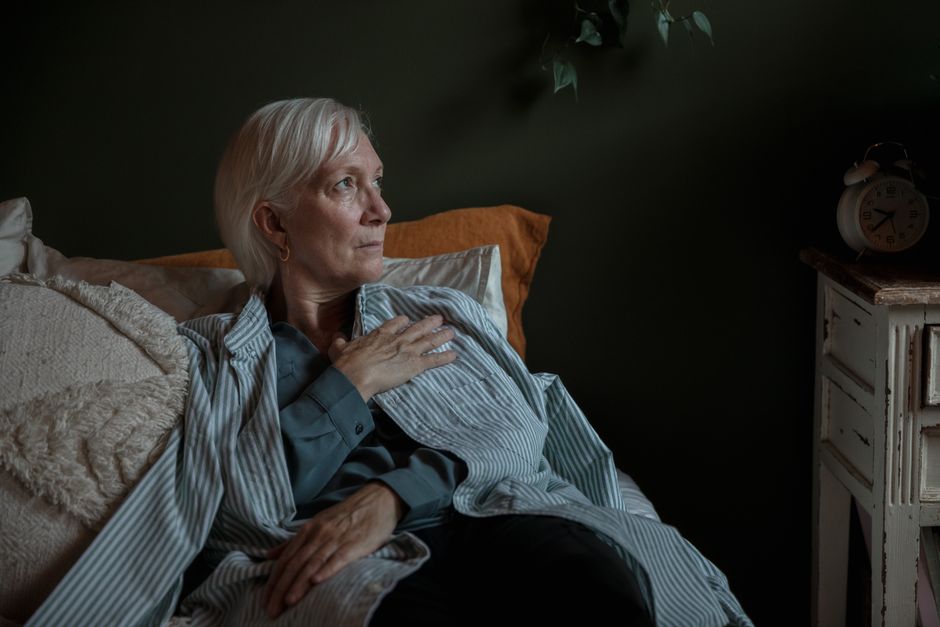
The ongoing physical and emotional demands of caregiving take a silent toll. Research shows that roughly 20% of caregivers suffer from depression—and that is a conservative estimate. When family members stretch themselves too thin, their own physical and mental health suffers, which ultimately impacts the quality of care they can provide.
Demands for professional support are accelerating rapidly across Cook, DuPage, and Lake counties. In fact, the U.S. Bureau of Labor Statistics projects that demand for home health and personal care aides will grow by 21% through 2033—much faster than the national average for other occupations. Embracing temporary care isn’t a sign of giving up; it is an essential management strategy for sustainable family caregiving.
Key Benefits of Short Term Respite Care for Caregivers
Taking a structured pause from caregiving duties preserves family balance and personal health. When you schedule regular breaks, you give yourself space to rest, stay active, attend to your own medical needs, and spend uninterrupted time with other family members.
Here is how short-term support transforms the caregiving experience:
- Burnout prevention: Scheduled downtime reduces chronic stress, lowers anxiety levels, and mitigates the risk of caregiver depression.
- Physical rest and recovery: Caregiving often involves physically demanding tasks, such as assisting with mobility or waking up throughout the night. Respite allows you to catch up on vital sleep.
- Emotional reset: Stepping away allows you to return to your loved one with renewed patience, energy, and affection rather than feeling overwhelmed.
- Time for personal care: You can attend your own dentist visits, go to the gym, or grab a coffee with friends without feeling guilty or rushed.
To explore local options across Chicago and the surrounding suburbs, review our detailed guide on respite care options in Chicago.
Who Benefits Most From Temporary Senior Care?
Short-term support offers distinct benefits to both the primary caregiver and the person receiving care. Care recipients gain social interaction with friendly faces, routine changes, and structured engagement that brightens their day.
Temporary care is especially valuable in several common scenarios:
- Seniors recovering after hospitalization: Older adults returning home after surgery or illness often need extra supervision, assistance with daily activities, and rehabilitation support. Learn more about managing this phase in A Guide to Post Hospitalisation Care and Recovery.
- Individuals living with memory loss: Seniors with Alzheimer’s or other forms of dementia benefit from protective supervision and comforting routines provided by specialized aides, giving family members peace of mind.
- Primary family caregivers experiencing exhaustion: Spouses or adult children who feel chronically fatigued, irritable, or emotionally drained need immediate, reliable relief to restore their personal balance.
Exploring Types of Short-Term Respite Care Options
Every family dynamic is unique, which is why short-term temporary care comes in several distinct forms. Depending on your loved one’s preferences, mobility, and medical needs, you can choose between receiving care in the comfort of home, enrolling in a local day program, or scheduling a short stay at a residential community.
| Respite Care Option | Best Suitable For | Typical Duration | Primary Focus |
|---|---|---|---|
| In-Home Respite Care | Aging in place, familiarity, specialized dementia care | A few hours to 24/7 block shifts | Personal care, companionship, light housekeeping, medication reminders |
| Adult Day Centers | Socially active seniors, working family caregivers | Daytime hours (4–8 hours/day) | Social activities, supervised group recreation, meals, cognitive stimulation |
| Residential Stays | Vacation coverage, intensive post-hospital rehab, caregiver travel | 3 days to several weeks | 24/7 supervision, communal dining, access to facility amenities and trial stays |
In-Home Care and Personal Support Services
In-home respite care allows your loved one to remain comfortably in their familiar home environment while a professional caregiver steps in. At Best In-Home Services Inc., our certified personal care aides seamlessly adapt to your family’s established routine.
Services provided during an in-home visit typically include:
- Personal care assistance: Gentle, dignified help with bathing, dressing, grooming, and toileting.
- Companionship and engagement: Reading together, playing cards, sharing conversation, or going on walking strolls.
- Household support: Light meal preparation, washing dishes, tidying up living spaces, and managing laundry.
- Safety oversight: Mobility assistance, fall prevention, and timely medication reminders.
If you are considering home-based care across Chicagoland, learn more about our specialized in-home respite health care services.
Adult Day Centers and Residential Respite Stays
For care recipients who enjoy socializing outside the house, adult day centers provide a vibrant environment featuring arts, music therapy, exercise programs, and communal meals during normal business hours. This setting is ideal for working family members who need reliable weekday coverage.
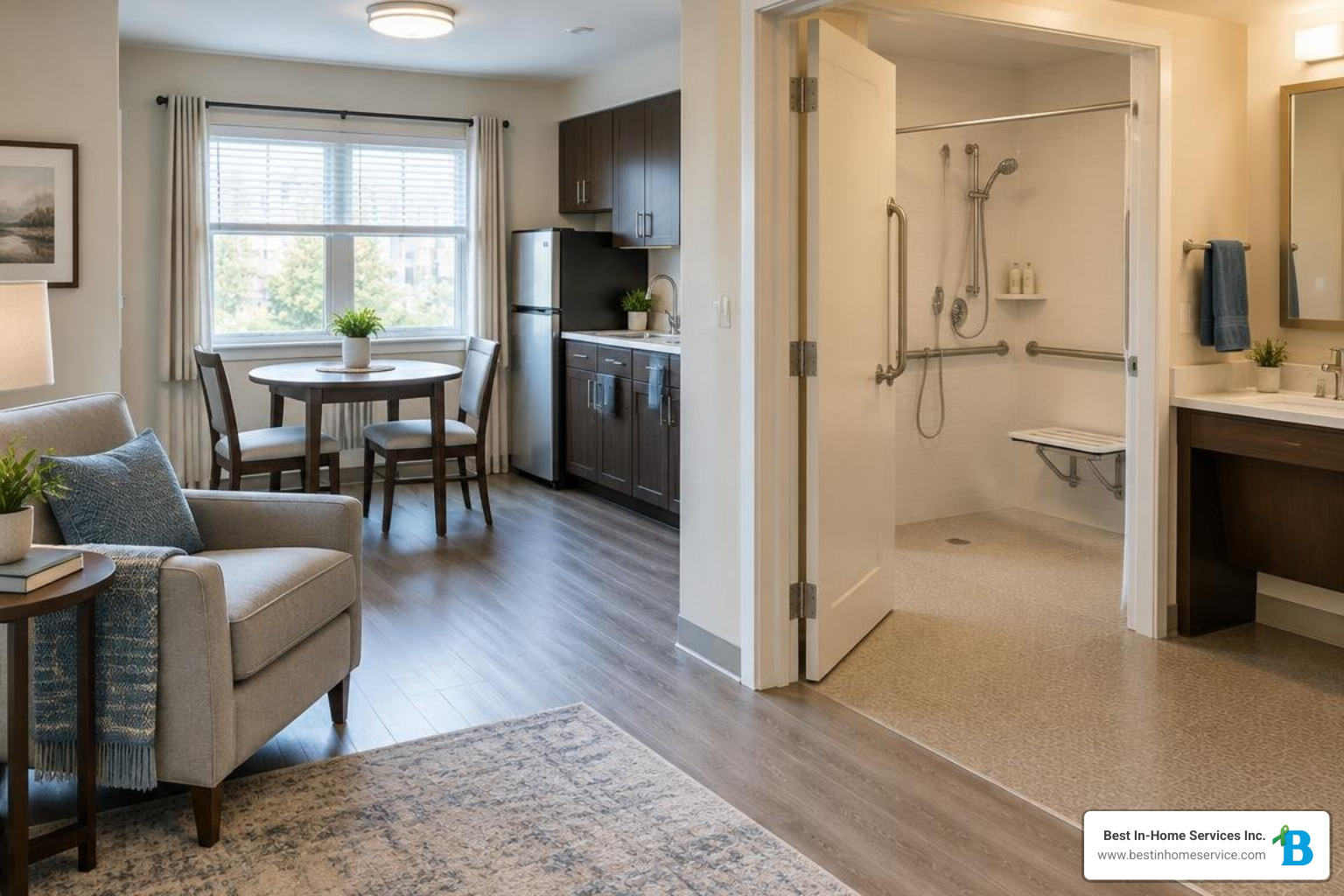
Alternatively, residential respite care involves a temporary stay at an assisted living or memory care facility. These short-term residential stays—which range from a few days to a month—are ideal when primary caregivers travel for vacation or business. Many families also use short residential stays as a low-pressure “trial run” to see how well a senior adapts to a community setting before deciding on any permanent move.
How to Arrange Short Term Respite Care Step-by-Step
Setting up care for the first time is straightforward when broken down into clear steps:
- Assess your specific care needs: List the daily tasks, mobility assistance, medication schedules, and dietary requirements your loved one needs.
- Determine the schedule: Decide whether you need short recurring visits (e.g., four hours twice a week) or a continuous block of care.
- Evaluate qualified care providers: Look for licensed agencies with certified, background-checked caregivers. Read our expert advice on how to pick in-home care providers to make an informed choice.
- Conduct a trial run: Schedule a brief initial visit while you are still at home to help your loved one and the caregiver get comfortable with each other.
- Establish emergency protocols: Prepare a cheat sheet containing medical conditions, emergency contact numbers, doctor info, and daily preferences.
Costs, Insurance, and Financial Assistance Options
Understanding the financial landscape helps families plan respite care without unnecessary stress. Costs vary based on the level of care required and the setting chosen. Out-of-pocket costs for private in-home care agencies are billed hourly, while adult day programs generally charge flat daily rates, and residential facilities charge per night.

Across the Chicago market, in-home respite generally runs $30 to $45 per hour, adult day programs $80 to $150 per day, and residential respite stays $150 to $300+ per night. These are general market ranges rather than any single provider’s pricing.
At Best In-Home Service, Inc., respite care is $37 per hour, with a 3-hour minimum per visit. Companion and homemaker coverage is $35 per hour, dementia and Alzheimer’s care is $42 per hour, overnight and weekend respite is $40 per hour, and holiday coverage is $45 per hour. Extended or continuous respite is quoted at a customized rate, and mileage for transportation is billed separately at $0.75 per mile.
Financial coverage options include:
- Medicare limitations: Standard Original Medicare (Part A and B) does not cover non-medical in-home respite care or long-term custodial support. However, Medicare Part A does cover up to 5 consecutive days of inpatient respite care in a Medicare-approved hospital or nursing facility for patients enrolled in hospice care.
- Medicaid Waivers: Illinois Medicaid offers Home and Community-Based Services (HCBS) waivers—such as the Community Care Program—that assist qualifying low-income seniors with home care and respite services. Check state resources like the Illinois DHS respite programs for local eligibility criteria.
- Veterans Affairs (VA) Benefits: Eligible veterans receiving VA health care can qualify for up to 30 days of respite care per year in VA facilities or through approved community-based home care providers.
- Long-Term Care Insurance: Many private long-term care insurance policies explicitly reimburse home health care and respite stays once benefit triggers are met.
Community Resources and Area Agencies on Aging
Local public programs provide helpful support and financial grant assistance for family caregivers:
- Area Agencies on Aging (AAA): Local AAAs administer funding through the National Family Caregiver Support Program (FCSP), offering respite grants to family caregivers caring for adults aged 60 and older.
- Eldercare Locator: A nationwide public service connecting families with local community resources, home care options, and senior services.
- County Assistance Programs: Local municipal departments—such as DuPage County Community Services and Cook County social services—offer community grants, caregiver counseling, and respite voucher assistance.
Mobilizing Family and Friends for Informal Respite
Professional care is essential, but informal support networks offer extra relief. Relatives and friends often genuinely want to help but don’t know what to do unless you ask directly.

Try these actionable methods to delegate tasks:
- Create a clear task menu: Divide needs into specific tasks like “picking up groceries on Thursdays,” “staying with Mom for two hours on Saturday morning,” or “doing laundry.”
- Use shared digital calendars: Set up shared scheduling apps (like Lotsa Helping Hands or Meal Train) so family members can sign up for specific shifts without requiring endless group texts.
- Match tasks to skills: Ask a niece who loves cooking to meal-prep dishes for the week, or invite a friend who loves board games to drop by for a afternoon visit.
- Accept help graciously: When friends ask, “How can I help?”, give them a direct, simple task rather than saying, “Oh, we’re doing fine.”
For families caring for loved ones with progressive cognitive conditions, pairing informal help with professional, specialized Alzheimer’s care ensures safety around the clock.
Frequently Asked Questions About Short-Term Respite Care
How long can a short-term respite stay last?
A short-term respite stay is completely flexible depending on your family’s needs. In-home care visits can range from a quick 3-to-4-hour block shift to round-the-clock 24/7 care. Residential respite care stays at assisted living facilities typically range from a weekend up to 30 consecutive days.
How much does short-term respite care cost?
In-home respite in the Chicago area generally runs $30 to $45 per hour on the open market, with adult day programs around $80 to $150 per day and residential stays $150 to $300+ per night. At Best In-Home Service, Inc., respite care is $37 per hour with a 3-hour minimum per visit. Extended coverage is quoted individually.
Does Medicare cover the cost of short-term respite care?
Medicare only covers short-term respite care under the hospice benefit. If a patient is enrolled in Medicare hospice care, Medicare Part A will pay for up to 5 consecutive days of respite care in a Medicare-certified hospital or nursing facility, with only a minimal coinsurance charge. Standard non-hospice home care is paid out of pocket, through long-term care insurance, or via Medicaid waivers.
Can care recipients with dementia receive respite care?
Yes! Individuals living with dementia can safely receive respite care both in their own homes and in specialized residential memory care settings. Caregivers trained in memory support focus on gentle redirection, protective supervision, structured activities, and calm interactions to ensure care recipients feel comfortable and secure throughout their stay.
Conclusion
Carrying the responsibility of family caregiving without taking time to recharge leads to chronic stress, fatigue, and burnout. Utilizing short term respite care is an empowering choice that honors both your personal health and your loved one’s right to high-quality care. Stepping away for a few hours or days lets you reset, so you can return with warmth and energy.
At Best In-Home Services Inc., we take pride in serving families across Chicago, Downers Grove, Winnetka, Schaumburg, Naperville, Skokie, Evanston, and communities throughout Cook, DuPage, and Lake counties. Our certified, compassionate staff provides customized 24/7 in-home support, memory care, and elder care tailored to your family’s exact schedule.
Ready to take a well-deserved break? Contact us today to arrange temporary support, or explore our comprehensive in-home care services to build a respite plan that gives your family peace of mind.





 1-224-636-5200
 1-224-636-5210
  425 Huehl Rd 13B Northbrook IL 60062