
Live-In Home Care Services Help Seniors Stay Safe at Home
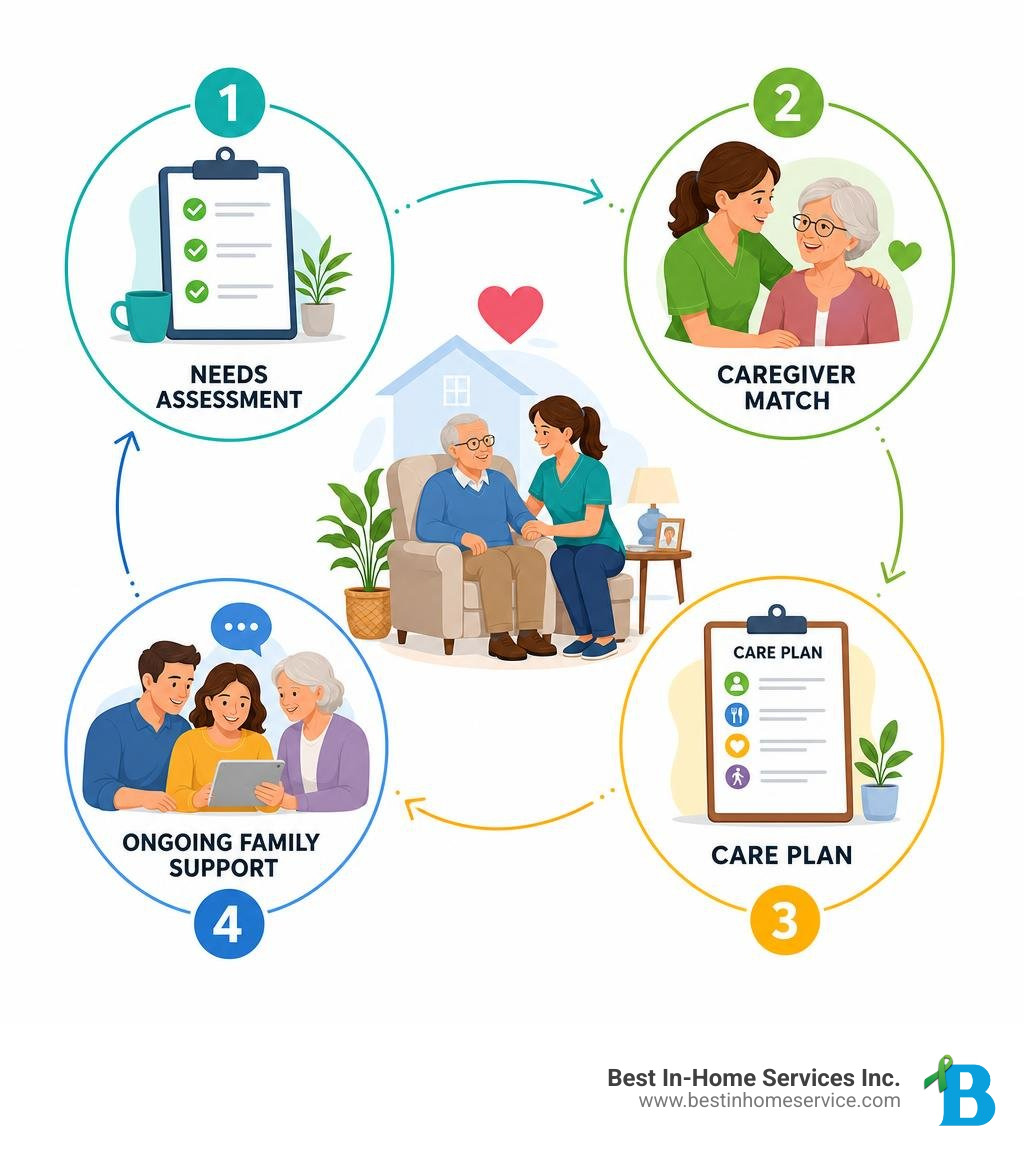
Live-in home care services bring ongoing, personalized help into a senior’s home. They can support bathing, dressing, meals, mobility, medication reminders, companionship, and daily routines while helping a loved one remain in familiar surroundings.
For many Chicago families, the first step is simple:
- List the support your loved one needs during the day and overnight.
- Decide whether a live-in caregiver with scheduled rest time or round-the-clock shift care is the safer fit.
- Choose an agency that screens, trains, and supervises caregivers.
- Build a care plan that can change as memory, mobility, or health needs change.
This option can be especially valuable for people living with dementia, memory loss, limited mobility, or a chronic condition. A consistent caregiver and a familiar home routine may reduce stress for the senior while giving family members clearer communication and greater peace of mind.
I’m Lily Harrison, General Manager at Best In-Home Services Inc., where I help families across Chicago and Illinois coordinate compassionate live-in home care services for seniors who need dementia care, daily support, or ongoing help at home. In this guide, I’ll explain how live-in care works, how it differs from 24-hour shift care, and what to consider before choosing support.
Explore more about live-in home care services:
Understanding Live-In Home Care Services and How They Work
When families explore long–term support options, many discover that senior care at home centers around comfort, dignity, and familiar routines. Live–in care provides a dedicated caregiver who resides inside the home for several consecutive days or weeks at a time. This arrangement creates a stable daily rhythm where personal habits, favorite meals, and cherished hobbies remain uninterrupted.

Unlike rotating drop – in visits that can feel rushed, a live – in professional weaves support naturally throughout the day. From the moment your loved one wakes up to when they settle in for the night, a trusted companion is right there. A comprehensive assessment helps us tailor every task to individual physical needs, cognitive abilities, and personal preferences across communities like Naperville IL and Schaumburg IL.
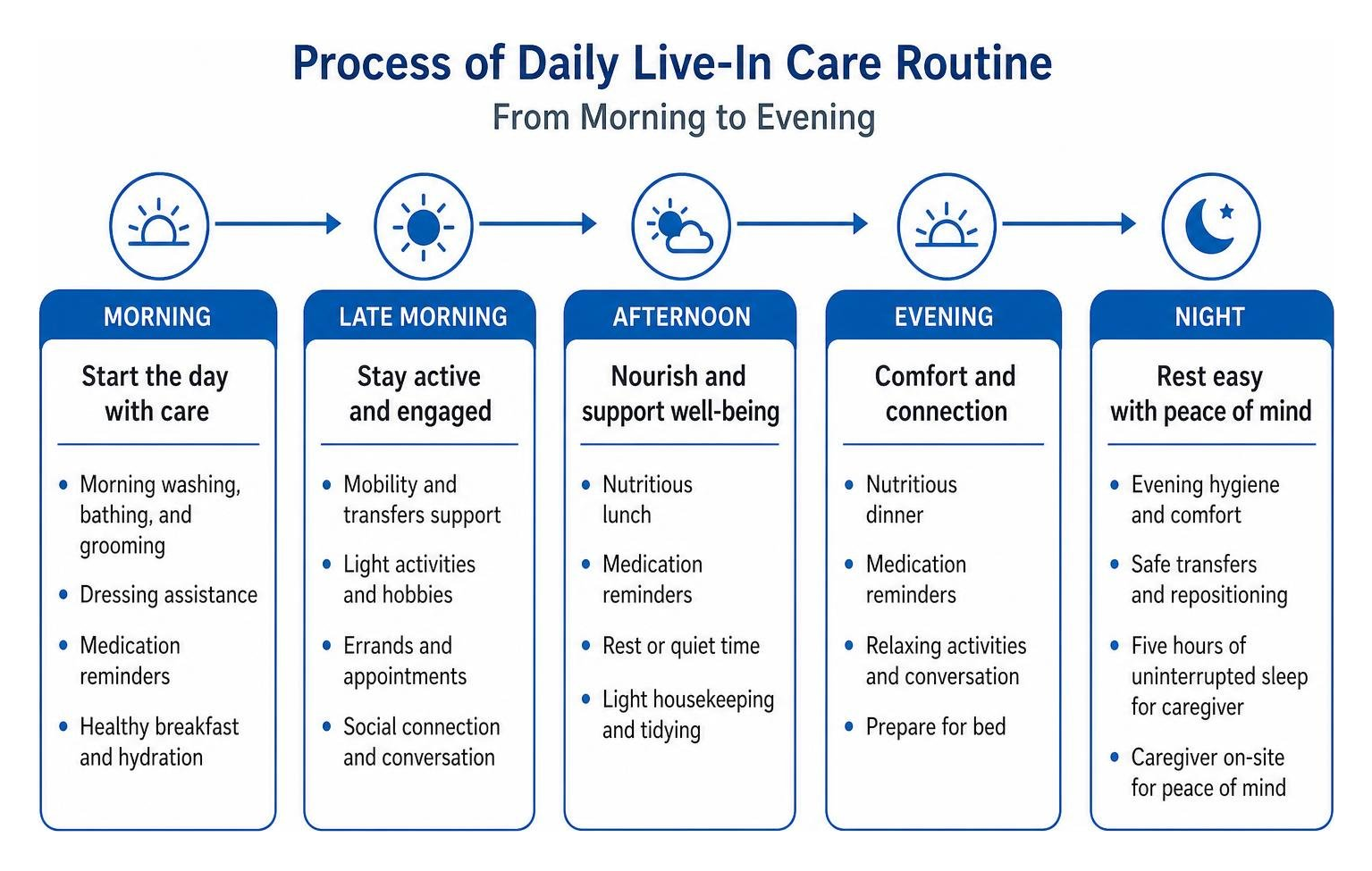
Core Daily Support Covered by Live-In Home Care Services
Daily support addresses both functional requirements and emotional well–being. Our dedicated personal care attendants focus on preserving dignity while delivering hands–on assistance with essential routines:
- Activities of daily living: Discreet assistance with morning washing, bathing, dressing, and gentle grooming.
- Nutritious meal preparation: Planning and cooking balanced meals that align with dietary restrictions and personal favorites.
- Medication reminders: Prompting timely doses and keeping hydration on track throughout the day.
- Mobility and transfers: Providing steady support during walking, standing, and repositioning to prevent accidents.
- Light housekeeping and errands: Maintaining tidy living areas, changing linens, and coordinating grocery runs.
- Accompanied transportation: Escorting seniors to medical checkups, social gatherings, or quiet park walks.
Live-In Care vs. 24-Hour Shift Care
Understanding the distinction between live–in arrangements and 24–hour shift care is vital when deciding home care vs assisted living: which is right for your family. The primary difference revolves around sleeping hours and staffing structure.
In a traditional live – in model, one primary caregiver resides on – site, requiring a private bedroom and eight hours of scheduled sleep time (with at least five uninterrupted hours). Conversely, 24 – hour shift care involves two or three caregivers working rotating shifts so someone is awake and actively monitoring the client at all hours.
| Feature | Live-In Care | 24-Hour Shift Care |
|---|---|---|
| Caregiver Scheduling | 1 caregiver staying multiple days | 2 – 3 rotating caregivers per 24 hours |
| Overnight Supervision | Sleeping in a private room on – call | Awake, continuous monitoring |
| Sleeping Quarters | Private bedroom required | No dedicated bedroom needed |
| Caregiver Consistency | Highest level of familiar companionship | Small team sharing updates |
| Best Suited For | Seniors needing daytime help and predictable nights | Seniors with frequent nighttime waking or wandering |
Specialized Memory and Illness Support at Home
Managing chronic ailments or recovering from major medical procedures requires structured oversight. Through dedicated 24-hour in-home care in Illinois, seniors receive attentive care that helps prevent hospital readmissions while resting in their own beds. Whether addressing neurological conditions, respiratory challenges, or post–surgical healing, continuous support provides comfort for seniors throughout Cook County IL and DuPage County IL.
Dementia and Alzheimer’s Care Considerations
Cognitive changes require patience, steady routines, and specialized communication techniques. Lily Harrison, General Manager at Best In-Home Services Inc., a trusted home health care provider, emphasizes that maintaining familiar surroundings significantly reduces agitation and confusion. Our live-in care for dementia guide details how consistent caregivers manage complex behavioral expressions:
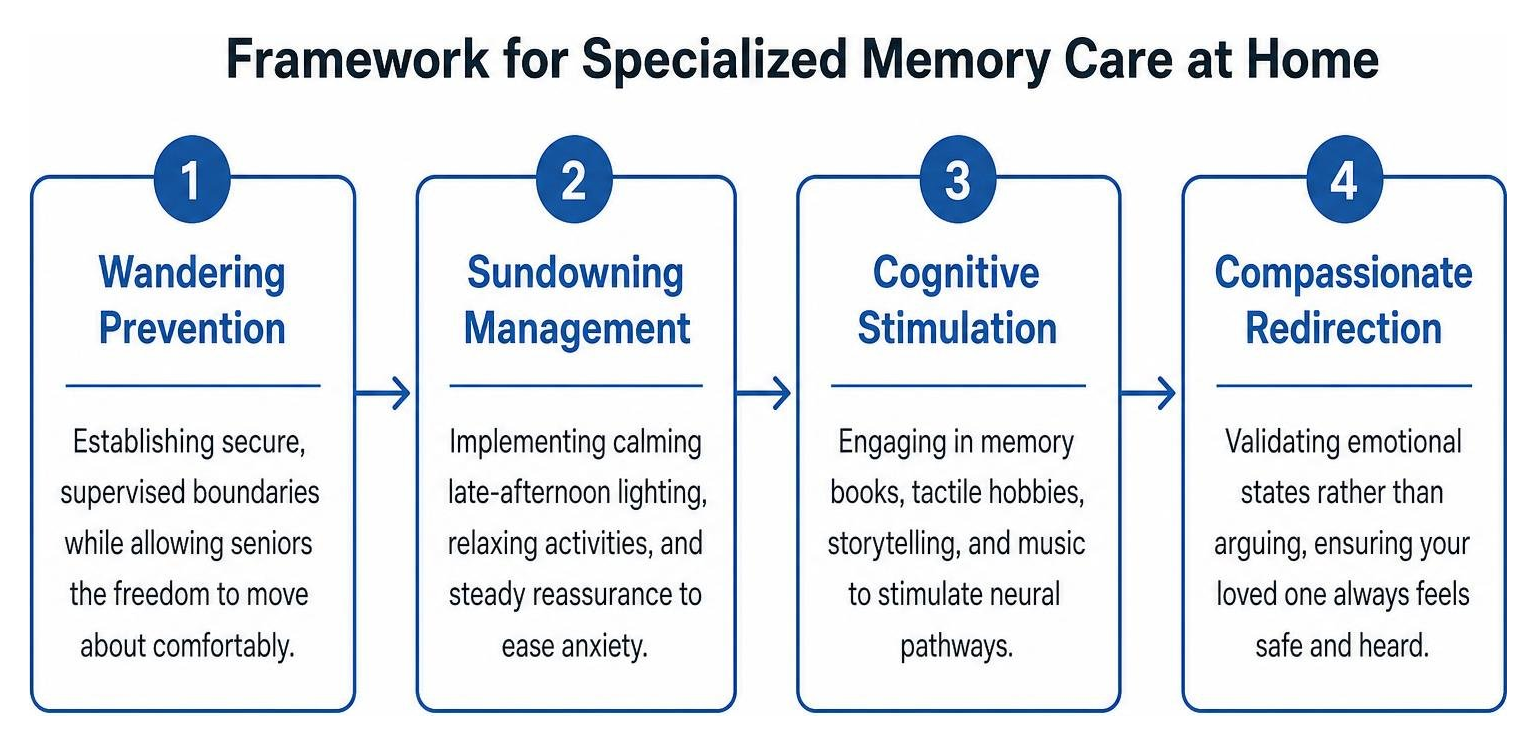
- Wandering prevention: Establishing secure, supervised boundaries while allowing seniors the freedom to move about comfortably.
- Sundowning management: Implementing calming late – afternoon lighting, relaxing activities, and steady reassurance to ease anxiety.
- Cognitive stimulation: Engaging in memory books, tactile hobbies, storytelling, and music to stimulate neural pathways.
- Compassionate redirection: Validating emotional states rather than arguing, ensuring your loved one always feels safe and heard.
Navigating State Programs and Payment Options in Illinois
Families exploring long – term care often evaluate various public and private resources to fund home assistance. In Illinois, several supportive programs operate alongside private payment strategies.
The state supports older adults through In-Home Care – Illinois Department on Aging programs, such as the Community Care Program (CCP), which provides in – home services at no out – of – pocket cost to eligible adults aged 60 and older who meet specific asset and functional need thresholds. For adults under age 60 living with severe disabilities, the Illinois Home Services Program provides supportive in – home services to encourage independent living. Furthermore, regional agencies like Community Services Programs | DuPage Co, IL offer localized case coordination and community resources for aging residents.
How to Structure Financing for Live-In Home Care Services
Determining how to finance care involves reviewing multiple funding paths. Families seeking affordable live-in caregiver options often use a blend of options:
- Long-term care insurance: Policies that cover non – medical personal care and activities of daily living based on benefit triggers.
- Veterans Aid and Attendance: Monthly pension enhancements for qualifying wartime veterans and surviving spouses requiring assistance with daily activities.
- Medicaid HCBS waivers: Home and community – based service programs designed to deliver support at home rather than in institutional settings.
- Private payment planning: Utilizing family funds, reverse mortgages, or life insurance conversions to maintain complete choice over care providers.
Regarding common questions like how much does senior home care cost at Chicago, IL, pricing typically depends on whether a client selects a live – in daily rate structure or hourly rotating shift coverage. Factors such as the level of hands – on physical assistance, memory care requirements, and scheduling needs shape the overall investment, making personalized consultations essential for exact planning.
How to Choose the Right Agency in Chicago and Surrounding Communities
Selecting a care partner requires careful evaluation of safety measures and professional standards. Learning how to choose the best 24-hour home care services helps families partner with licensed, insured agencies rather than navigating the legal and tax complexities of direct private hiring.

When interviewing providers across areas like Evanston IL, Skokie IL, and Northbrook IL, confirm that the agency verifies credentials through the Illinois Department of Public Health (IDPH) Healthcare Worker Registry, performs exhaustive background screenings, and provides continuous supervisory check – ins.
Creating a Safe Home Environment and Personalized Care Plan
Safety begins with a thorough home evaluation. Integrating practical in-home senior support transforms the living space into a secure haven:
- Fall mitigation: Removing throw rugs, clearing pathway clutter, and improving lighting in hallways and stairwells.
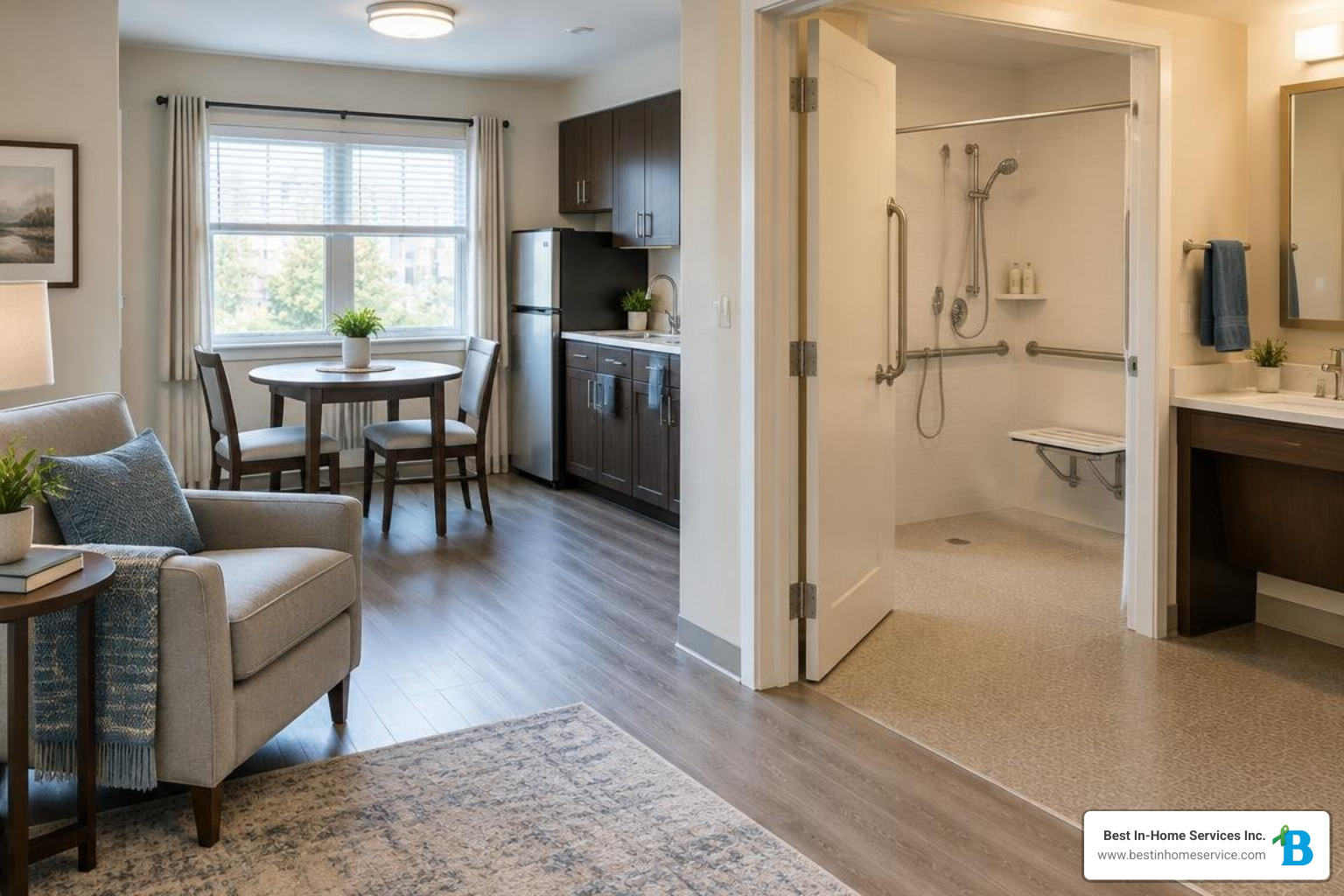
- Durable medical equipment: Installing sturdy grab bars in bathrooms, elevated toilet seats, and bedside support rails.
- Emergency protocols: Outlining written action plans for weather emergencies, power outages, and medical changes.
- Active communication channels: Maintaining shared care logs so family members stay informed on meals, moods, and vitals.
Frequently Asked Questions About Live-In Care
What is the main difference between live-in care and 24-hour shift care?
Live – in care involves a primary caregiver who stays in the home and receives designated sleep and break periods during a 24 – hour cycle. In contrast, 24 – hour shift care utilizes multiple caregivers working sequential shifts throughout the day and night to deliver continuous, awake supervision.
What accommodations are required for a live-in caregiver?
A live – in caregiver requires a private, furnished bedroom with a standard bed, clean linens, adequate storage space, and reasonable access to a full bathroom. The family also provides basic meals or a food allowance, along with an environment conducive to eight hours of rest.
Does Medicare or Medicaid pay for live-in home care?
Medicare generally does not pay for non – medical, round – the – clock live – in personal care; it covers only intermittent, skilled home health visits ordered by a physician for homebound individuals. Medicaid may cover personal assistance through specific state waiver programs, such as Illinois Home and Community – Based Services waivers, provided the individual meets financial and functional eligibility criteria.
Conclusion
Every senior deserves to experience the warmth, memories, and independence of their own household. Choosing continuous support ensures safety, proper nutrition, and compassionate companionship while providing families with genuine peace of mind. At Best In-Home Services Inc., our certified caregivers and custom care plans support older adults across Chicago, Winnetka IL, Hinsdale IL, and nearby communities. Contact us today to explore dedicated live-in home care services tailored perfectly to your family’s needs.




 1-224-636-5200
 1-224-636-5210
  425 Huehl Rd 13B Northbrook IL 60062