
Why Finding the Best Home Care Matters for Your Family
Quick Answer: What Makes the Best Home Care?
The best home care combines these key qualities:
- Certified caregivers with background checks and ongoing training
- Personalized care plans tailored to the individual’s needs
- 24/7 availability for dementia, memory care, and daily support
- Registered nursing supervision to ensure consistent, safe care
- Transparent communication with families so you always know what’s happening
Watching a parent or loved one struggle with daily tasks is hard. You want them safe, comfortable, and cared for — but you also want them to stay home, where they’re happiest.
The good news? That’s exactly what professional in-home care makes possible.
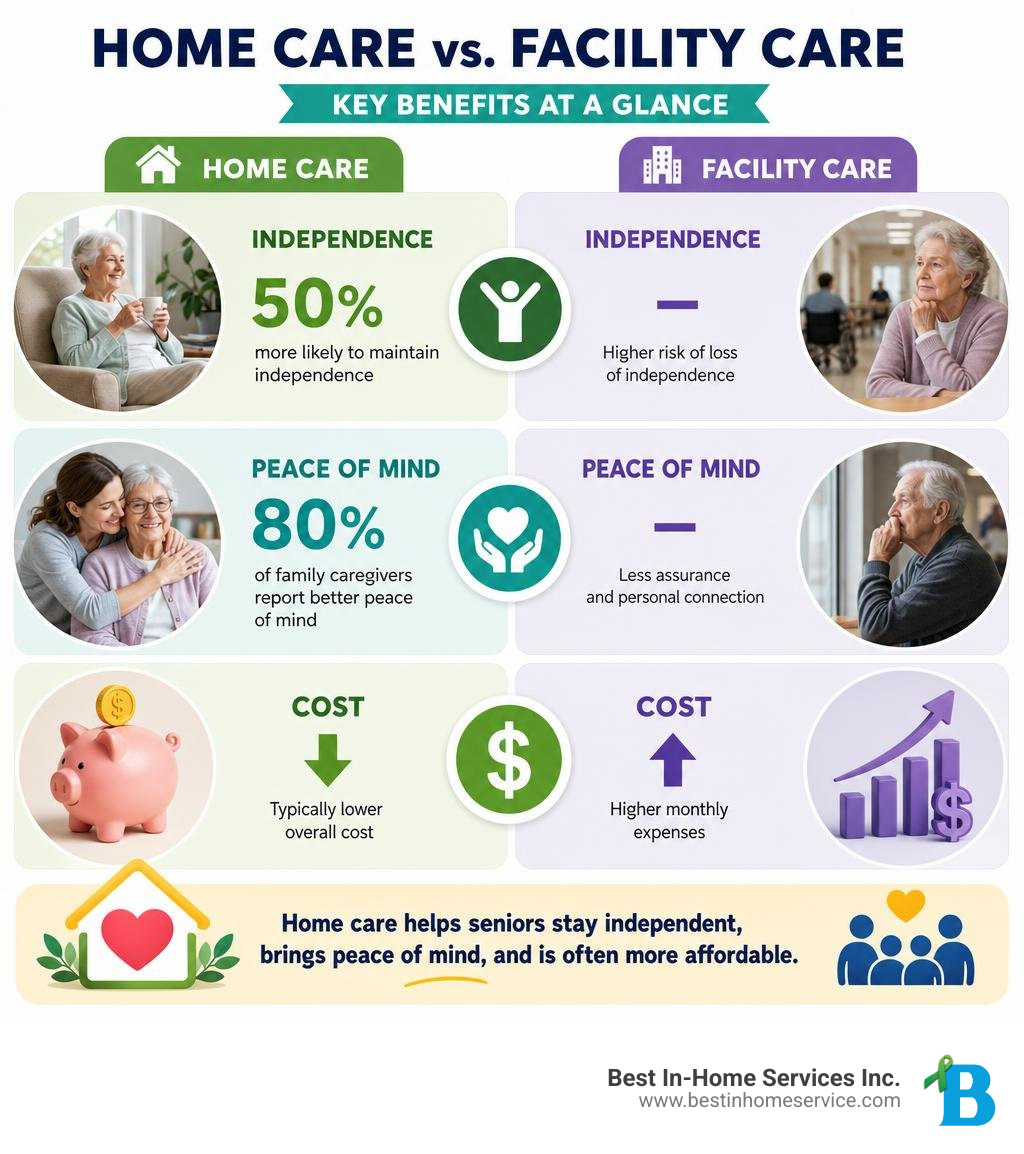
Around 70% of seniors prefer to receive care at home rather than move to a facility. And when the right support is in place, they’re 50% more likely to maintain their independence successfully. For families in Chicago dealing with dementia, memory issues, or simply the challenges of aging, home care can be a genuine lifeline — not just for seniors, but for the family members who worry about them every day.
In fact, over 80% of family caregivers report better peace of mind once professional home care support is in place.
I’m Lily Harrison, General Manager at Best In-Home Services Inc., and I’ve spent years helping Chicago families find the best home care solutions for their loved ones — from dementia and memory care to daily support and 24/7 assistance. In this guide, I’ll walk you through everything you need to know to make a confident, informed decision.
Understanding the Types of In-Home Care Services
In-home care isn’t a one-size-fits-all solution. As we navigate the landscape of senior support in June 2026, the industry has evolved to offer highly specialized, modular services that adapt to your family’s unique situation. Whether your loved one lives in downtown Chicago, the North Shore, or the western suburbs, understanding the different levels of care is the first step in building a safe environment.
Here are the primary categories of care we coordinate:
- Companion Care: This is often the starting point for many families. It focuses on emotional support and daily household assistance. It includes light housekeeping, meal preparation, grocery shopping, transportation to appointments, and, most importantly, meaningful conversation. It’s perfect for seniors who are physically capable but need a little extra help to stay safe and socially engaged.
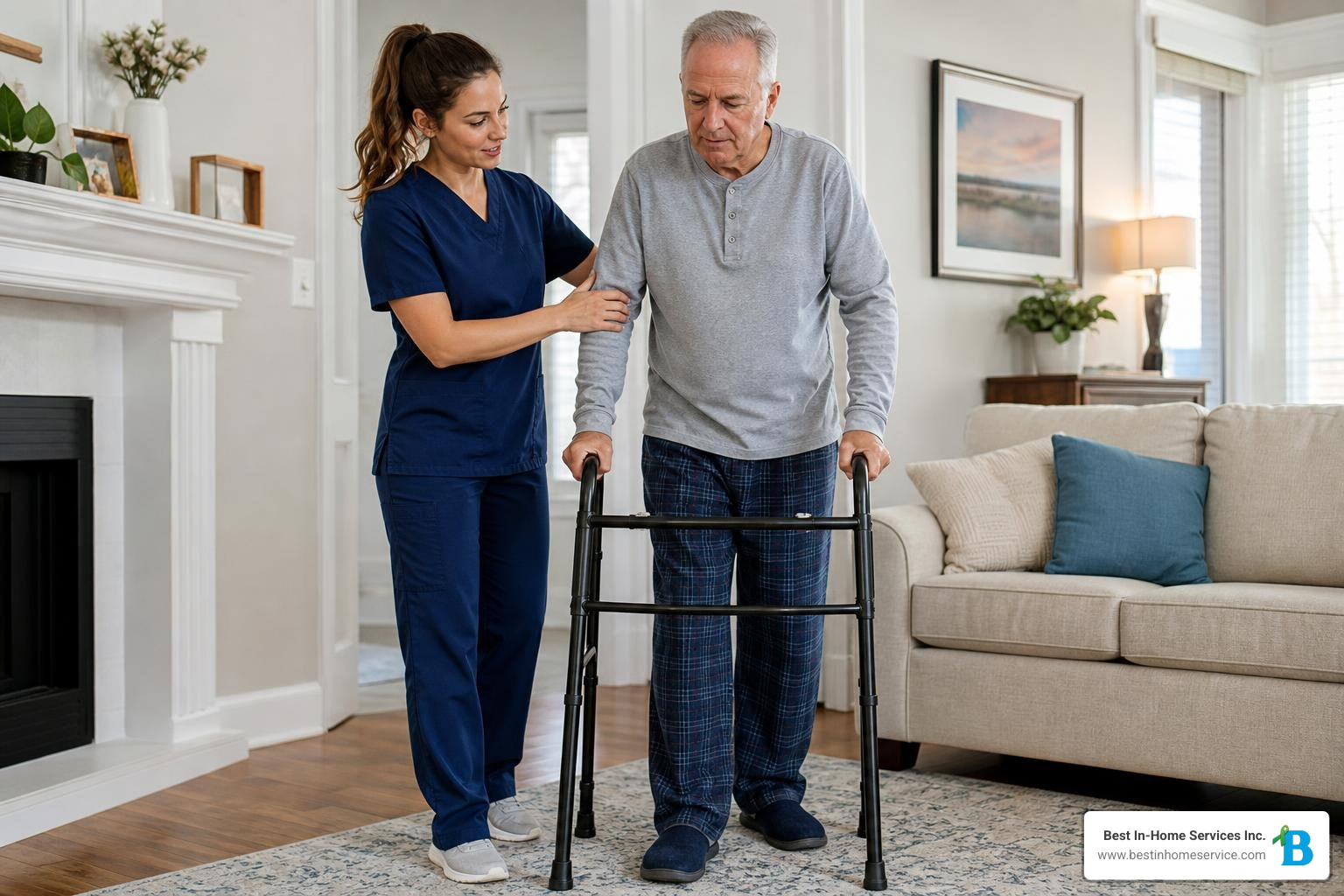
- Personal Care: When physical limitations begin to impact daily routines, personal care provides hands-on assistance. This includes help with activities of daily living (ADLs) such as bathing, grooming, dressing, toileting, and mobility or transfer assistance.
- Specialty Memory Care (Dementia & Alzheimer’s): Caring for a loved one with cognitive decline requires specialized techniques. The best home care agencies train their staff in behavioral management, sensory stimulation, and wandering prevention. This specialized care focuses on maintaining a calm, familiar routine that reduces anxiety and confusion.
- Respite Care: Family caregiving is a rewarding but exhausting role. Respite care is designed to support the family caregiver by providing temporary, professional relief. Whether you need a few hours a week to run errands or a full weekend off to recharge, respite services keep your loved one safe while you take care of yourself.
To explore how these services can be customized for your family, take a look at our comprehensive list of Services.
Hourly Care vs. Live-In Care
One of the most practical decisions you will make is determining the schedule of care. The two primary options are hourly care and live-in care, and each serves a very distinct purpose:
- Hourly Care: This option is highly flexible and ideal for seniors who only need assistance during specific times of the day. For example, a caregiver might visit for four hours in the morning to help with bathing, prepare lunch, and manage medication. Hourly care is an excellent, cost-effective way to ease into professional support.
- Live-In Care: When a senior requires constant, 24-hour supervision due to severe mobility issues, advanced dementia, or fall risks, live-in care becomes necessary. In a live-in arrangement, a dedicated caregiver resides in the home. They have a designated private room and sleep at night but are present to assist with transfers, middle-of-the-night bathroom visits, and emergency situations.
For continuous high-needs situations, agencies can also coordinate 24-hour shift care, where multiple caregivers rotate 8- or 12-hour shifts to ensure the caregiver on duty is always awake, alert, and ready to assist.
Evaluating the Best Home Care Options for Seniors
As our loved ones age, we are inevitably faced with a choice: do we look at local retirement communities, or do we invest in aging in place?
Choosing to receive long-term care at home allows seniors to remain in the environment they know best. They are surrounded by their own memories, their favorite chair, their pets, and their neighbors. This familiarity is not just about comfort; for seniors with cognitive challenges, staying in a familiar environment directly correlates with slower disease progression and fewer behavioral episodes.
To understand why so many families are choosing this path, read our detailed breakdown on Why Senior Care at Home is the Best Choice for Aging in Place.
To help you compare your options objectively, we have put together a comparison of in-home care versus institutional facility care:
| Feature | Professional In-Home Care | Assisted Living / Nursing Home |
|---|---|---|
| Environment | 100% familiar home setting with personal belongings. | New, unfamiliar institutional facility. |
| Ratios | One-on-one (1:1) dedicated attention. | One caregiver to many residents (often 1:10 or higher). |
| Schedule | Fully customized to the senior’s preferred routines. | Standardized meal, wake, and activity times. |
| Independence | Maximized; seniors control their daily choices. | Structured; restricted by facility rules. |
| Cost | Flexible; pay only for the hours actually needed. | High, fixed monthly rates regardless of daily usage. |
| Health Risks | Lower exposure to infectious community illnesses. | Higher risk of viral transmission in shared spaces. |
If you are still weighing these options, our guide Home Care vs Assisted Living: Which is Right for Your Family? offers an in-depth analysis to help you navigate this decision.
The Advantages of Private Home Care
While public or subsidized programs exist, they are often heavily restricted by strict clinical eligibility thresholds and budget caps. Private home care, on the other hand, offers unparalleled flexibility and responsiveness.
When you choose private-pay home care, you are not bound by government waitlists or strict limits on what a caregiver can do. You gain access to immediate care coordination, customized care plans that can change overnight as your loved one’s needs evolve, and the ability to hand-select caregivers who match your loved one’s personality and lifestyle.
To learn more about navigating these private options safely, read our guide on Private Home Health Care: Finding the Best Help for Your Home.
Key Factors When Selecting a Provider
Choosing a care provider is a deeply personal decision. You are inviting a professional into your loved one’s private space, which requires absolute trust.

When evaluating agencies, look for these non-negotiable indicators of quality:
- Caregiver Training and Education: The best home care agencies don’t just hire warm bodies; they invest heavily in their staff. Caregivers should have verified certifications (such as CNA or HHA designations) and receive continuous, ongoing training in dementia care, fall prevention, and transfer safety.
- Accreditation and Licensing: Ensure the agency is fully licensed by the state of Illinois and holds recognized industry accreditations.
- Active Registered Nurse (RN) Supervision: A high-quality agency has RNs who design the initial care plan, conduct regular clinical assessments, and supervise the caregiving team to ensure safety protocols are followed.
- Verified Client Reviews: Look for consistent, long-term positive feedback on independent platforms. Pay attention to how families describe the agency’s communication, responsiveness, and caregiver reliability.
For a step-by-step framework on vetting these details, consult our resource How to Pick the Best In-Home Care Providers Without Losing Your Mind.
The Cost of the Best Home Care Services
In the Chicago metropolitan area, home care rates typically range from $30 to $45 per hour depending on the agency and the level of care required, while assisted living generally runs $5,000 to $7,000 per month. These are market ranges rather than any single provider’s pricing.
Best In-Home Service, Inc. rates fall within that range: $35 per hour for companion and homemaker care, $37 per hour for personal care assistance and respite care, $40 per hour for overnight and weekend care, $42 per hour for dementia and Alzheimer’s care, and $45 per hour for holiday care, with a 3-hour minimum per visit.
Continuous 24-hour care is quoted individually.
To help manage these costs, families often utilize:
- Long-Term Care Insurance (LTCI): Many policies fully cover in-home personal care.
- Veterans Benefits (Aid and Attendance): This program provides monthly pension additions to help cover the cost of in-home care for qualifying veterans and surviving spouses.
- Private Pay and Asset Management: Utilizing home equity or retirement savings.
For a deeper dive into local pricing structures and financial planning, read our guide on Affordable Home Care for Seniors in Chicago.
Accessing Care and Supporting Families
The transition to home care often happens during a stressful period, such as an unexpected hospital stay or a sudden decline in health. Navigating hospital discharge planning can feel overwhelming when you are trying to coordinate medical equipment, follow-up appointments, and daily supervision all at once.
Having a professional home care team step in during the discharge process from local hospitals—whether it’s in downtown Chicago, DuPage, or Lake County—ensures a seamless transition. Caregivers can be scheduled to meet you at the hospital, assist with the physical transition home, pick up prescriptions, prepare meals, and provide immediate fall-prevention monitoring. This proactive coordination is highly effective; studies show that professional transition care can reduce senior hospital readmissions by up to 25%.
To avoid common pitfalls during this transition, read our advice on Navigating Chicago Home Health Care Without the Headache.
Technology-Enabled Home Care Solutions
In June 2026, the best home care is no longer just about in-person visits. The integration of advanced care technology has revolutionized how we keep seniors safe when a caregiver is not physically in the room.
By utilizing non-invasive technology solutions, such as Sensi.Ai, we can provide virtual assessments and continuous acoustic monitoring. These smart systems can detect early warning signs of health issues (like changes in breathing patterns that indicate pneumonia or a UTI) and recognize environmental hazards or early signs of a fall. This allows for proactive, preventative interventions rather than reactive emergency responses.
For families exploring these modern, tech-enabled care options in the western suburbs, you can search for local providers utilizing these tools via DuPage County home care options.
Frequently Asked Questions about Home Care
What is the difference between home care and home health care?
This is the most common point of confusion for families.
- Home Care (Non-Medical): Focuses on daily living support, personal care, companionship, meal preparation, and safety supervision. It is designed to help seniors manage their day-to-day lives safely at home. It can be scheduled for as many hours as needed, up to 24/7.
- Home Health Care (Medical): Involves clinical medical care ordered by a physician. This includes physical therapy, occupational therapy, wound care, and skilled nursing. It is typically short-term, task-oriented, and covered by Medicare or medical insurance.
How quickly can in-home care services begin?
In urgent situations—such as a sudden hospital discharge—care can often be initiated within 24 to 48 hours. The process begins with an immediate in-home consultation and safety assessment conducted by a care coordinator, followed by customized caregiver matching.
What qualifications should professional caregivers have?
At a minimum, professional caregivers should pass a rigorous background check, including criminal history and reference checks. The best agencies require their staff to hold active CNA (Certified Nursing Assistant) or HHA (Home Health Aide) credentials, complete specialized dementia and memory care training, and undergo regular competency evaluations supervised by a Registered Nurse.
Conclusion
Finding the best home care for your loved one doesn’t have to be a stressful, overwhelming journey. By choosing a partner that prioritizes certified staff, customized care planning, and active nursing supervision, you can give your loved one the gift of aging in place with dignity, comfort, and joy.
At Best In-Home Services Inc., we are proud to support families across Chicago and the surrounding suburbs with premium, compassionate care. To learn more about our philosophy and why local families trust us, read Why Choose BIHS.
Ready to take the next step? Get started with professional home care services in Chicago today and schedule your free, no-obligation in-home assessment.






 1-224-636-5200
 1-224-636-5210
  425 Huehl Rd 13B Northbrook IL 60062