
When a Loved One Has Dementia: What Chicago Families Need to Know
Dementia care in Chicago covers a wide range of options, from professional in-home caregivers to specialized memory care facilities. Here’s a quick overview of what’s available:
- In-home care – Caregivers come to your loved one’s home to help with daily tasks, safety, and cognitive engagement
- Assisted living with memory care – Residential communities with secure neighborhoods and 24/7 staff
- Memory care facilities – Dedicated dementia-specific communities with structured programming
- Skilled nursing facilities – Higher-level medical care for advanced dementia needs
- Medical diagnosis and treatment – Neurologists and geriatric specialists at centers like Rush University Medical Center, which sees more than 30,000 patients with neurological issues each year
Receiving a dementia diagnosis — for yourself or someone you love — is overwhelming. The questions come fast: Is it safe to stay home? What kind of help is available? How do we pay for it?
Chicago families have more options than many realize. The city has strong neurological research centers, free caregiver training programs through the City of Chicago, and a growing network of in-home and residential care providers. The challenge isn’t finding a solution — it’s finding the right one.
I’m Lily Harrison, General Manager at Best In-Home Services Inc., and I’ve spent years helping Chicago families navigate dementia care in Chicago, from early-stage support to around-the-clock in-home care. This guide covers everything you need to make a confident, informed decision for your family.
Navigating Dementia Care in Chicago: Your Complete Guide

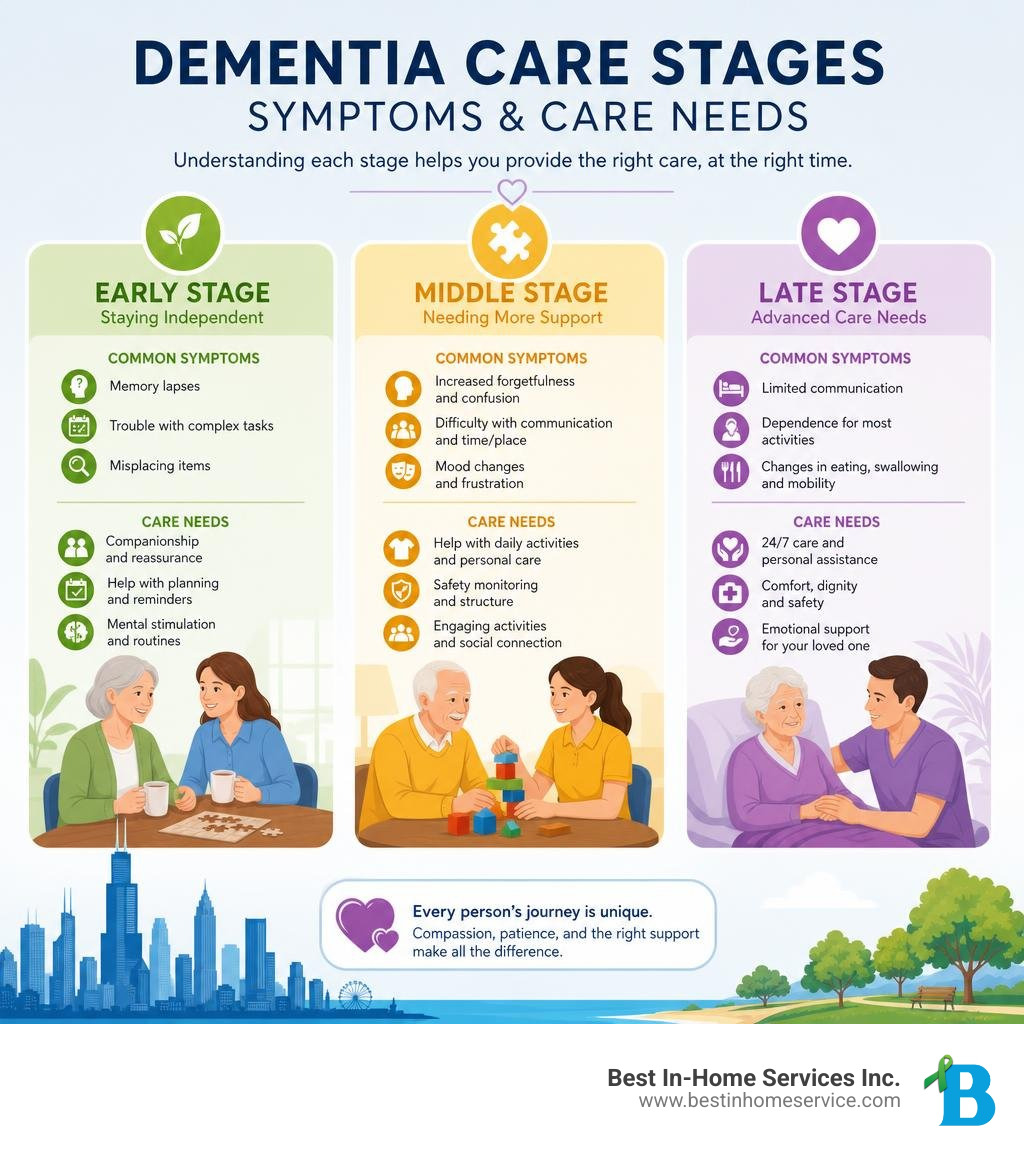
When navigating the complex world of cognitive decline, it helps to first understand the landscape of care settings. Choosing the right path involves weighing the comfort of familiar surroundings against the structured environment of residential facilities.
In Chicago, families can choose between several primary care settings:
- In-Home Care: Caregivers visit the home to assist with daily routines, provide companionship, and ensure safety.
- Assisted Living Memory Care: Specialized wings within assisted living facilities that offer secure environments.
- Dedicated Memory Care Facilities: Communities built entirely around the needs of those with cognitive impairments.
- Skilled Nursing Facilities: For those requiring continuous clinical supervision alongside memory support.
For many, the initial step is understanding memory care and how it differs from traditional senior care. If your loved one is also managing other health issues, integrating memory support with chronic illness home care throughout Illinois can provide a seamless approach that addresses both physical and cognitive health.
In-Home Dementia Care in Chicago: Supporting Aging in Place
Aging in place is often the preferred choice for seniors living with dementia. The familiarity of home—the creak of the floorboards, the view from the kitchen window, the established neighborhood sounds—acts as a natural anchor when memory begins to slip.
In-home care focuses on maintaining consistent daily routines, which are vital for reducing anxiety and confusion. Professional caregivers introduce structured cognitive stimulation, such as memory games, listening to music from favorite eras, and discussing familiar family photos.
To explore how these services can be tailored to your family’s needs, you can read our comprehensive guide on dementia care in your own home. For families facing advanced progression or nighttime wandering, our 24/7 dementia home care guide offers practical advice on establishing round-the-clock safety nets.
In-Home Care vs. Facility-Based Memory Care
While residential facilities offer structured environments and secure outdoor spaces, they also come with limitations. Group settings must operate on fixed schedules, which can feel rigid or disruptive to an individual who thrives on a highly specific personal routine. Furthermore, the transition of moving to an entirely new environment can trigger significant stress, confusion, and behavioral changes in those with advanced cognitive decline.
Personalized 1-on-1 in-home care, by contrast, centers entirely on the individual. The caregiver adapts to the senior’s preferred waking times, meal choices, and personal rhythms. This dedicated attention ensures that subtle shifts in mood or physical health are noticed immediately, offering a level of customization that even the most highly staffed residential facilities struggle to replicate.
Managing the Transition from Early-Stage to Late-Stage Dementia
Dementia is a progressive journey, and care needs inevitably change. In the early stages, support may focus on mild cognitive stimulation, medication reminders, and companionship. As the disease moves into the mid-to-late stages, behavioral changes such as sundowning, agitation, and personality shifts can emerge.
Recognizing these shifts early allows families to adapt their care strategies proactively. Understanding the 10 early signs of Alzheimer’s helps establish a baseline of support before safety risks escalate. As behaviors evolve, families often find comfort and practical guidance in learning about adapting to personality changes, ensuring that care remains compassionate and effective through every stage of the disease.
Costs of Dementia Care and Financial Assistance in Cook County
Below is an estimated cost comparison for care settings across the Chicago area and Cook County as of 2026. These are general market ranges compiled from regional cost-of-care data — they are not Best In-Home Service rates. Our rates appear directly beneath the table.
| Care Setting | Market Monthly Range (Chicago / Cook County) | Key Inclusions |
|---|---|---|
| In-Home Care (part-time to full-time) | $4,000 – $8,500 | 1-on-1 assistance, customized schedules, meal prep, light housekeeping |
| Assisted Living with Memory Care | $6,500 – $9,500 | Secure apartment, shared amenities, group activities, basic ADL support |
| Dedicated Memory Care Facility | $7,500 – $11,500+ | Specialized staff, secure environment, intensive cognitive programming |
Best In-Home Service rates for dementia and memory care
Best In-Home Service, Inc. charges $42 per hour for dementia and Alzheimer’s care, which covers specialized memory support, cognitive engagement, redirection, and safety supervision at home. For families who need less intensive support, companion and homemaker care is $35 per hour and personal care assistance and respite care are $37 per hour. Overnight care is $40 per hour.
A 3-hour minimum applies per visit. Continuous 24-hour dementia care is quoted at a customized rate, because overnight supervision needs, wandering risk, and shift structure vary widely from one household to the next. When a caregiver provides transportation or accompaniment, mileage is billed separately at $0.75 per mile.
A customized quote is always provided before services begin.
Financial Planning and Assistance Options
Navigating these costs requires understanding available financial resources:
- Long-Term Care Insurance: If activated early, these policies can cover a significant portion of both in-home care and residential memory care.
- Cook County Supportive Living Program: This state-administered Medicaid waiver program helps cover residential costs in approved supportive living facilities for those who qualify financially and medically. You can learn more about eligibility via the Cook County Supportive Living Program | HFS portal.
- The GUIDE Model (Medicare): As of 2026, the Guiding an Improved Dementia Experience (GUIDE) model through Medicare provides eligible beneficiaries with comprehensive dementia care management, caregiver support, and respite services, significantly easing the financial and logistical burden on families.
How to Choose the Right Memory Care Option
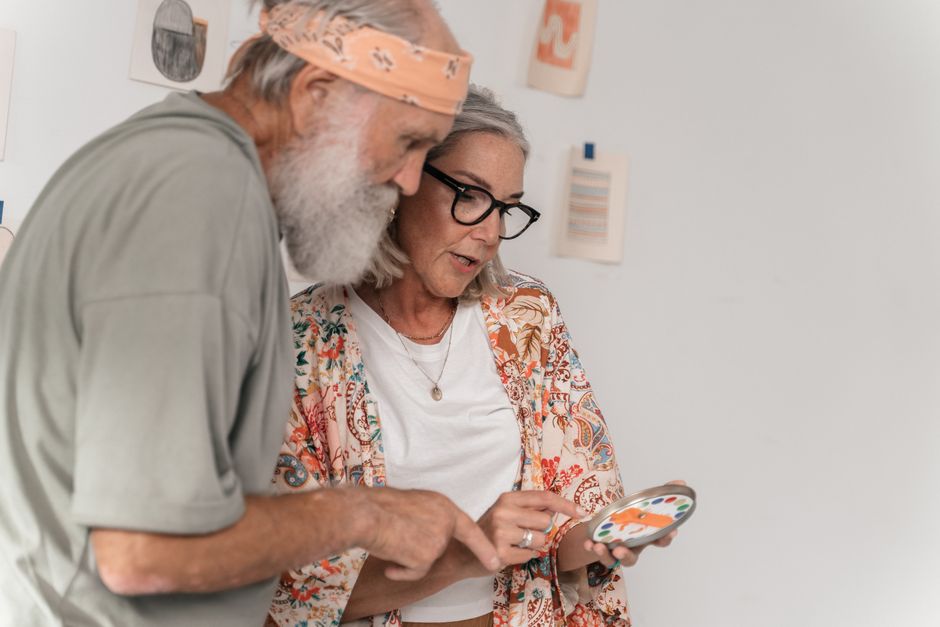
Choosing the right care option requires a careful evaluation of your loved one’s physical health, cognitive stage, and safety needs.
Evaluating Providers of Dementia Care in Chicago
When looking for a provider, families should verify caregiver screening processes, the customization of care plans, and the availability of supervisory staff. Finding an agency that prioritizes continuous training and 1-on-1 caregiver matching is essential.
To help guide your search, read our advice on finding the best 24/7 home health and memory care in Chicago. Taking the time to ask the right questions is the first step toward finding peace of mind with Chicago dementia care services.
Key Certifications and Training for Chicago Dementia Caregivers
Excellent dementia care relies on specialized training. Look for providers whose staff are trained in the habilitation philosophy—an approach that focuses on a senior’s remaining abilities rather than their cognitive deficits. This model uses sensory-based stimulation to promote joy, comfort, and autonomy. Additionally, look for agencies that employ or are supervised by licensed nursing professionals to ensure clinical oversight for complex medical needs.
Creating a Safe, Dementia-Friendly Environment
Whether your loved one is staying at home or transitioning to a community, the environment should be modified to reduce stress and prevent accidents. Key features of a dementia-friendly environment include:
- Custom Lighting: Reducing shadows and glare, which can cause confusion or hallucinations.
- Secure Entryways: Installing unobtrusive locks or alarm systems to prevent unsupervised wandering.
- Fall Prevention: Removing rugs, installing grab bars, and ensuring clear pathways.
- Sensory Spaces: Utilizing soft lighting, familiar music, and tactile elements to reduce anxiety and agitation.
Top Chicago Neighborhoods and Suburbs for In-Home Memory Care
Quality dementia support is widely available across the Chicago metropolitan area, allowing families to access premier care right in their local communities:
- Downtown Chicago: Excellent resources exist for urban residents, including those seeking premium downtown options. You can explore local options via Memory Care Facilities in Chicago, Illinois – Senior Guidance.
- The North Shore: Families in Winnetka, Wilmette, Kenilworth, and Evanston can access high-quality local options, including specialized in-home memory care services tailored to support seniors in their own homes.
- Northwest Suburbs: Excellent memory care resources serve residents in Schaumburg, Barrington, and Buffalo Grove. You can explore regional options through 10 Best Memory Care Facilities in Schaumburg, IL – A Place for Mom and 10 Best Memory Care Facilities in Lake County, IL – A Place for Mom.
- West and Southwest Suburbs: High-quality care networks support families in Naperville, Woodridge, and Downers Grove. Premier regional settings and local facilities are listed on the 10 Best Memory Care Facilities in Du Page County, IL directory.
Respite Care and Support Groups for Chicago Caregivers
Family caregivers often experience high rates of physical and emotional exhaustion. Utilizing respite care is not a luxury—it is a necessity for maintaining your own health and being able to provide sustainable care for your loved one.
To explore your options, read the ultimate guide to respite care options in Chicago and find out how to secure temporary relief through respite home health care in Chicago and suburbs.
Chicago-Specific Dementia Care Programs and Support
The City of Chicago Department of Family and Support Services (DFSS) offers valuable, free programs to help families manage caregiving challenges:
- Savvy Caregiver Program: A free, multi-week training course designed to help family caregivers understand dementia progression, manage daily activities, and reduce stress.
- Stress-Busting Program: A multi-session program focusing on stress reduction techniques specifically for dementia caregivers.
- Dementia-Friendly Buildings: An educational module designed to help building staff and apartment managers recognize the signs of dementia and support residents safely.
Clinical Trials and Neurological Resources in Chicago
Chicago is home to world-class medical centers at the forefront of neurological research. Rush University Medical Center is consistently ranked among the best in the nation for neurology and neurosurgery. The Rush Alzheimer’s Disease Center offers advanced diagnostic testing, domain-specific memory assessments, and opportunities to participate in cutting-edge clinical trials for emerging disease-modifying therapies.
Frequently Asked Questions About Chicago Memory Care
What is the average cost of memory care in Chicago?
Across the Chicago market, residential memory care facilities generally range from $7,500 to over $11,500 per month, in-home care runs roughly $4,000 to $8,500 per month for part-time to full-time schedules, and 24/7 in-home care ranges from $12,000 to $16,000 per month. These are regional market figures rather than any single agency’s pricing.
Best In-Home Service, Inc. charges $42 per hour for dementia and Alzheimer’s care, with a 3-hour minimum per visit. Continuous 24-hour memory care is quoted individually. Financial assistance may be available through long-term care insurance, the Cook County Supportive Living Program, or Medicare’s GUIDE model.
How does the GUIDE model support dementia patients in Illinois?
The GUIDE (Guiding an Improved Dementia Experience) model is a Medicare initiative designed to improve the quality of life for people living with dementia. It provides eligible beneficiaries with access to a care coordinator, personalized care plans, 24/7 access to a support helpline, and funding for caregiver respite services.
What are the early signs that a loved one needs professional dementia care?
Key indicators include frequent wandering or getting lost in familiar places, neglecting personal hygiene, missed medication doses, uncharacteristic mood swings or agitation, and caregiver burnout. If safety concerns are growing, it may be time to consult with a professional.
Conclusion
Finding the right dementia care in Chicago is a deeply personal journey. Whether you choose the safety and structured activities of a premier residential community or decide to support your loved one’s wish to age in place with personalized 1-on-1 care, help is available.
At Best In-Home Services Inc., we provide compassionate, certified caregivers tailored to your family’s unique schedule and routine. From our primary Location: Chicago office to our extensive service areas throughout Cook, DuPage, and Lake Counties, we are here to support you 24/7.
To learn more about how we can help your family find peace of mind, read our complete guide to dementia care in your own home: all you need to know or contact us today for a personalized consultation.






 1-224-636-5200
 1-224-636-5210
  425 Huehl Rd 13B Northbrook IL 60062