
When a Loved One Needs Alzheimer’s Care in Chicago
If you’re looking for Alzheimer’s care in Chicago, here are the main options available right now:
- In-home care — Trained caregivers come to your loved one’s home. Services include medication reminders, daily activity support, and companionship. Best for those who want to stay home.
- Assisted living memory care — Residential communities with secure units, 24/7 supervision, and structured programs for mild to moderate dementia.
- Skilled nursing facilities — For advanced dementia with complex medical needs requiring round-the-clock clinical monitoring.
- Medical diagnosis centers — Hospitals like UChicago Medicine offer specialist teams for accurate diagnosis, treatment planning, and second opinions.
Watching someone you love struggle with memory loss is one of the hardest things a family can face. Simple moments — a missed name, a forgotten meal, a moment of confusion in a familiar room — can signal something bigger is happening.
Chicago families are not alone in this. There are 219 memory care communities in the Chicago area, and countless in-home care providers ready to help. But more options doesn’t always mean less stress. It can actually mean more confusion about where to start.
The good news? The right kind of support — whether at home or in a community — can make a real difference in both your loved one’s quality of life and your own peace of mind.
This guide is designed to help you cut through the noise and find the care that fits your family’s situation, budget, and values.
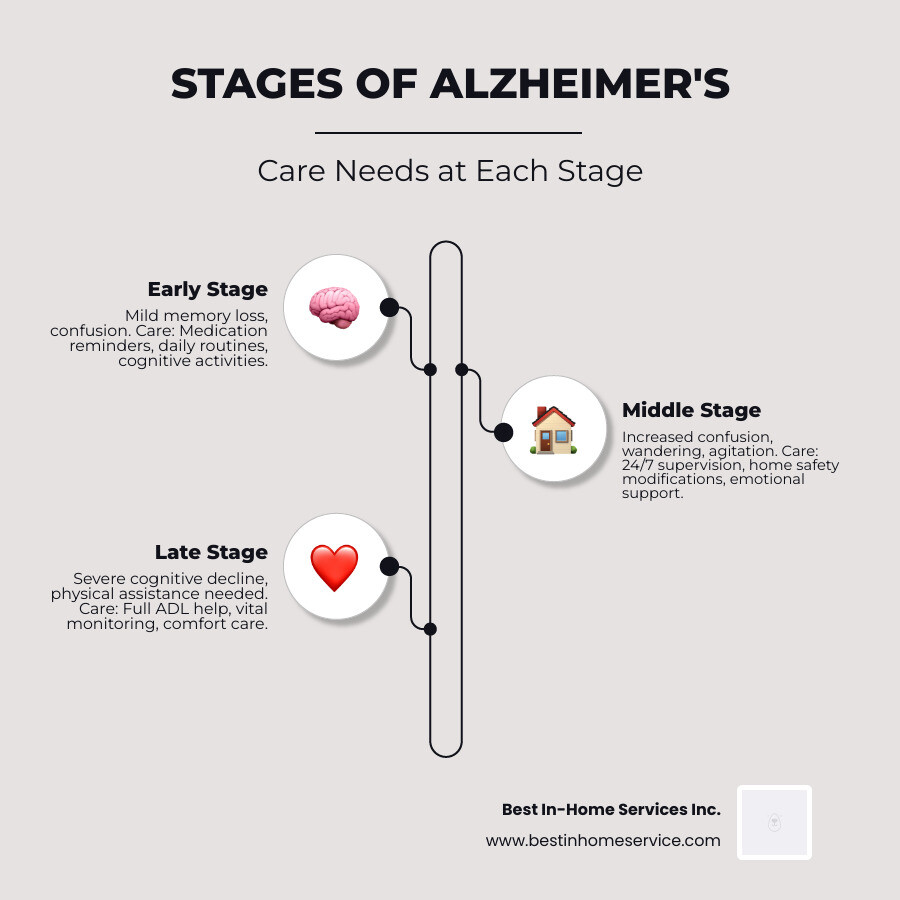
Understanding Specialized In-Home Memory Care
When families first hear a diagnosis of Alzheimer’s or another form of dementia, the immediate reaction is often a mix of grief and a protective urge to keep things “normal.” This is why Understanding Memory Care is so vital. It isn’t just about safety; it’s about creating an environment where a senior can still thrive despite cognitive decline.
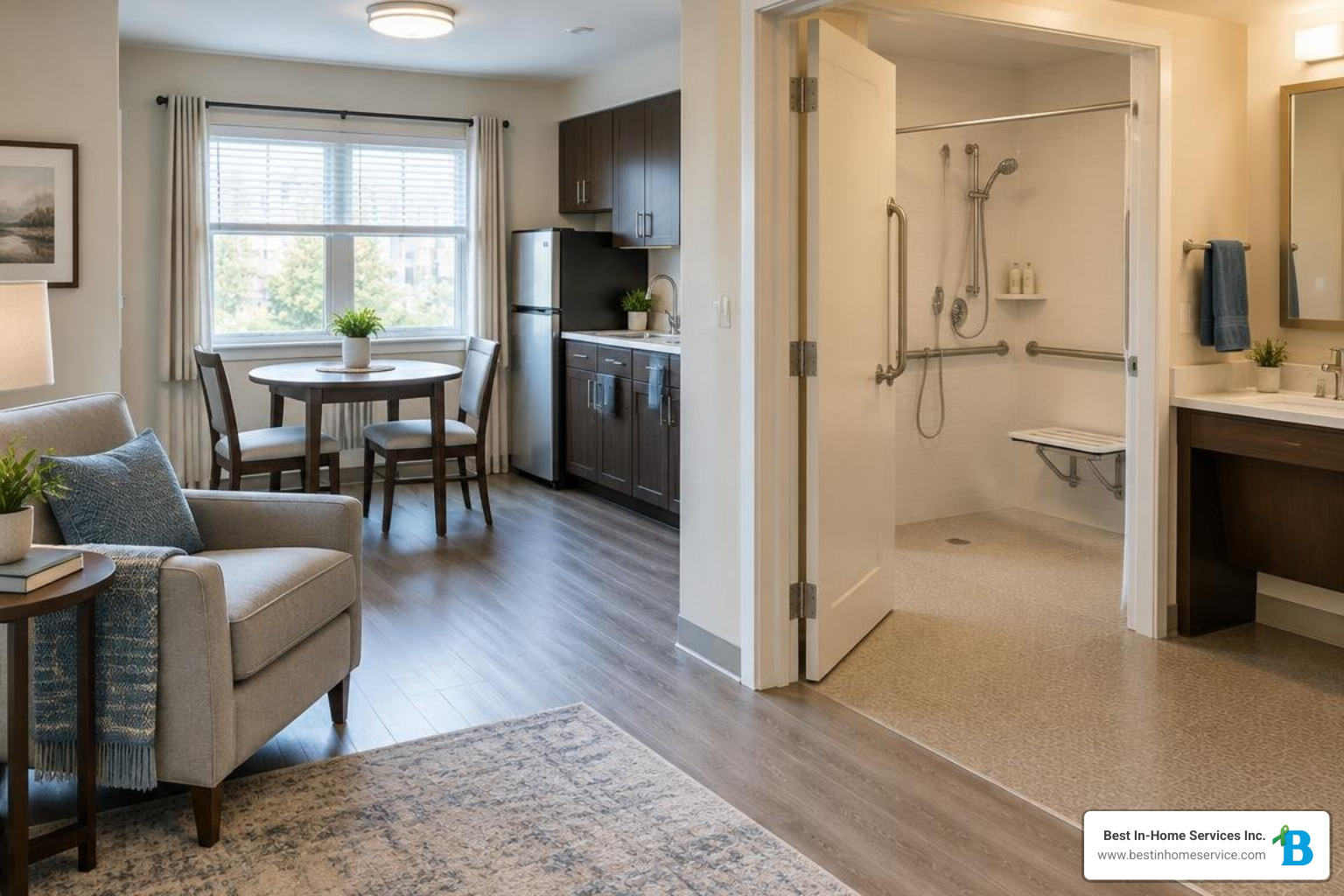
Specialized in-home care focuses on what remains rather than what is lost. Unlike general assisted living, memory care involves specific interventions to manage symptoms like wandering, agitation, and confusion. In the comfort of a private residence, we can implement home safety features—such as removing trip hazards, installing bed alarms, or securing stove knobs—to allow for 24/7 supervision without the jarring transition of moving to a facility.
According to Scientific research on dementia care environments, the familiarity of a home setting can significantly reduce the anxiety and “sundowning” effects often seen in dementia patients. By keeping a loved one in their own space, we preserve their sense of identity and history.
Key Differences in Medical Oversight at Home
Many families wonder if they need a “nursing home” to get medical help. In reality, skilled nursing is often reserved for those with complex clinical needs. For the majority of seniors requiring alzheimer’s care in chicago, in-home support provides robust medical oversight, including:
- Medication Management: Ensuring prescriptions are taken on time and in the correct dosage to prevent adverse reactions.
- ADL Assistance: Compassionate help with Activities of Daily Living, such as bathing, dressing, and grooming, which maintains dignity.
- Monitoring Vitals: Regularly checking blood pressure, weight, and pulse to catch health shifts early.
The Importance of Person-Centered Programming
At Best In-Home Services Inc., we believe that Alzheimer’s Care must be person-centered. This means we don’t just follow a checklist; we learn the resident’s life story. If your father was a jazz enthusiast, his daily routine should include the music he loves. This tailored approach provides cognitive stimulation and emotional support, which are proven to slow the progression of symptoms and improve daily mood.
Navigating Alzheimer’s Care in Chicago: In-Home Support Options
Chicago is a city of neighborhoods, and each area—from the bustling streets of Lakeview to the quiet lanes of the North Shore—presents unique logistical considerations for senior care.
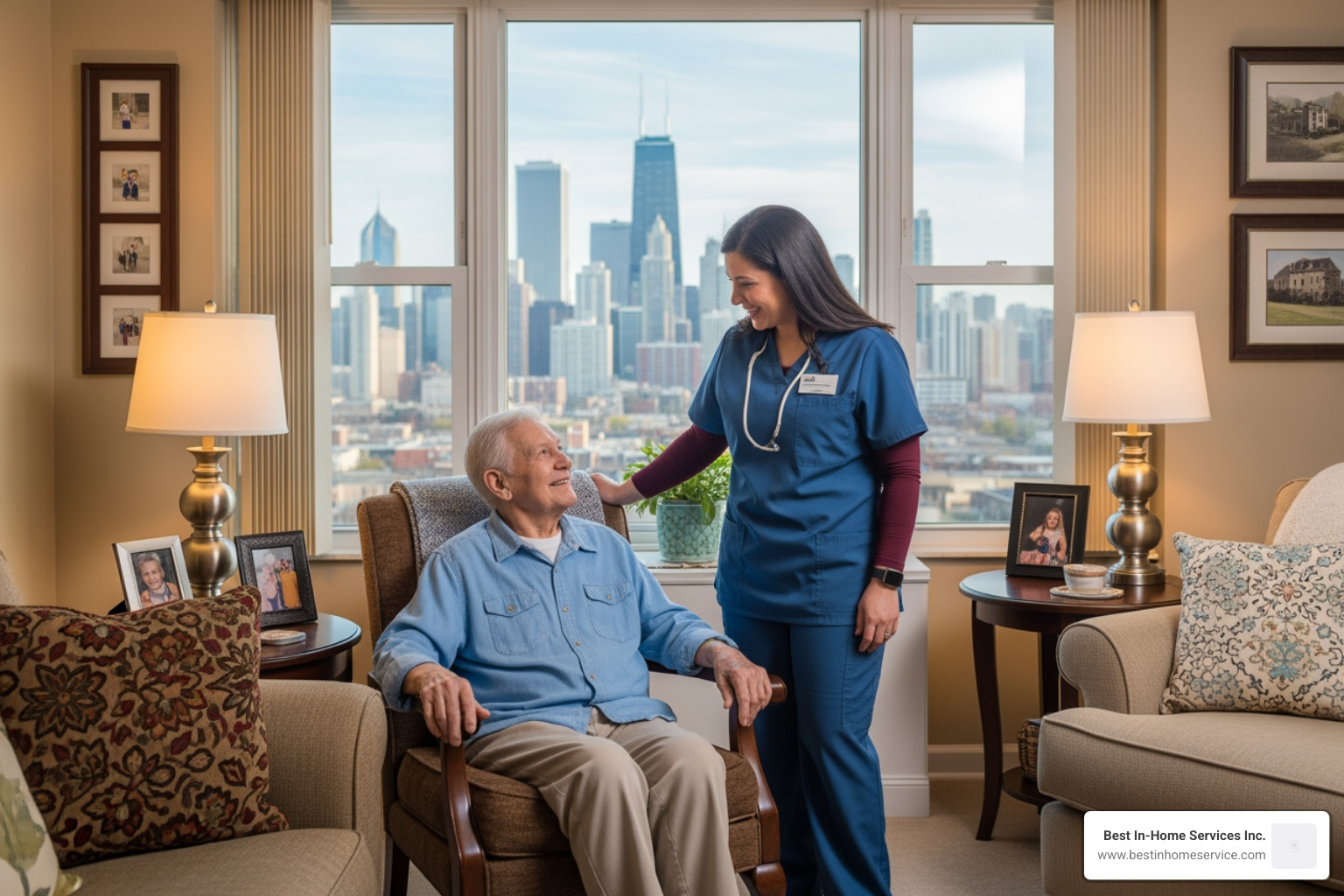
Accessing Care Across Chicago Neighborhoods
Whether you are in Buffalo Grove, the Gold Coast, or a suburb like Naperville, the goal is the same: seamless access to high-quality support. We provide personalized home assessments to determine how a senior’s specific environment can be optimized. In more urban areas like Rogers Park, this might mean focusing on secure entrances and elevator safety, while in suburbs like Winnetka or Schaumburg, it might involve managing larger floor plans and outdoor wandering risks.
Medical Centers Specializing in Dementia Diagnosis
Chicago is home to some of the world’s leading medical institutions. If you are in the early stages of seeking a diagnosis, multidisciplinary teams at UChicago Medicine or Northwestern Medicine are invaluable. These centers employ neurologists, geriatricians, and neuropsychologists who provide:
- Accurate Diagnosis: Distinguishing between Alzheimer’s, Lewy Body Dementia, or Vascular Dementia.
- Comprehensive Treatment Plans: Integrating medication with lifestyle changes.
- Second Opinions: Providing peace of mind when a diagnosis feels uncertain.
Specialized Approaches and Staff Training at Best In-Home Services
Dementia care is a specialized skill set. It requires more than just kindness; it requires a deep understanding of how the brain changes. Our staff undergoes rigorous training, including the CARES® program, which is a national standard for dementia care. This training helps us manage dementia-related behaviors, such as aggression or repetitive questioning, with patience and proven techniques.
To understand how these techniques work in the real world, you can read Alzheimer’s Care: Real Stories of Families Adapting to Personality Changes in Loved Ones. These stories highlight the importance of “meeting the resident where they are” rather than trying to force them into our reality.
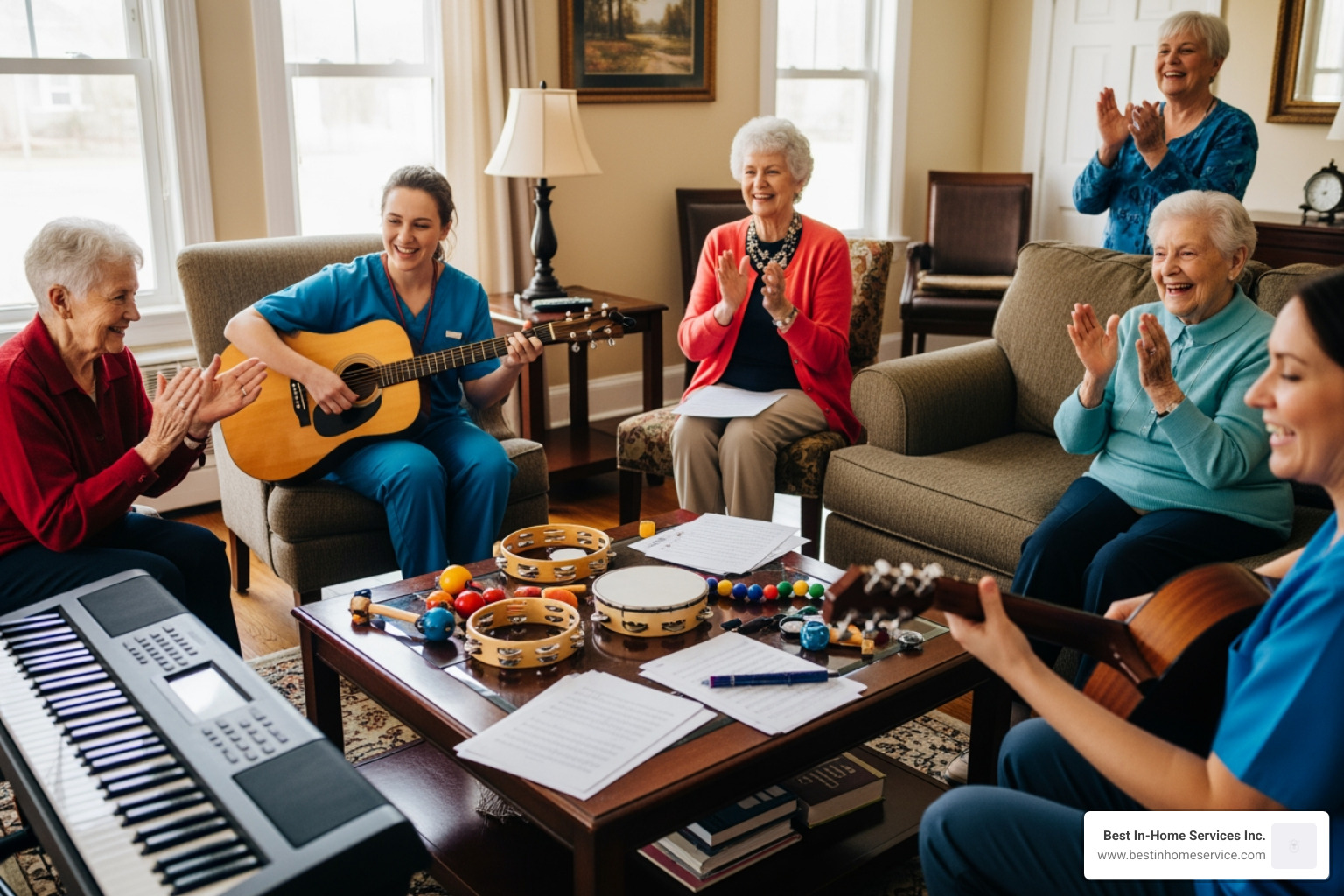
Inclusive Care for Complex Diagnoses
Not all dementia is the same. We specialize in complex diagnoses, including:
- Lewy Body Dementia: Managing the unique balance issues and visual hallucinations associated with this condition.
- Frontotemporal Dementia (FTD): Supporting families through the behavioral and personality shifts common in FTD.
- LGBT+ Inclusive Care: We are committed to providing non-sectarian, inclusive support that respects the diverse identities of Chicago’s seniors.
Benefits of One-on-One Care for Quality of Life
The most significant advantage of in-home Alzheimer’s care in Chicago is the one-on-one ratio. In a facility, one staff member might be responsible for eight or more residents. At home, our caregivers focus entirely on your loved one. This allows for:
- Personalized Meal Preparation: Cooking the foods they actually like while adhering to dietary needs.
- Pet Assistance: Helping seniors keep their beloved pets, which are a massive source of emotional comfort.
- Intergenerational Engagement: Facilitating visits with grandchildren or neighborhood volunteers to keep the senior connected to the community.
Financing Options for Aging in Place
Most families use private pay or long-term care insurance. It is important to review your policy early; many long-term care insurance plans have a “waiting period” before benefits kick in. Other options include:
- Veteran Benefits: Programs like “Aid and Attendance” can help cover home care costs for veterans and their spouses.
- Asset Limits & Medicaid: While many private providers do not accept Medicaid, the Cook County Supportive Living Program offers some options for those who meet specific financial criteria.
Value of Comprehensive In-Home Models
When comparing costs, in-home care is all-inclusive. You aren’t just paying for a caregiver; you are paying for housekeeping, laundry, and personalized meal prep—all without the “add-on” fees often found in residential contracts. For many families, the ability to maintain a one-on-one connection is worth the investment.
When to Seek Professional Alzheimer’s Care in Chicago
Knowing “when” is the hardest part. Often, families wait until a crisis—a fall, a wandering incident, or total caregiver burnout—before seeking help. However, early intervention is much smoother for the senior.
If you notice frequent memory lapses or if your loved one is struggling with basic safety, read 10 Early Signs Of Alzheimers And How Home Care Can Help. These signs often appear years before a formal diagnosis but are the perfect time to introduce a part-time caregiver.
Supporting Aging in Place with In-Home Care
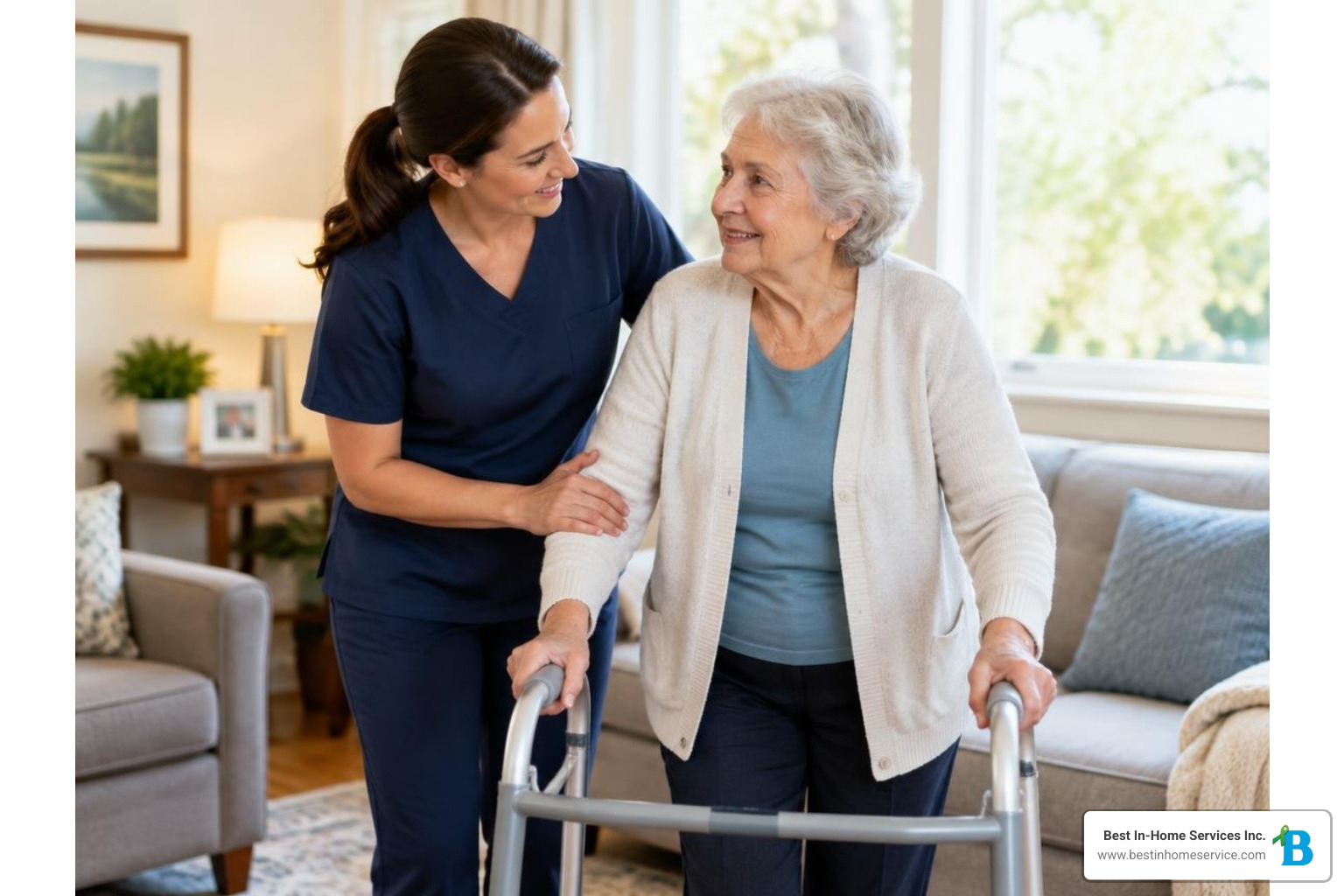
Seeking help doesn’t mean “giving up.” In fact, it’s the opposite. By bringing in hourly care or live-in support, you are enabling your loved one to maintain their independence for as long as possible.
Scheduling Consultations for Alzheimer’s Care in Chicago
We recommend starting with a home safety evaluation. This is a low-pressure way to see how care might work. During a consultation, we focus on caregiver-to-client matching. We don’t just send the first person available; we look for shared interests, personality compatibility, and specific expertise in the relevant stage of dementia.
Frequently Asked Questions about Chicago Memory Care
What is the average cost of in-home memory care in Chicago as of 2026?
As of May 2026, the average cost for hourly memory care in the Chicago area ranges from $35 to $48 per hour. For 24/7 live-in care, families typically expect to pay between $8,500 and $12,000 per month, depending on the level of clinical oversight required.
How do I know if my loved one is safe staying at home with dementia?
Safety is determined by two factors: the environment and the individual’s behavior. If your loved one is prone to “wandering” (leaving the house and getting lost) or forgets to turn off the stove, they require 24/7 supervision. In-home care can provide this safety while allowing them to stay in a familiar setting.
Are there Chicago services that specialize in early-onset Alzheimer’s support?
Yes. Many Chicago providers, including specialized in-home agencies and academic centers like UChicago Medicine, offer programs specifically for those diagnosed before age 65. These programs focus more on maintaining professional and social engagement rather than just basic “supervision.”
Conclusion
Finding the right Alzheimer’s care in Chicago is a journey, but you don’t have to walk it alone. At Best In-Home Services Inc., our mission is to provide the personalized care plans and certified staff that your family deserves. Whether you are in the heart of the city or the surrounding suburbs like Downers Grove, Schaumburg, or Lake County, we are here to offer 24/7 support.
If you’re ready to take the next step, you can explore our Chicago page for neighborhood-specific details or contact our Chicago team for a free consultation. We can help you create a roadmap that ensures your loved one is safe, respected, and—most importantly—home.




 1-224-636-5200
 1-224-636-5210
  425 Huehl Rd 13B Northbrook IL 60062