
What Is In-Home Care and Who Does It Serve?
In-home care refers to professional, in-home support services designed to help seniors and adults with daily living needs – from personal hygiene and mobility to skilled nursing and clinical care.
Here’s a quick overview of what this type of home care can cover:
- Who it’s for: Adults and seniors who need help at home, including those with dementia, memory issues, or post-surgery recovery needs
- Core services: Skilled nursing visits, personal care, social worker support, and bilingual clinical care
- Language support: Staff fluent in Spanish, Russian, Mandarin, Cantonese, and other languages
- Financial options: State-funded programs such as Medicaid waiver and caregiver support programs may help qualifying families offset care costs
- Local provider: Best In-Home Services Inc. provides personalized home care across Chicago and Illinois
One thing that stands out about this model of care: patients who receive services in their primary language often experience clearer communication and better engagement with their care plan. That matters deeply for families navigating care for a loved one who doesn’t speak English as a first language.
I’m Lily Harrison, General Manager at Best In-Home Services Inc., where I’ve spent years coordinating compassionate, certified in-home care services for seniors across Chicago and Illinois. I’ll walk you through everything you need to know in this guide so your family can make a confident, informed decision.
For general background on home care, families can also review the Home care overview.
Comprehensive Services Offered by In-Home Care Providers
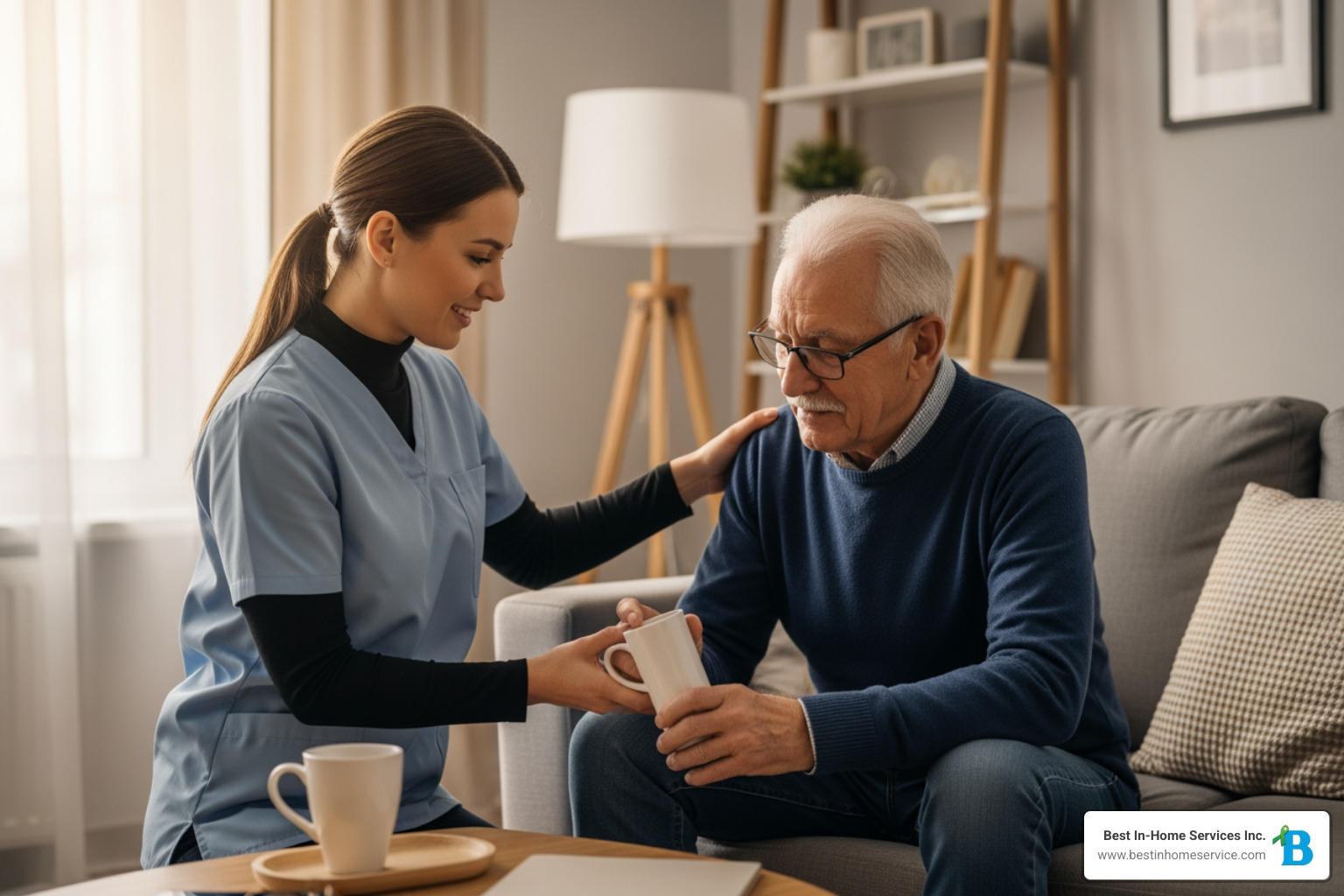
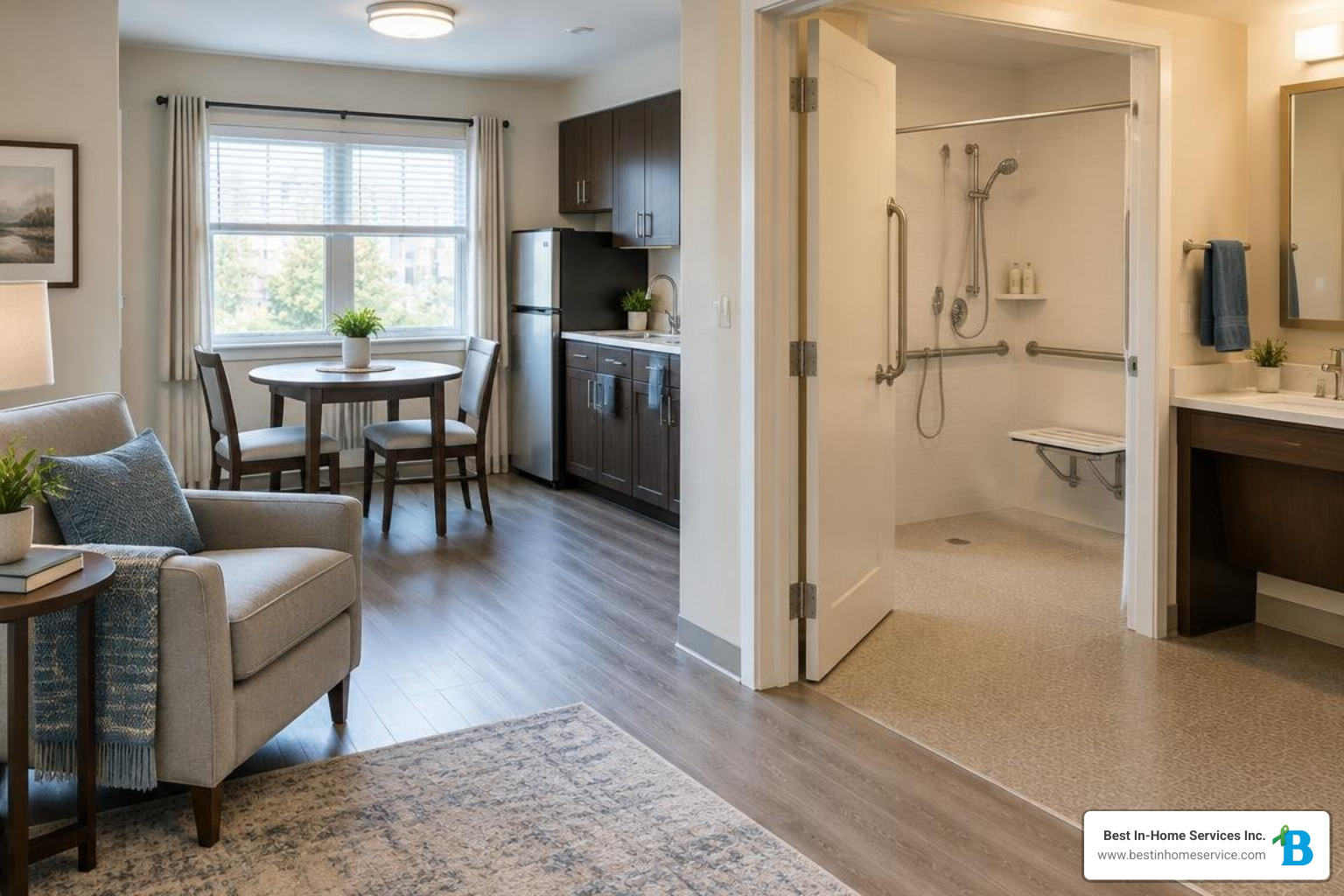
When we talk about home care, we aren’t just talking about someone coming over to do the dishes – though that’s certainly part of the peace of mind we provide. It is a holistic approach to wellness that keeps people where they are happiest: in their own living rooms, surrounded by their own memories.
At the heart of these services is the “intermittent skilled professional service” model. This means that instead of moving into a facility, a team of experts comes to you. This includes everything from clinical care to social work advocacy. We’ve found that Why Senior Care at Home is the Best Choice for Aging in Place often comes down to the emotional stability that staying at home provides.
The range of Home Services typically includes:
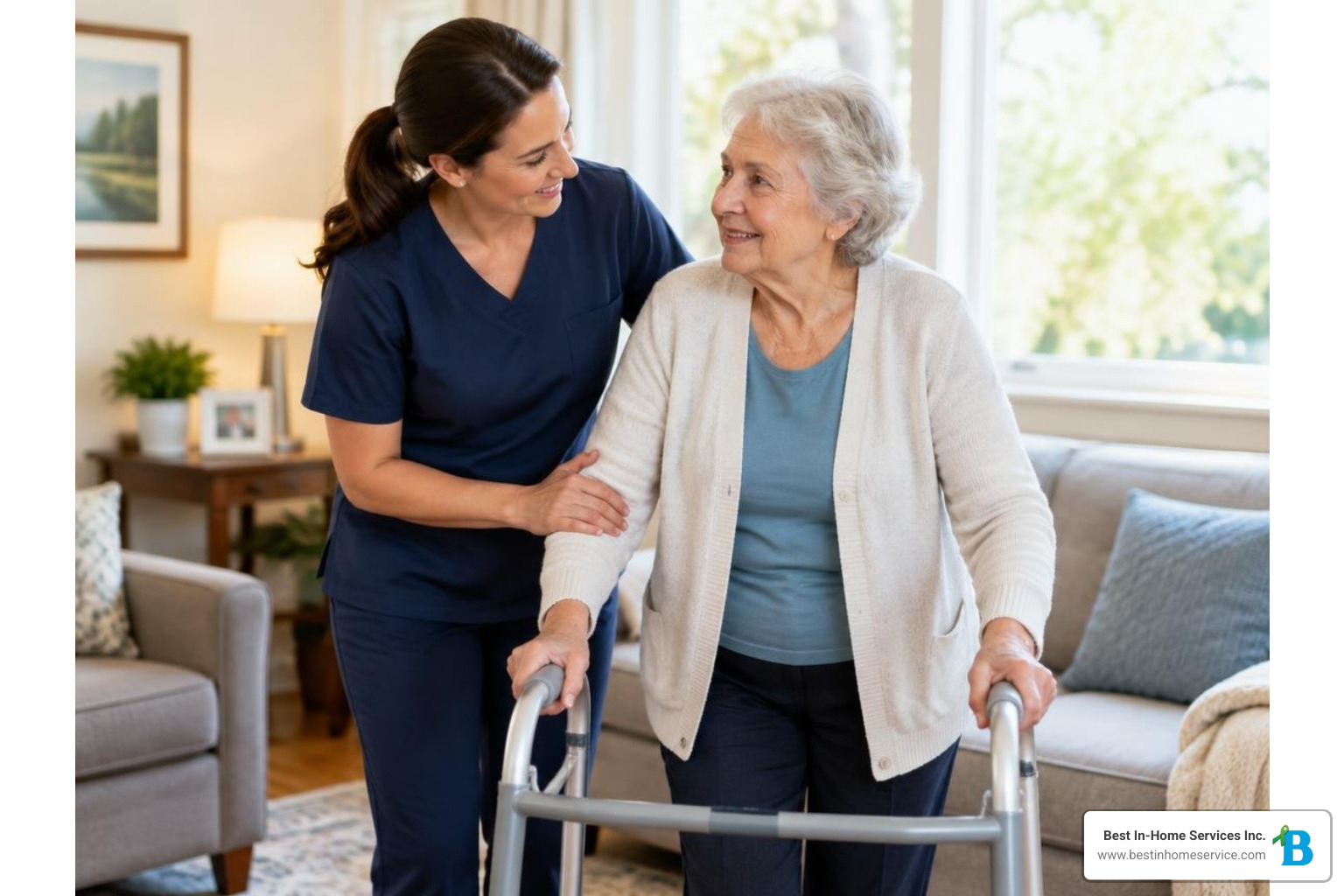
- Personal Care: Assistance with “Activities of Daily Living” (ADLs) like bathing, dressing, and grooming.
- Homemaking: Light housekeeping, laundry, and maintaining a safe environment.
- Social Worker Support: Navigating the complex world of healthcare benefits and community resources isn’t easy. Having a social worker as an advocate ensures that the client’s voice is heard.
Specialized Clinical Support through Home Care
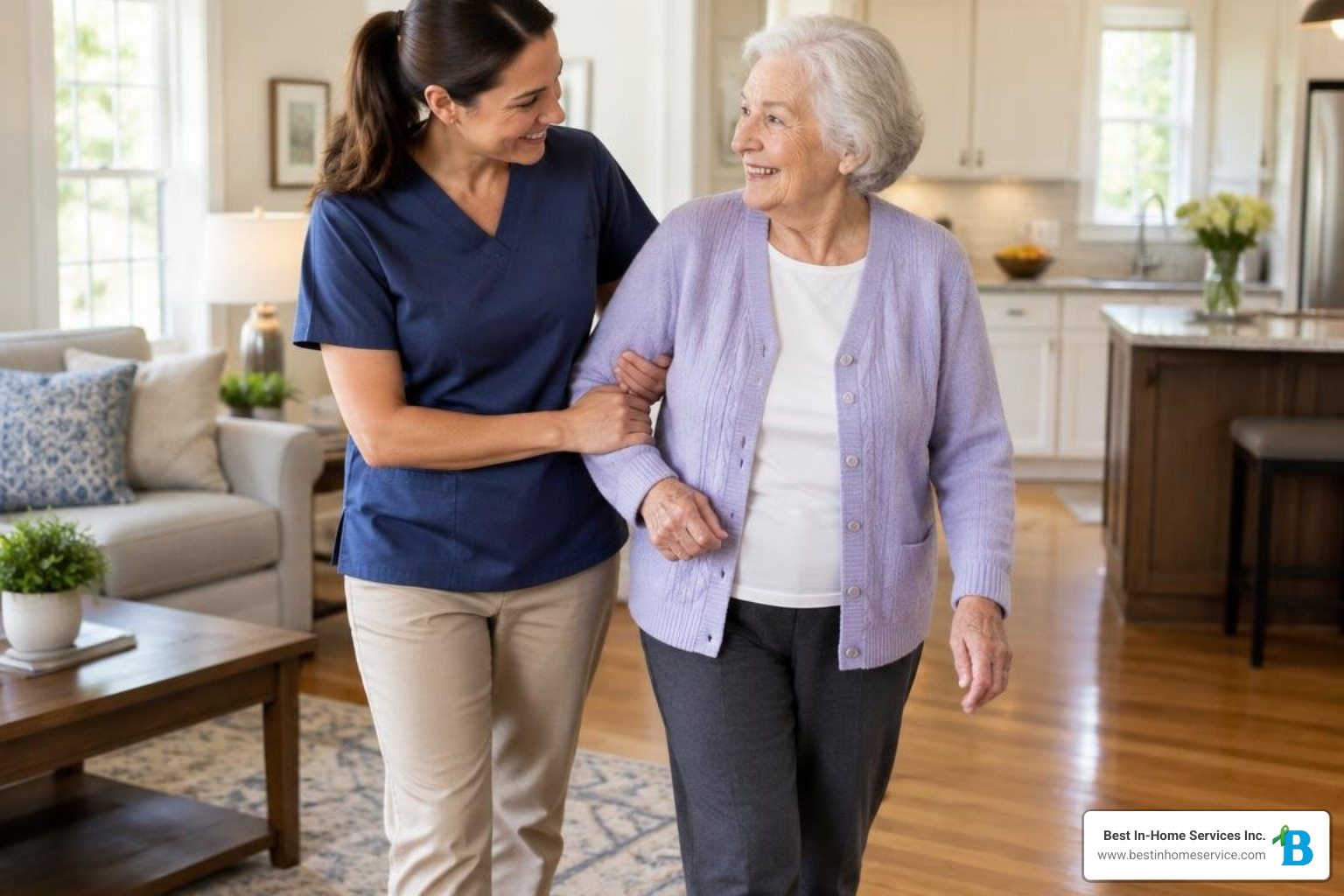
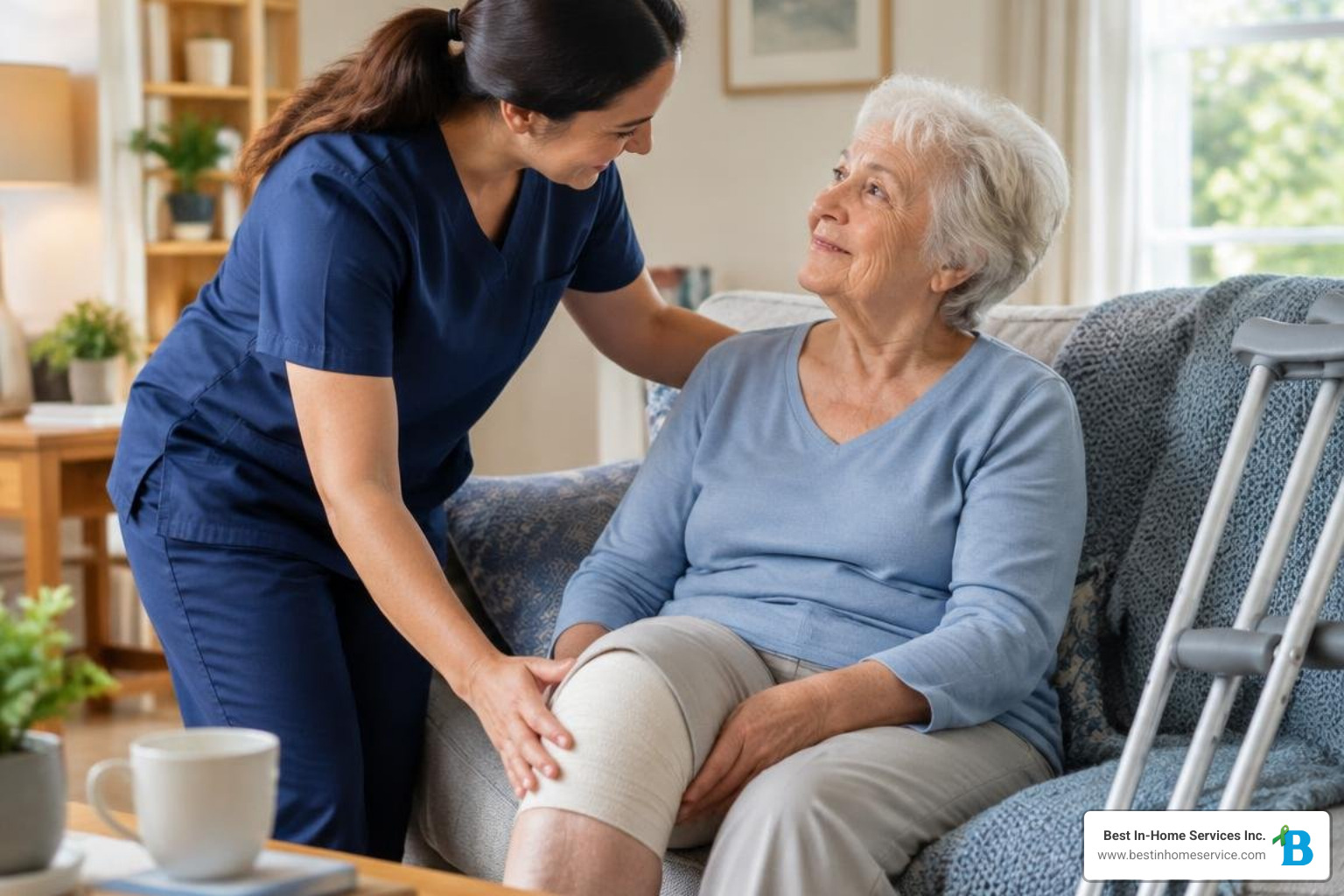
Clinical support is where professional home care really shines. It’s not just about companionship; it’s about medical oversight. Skilled nursing visits are a cornerstone of this care. Nurses monitor vital signs, manage medications, and coordinate with the client’s primary physicians to ensure the care plan is working.
For many of our neighbors in Chicago and Winnetka, managing chronic conditions is a daily reality. For example, How In-Home Care Can Support Diabetic Management for Seniors is a frequent request. Caregivers help monitor blood sugar levels and ensure that nutrition plans are followed strictly.
Additionally, specialized resources are available for those dealing with vision loss. This includes training on tools and home modifications that help a senior maintain their independence even when their sight is failing. Whether it’s Personal Care or high-level clinical coordination, the goal is to prevent unnecessary hospital readmissions.
Addressing Language and Cultural Needs
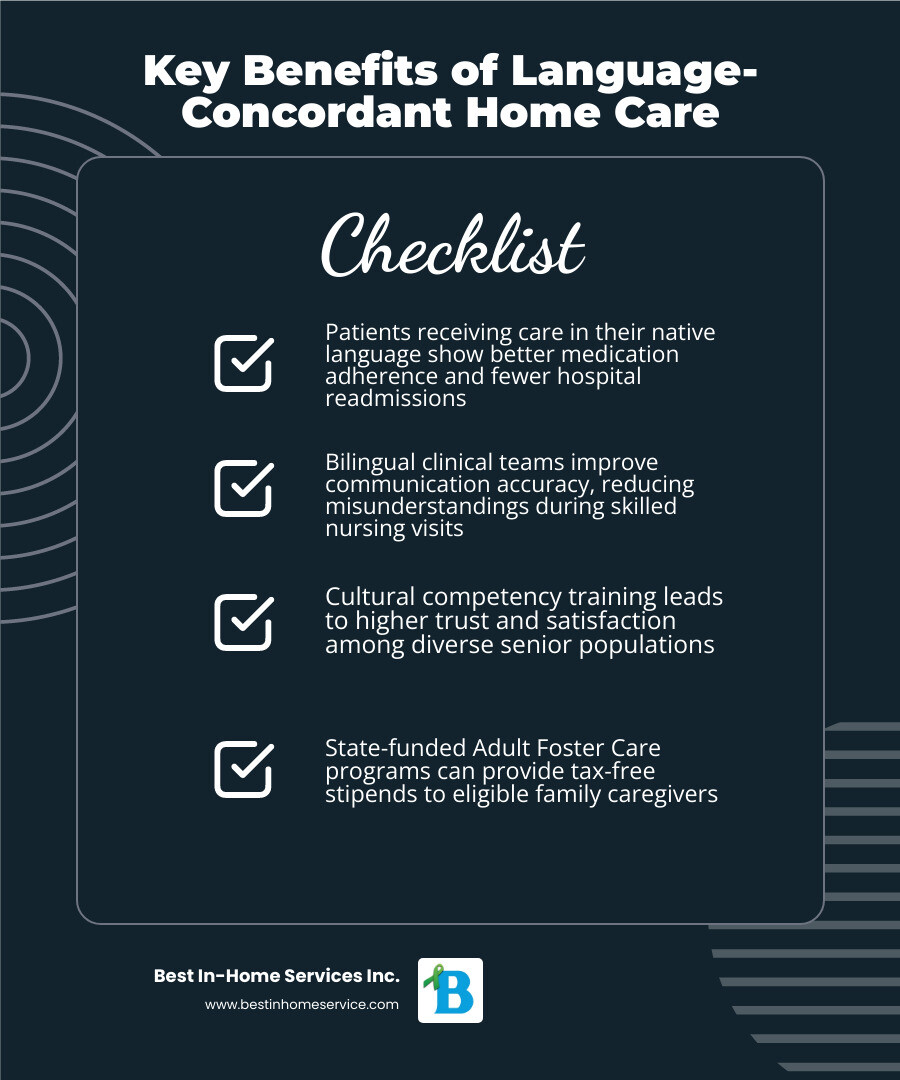
One of the most significant barriers to quality healthcare is the language gap. Research has shown that patients receiving care in their primary language can experience better understanding and stronger care participation. Home care agencies address this by employing bilingual clinical teams.
In our diverse Illinois communities – from the bustling streets of Chicago to the quiet neighborhoods of Skokie and Niles – we see families who primarily speak Spanish, Russian, Mandarin, or Cantonese. When a nurse can explain a medication change in a patient’s native tongue, anxiety drops and compliance rises.
Why is this cultural competency so vital?
- Trust: It’s easier to build a relationship when you aren’t struggling to find the right words.
- Accuracy: There is less risk of losing important details regarding symptoms or pain levels.
- Dignity: Being understood is a fundamental human need.
Why Choose BIHS often comes down to this very factor: the ability to match a caregiver not just based on skills, but on cultural and linguistic compatibility.
Understanding Home Support and Caregiver Assistance Programs
A valuable feature of the in-home care landscape is access to state-supported home care and caregiver assistance programs. These programs can help seniors who cannot safely live alone remain at home with the support they need.
Some programs are designed for individuals who live with their caregivers, while others support scheduled in-home visits. Depending on eligibility rules, the caregiver may be a family member or a trained non-family caregiver.
| Feature | In-Home Care | Assisted Living |
|---|---|---|
| Location | Client’s own home | Residential facility |
| Cost | Often covered by Medicaid/Private Pay | High monthly rent/fees |
| Caregiver | Professional or Family | Facility staff |
| Independence | Highest | Moderate |
| Socialization | Community-based | Facility-based |
Choosing the right path is a big step. Reading about Home Care vs Assisted Living: Which is Right for Your Family? can help you weigh these options. Home care programs often focus on daily activity assistance, ensuring that bathing and dressing support are always available.
Eligibility and Financial Benefits for Families
One of the most common questions I get is, “How can we afford this?” The financial benefits of some home support programs can be a game-changer for Illinois families.
Under certain state-approved programs, family caregivers may receive monthly payments or other support, depending on eligibility and program structure. To qualify, the person receiving care generally must:
- Be a resident of the state, such as Illinois.
- Be eligible for specific Medicaid or state support programs.
- Require assistance with at least one daily activity, such as eating, toileting, or transferring.
Professional nursing oversight may still be provided when required so the caregiver has the support they need. Navigating Home Health Care can be overwhelming, but these programs may provide the financial breathing room families need to keep their loved ones at home rather than in a nursing facility.
Career Opportunities and Caregiver Training
The home care industry is growing rapidly – in fact, many agencies continue to expand their workforce as demand rises. For those looking to enter the field, home care offers a rewarding career path with competitive benefits.
In the Chicago area, hourly wages can vary depending on the level of certification and the complexity of the care. But it’s not just about the paycheck. A comprehensive benefits package often includes:
- Health, Dental, and Vision Insurance
- 401k Retirement Plans
- Paid Sick Time and PTO
- Flexible Scheduling, which can help those balancing their own families
Finding the right job is about Finding the Perfect Match Among Professional Caregivers for Seniors, ensuring that the caregiver’s passion for service matches the agency’s mission.
Training and Professional Growth in Home Care
You don’t always need a decade of experience to start a career in home care. Many agencies provide HHA or PCA training programs. This certification path helps entry-level healthcare workers learn core skills such as infection control, mobility support, and dementia care fundamentals.
Professional growth is encouraged through:
- Certification Opportunities: Moving from a Personal Care Assistant (PCA) to a Home Health Aide (HHA).
- Specialized Training: Learning how to handle chronic illnesses or advanced dementia care.
- Career Advancement: Many caregivers eventually move into administrative or supervisory roles.
If you are looking for a reliable provider, checking a Home Care Agency in Chicago: The No-Stress Shortlist is a great way to see which agencies invest in their staff.
Quality Assurance and Clinical Outcomes
How do we know the care is actually working? Quality assurance isn’t just a buzzword; it’s a rigorous process involving strict compliance standards and regular nursing monitoring.
Every client should have a customized care plan that is reviewed and updated frequently. This ensures that as a senior’s needs change – perhaps they are recovering well from a fall or, conversely, their mobility is decreasing – the care adapts. Chronic Illness Home Care Throughout Illinois: How Caregivers Help Manage Ongoing Conditions relies on this constant feedback loop between the caregiver, the nurse, and the doctor.
Patient Experiences with Home Care
The true measure of success is in the experiences of the people we serve. We often hear from families in Highland Park or Naperville who felt overwhelmed after a hospital discharge and needed dependable support at home.
Strong post-surgery recovery support can help clients regain confidence, rebuild routines, and return to daily life more smoothly. Following Post-Hospital Discharge: Essential Tips for a Smooth Transition Home is much easier when you have a professional by your side.
Clients frequently highlight:
- Professionalism: Caregivers who arrive on time and ready to work.
- Reliability: Knowing that someone will be there, even during severe winter weather.
- Compassion: Caregivers who provide emotional support alongside physical care.
Frequently Asked Questions about Home Care
Where is the agency located and what areas do they serve?
Best In-Home Services Inc. brings a high standard of care to the Chicago metropolitan area and surrounding Illinois communities. We serve clients in:
- Chicago IL (all neighborhoods)
- Northbrook, Glenview, and Winnetka
- Lake County and Cook County
- Naperville, Oak Brook, and Hinsdale
- Skokie, Evanston, and Wilmette
For a full list of our service areas or to find an office near you, visit our Contacts page.
What are the requirements for home support programs?
To participate in these programs, the individual typically needs to be eligible for Medicaid or another state-approved support program. The primary requirement is a clinical need for assistance with Activities of Daily Living (ADLs). Whether you need a live-in caregiver or scheduled visits, we can help you determine your eligibility for Individual Services.
Does the agency provide training for non-certified caregivers?
Many agencies welcome people with a heart for service, even if they don’t have a medical background. Training pathways such as HHA or PCA programs can provide the skills and certification needed to start working in care. Explore Our Comprehensive Home Care Services to see how care teams support seniors at home.
Conclusion
Choosing the right care for a loved one is one of the most significant decisions a family can make. High-quality home care represents a commitment to dignity, cultural respect, and clinical excellence. By focusing on clear communication and providing strong support for both professional and family caregivers, seniors in our Illinois communities can remain safer and more comfortable at home.
At Best In-Home Services Inc., we are proud to provide this personalized care across Chicago and the surrounding suburbs. From dementia and memory support to 24/7 certified staff availability, our mission is to bring peace of mind to your doorstep. If you’re ready to take the next step, we’re here to walk with you every step of the way.


 1-224-636-5200
 1-224-636-5210
  425 Huehl Rd 13B Northbrook IL 60062