
In-Home Wound Care Starts With a Clear Plan
For a minor cut, wash your hands, rinse the wound with running water, and cover it with a clean, nonstick dressing. For a surgical wound, foot ulcer, or other ongoing wound, follow the clinician’s instructions for cleaning, dressings, and follow-up. Check the wound each day. Call a healthcare professional if pain, redness, swelling, or drainage increases.
A new wound may heal steadily, while a chronic wound needs closer monitoring and treatment of its underlying cause. Practicing proper in home wound care means knowing who handles medical wound care and who can help with daily needs such as meals, mobility, and reminders.
Lily Harrison, General Manager at Best In-Home Service Inc., a Northbrook-based non-medical home care provider, helps coordinate daily support for older adults and families, including routines that support recovery alongside a clinician’s plan.
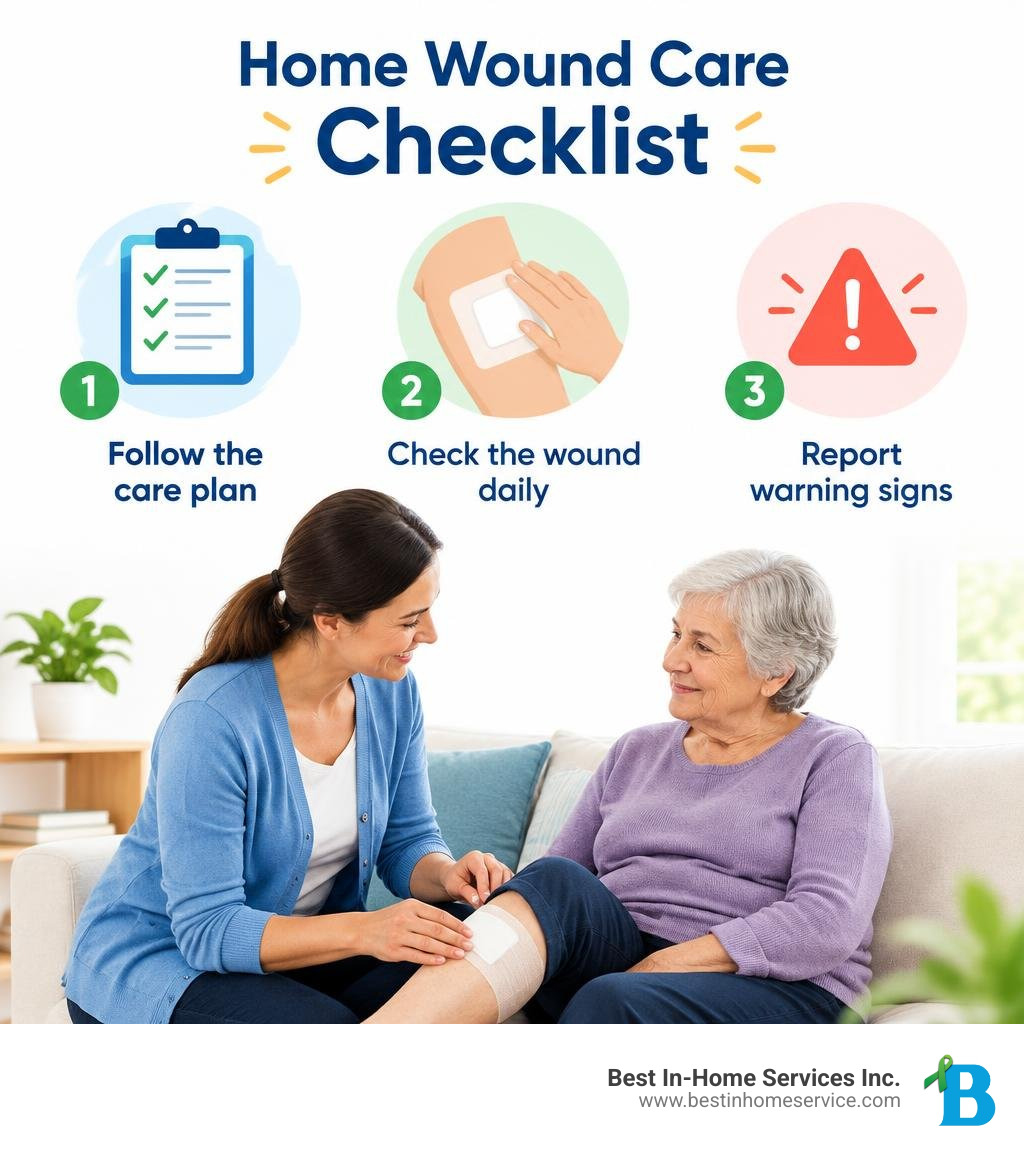
Managing recovery at home after surgery or an injury can feel overwhelming. Research indicates that 63% of patients who do not receive clear wound care instructions end up returning to a healthcare facility after discharge due to complications they were unprepared to manage. Furthermore, 38% of patients leave the hospital unsure of how to change their dressing, and 58% do not know which solution to use for cleaning. Following structured guidance for post hospitalisation care helps bridge this gap safely.
Establishing a safe healing environment at home requires understanding the type of wound you have, knowing the right cleaning techniques, recognizing warning signs early, and coordinating appropriate non-medical daily support to keep stress low and nutrition high. When arranging post surgery care Chicago families often turn to trusted Chicago IL home care providers to help manage daily household and personal tasks during recuperation. Non-medical home care costs vary based on the level of assistance, scheduled hours, schedule, specialized care, and overnight or weekend needs, and transportation may involve separate mileage billing. Best In-Home Service Inc. has a 3-hour visit minimum, and families can request a personalized consultation or quote to understand what their specific care plan may involve.
Understanding Wound Types: Acute vs. Chronic Wounds
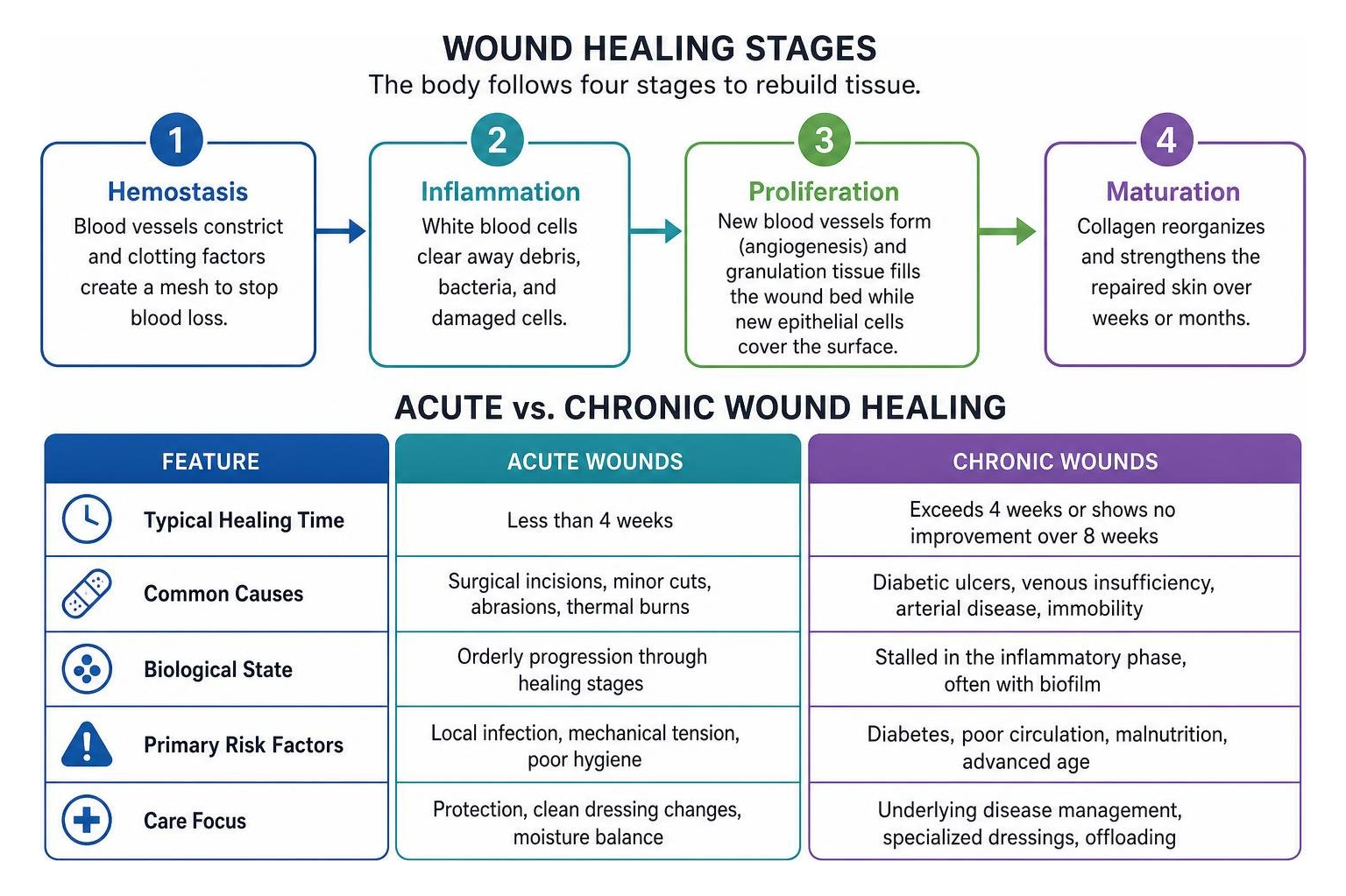
Every wound follows a biological sequence to rebuild tissue. In healthy children and adults, most minor wounds close within two weeks. The body moves through four distinct phases:
- Hemostasis: Blood vessels constrict and clotting factors create a mesh to stop blood loss.
- Inflammation: White blood cells clear away debris, bacteria, and damaged cells.
- Proliferation: New blood vessels form (angiogenesis) and granulation tissue fills the wound bed while new epithelial cells cover the surface.
- Maturation: Collagen reorganizes and strengthens the repaired skin over weeks or months.
Understanding the distinction between acute and chronic injuries is vital for home management, as outlined in clinical research on acute and chronic wound healing.
| Feature | Acute Wounds | Chronic Wounds |
|---|---|---|
| Typical Healing Time | Less than 4 weeks | Exceeds 4 weeks or shows no improvement over 8 weeks |
| Common Causes | Surgical incisions, minor cuts, abrasions, thermal burns | Diabetic ulcers, venous insufficiency, arterial disease, immobility |
| Biological State | Orderly progression through healing stages | Stalled in the inflammatory phase, often with biofilm |
| Primary Risk Factors | Local infection, mechanical tension, poor hygiene | Diabetes, poor circulation, malnutrition, advanced age |
| Care Focus | Protection, clean dressing changes, moisture balance | Underlying disease management, specialized dressings, offloading |
Chronic wounds affect over 8 million Americans. In older adults over age 65 – especially those who are homebound or facing reduced mobility – a non-healing wound can escalate without proper oversight. While acute wounds frequently heal by primary intention (where clean edges are closed with sutures or staples), chronic wounds often heal by secondary intention, requiring new tissue to build up from the base. Following comprehensive post-hospital recovery guidance helps bridge the gap between clinical discharge and daily recovery at home.
Essential In Home Wound Care Steps: Cleaning, Dressing, and Daily Monitoring

Safe dressing changes rely on clean technique and patience. The skin naturally renews itself roughly every month, but fragile healing tissue needs protection from harsh chemicals and physical trauma.
Step-by-Step Dressing Change Protocol
- Prepare the Space and Sanitize: Clean a flat table surface. Wash your hands thoroughly with soap and warm water for 20 seconds. Lay out sterile gauze, your prescribed dressing, medical tape, and normal saline solution.
- Remove the Old Dressing Gently: Carefully peel tape toward the wound, not away from it, to avoid tearing fragile skin. If the pad sticks, moisten it with sterile saline to loosen it rather than pulling.
- Inspect the Dressing: Note the color, amount, and smell of any drainage before discarding the dressing in a lined waste bin.
- Clean the Wound: Rinse the wound gently using sterile saline or mild soap and clean tap water as directed by your clinician. Avoid scrubbing the delicate pink granulation tissue.
- Protect and Dress: Apply any prescribed topical ointment or barrier cream to the surrounding intact skin. Place a non-adherent, moist wound dressing over the bed to keep tissue hydrated – skin cells migrate much faster in a moist environment than under a dry scab. Secure with breathable medical tape.
- Dispose and Wash: Discard used materials, wash your hands again, and log the date and time of the change.
Daily Wound Inspection Checklist
- Check surrounding skin for expanding redness or swelling.
- Measure or observe changes in wound size and depth.
- Note drainage volume (scant, moderate, heavy) and color (clear, yellowish, or cloudy).
- Assess resting and dressing-related pain levels.
Identifying Early Signs of Wound Infection and Complications
Catching complications early prevents minor setbacks from turning into urgent hospital visits. Inspect the wound daily for these key indicators:
- Expanding Erythema: Redness spreading outward from the wound margins.
- Localized Edema and Warmth: Skin around the wound feeling hot, firm, or noticeably swollen.
- Purulent Exudate: Thick, cloudy, milky, or greenish drainage.
- Foul Odor: An unpleasant smell noticeable when removing the bandage or cleaning the area.
- Red Streaking: Thin red lines branching outward from the injury along lymph channels, which requires immediate medical evaluation.
- Systemic Symptoms: Chills, confusion, lethargy, or a fever above 100.4°F (38°C).
- Tissue Necrosis: Black, dry eschar or yellowish slough building up inside the wound bed.
Essential Tools and Checklists for In Home Wound Care
Organized care reduces mistakes. Standardized programs, like the American College of Surgeons Wound Management Home Skills Program, emphasize that structured tools significantly boost patient and family confidence. Useful tools include:
- Discharge Checklists: Clear, written provider instructions detailing dressing types, change frequencies, and emergency contacts.
- The Teach-Back Method: Explaining and demonstrating the dressing change to a visiting nurse or doctor before discharge to confirm understanding.
- Dressing Logs: A simple notebook to record daily drainage, skin appearance, and pain scores.
- Pre-Assembled Kits: Keeping all necessary supplies (gloves, saline, barrier wipes, primary and secondary dressings) in a dedicated bin away from pets and moisture.
Pain Relief, Distraction Techniques, and Complementary Therapies
Wound-related pain can increase anxiety and slow recovery by elevating stress hormones. Effective management combines scheduled clinical relief with comforting home strategies.
Pharmacological and Dressing Strategies
- Pre-Medication: If dressing changes cause discomfort, take clinician-approved oral analgesics 30 to 45 minutes prior to the procedure.
- Atraumatic Materials: Use silicone-based adhesives or non-adherent contact layers that lift away cleanly without tearing new skin.
- Moist Cleansing: Always soak adherent gauze with saline rather than forcing it off dry.
Complementary and Distraction Techniques
- Music Therapy: Playing calming music or a favorite playlist during dressing changes helps divert attention, lower heart rates, and reduce perceived pain.
- Aromatherapy: Calming scents like lavender or sweet orange diffused in the room can create a tranquil atmosphere and reduce procedural anxiety.
- Guided Imagery and Deep Breathing: Practicing slow, diaphragmatic breathing (inhaling for 4 seconds, holding for 4, and exhaling for 6) helps relax tense muscles around the injury site.
- Visual Distraction: Engaging with audiobooks, podcasts, or television programs keeps the mind occupied while care steps are performed.
Holistic Support: Nutrition, Mobility, and Prevention Strategies
Wound healing requires significant cellular energy. Supporting the body from within ensures the building blocks of tissue repair are available.
- Protein Intake: Lean meats, poultry, fish, eggs, tofu, beans, and Greek yogurt provide amino acids essential for collagen synthesis.
- Vitamin C & Zinc: Citrus fruits, bell peppers, berries, nuts, and seeds support immune function and cellular replication.
- Hydration: Drinking plenty of water maintains tissue perfusion and skin elasticity.
Caregivers also play a central role when managing chronic health conditions at home to prevent secondary injuries:
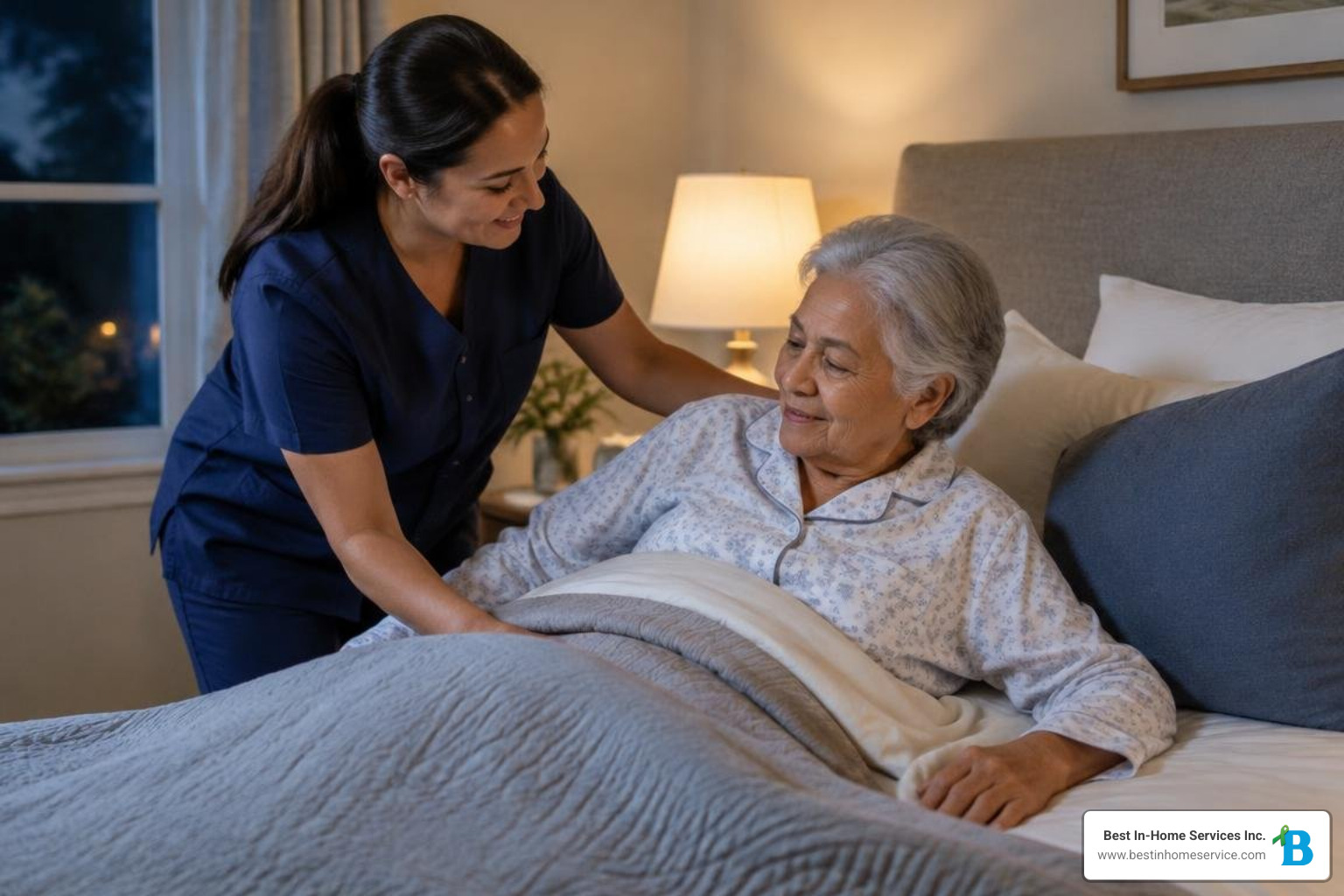
- Pressure Ulcer Prevention: For individuals with limited mobility, repositioning every two hours while in bed and shifting weight every 15 to 30 minutes while seated relieves pressure over bony prominences (heels, sacrum, hips).
- Shear and Friction Reduction: Use transfer sheets and lift rather than slide across bedding.
- Skin Tear Prevention: Keep arms and legs protected with soft clothing or limb protectors, keep skin well-hydrated with gentle moisturizers, and pad sharp furniture corners.
- Venous Ulcer Care: Elevate legs above heart level when resting, and wear prescribed graduated compression stockings strictly according to physician guidelines.
Managing In Home Wound Care for Seniors and Diabetics
Aging skin loses subcutaneous fat and natural moisture, making it particularly fragile. For older adults living with diabetes, elevated blood sugar levels can impair white blood cell function, restrict microvascular circulation, and lead to peripheral neuropathy (loss of sensation in the feet and lower legs).
For detailed guidance on daily routines, review our resources on diabetic management for seniors.
When caring for individuals with dementia or cognitive impairment, assessing pain through traditional number scales is often impractical. Caregivers and family members should look for non-verbal cues using validated behavioral observational tools like the PAINAD (Pain Assessment in Advanced Dementia) scale:
- Facial expressions (grimacing, frowning)
- Vocalizations (moaning, groaning, calling out)
- Body language (tense posture, guarding the wound site, fist-clenching)
- Behavioral changes (agitation, sudden resistance to care, sleep disruptions)
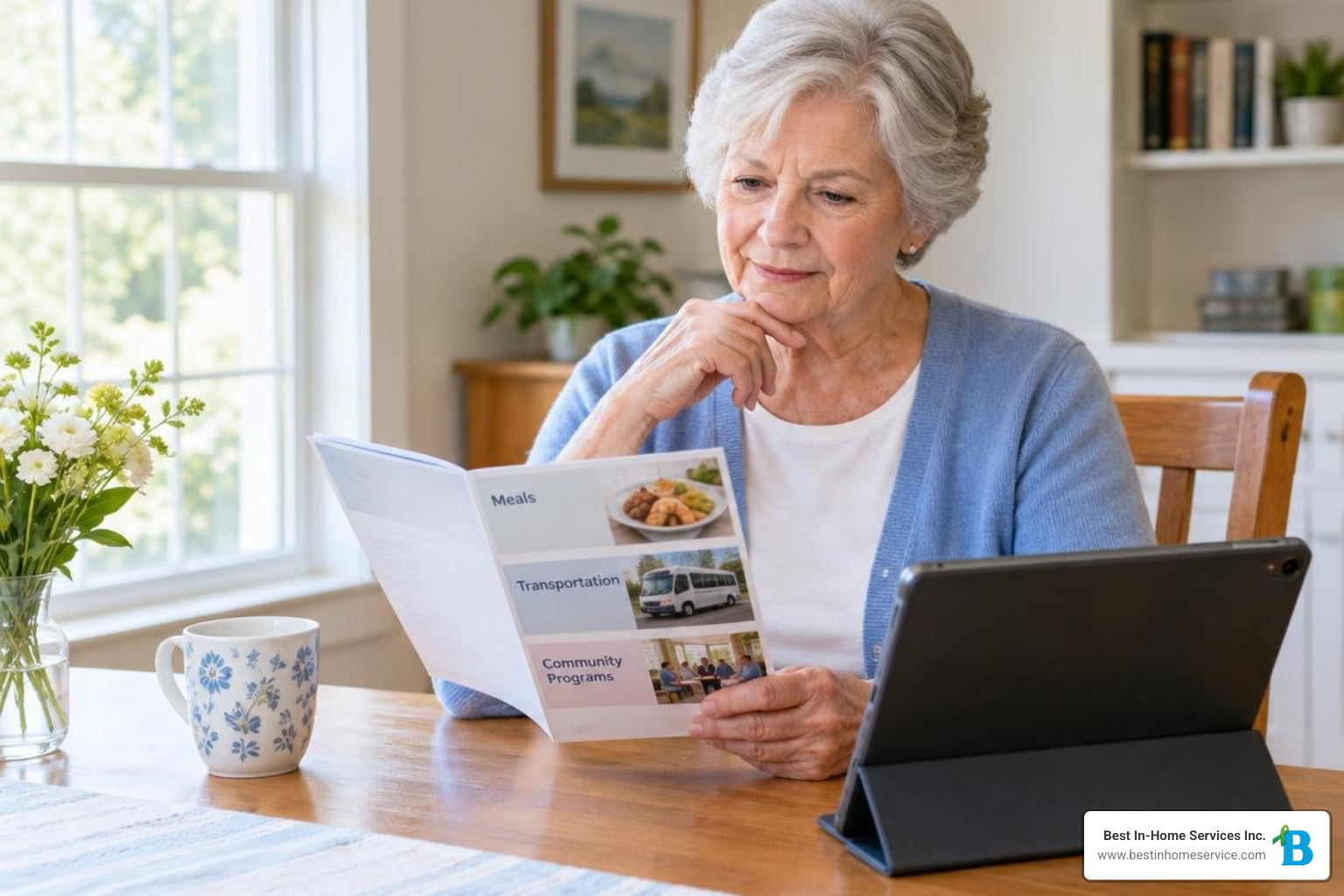
While medical treatment must be directed by clinicians, non-medical caregivers provide essential daily living support. Our team provides hands-on personal care services to assist with bathing, dressing, meal preparation, and light housekeeping, ensuring seniors can focus on rest while avoiding physical strain that could reopen healing wounds.
When to Contact a Wound Specialist or Seek Emergency Care
While many minor injuries heal well at home, certain symptoms require professional evaluation. Dedicated hospital programs, such as hospital-based wound care center services, offer advanced therapies including debridement, cellular tissue products, and negative pressure wound therapy (wound vacs).
Contact Your Physician or Specialist If:
- The wound fails to show noticeable progress or decrease in size after 2 to 4 weeks.
- Drainage increases significantly or changes to thick, yellowish, or greenish fluid.
- Pain increases steadily despite taking recommended pain relievers.
- The wound bed turns dark brown, black, or grey.
Seek Immediate Emergency Medical Attention (Call 911) If:
- Severe, arterial bleeding does not stop after 10 minutes of direct, continuous pressure.
- You observe signs of sepsis: high fever, severe shivering, rapid heart rate, shortness of breath, extreme confusion, or clammy skin.
- A deep puncture or dirty wound occurs and the patient has not had a tetanus booster within the last 5 to 10 years.
- The wound extends across a joint, exposing muscle, tendon, or bone.
Frequently Asked Questions about In-Home Wound Care
Why should hydrogen peroxide and rubbing alcohol be avoided on open wounds?
While hydrogen peroxide and rubbing alcohol were once common household staples, medical evidence shows they are cytotoxic. This means they destroy healthy new skin cells and beneficial white blood cells alongside bacteria, causing chemical irritation, increasing pain, and delaying the overall healing process. Normal saline solution or gentle soap and clean running water are the safest choices for cleaning open wounds.
How often should wound dressings be changed at home?
Dressing change frequency depends entirely on your clinician’s orders, the type of dressing used, and the amount of drainage. Some modern hydrocolloid or foam dressings can remain safely in place for several days, while other wounds require daily changes. However, if a bandage becomes wet from the outside, loosens, or becomes saturated with drainage (known as strike-through), it should be changed promptly using clean technique to prevent bacterial growth.
What daily assistance helps homebound seniors heal safely from wounds?
Homebound seniors benefit significantly from supportive non-medical care that reduces physical strain. Professional non-medical caregivers can prepare protein-rich meals, provide gentle mobility assistance, offer timely reminders for prescribed medications, and help with safe personal hygiene so bandages stay clean and dry.
How much does non-medical home care cost while someone recovers from a wound?
Costs vary because every care plan is built around individual needs. The main variables include the level of assistance required, the number of scheduled hours, the weekly schedule, any specialized care such as memory support, overnight or weekend needs, and separate transportation mileage billing when a caregiver drives a client to appointments or errands. Best In-Home Service Inc. has a 3-hour visit minimum, and the most accurate way to understand costs is to request a personalized consultation or quote based on the specific recovery plan.
Conclusion
Safe, effective recovery at home relies on careful daily observation, adherence to clinical dressing protocols, and a supportive, low-stress living environment. When patients, families, and healthcare providers work together, complications can be identified early and healing can progress smoothly.
Best In-Home Services Inc. is an Illinois-licensed non-medical home care provider based in Northbrook, IL (License #3000758). We are licensed by the Illinois Department of Public Health, approved by the Illinois Department on Aging under the Community Care Program, and recognized by the Illinois Department of Human Services / Rehabilitation Services for the Home Service Program.
Our certified caregivers provide non-medical daily living support – such as meal preparation, mobility assistance, personal care, and medication reminders – to support individuals recovering at home throughout Cook, Lake, and DuPage counties. Whether you need short-term help after a hospital discharge or ongoing daily support in Chicago, Evanston, Skokie, Glenview, Schaumburg, Naperville, Downers Grove, Oak Brook, Highland Park, Deerfield, or surrounding communities, we are here to help.
To learn more about setting up practical support during recovery, explore our guide on post-hospital home care after surgery or contact us directly at 224-636-5200 to schedule a free in-home care assessment.





 1-224-636-5200

 1-224-636-5210
 425 Huehl Rd 13B Northbrook IL 60062