
Why Finding the Right Services for Senior Citizens Can Change Everything
The range of services for senior citizens available today is wider than most families realize — and knowing where to start can make a real difference in a loved one’s safety, comfort, and independence.
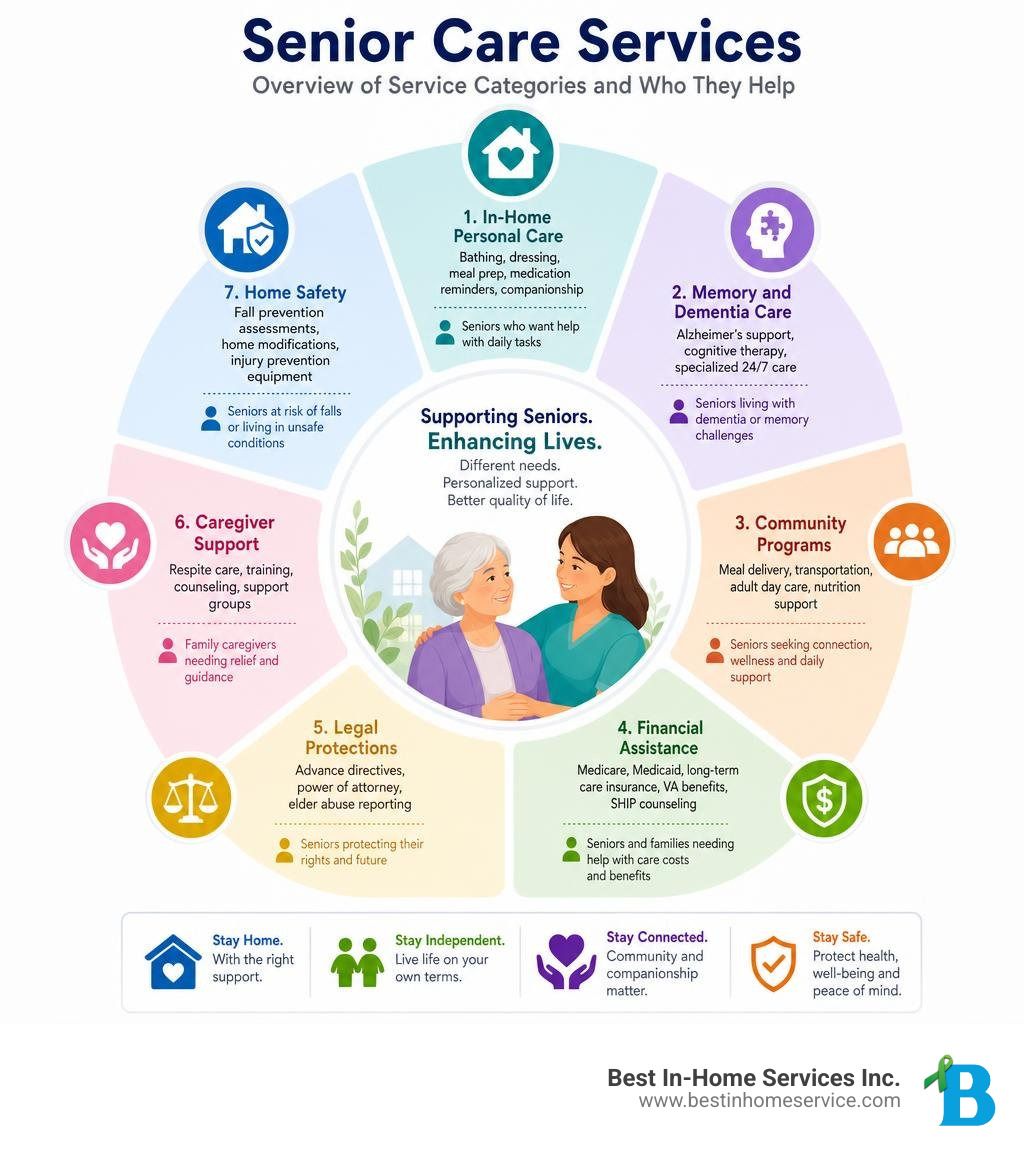
Here is a quick overview of the main categories of senior services:
| Service Category | What It Covers |
|---|---|
| In-Home Personal Care | Bathing, dressing, meal prep, medication reminders, companionship |
| Memory and Dementia Care | Alzheimer’s support, cognitive therapy, specialized 24/7 care |
| Community Programs | Meal delivery, transportation, adult day care, nutrition support |
| Financial Assistance | Medicare, Medicaid, long-term care insurance, VA benefits, SHIP counseling |
| Legal Protections | Advance directives, power of attorney, elder abuse reporting |
| Caregiver Support | Respite care, training, counseling, support groups |
| Home Safety | Fall prevention assessments, home modifications, injury prevention equipment |
Most seniors want one thing above all else: to stay home. But aging in place is only possible when the right support systems are in place. Whether a loved one needs help with daily tasks, is living with dementia, or simply needs a safer home environment, there are programs — both public and private — designed to help.
The challenge is that these programs are scattered across state agencies, nonprofits, and private providers. Families often don’t know what exists, who qualifies, or how to get started.
This guide cuts through the confusion and explains what is actually available, in plain language.
I’m Lily Harrison, General Manager at Best In-Home Services Inc., where I coordinate personalized in-home care for seniors across Chicago and Illinois — including dementia care, daily support, and 24/7 assistance. With years of hands-on experience helping families navigate services for senior citizens, I’ll walk you through everything you need to know to find the right care for your loved one.
Services for senior citizens terms explained:
Navigating In-Home Care and Support Services for Senior Citizens
When we talk about helping older adults live independently, the conversation almost always starts at home. For the vast majority of older adults in the Chicago area—from Winnetka down to Naperville—remaining in their own familiar environment is their top priority.

But to make “aging in place” a realistic, long-term plan rather than a stressful daily struggle, families must understand how to piece together different types of in-home care. This isn’t just about hiring “help”; it is about designing a custom safety net that adapts as your parent’s or spouse’s needs change. For a deeper look at this philosophy, explore Why Senior Care at Home is the Best Choice for Aging in Place.
At the core of in-home care are assistance with Activities of Daily Living (ADLs) and basic companionship. Let’s break down how these services keep seniors safe and thriving.
Personal Care and Companionship Services for Senior Citizens
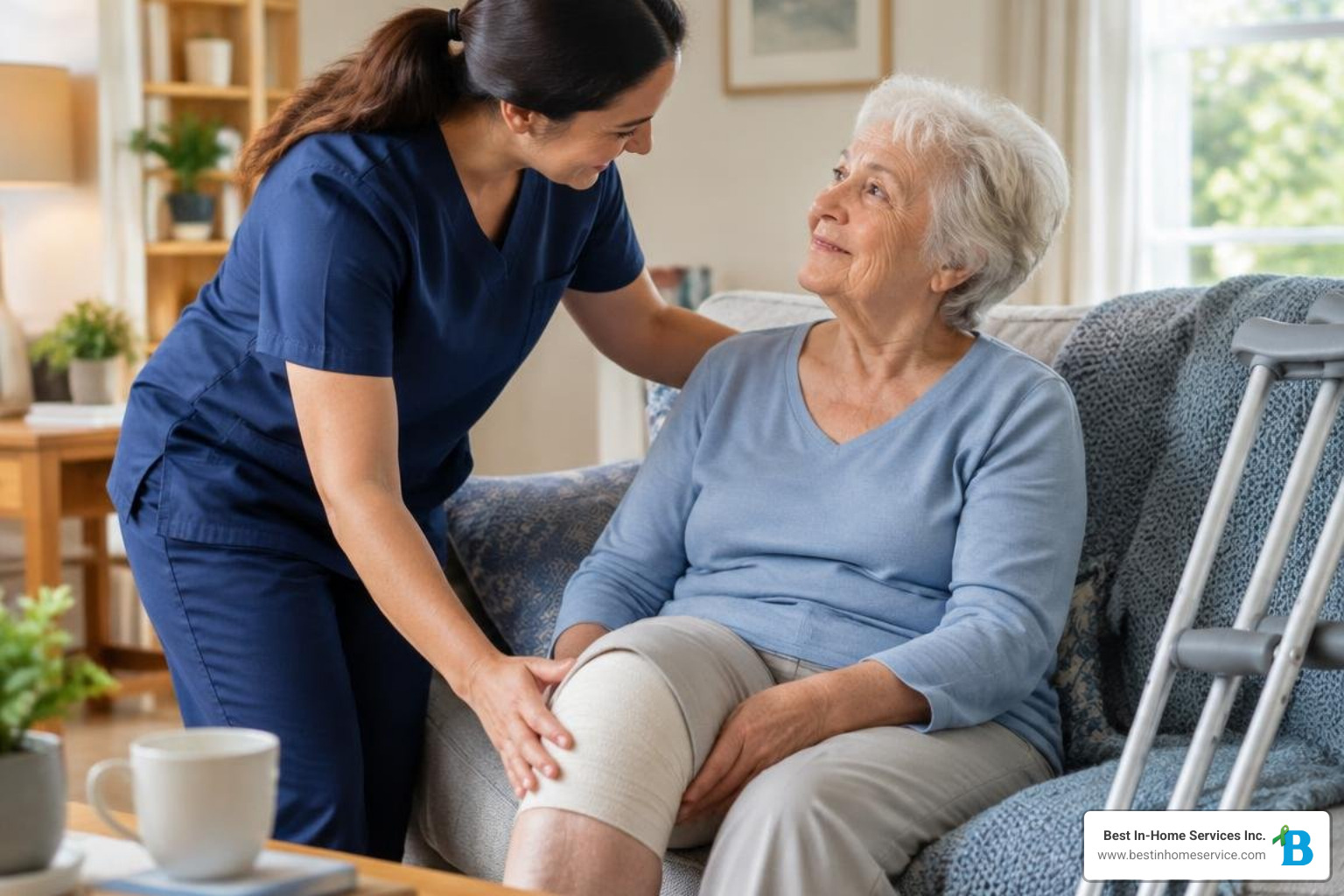
Personal care services focus on the physical essentials of daily life. These are the tasks that, when neglected, quickly lead to health declines or accidental injuries. Professional personal care aides assist with:
- Bathing and Grooming: Helping seniors maintain hygiene safely in wet, slippery bathrooms.
- Dressing and Hygiene: Ensuring clean clothes are worn and daily dental and skin care are managed.
- Toileting and Incontinence Care: Handling sensitive hygiene needs with dignity and compassion.
- Mobility and Transferring: Assisting seniors as they move from beds to wheelchairs or stand up from a favorite armchair.
Beyond physical needs, social isolation is one of the most significant, yet overlooked, health risks for older adults. That is where companionship services step in. Companion care is less about clinical assistance and more about emotional well-being. It turns everyday chores into shared, engaging moments.
Our caregivers assist with light housekeeping, laundry, and maintaining a tidy living space. They also handle meal preparation, ensuring seniors have access to fresh, nutritious food rather than relying on frozen dinners. Additionally, gentle medication reminders keep seniors on track with their prescriptions, avoiding dangerous dosing mistakes.
By bringing a warm, friendly face into the home, companionship services prevent loneliness while taking the weight of daily household chores off a senior’s shoulders. To understand how companionship can truly transform a senior’s outlook on life, check out The Ultimate Guide to Companionship for Elderly Loved Ones.
Specialized Memory Care and Chronic Disease Support
For seniors living with progressive cognitive conditions like Alzheimer’s disease or other forms of dementia, standard companion care is rarely enough. These conditions require specialized memory care that focuses on safety, behavioral management, and cognitive engagement.
Dementia care must be highly personalized. Individuals with cognitive decline may experience “sundowning” (increased confusion and restlessness in the late afternoon) or a tendency to wander. Specialized caregivers are trained to recognize these patterns, redirect anxiety, and structure the day to minimize stress. Cognitive therapy techniques—such as memory games, sensory stimulation, and structured routines—help keep the brain active while preserving as much functional independence as possible.
Similarly, chronic diseases like Parkinson’s demand highly specific physical support. Parkinson’s care requires caregivers who understand mobility challenges, tremors, and the critical importance of precisely timed medication schedules to manage symptoms.
When a senior’s medical needs become more complex, nurse-directed care bridges the gap between basic caregiving and clinical nursing. Under this model, licensed nurses oversee the care plan, directing certified staff in tasks like glucose monitoring, vital sign tracking, and skin integrity checks. This ensures that even seniors with advanced chronic conditions can remain safely in their homes, surrounded by the comfort of their own belongings.
Accessing Community Programs and State-Funded Resources
While private in-home care provides highly customized, one-on-one attention, public and community-based programs offer an invaluable layer of support. Navigating these local resources can feel overwhelming, but a structured network exists to guide you.

Local Coordination and Area Agencies on Aging
The first step in accessing community-based services for senior citizens is connecting with your local Area Agency on Aging (AAA). These agencies act as regional hubs, coordinating social services and health care management to help older adults remain independent.
If you live in our service areas, you have access to highly localized public resources:
- Seniors within the city limits can utilize the City of Chicago: Senior Services , which coordinates local senior centers, home-delivered meals, and caregiver support.
- In the western suburbs, the Senior Services provided by Downers Grove Township offer localized programs and information.
- If you are in Schaumburg, the Senior Citizen Programs | Schaumburg, IL page details local transportation, social activities, and support services.
- For residents of DuPage County, the Community Services Programs | DuPage Co, IL offer comprehensive assistance, including utility relief and case management.
On a broader scale, the Illinois Department on Aging administers statewide initiatives designed to keep seniors out of nursing homes. One of the state’s most vital programs is the Community Care Program (CCP). Designed specifically for older adults who might otherwise require nursing facility placement, the CCP helps eligible seniors remain safe and supported at home through state-subsidized in-home care and adult day services.
Nutrition, Transportation, and Support Services for Senior Citizens
A successful aging-in-place strategy must also address logistics: nutrition, grocery shopping, and getting to doctor appointments.
Nutrition is the cornerstone of physical health, yet many seniors struggle to cook balanced meals. Healthy meal planning is essential for managing chronic illnesses, maintaining muscle mass, and preventing cognitive fatigue. To learn more about how tailored meals impact health, read about The Importance of Nutrition and Meal Planning in Senior Care.
For seniors who cannot cook or leave their homes, community programs like Meals on Wheels provide hot, nutritious food delivered straight to their doors. Additionally, organizations like ElderCARE Lake County provide volunteer-based services to assist local seniors with medical transportation and grocery shopping.
But what about seniors who do not have a smartphone to order groceries or book rides? Technology-bridging services like GoGoGrandparent | On-Demand Services for Seniors allow older adults to access modern on-demand rides, grocery deliveries, and prescription drop-offs using a basic landline or flip phone. By calling a toll-free number, seniors can speak to a live operator who coordinates the logistics on their behalf, ensuring they never miss an appointment or run out of fresh food.
Financial Assistance and Legal Protections for Older Adults
Securing the right care also means navigating the financial and legal systems that fund and protect older adults. Because let’s face it: figuring out how to pay for senior care can sometimes feel like trying to solve a Rubik’s Cube in the dark.
Navigating Medicare, Medicaid, and Long-Term Care Insurance
Understanding which insurance program covers what service is critical to preserving your family’s savings:
- Medicare: It is a common misconception that Medicare pays for long-term, daily in-home care. It does not. Medicare is designed for short-term, rehabilitative medical care (like physical therapy after a stroke). However, Illinois seniors can receive free, unbiased guidance through the Senior Health Insurance Program (SHIP), a statewide counseling service that helps beneficiaries navigate Medicare plan choices and coverage limits.
- Medicaid and State Waivers: For income-eligible seniors, Medicaid offers home and community-based services (HCBS) waivers. In Illinois, programs like the Community Care Program act as a waiver equivalent, funding in-home personal care to prevent premature nursing home placement.
- Long-Term Care Insurance (LTCi): If your loved one has a private long-term care policy, it can cover the cost of professional in-home care. However, filing these claims requires meticulous documentation of the senior’s ADL deficiencies. We recommend working closely with your home care agency to ensure all daily care logs satisfy your policy’s deductible and elimination-period requirements.
- VA Benefits: Veterans and their surviving spouses may qualify for the VA Aid and Attendance benefit. This pension program provides additional monthly funding specifically designed to help cover the costs of in-home caregiving services.
Legal Advocacy, Advance Care Planning, and Elder Protection
Protecting a senior’s physical well-being goes hand-in-hand with protecting their legal rights and financial assets.
Advance care planning is the process of putting a senior’s healthcare wishes into legally binding documents. This includes establishing a Healthcare Power of Attorney (POA)—designating a trusted family member to make medical decisions if the senior becomes incapacitated—and drafting a living will.
If a senior’s safety is compromised, public protection systems are in place. In Illinois, Adult Protective Services (APS) responds to reports of abuse, neglect, or financial exploitation of adults aged 60 or older. Suspected abuse can be reported 24/7 via the state hotline at 1-866-800-1409.
For seniors residing in assisted living or nursing facilities, the Long-Term Care Ombudsman Program acts as a free advocacy service, investigating resident complaints and ensuring facilities uphold state care standards.
Maintaining Independence: Fall Prevention and Home Safety Programs
As we age, our homes can slowly turn into obstacle courses. A loose rug, a steep step, or a dimly lit hallway can suddenly become a serious safety hazard.
Aging in Place with Home Modifications
Falls are the leading cause of injury-related hospitalizations for older adults. Fortunately, most falls are entirely preventable with the right environmental adjustments.
A comprehensive fall prevention strategy starts with an in-home safety assessment. Programs like the Dignity At Home Fall Prevention Program (and local county equivalents) offer environmental assessments and provide funding or resources for injury prevention equipment.
Simple, low-cost modifications can dramatically reduce fall risks:
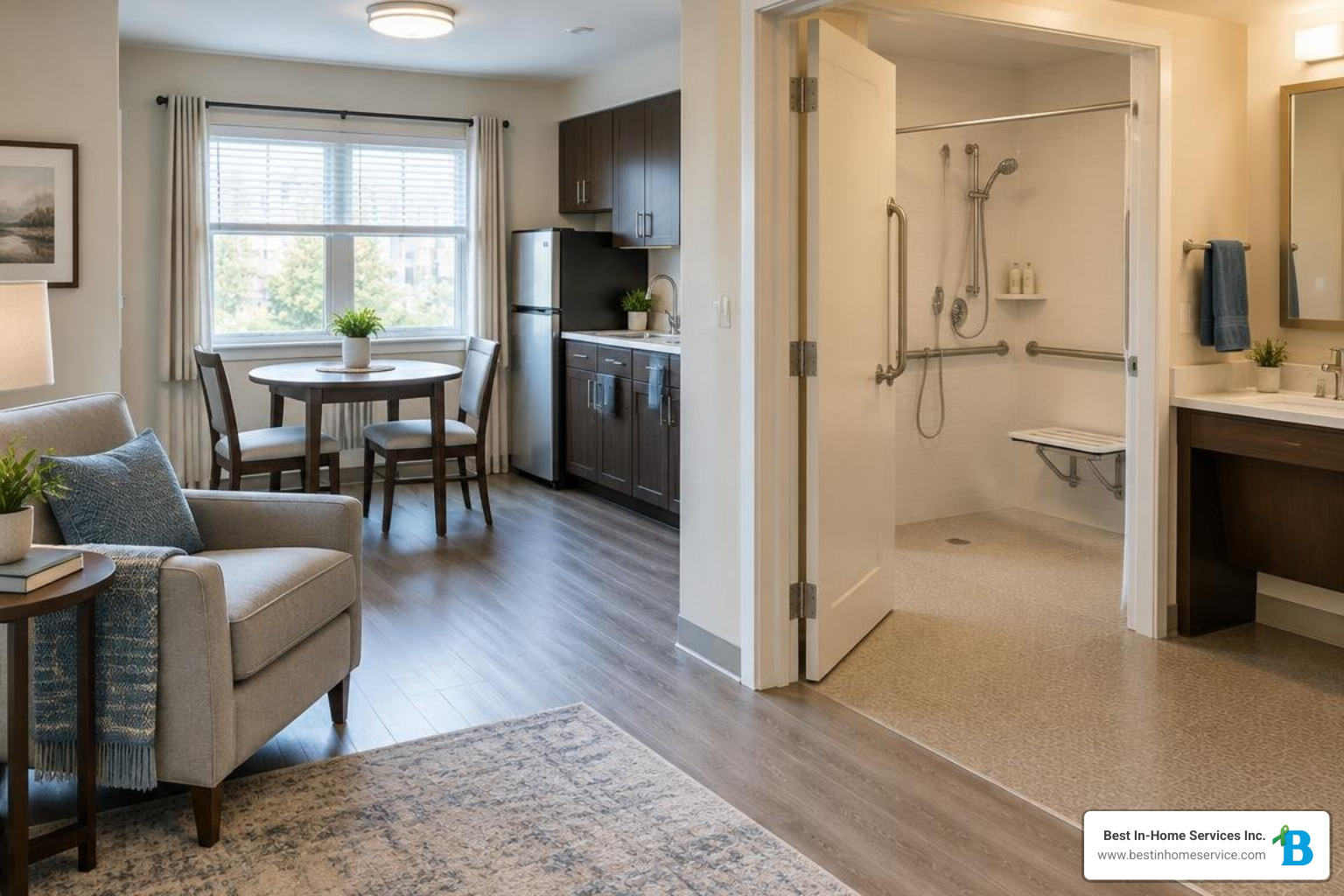
- Installing sturdy grab bars in the tub or shower.
- Adding non-slip mats to slick bathroom tiles.
- Improving lighting in stairwells and hallways with motion-sensor nightlights.
- Securing loose carpeting and removing clutter from walking paths.
- Utilizing minor home repair programs offered by local townships to fix broken steps or loose handrails.
Why Personalized In-Home Care is the Preferred Alternative to Assisted Living
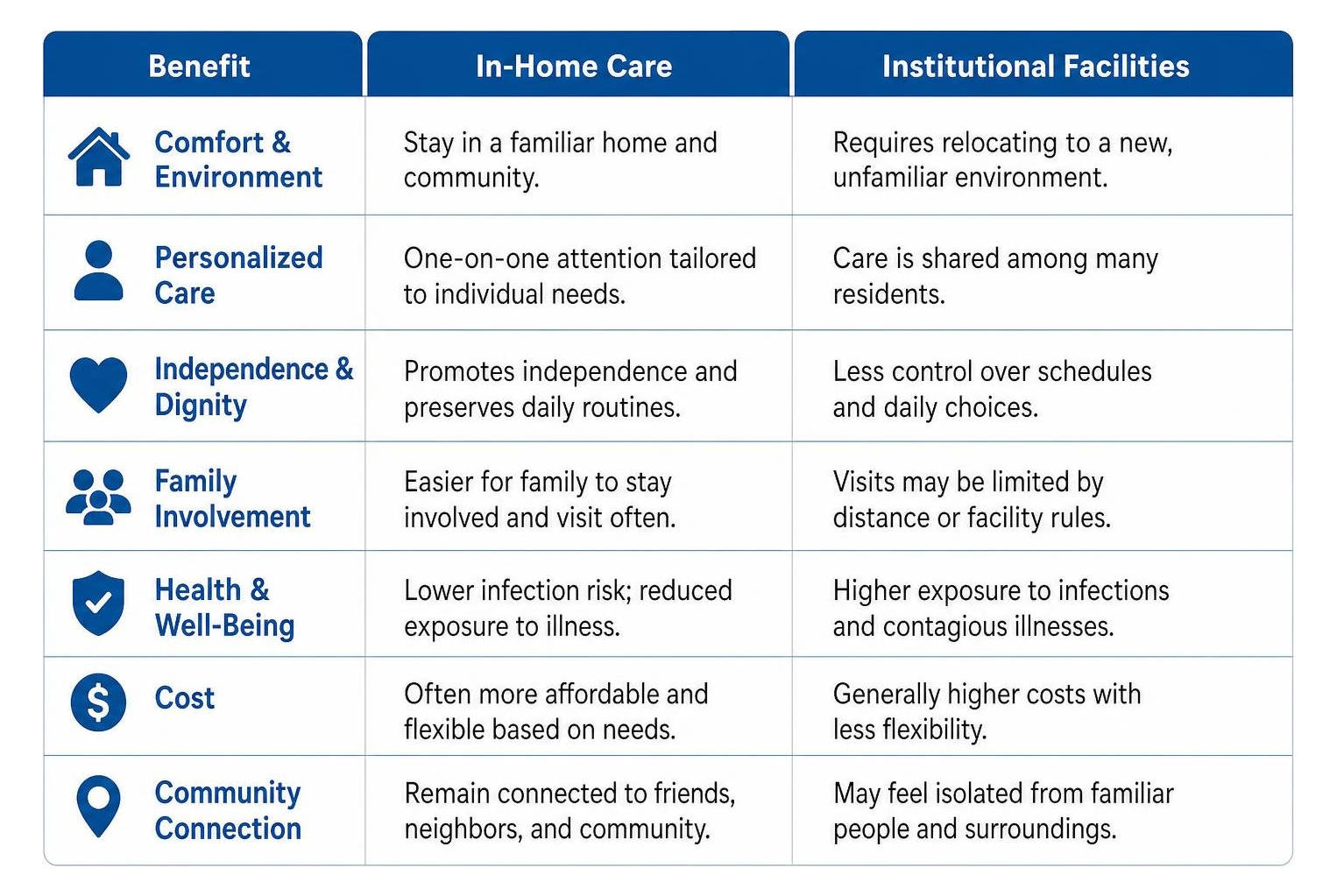
While assisted living facilities offer structured environments, they cannot replicate the comfort, privacy, and emotional security of one’s own home.
Personalized in-home care provides a true one-on-one caregiver-to-client ratio. In an assisted living facility, a single aide may be responsible for a dozen or more residents on a shift. At home, your loved one receives undivided attention. This means care is delivered on their schedule—they eat when they want, wake up when they want, and maintain the daily routines that give them comfort.
By choosing in-home support, seniors retain their independence, stay connected to their neighborhoods, and avoid the emotional trauma of a major move. To weigh these options for your family, read our detailed comparison: Home Care vs Assisted Living Which is Right for Your Family.
Supporting the Supporters: Resources for Family Caregivers
Caring for an aging parent or spouse is an act of deep love—but it is also exhausting. Without support, family caregivers frequently experience physical and emotional burnout.
Respite Care, Training, and Counseling Programs
If you are a family caregiver, you cannot pour from an empty cup. To provide the best care for your loved one, you must also care for yourself. For practical advice on managing this journey, explore How to Navigate Home Care Help for Your Aging Parents.
Public and private support systems are specifically designed to help family caregivers balance their responsibilities:
- Respite Care: This service provides a temporary professional caregiver to step in while you take a break. Whether you need a few hours to run errands, a weekend to attend a family event, or a week to simply rest, respite care ensures your loved one is safe while you recharge.
- Caregiver Training and Counseling: Local programs, such as those funded under the National Family Caregiver Support Program, offer free training on safe transferring techniques, dementia behaviors, and stress management.
- Support Groups: Connecting with other family caregivers provides a safe space to share advice, vent frustrations, and realize you are not alone in this journey.
Frequently Asked Questions about Senior Care
What is the first step to finding local senior services?
The best first step is to contact the national Eldercare Locator at 1-800-677-1116 or reach out directly to your local Area Agency on Aging. In Illinois, you can call the Senior HelpLine at 1-800-252-8966. A case manager will conduct an initial assessment to identify which state, county, or private programs your loved one qualifies for.
How do state-funded programs like the Community Care Program work?
The Illinois Community Care Program (CCP) is designed for seniors aged 60 and older who need help with daily tasks to avoid moving into a nursing home. To qualify, seniors must meet specific asset limits and demonstrate a physical or cognitive need for care through a state-administered assessment. Once approved, the state funds in-home care aides or adult day services.
How can seniors access transportation and grocery delivery services?
Seniors can access transportation through local township dial-a-ride programs, volunteer networks like ElderCARE Lake County, or private companion care. For those who struggle with technology, phone-based concierge services can schedule rides and order grocery deliveries using a traditional phone call, removing the need for a smartphone or complicated apps.
Conclusion
Navigating services for senior citizens can feel like learning a foreign language. But once you understand the pieces—from personal care and memory support to state-funded programs and home safety modifications—you can build a secure, comfortable life for your loved one right at home.
Aging gracefully isn’t about doing everything alone; it is about knowing when to ask for a helping hand.
At Best In-Home Services Inc., we are proud to be that helping hand for families throughout Chicago and the surrounding suburbs. Whether your loved one needs companion care a few hours a week, specialized dementia support, or 24/7 in-home assistance, our certified, compassionate team is here to help.
Ready to explore personalized care options for your family? Visit our Best In-Home Services page today to learn more or schedule a custom care consultation.


 1-224-636-5200
 1-224-636-5210
  425 Huehl Rd 13B Northbrook IL 60062