
How to Compare Respite Care Pricing in Illinois
The lowest-cost option depends on how long you need help. In-home respite is usually priced by the hour, making it ideal for a short break or flexible weekly coverage. Extended daytime visits or overnight support follow structured shift rates. When evaluating care plans, compare the full cost of each scheduling option, including visit minimums, travel mileage, specialized support, and weekend fees.
For families in Chicago and nearby suburbs, the right choice also depends on the support a loved one needs at home. A few hours of non-medical help may be enough for errands or rest; an overnight absence calls for a different plan.
Best In-Home Service Inc. is an Illinois-licensed non-medical home care provider (License #3000758) based in Northbrook, where General Manager Lily Harrison and the care coordination team help families navigate respite care options and understand how schedules and care needs affect respite care pricing.
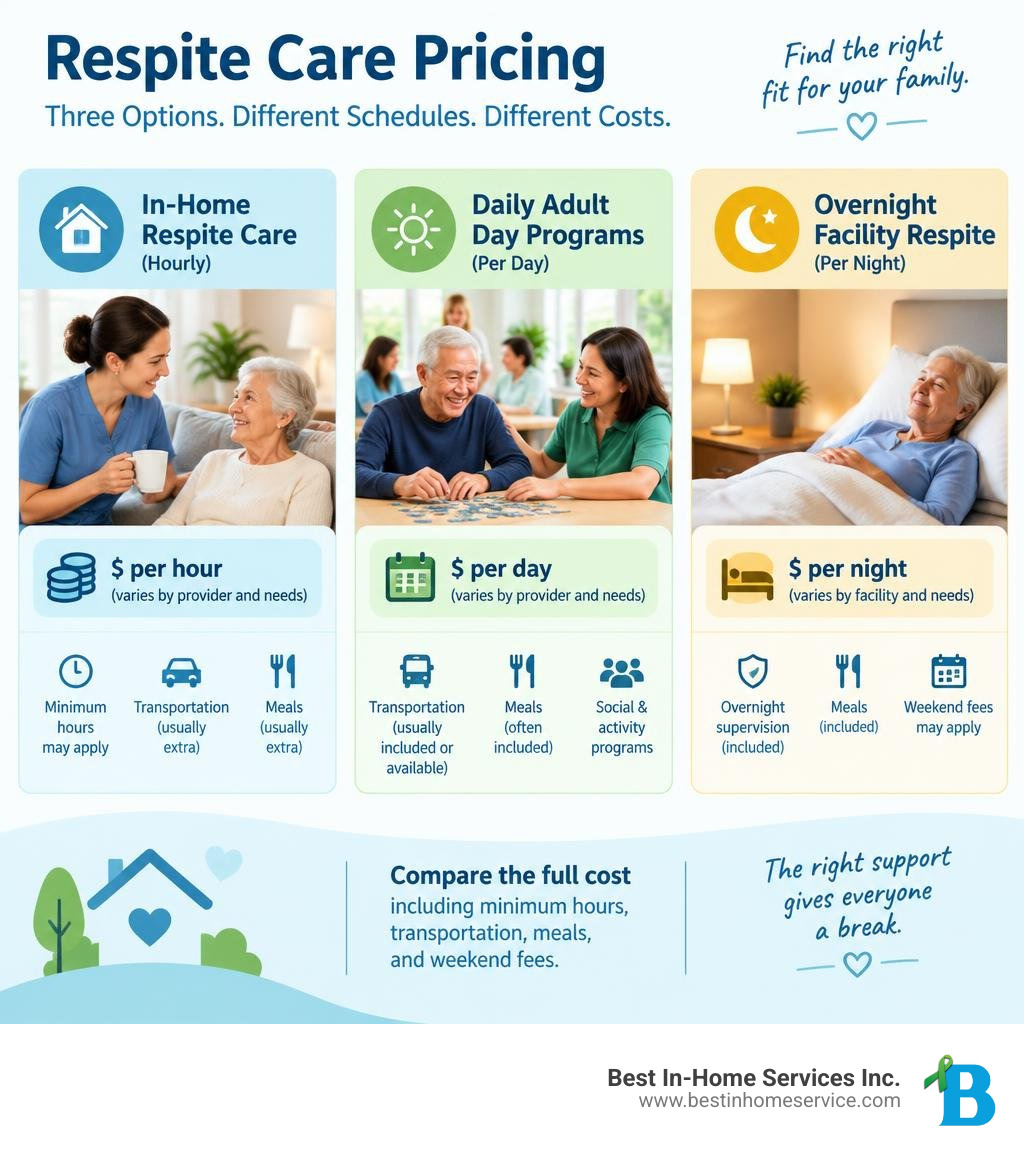
Understanding In-Home Respite Care Pricing by Schedule
Caring for an aging parent or spouse is an act of deep dedication, but it can also be physically and emotionally demanding. Across the United States, roughly 38 million family members provide unpaid support to older adults, with many spending thousands of dollars out of pocket each year on necessary care supplies, home adaptations, and transportation. When you add full-time work and personal responsibilities into the mix – as 61 percent of working caregivers must do – taking a planned break becomes essential to your health.
Respite care offers temporary, short-term relief, ensuring your loved one remains supported in familiar surroundings while you rest, attend to personal obligations, or travel. Because every family situation differs, respite services are arranged according to distinct scheduling structures.
| Respite Schedule Type | Best Suited For | Typical Pricing Structure | Key Inclusions & Considerations |
|---|---|---|---|
| Short Hourly Visits | Errands, doctor appointments, or personal rest | Hourly billing (subject to visit minimums) | Companionship, meal preparation, mobility support, and medication reminders. |
| Extended Day Coverage | Caregivers working part-time or attending full-day events | Block hourly rates | Continuous daily living support, personal care, and light housekeeping. |
| Overnight Care | Caregivers needing uninterrupted sleep or attending evening events | Shift-based or flat overnight rate | Evening routine help, bedtime readiness, and morning assistance. |
| 24-Hour / Live-In Care | Weekend getaways, business trips, or caregiver recovery | Daily rate or structured 24-hour shift schedule | Continuous presence, structured routines, and comprehensive daily living support. |
In-Home Respite Care Pricing and Hourly Rates in 2026
When evaluating non-medical support, in-home care is predominantly billed on an hourly basis, offering maximum flexibility. Rather than paying for full residential room and board, families pay only for the time they need.
At Best In-Home Services Inc., our support is tailored around your family’s routine. Whether you require a four-hour block to catch up on errands in Skokie, weekly morning visits in Evanston, or structured weekend assistance in Glenview, hourly care adapts to your exact timeline. In-home visits typically maintain a three-hour visit minimum to ensure high standards of caregiver consistency and individualized attention. For families seeking cost-effective solutions, our approach to affordable home care for seniors in Chicago ensures that care plans remain practical without compromising on personal attention.
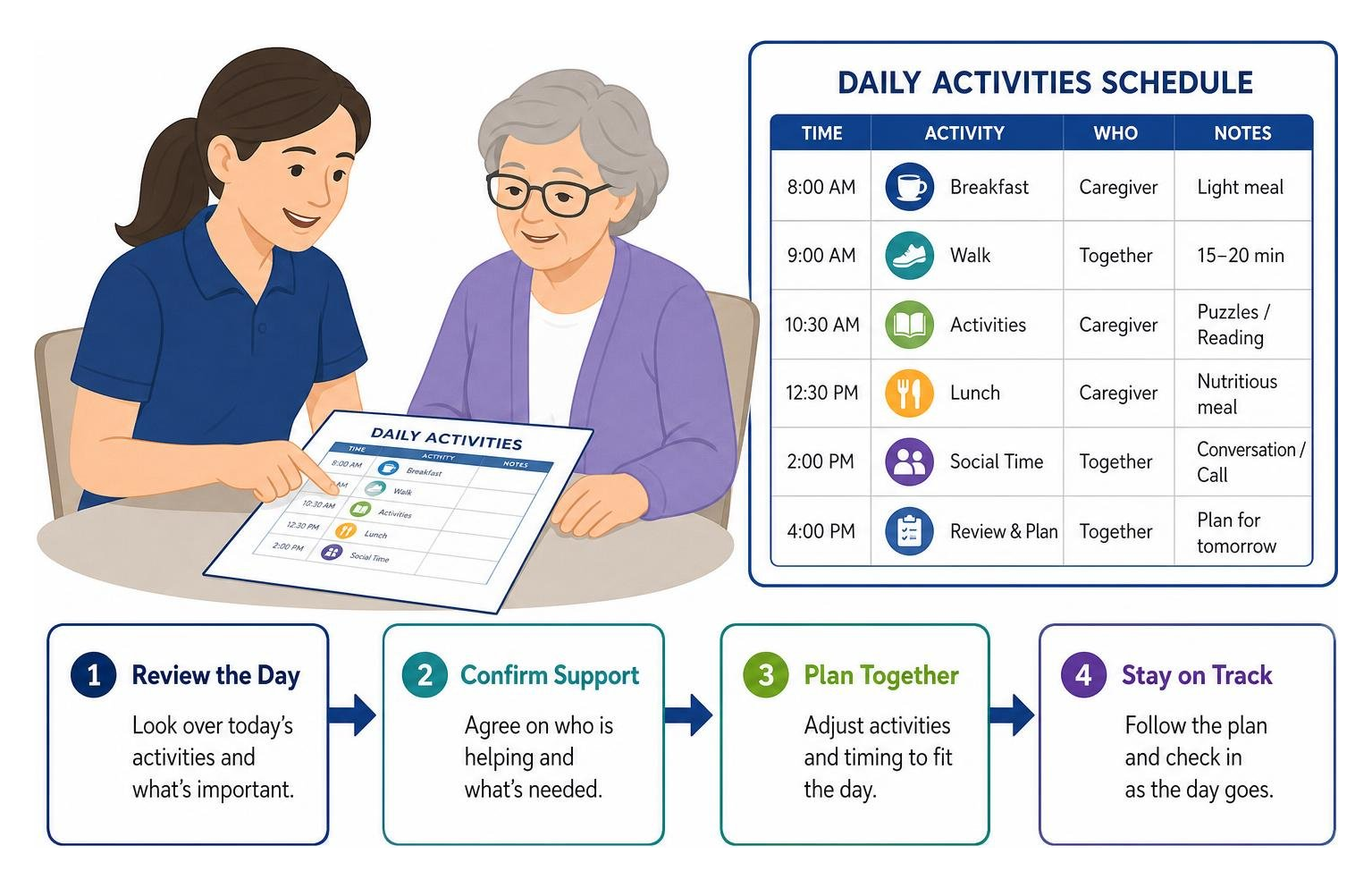
Key Factors That Influence Respite Costs and Hidden Fees

Understanding the variables behind home care rates prevents unexpected expenses and ensures you budget accurately. Several operational and situational factors influence what families ultimately pay.
Primary Cost Drivers: Care Level, Duration, and Chicago-Area Locations
- Level of Personal Care Support: Providing simple companionship and light housekeeping requires a different level of hands-on attention than assisting with Activities of Daily Living (ADLs) such as bathing, dressing, hygiene, and transfer assistance.
- Specialized Memory Care: Seniors navigating Alzheimer’s disease or other forms of dementia benefit from caregivers trained in redirection, gentle communication, and structured routines. These specialized skills ensure a calm home environment.
- Geographic Service Area: Local labor standards, travel time, and regulatory requirements shape regional agency pricing across Cook County (such as Lincolnwood, Des Plaines, Winnetka, and Wilmette), Lake County (including Highland Park, Deerfield, Lake Forest, and Buffalo Grove), and DuPage County (such as Naperville, Downers Grove, and Hinsdale). Exploring comprehensive respite home health care in Chicago and suburbs helps clarify local expectations.
Hidden Fees: Assessment Charges, Transportation, and Short-Notice Surcharges
When gathering quotes from different care providers, look beyond the base hourly rate. Additional fees to inquire about include:
- Initial Intake Assessments: Some providers charge separate administrative fees to conduct the initial in-home evaluation.
- Transportation and Mileage: While incidental travel within routine errands may be included, dedicated transportation to medical visits or grocery runs often incurs separate mileage billing if the caregiver uses their personal vehicle.
- Holiday and Weekend Rates: Scheduling respite on major holidays or demanding weekend shifts may carry premium rates due to overtime and holiday pay standards.
- Minimum Hours: Most agencies require a minimum shift length (such as 3 or 4 hours per visit) to cover staffing logistics.
Financial Assistance, Insurance Coverage, and Tax Relief in Illinois
Funding respite care often involves blending personal funds with public benefits, insurance policies, or tax relief strategies.
Medicare, Medicaid Waivers, and Illinois State Programs
- Traditional Medicare Limits: Original Medicare covers respite care only under its Part A hospice benefit, allowing up to five consecutive days of facility-based respite for individuals enrolled in end-of-life hospice care. Traditional Medicare does not cover routine, non-medical custodial care at home.
- Medicare Advantage (Part C): Some private Medicare Advantage plans offer supplemental home care allowances or in-home personal care benefits. Check your plan’s annual Evidence of Coverage for specific allowances.
- State of Illinois Programs: Qualified seniors may receive non-medical in-home support through state-administered programs. The Illinois Department on Aging (IDoA) Community Care Program (CCP) and the Illinois Department of Human Services (IDHS) Home Services Program provide funded personal care assistance to help eligible older adults remain living safely at home. For state-funded programs, consult official resources on IDHS: Respite Services and our detailed overview of in-home care costs and coverage.
Long-Term Care Insurance, VA Benefits, and IRS Deductions
- Long-Term Care (LTC) Insurance: Comprehensive LTC policies frequently include daily or monthly respite allowances, covering licensed in-home care once a physician certifies that the policyholder requires assistance with two or more ADLs.
- Veterans Benefits: The Department of Veterans Affairs offers the Aid and Attendance pension benefit for qualifying wartime veterans and surviving spouses, which provides supplemental monthly payments that can be applied toward in-home respite support.
- Tax Deductions: In accordance with IRS Publication 502, certain medical and specialized care expenses for chronically ill dependents may be tax-deductible when they exceed standard percentage thresholds of adjusted gross income. Maintain organized receipts and consult a qualified tax professional to evaluate deductible home care expenses.
Comparing Care Options: How to Choose Budget-Friendly Respite
Selecting the most cost-effective care model requires evaluating your loved one’s specific daily needs against your personal schedule.
Comparing Planned vs. Emergency Respite Care Pricing
Booking respite care weeks in advance allows you to secure preferred schedules, introduce the caregiver gradually, and establish a comfortable routine. Conversely, crisis respite – arranged abruptly due to sudden family illness or acute caregiver exhaustion – can limit scheduling flexibility and result in urgent placement surcharges.
Waiting until you reach severe burnout can also lead to personal health complications, leading to higher long-term medical costs. Taking scheduled breaks using respite care for seniors preserves caregiver well-being and prevents care disruptions.
Key Questions to Ask Providers Before Booking Care
To ensure full transparency and avoid billing surprises, ask prospective agencies the following questions before signing a service agreement:
- What is your minimum visit length for weekday and weekend shifts?
- Is there a separate fee for the initial in-home assessment and care plan creation?
- How are transportation, mileage, and incidental errand expenses billed?
- What are your policies and rates for short-notice bookings or cancellations?
- Are your caregivers directly employed, background-checked, insured, and trained in dementia support?
Beginning with a free in-home assessment allows you to discuss specific scheduling needs, establish a transparent care plan, and receive a clear quote before care begins.
Frequently Asked Questions About Respite Care Costs
Does Medicare cover non-hospice in-home respite care?
Traditional Medicare Part A and Part B do not cover non-medical, custodial in-home respite care. Medicare only covers short-term respite stays (up to five consecutive days) when a patient is actively enrolled in Medicare-certified hospice care. Certain Medicare Advantage plans offer limited non-medical supplemental benefits, but terms vary widely by insurer.
What is the most budget-friendly type of respite care?
For families needing periodic relief, part-time in-home care scheduled in 3- or 4-hour increments is typically the most budget-friendly approach. It allows you to pay only for the exact hours required without paying unnecessary fees or unused hours.
Why can short-notice respite care cost more?
Arranging urgent, same-day, or next-day care requires agencies to adjust schedules rapidly and allocate on-call staff. Planning care in advance avoids emergency scheduling fees and provides ample time for a thorough care assessment.
What factors affect overnight senior care costs?
Overnight care costs depend on whether the senior requires an active-awake caregiver who provides continuous assistance throughout the night or a sleeping companion who is available for occasional overnight check-ins and morning support.
Conclusion
Finding reliable, high-quality respite care should alleviate stress, not add financial confusion. By assessing your loved one’s care requirements, planning ahead, and understanding how schedules impact overall costs, you can create a sustainable caregiving balance.
Best In-Home Service Inc. is an Illinois-licensed non-medical home care agency (License #3000758) based in Northbrook, Illinois. We are licensed by the Illinois Department of Public Health, approved by the Illinois Department on Aging under the Community Care Program, and recognized by the Illinois Department of Human Services / Rehabilitation Services for the Home Services Program.
We provide personalized companion care, personal care assistance, Alzheimer’s and dementia support, overnight care, and 24-hour living support to families across Cook, Lake, and DuPage counties – including Chicago, Evanston, Skokie, Glenview, Highland Park, Schaumburg, and Naperville.
To review full scheduling choices and evaluate long-term options, explore 24-hour and respite care costs in Chicago. To discuss your family’s schedule and request a personalized care quote, call us directly at 224-636-5200 or visit our office at 425 Huehl Rd, Bldg 13B, Northbrook, IL 60062.







 1-224-636-5200

 1-224-636-5210
 425 Huehl Rd 13B Northbrook IL 60062