
What Is Compassionate In-Home Senior Care – and Is It Right for Your Family?
Compassionate in-home senior care describes non-medical support designed to help older adults age safely and comfortably in their own homes. Here is a quick overview of what this type of care typically includes:
| Care Type | What It Covers |
|---|---|
| Personal Care | Bathing, grooming, dressing, and daily hygiene |
| Companion Care | Conversation, activities, and emotional support |
| Dementia Care | Specialized support for memory-related conditions |
| Post-Surgery Care | Recovery assistance after hospital discharge |
| Respite Care | Short-term relief for family caregivers |
| Light Housekeeping | Tidying, meal prep, and medication reminders |
These services are built around one core goal: keeping your loved one safe, comfortable, and independent at home, without the need for a nursing facility or assisted living.
This matters because the decision to find outside help for an aging parent or spouse is rarely easy. Families often wait until a crisis forces their hand. But the right in-home care partner can make daily life smoother before things reach a breaking point.
I’m Lily Harrison, General Manager at Best In-Home Services Inc., where I’ve spent years helping Chicago-area families navigate the same questions you may have right now about compassionate senior care and what quality in-home support truly looks like. In this guide, I’ll walk you through everything you need to know to make a confident, informed decision for your loved one.
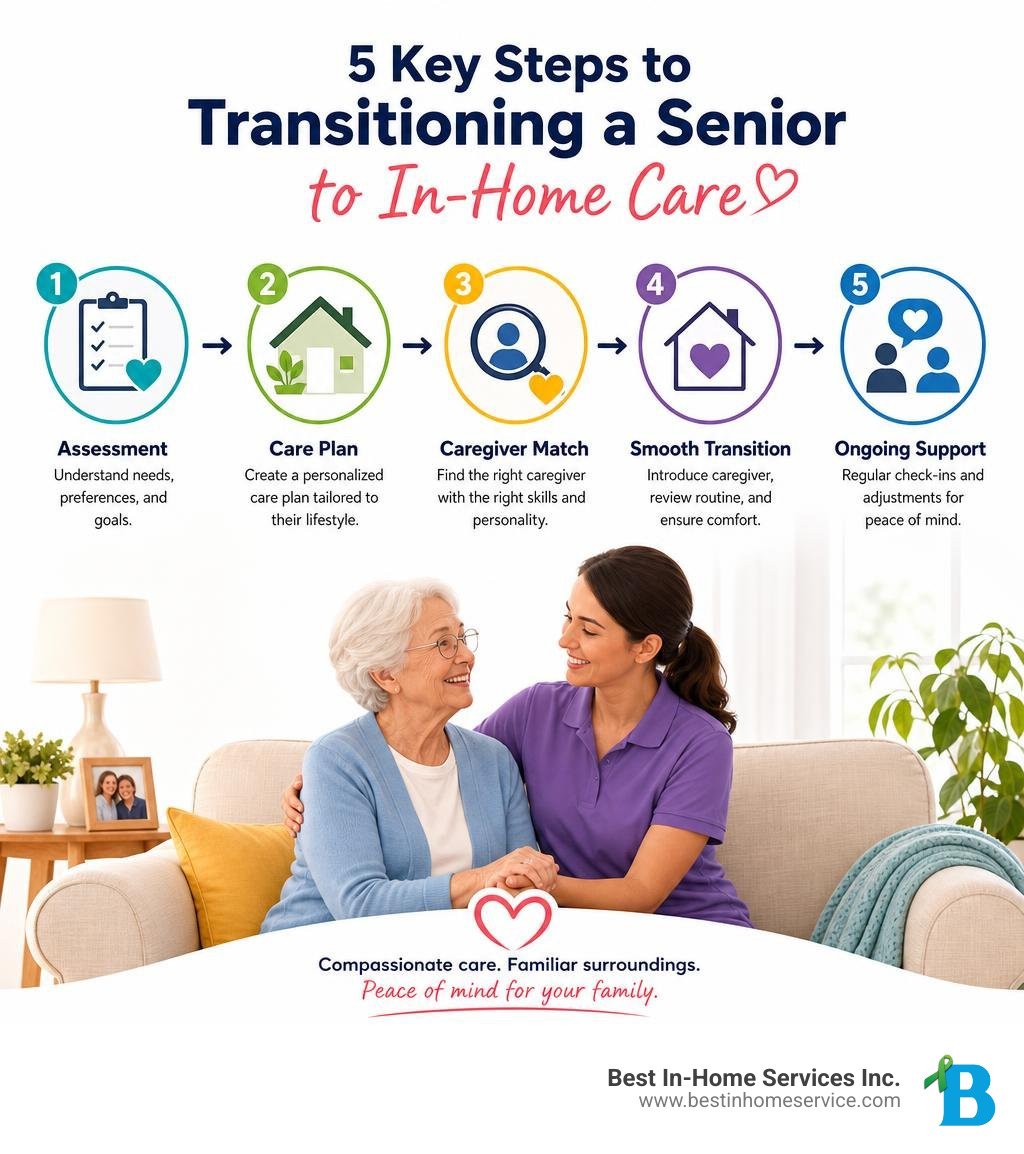
Why Choose Professional In-Home Support for Aging in Place?
For many seniors, home is not just a building; it is a repository of memories, a familiar neighborhood, and a profound source of comfort. As we look at the landscape of elder care in July 2026, the preference for aging in place has never been stronger. But when physical or cognitive limitations begin to interfere with daily life, staying home safely requires a dedicated support system.
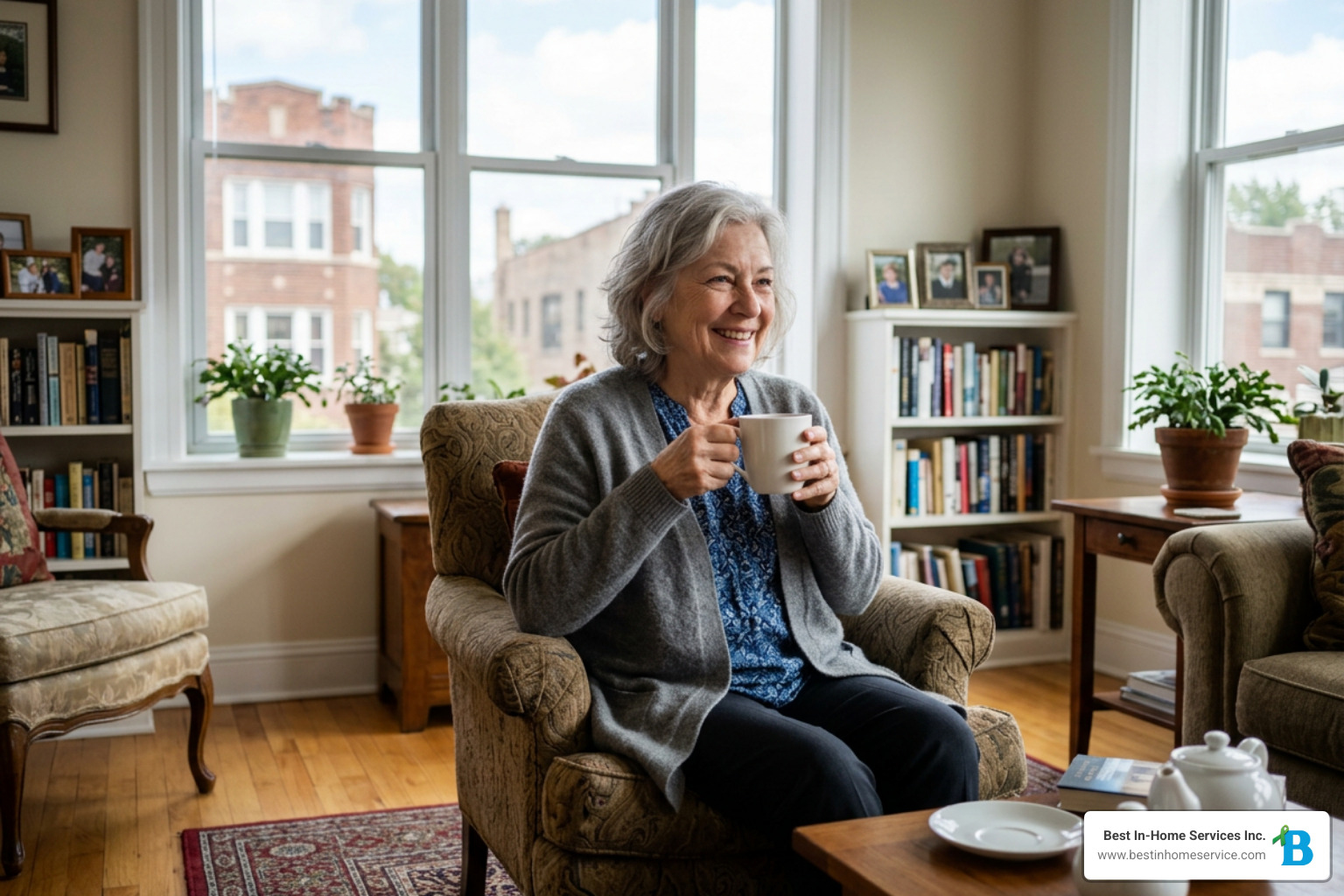
This is where professional in-home care steps in. Rather than uprooting a senior to a sterile facility, professional caregivers bring the support directly to their living room. In the Chicago area — from the busy streets of Cook County to the quiet neighborhoods of Winnetka, Downers Grove, and Lake County — we see how personalized care plans transform lives.
By choosing personalized, professional care, families gain:
- Preserved Independence: Seniors continue to live on their own terms, maintaining their daily routines, favorite meals, and treasured habits.
- One-on-One Attention: Unlike facility staff who must divide their time among dozens of residents, an in-home caregiver focuses entirely on your loved one.
- Reduced Risk of Illness: Staying at home limits exposure to the infectious illnesses often found in crowded institutional settings.
- Customized Flexibility: Care can scale from a few hours of companionship a week to round-the-clock, 24/7 intensive support.
For a deeper dive into why staying at home is often the ideal path, take a look at our article on Why Senior Care at Home is the Best Choice for Aging in Place.
Comprehensive In-Home Care Services Offered
When families begin researching compassionate in-home senior care, they often wonder exactly what a caregiver can do during a visit. The answer is highly customizable. Professional home care is designed to adapt to the changing needs of your loved one, blending physical assistance with emotional encouragement.
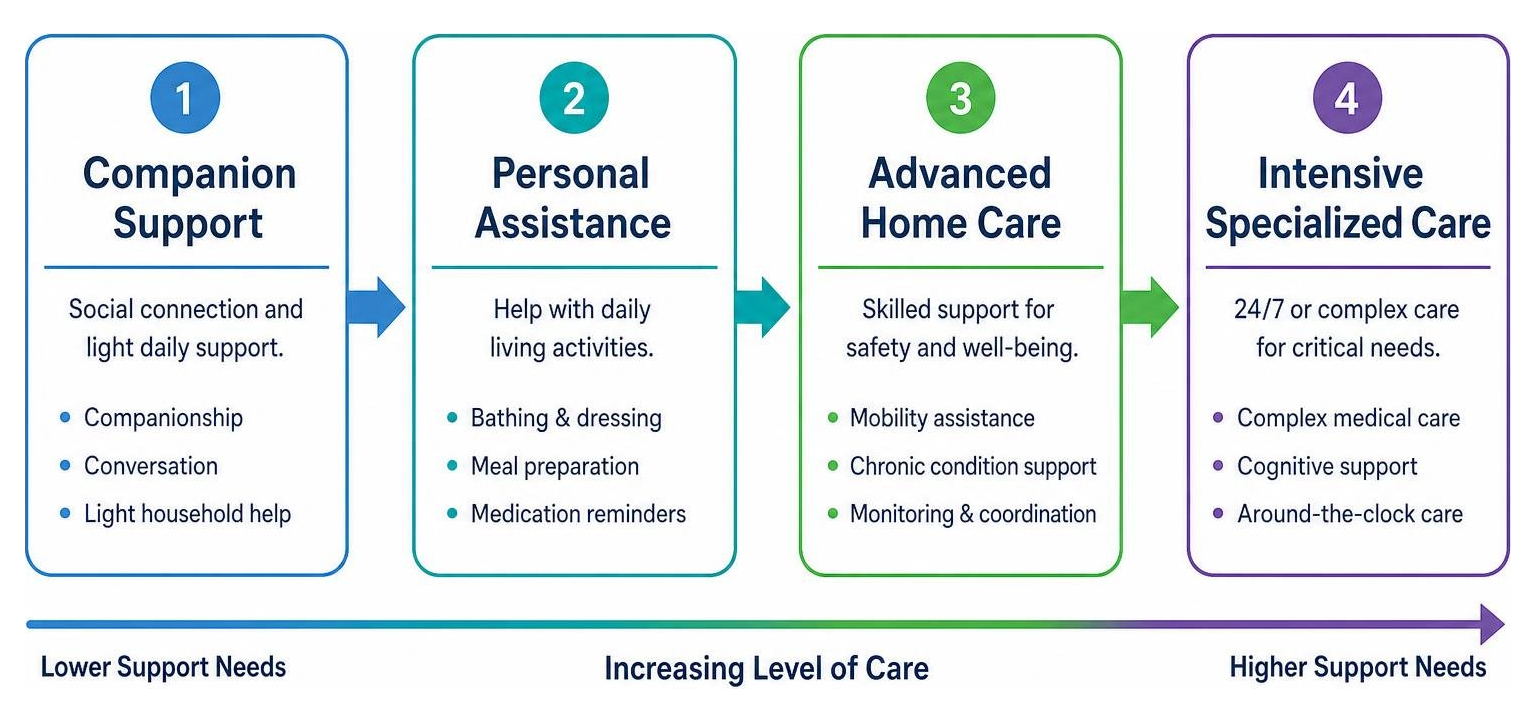
An effective care plan often incorporates several distinct services:
- Personal Care: Dignified assistance with essential daily activities like bathing, hair care, dressing, toileting, and transfer assistance.
- Mobility Assistance: Helping seniors move safely around the house, perform doctor-approved exercises, and reduce the risk of dangerous falls.
- Respite Care: Providing short-term relief for family members who are acting as primary caregivers, allowing them to rest, run errands, or take a vacation without guilt.
- Veteran Care: Specialized support tailored to veterans, helping them maintain their independence while honoring their service.
Specialized Dementia Care and Post-Surgery Support
Certain health situations require specialized knowledge and a more structured approach to caregiving.
For seniors living with cognitive decline, dementia care must be highly specialized. Caregivers trained in memory care focus on safety, behavioral management, and creating a calm, predictable environment. Rather than correcting or arguing with a senior experiencing memory loss, trained professionals use redirection and validation techniques to reduce anxiety and prevent wandering.
Similarly, post-surgery recovery presents unique physical challenges. Whether recovering from a joint replacement, heart surgery, or managing chronic conditions like stroke recovery and diabetes, the transition from hospital to home is a vulnerable time. A caregiver ensures that discharge instructions are closely followed, assists with safe transfers, monitors for warning signs of complications, and helps prevent readmission to the hospital.
For practical advice on how to initiate these sensitive conversations, read our guide on How to Navigate Home Care Help for Your Aging Parents.
Companion Care and Daily Living Assistance
Not every senior requires intensive physical or medical assistance. Often, the greatest threat to a senior’s well-being is isolation.
Companion care focuses on the social and emotional aspects of aging. It is about having someone to share a conversation with, play a game of cards, or take a walk through a local park. Alongside this emotional support, caregivers assist with the practical daily tasks that keep a household running smoothly:
- Light Housekeeping: Dusting, vacuuming, taking out the trash, washing dishes, and keeping walking pathways clear of clutter to prevent falls.
- Meal Preparation: Planning and cooking nutritious meals that align with dietary restrictions (such as low-sodium or diabetic-friendly diets), and ensuring proper hydration.
- Medication Reminders: Helping seniors stay on track with their prescribed medication schedules to prevent accidental missed doses or double-dosing.
To learn more about how meaningful connection improves physical health, explore The Ultimate Guide to Companionship for Elderly Loved Ones.
Ensuring Quality, Trust, and Caregiver Excellence
Entrusting the care of a vulnerable family member to someone else requires a massive leap of faith. You are not just hiring a set of hands; you are inviting a new person into your loved one’s personal space. Ensuring absolute safety, competence, and compatibility is the foundation of high-quality care.
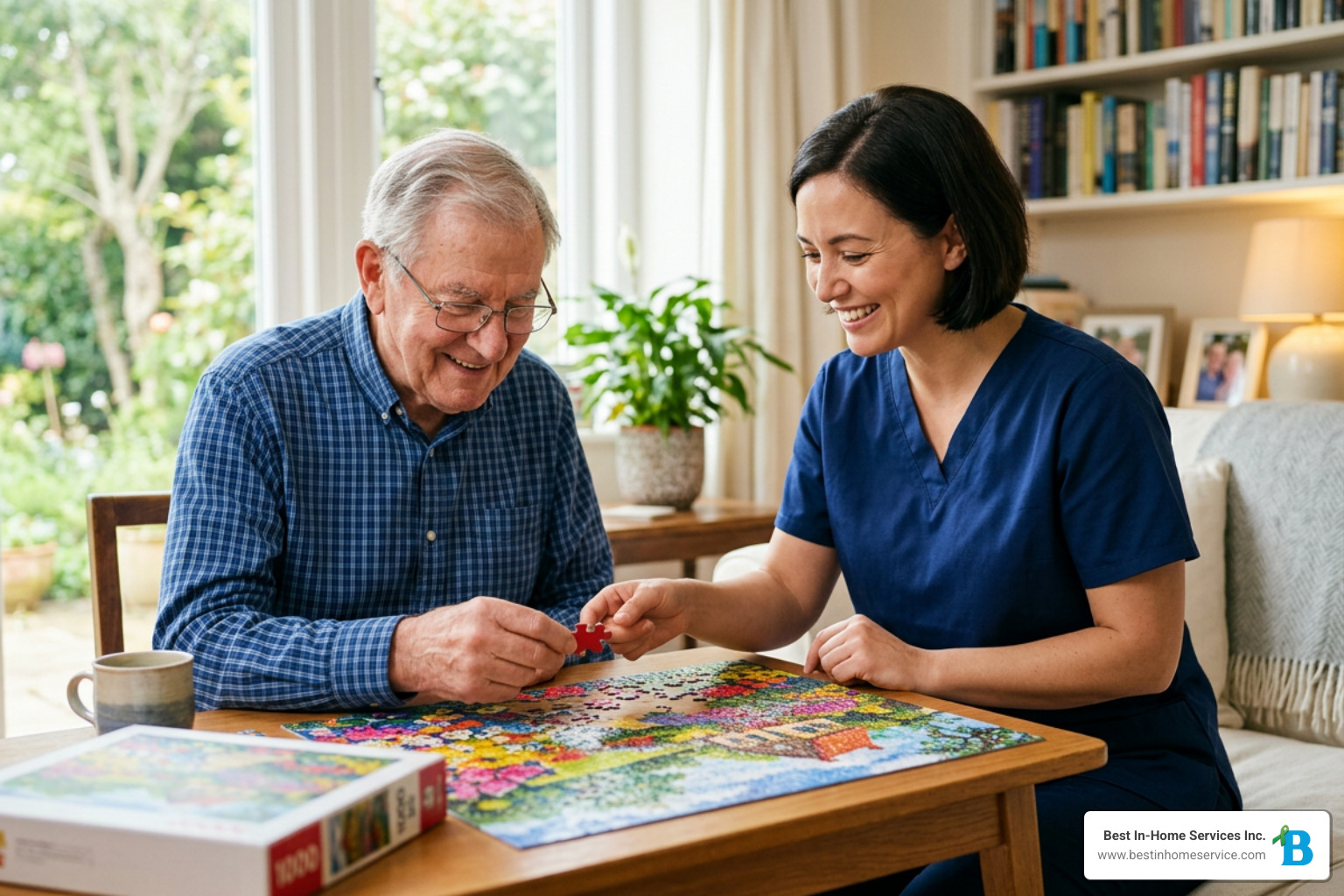
A reputable home care agency establishes trust through:
- In-Home Safety Assessments: Conducting a thorough walkthrough of the home to identify tripping hazards, suggest safety modifications, and evaluate the senior’s specific physical needs.
- Custom Care Matching: Pairing seniors with caregivers whose personalities, skills, and experience align with the client’s unique needs and temperament.
- Continuous Supervision: Keeping regular contact with families and conducting periodic check-ins to ensure the care plan remains effective and the caregiver is performing exceptionally.
How We Vet and Train Our Caregivers
At Best In-Home Services Inc., we believe that outstanding care starts with exceptional people. We maintain rigorous standards to ensure that every caregiver we send into a home is someone we would trust with our own parents.
Our multi-step vetting and training process includes:
- Comprehensive Background Screening: Exhaustive criminal background checks, reference checks, and credential verification.
- Rigorous Certification Requirements: Ensuring our care team is fully certified, bonded, and insured.
- In-Depth Skills Training: Providing continuous education on infection control, safe transfer techniques, emergency protocols, and specialized dementia care.
- Core Value Alignment: Selecting individuals who demonstrate genuine empathy, patience, and a deep commitment to preserving senior dignity.
For a comprehensive checklist on how to verify the credentials of any care provider you are considering, read our Comprehensive Guide to Reliable Elder Care.
Frequently Asked Questions about In-Home Care
What areas do professional in-home care services cover?
Our professional in-home care services cover the broader Chicago, Illinois metropolitan area and surrounding suburbs. This includes Cook County, DuPage County, and Lake County. Specific local communities we serve include Chicago, Downers Grove, Winnetka, Schaumburg, Lincolnwood, Melrose Park, Naperville, Buffalo Grove, Wheeling, Skokie, Northbrook, Des Plaines, Evanston, Glencoe, Highland Park, Mundelein, Niles, Vernon Hills, Wilmette, Woodridge, Kenilworth, Lake Forest, Deerfield, Glenview, Riverwoods, Northfield, Kildeer, Long Grove, Barrington Hills, Inverness, South Barrington, Hinsdale, Oak Brook, and Western Springs. Wherever your loved one resides in these areas, we can deliver customized, high-quality care directly to their door.
How can families request a free home safety assessment?
Requesting a free assessment is simple. You can contact our local Chicago office directly by phone or submit an inquiry through our website. We will schedule a convenient time for one of our care specialists to visit your loved one’s home. During this visit, we assess physical safety, discuss daily challenges, outline care options, and begin drafting a customized care plan tailored specifically to your family’s needs and schedule.
What is the difference between home care and other senior care options?
The primary difference lies in independence and environment. While assisted living facilities and nursing homes require seniors to move into a new, unfamiliar community and adapt to their schedules, home care allows your loved one to remain in their own home. Home care offers completely personalized, one-on-one attention, whereas facility staff must manage multiple residents simultaneously. Home care is highly flexible, adapting to your schedule and scaling up or down as needs change.
To compare these options in greater detail, read our guide on Home Care vs Assisted Living: Which is Right for Your Family?.
Conclusion
Finding the right care for an aging loved one is a journey of love, patience, and careful planning. Whether your family needs basic companion care to ease loneliness, help with daily personal tasks, or intensive, specialized support for chronic conditions, choosing a trusted local partner makes all the difference.
At Best In-Home Services Inc., we are dedicated to providing the highest quality in-home care across Chicago and the surrounding Illinois suburbs. With our 24/7 support, certified and highly trained caregivers, and fully customized care plans, we give your family the peace of mind you deserve while helping your loved one live safely, happily, and independently at home.
When you are ready to take the next step, we are here to help. Explore our personalized care options today, or reach out to schedule your free, no-obligation in-home safety assessment.






 1-224-636-5200
 1-224-636-5210
  425 Huehl Rd 13B Northbrook IL 60062