
Personal Care Attendant Jobs Are One of the Fastest-Growing Careers in America
Personal care attendant jobs are in higher demand than ever — and they’re not slowing down.
Here’s a quick snapshot of what you need to know:
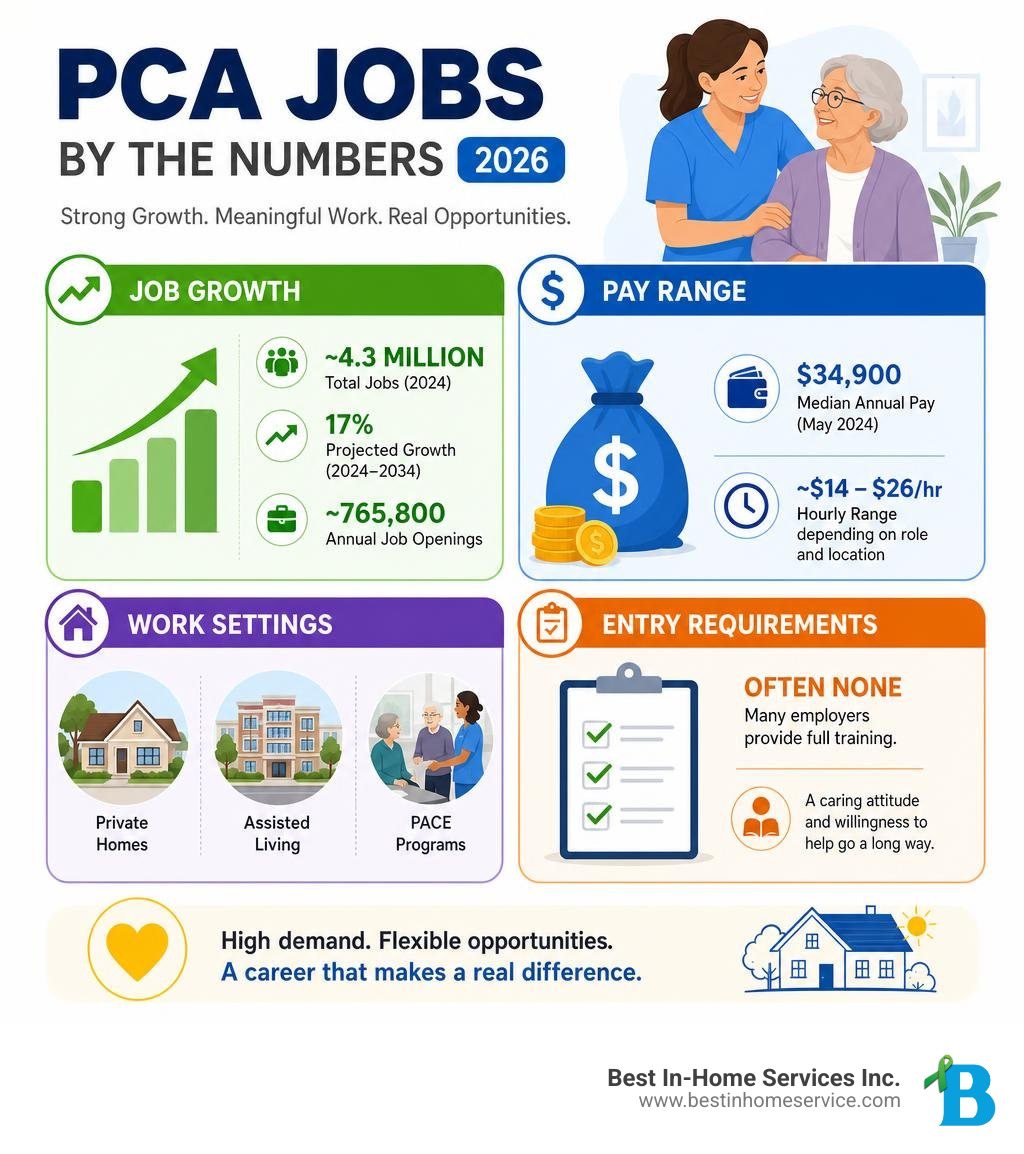
| Factor | Key Details |
|---|---|
| Median Annual Pay | $34,900 (May 2024) |
| Hourly Range | ~$14 to $26/hr depending on role and location |
| Total Jobs (2024) | ~4.3 million nationwide |
| Projected Growth (2024–2034) | 17% — much faster than average |
| Annual Job Openings | ~765,800 per year |
| Experience Required | Often none — many employers provide full training |
| Top Work Settings | Private homes, assisted living, PACE programs |
The numbers tell a clear story: this is one of the most stable, accessible, and genuinely meaningful careers you can enter right now.
Whether you’re looking for your first job in caregiving or you’re an experienced aide seeking better pay and benefits, the 2026 job market has real options. The shift from institutional care to home- and community-based care is accelerating — driven by an aging population that wants to stay home, not move to a facility.
I’m Lily Harrison, General Manager at Best In-Home Services Inc., where I’ve spent years coordinating personal care attendant jobs and matching compassionate caregivers with families across Chicago and Illinois. In this guide, I’ll walk you through exactly what these roles pay, what they require, and how to build a lasting career in home care.
Understanding Personal Care Attendant Jobs: Roles and Work Environments
Before diving into the application process, it is essential to understand what these roles actually look like on a day-to-day basis. While the primary goal is always to support individuals who need help due to aging, physical disabilities, or cognitive decline, the actual work environment can vary dramatically.
Defining Personal Care Attendant Jobs
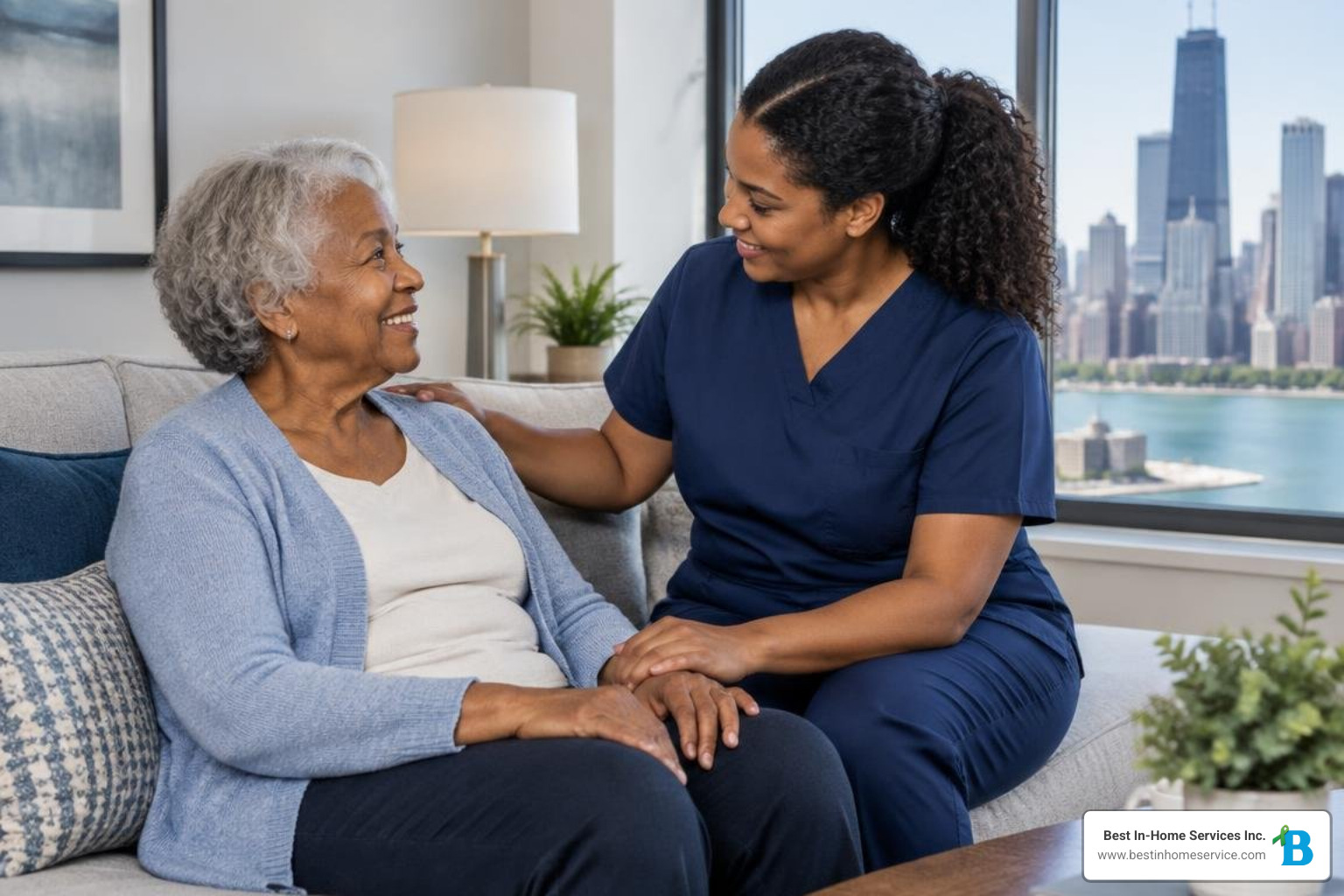
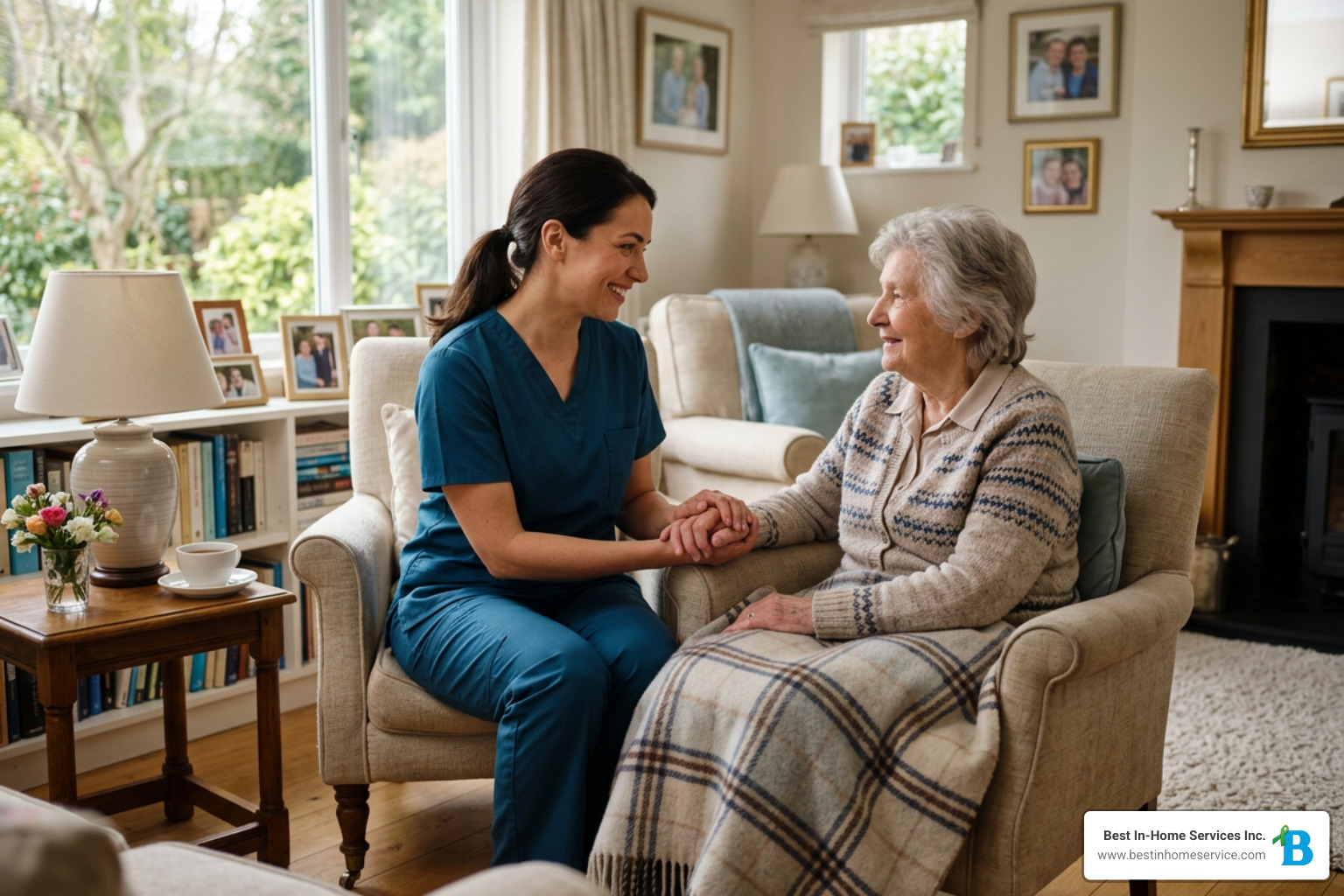
A Personal Care Attendant (PCA) is a non-medical professional who assists individuals with daily tasks so they can maintain their independence. Unlike clinical staff, PCAs focus primarily on supportive, non-medical activities.
At Best In-Home Services Inc., our team provides high-quality Personal Care that allows seniors and individuals with disabilities to remain comfortably in their own homes. PCAs are the backbone of this mission, assisting with activities of daily living (ADLs) and offering companionship that keeps isolation at bay.
PCA vs. CNA vs. Home Health Aide: Understanding the Differences
It is incredibly common to see terms like PCA, CNA, and HHA thrown around interchangeably. However, they are quite different in terms of licensing, medical scope, and training.
| Feature | Personal Care Attendant (PCA) | Home Health Aide (HHA) | Certified Nursing Assistant (CNA) |
|---|---|---|---|
| Primary Focus | Non-medical ADL support, housekeeping, companionship | Basic health monitoring, ADLs, routine health tasks | Clinical bedside care, vital signs, physical therapy support |
| Medical Tasks | None (unless delegated under strict state rules) | Light medical tasks (pulse, temperature, simple dressings) | Medical tasks (vitals, reporting to RNs, clinical observation) |
| Certification Required | Rarely required; mostly on-the-job training | State-approved training often required for agency work | Mandatory state-approved training and certification exam |
| Work Settings | Private homes, community centers, senior living | Private homes, hospice agencies, group homes | Hospitals, nursing homes, clinical rehabilitation centers |
Typical Daily Duties of Personal Care Attendant Jobs
If you step into one of our personal care attendant jobs, your day will be filled with variety. You are not just a service provider; you are a lifeline. A typical shift might include:
- Personal Hygiene Support: Assisting with bathing, showering, grooming, hair care, and oral hygiene.
- Mobility and Transfers: Helping clients safely transfer from bed to wheelchair, using proper body mechanics to prevent injury.
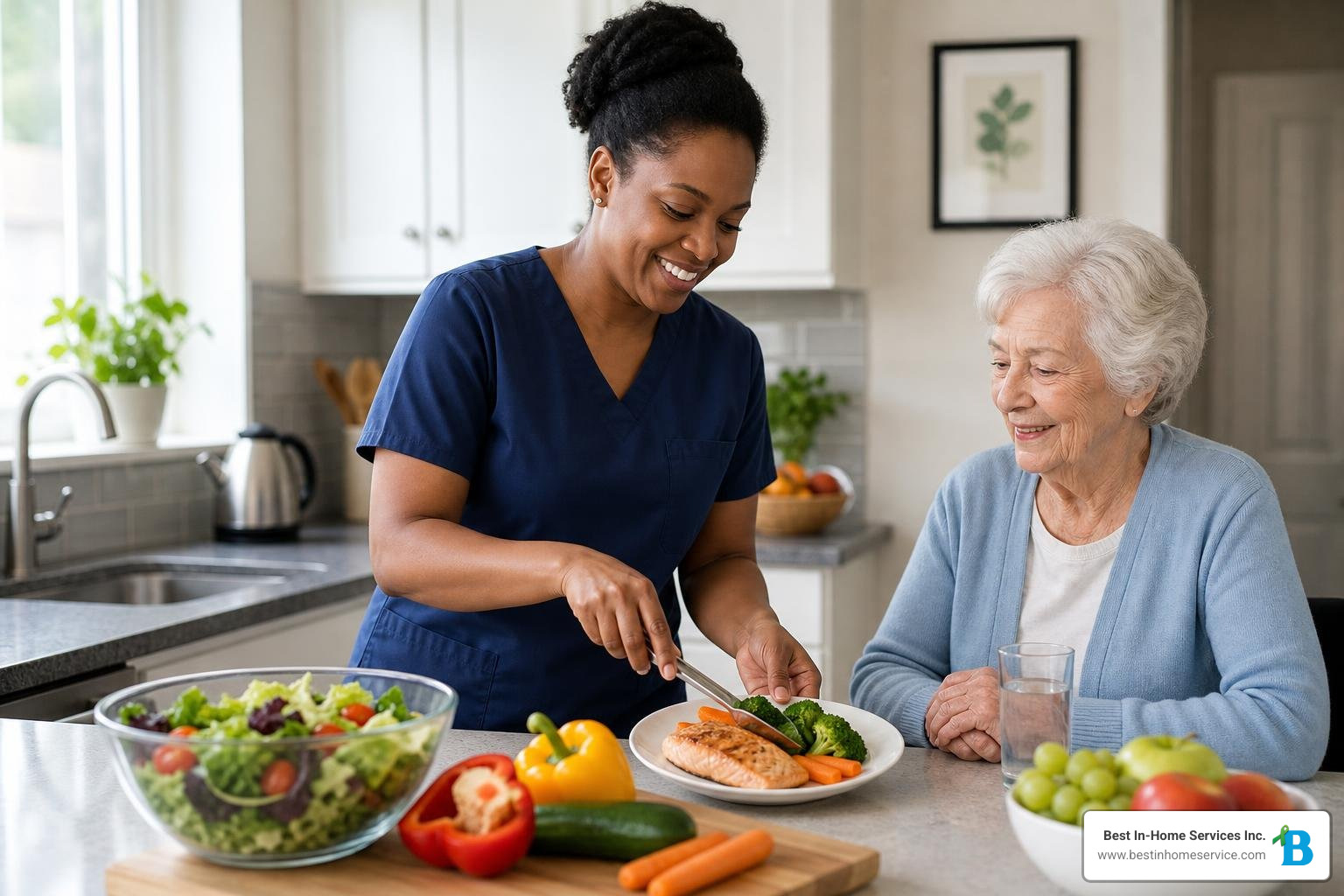
- Meal Preparation and Nutrition: Preparing healthy, appetizing meals according to a client’s dietary requirements.
- Light Housekeeping: Keeping the client’s environment clean and safe by handling laundry, washing dishes, and vacuuming.
- Medication Reminders: Prompting clients to take their self-administered medications on schedule.
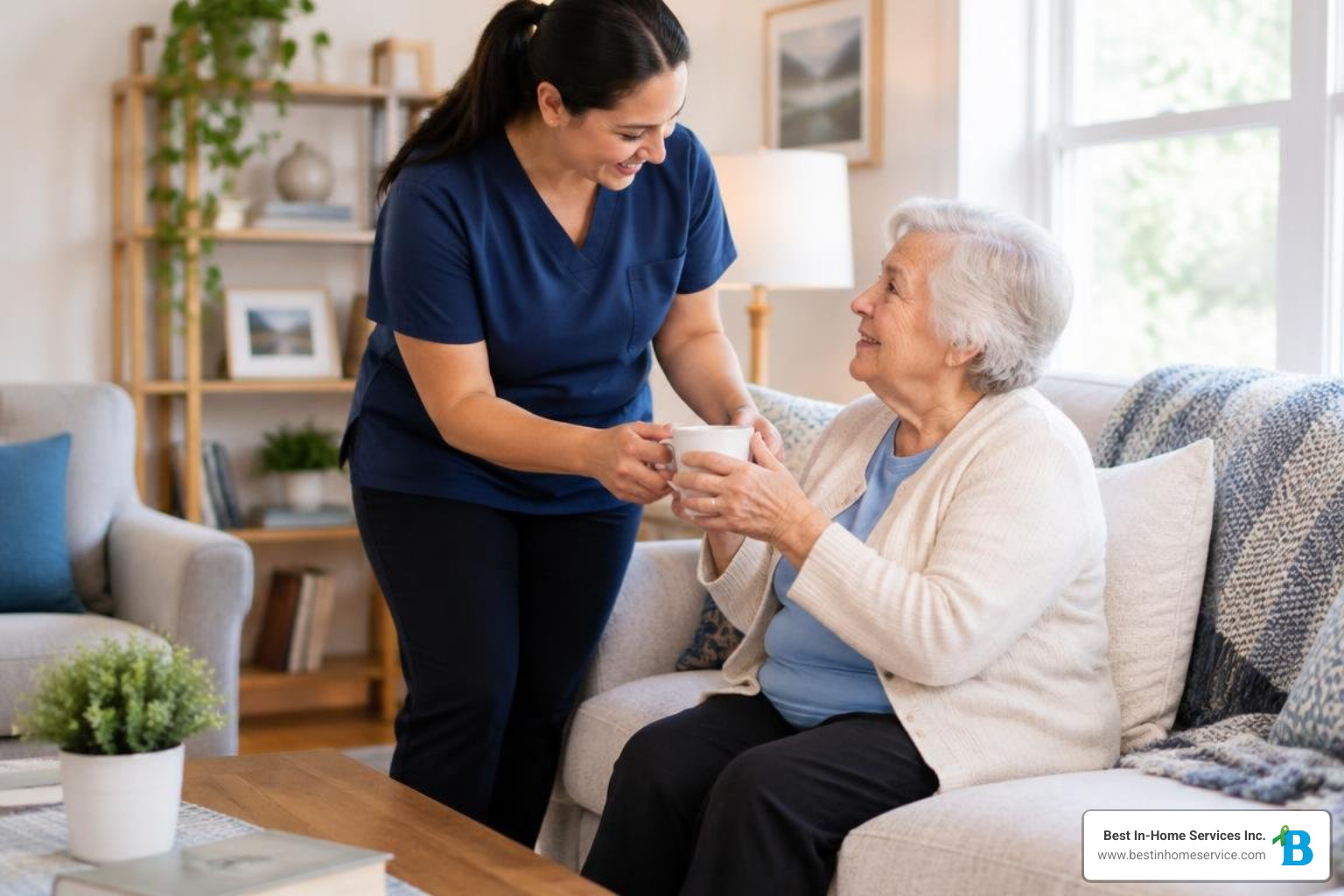
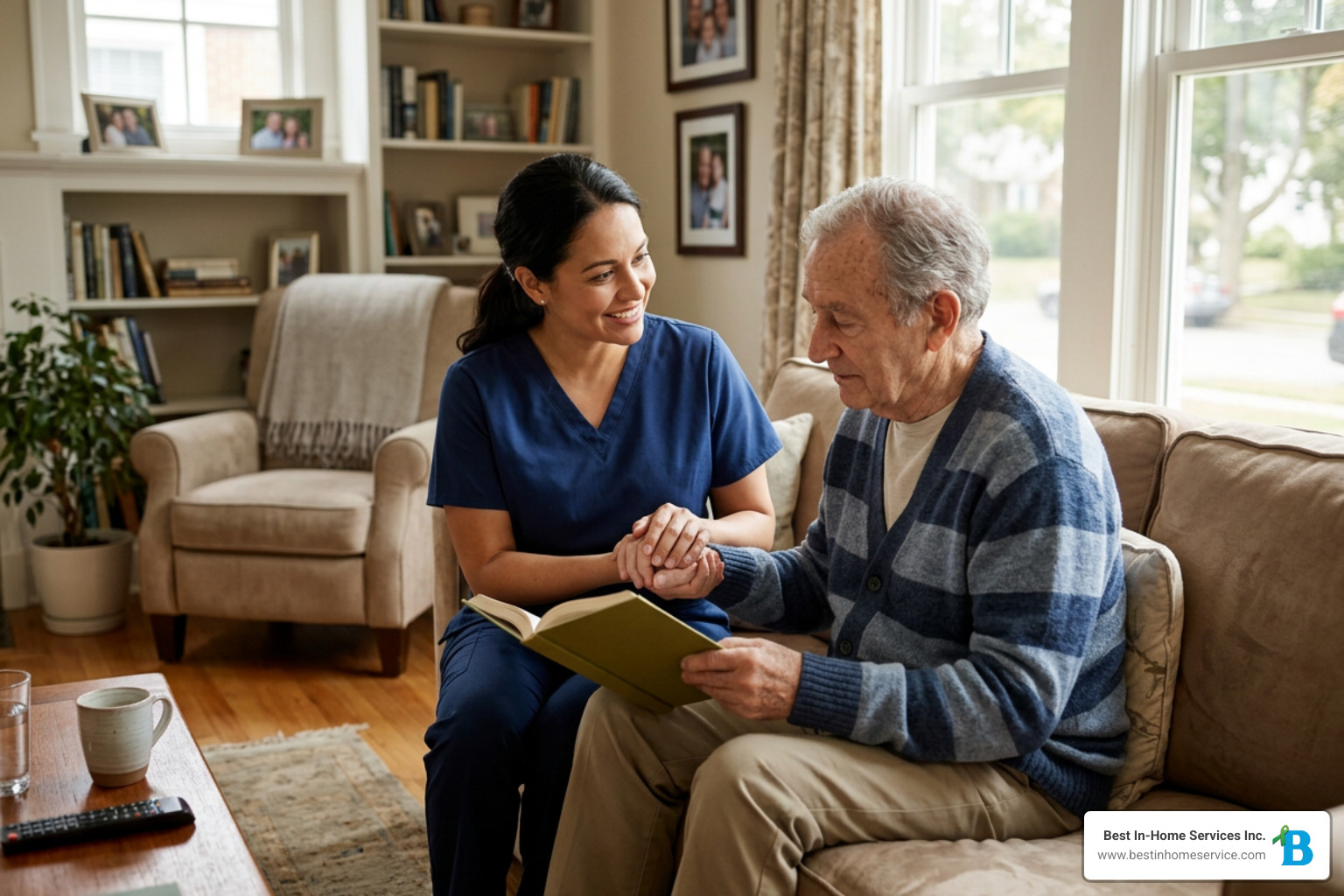
- Companionship: Chatting, playing board games, going for short walks, and ensuring clients feel heard and valued.
Where PCAs Work: Private Homes to Care Facilities
One of the best parts about securing a PCA role is the flexibility of work environments. While many PCAs work in private homes, there are several other settings:
- Private Homes: Working one-on-one with seniors or individuals with developmental disabilities. This allows you to build deep, meaningful connections.
- Assisted Living Communities: Supporting multiple residents throughout a shift in a community environment.
- Adult Day Care and PACE Programs: Assisting participants who visit a community center during the day.
- County Health & Clinical Settings: If you are looking for roles within public health networks, you can explore opportunities like Cook County Health Careers or the DuPage County Health Team for broader community support roles.
If you are looking for localized career opportunities in Illinois, you can explore open positions across various communities. Whether you are looking for roles in Downers Grove, Winnetka, Schaumburg, or Lake County, there are numerous opportunities to join dedicated home care teams and make a difference in your local community.
Physical and Emotional Demands of the Role
Let’s be honest: caregiving is as demanding as it is rewarding. It requires a unique blend of physical stamina and emotional resilience.
On the physical side, you will be on your feet for long periods. You will lift, bend, and assist clients with mobility. Using proper lifting techniques and mechanical aids is crucial to protect your back and ensure patient safety.
On the emotional side, you may work with clients experiencing cognitive decline or physical pain, which can sometimes lead to challenging behaviors. Compassion fatigue and emotional burnout are real risks. That is why at Best In-Home Services Inc., we emphasize peer support, proper training, and open communication to help our team manage these challenges successfully.
How to Qualify for High-Paying Personal Care Attendant Jobs
You don’t need a four-year college degree to build a successful career in this field. However, qualifying for the highest-paying positions requires a combination of the right training, legal clearances, and essential soft skills.
Education, Training, and Certification Requirements
For most entry-level personal care attendant jobs, a high school diploma or GED is preferred, but not always mandatory.
Many agencies (including us!) provide comprehensive on-the-job training. However, if you want to make your application stand out and command higher wages, consider the following steps:
- CPR and First Aid Certification: This is a standard requirement for almost all reputable caregiving positions.
- Basic Life Support (BLS) Training: Highly valued by clinical and community-based health programs.
- Infection Control and Universal Precautions: Knowing how to maintain a sterile, safe environment is a major plus.
- Background Checks: You must be able to pass a criminal background check, fingerprinting, and drug screening to work with vulnerable populations.
Essential Skills and Personal Qualities for Success
You can teach someone how to safely transfer a patient, but you cannot teach empathy. The most successful PCAs possess key personal qualities that make them exceptional caregivers.
- Empathy and Patience: Understanding that a client may be frustrated by their loss of independence.
- Active Listening: Paying attention to what clients say (and what they don’t say) to anticipate their needs.
- Reliability: Showing up on time is critical; your clients depend on you for their basic daily needs.
- Strong Communication: Keeping families and supervisors informed of any changes in a client’s physical or mental state.
If you want to learn more about how families seek out these qualities, take a look at our guide on Finding the Perfect Match Among Professional Caregivers for Seniors.
Salary, Job Outlook, and Career Advancement
Is caregiving a sustainable long-term career? Absolutely. In 2026, the economic landscape for healthcare support workers is incredibly strong, offering competitive wages, solid job security, and clear pathways for upward mobility.
Average Pay and Regional Wage Variations
According to the U.S. Bureau of Labor Statistics: Personal Care Aide Wages, the median annual wage for home health and personal care aides was $34,900 in May 2024. However, pay rates vary significantly based on your location, experience, and the complexity of the care required.
Job Outlook and Employment Growth Projections
The job outlook for this field is outstanding. The Bureau of Labor Statistics projects a 17 percent growth rate from 2024 to 2034, which translates to roughly 765,800 job openings every single year.
This massive growth is fueled by the aging baby boomer generation. As millions of older adults choose to age in place rather than move to nursing homes, the demand for in-home personal care attendants will continue to skyrocket.
Benefits, Flexibility, and Career Pathways
Working as a PCA isn’t just a job; it can be the first step on a rewarding healthcare career ladder. Many agencies offer excellent benefits, including:
- Flexible Scheduling: Perfect for students, parents, or those looking for part-time work.
- Health, Dental, and Vision Insurance: Offered for full-time employees.
- Paid Time Off (PTO) and Sick Leave.
- Career Advancement: Many PCAs use their experience as a stepping stone to become Certified Nursing Assistants (CNAs), Licensed Practical Nurses (LPNs), Registered Nurses (RNs), or healthcare administrators.
If you are a family member looking to hire or an aspiring caregiver wondering how agencies operate, read our advice on How to Pick the Best In-Home Care Providers Without Losing Your Mind.
Frequently Asked Questions About Personal Care Attendant Jobs
Do you need a license to work as a personal care attendant?
In most states, including Illinois, you do not need a formal professional license to work as a PCA. However, you must pass a background check, complete agency-mandated training, and occasionally register with state registries. If you wish to perform medical tasks, you must obtain a CNA or HHA certification.
What is the difference between a PCA and a caregiver?
“Caregiver” is a broad, informal term that can refer to anyone providing care, including unpaid family members. A “Personal Care Attendant” (PCA) is a professional, paid employee hired by an agency or private family to perform specific, documented personal care tasks.
Can a personal care attendant administer medications?
In most jurisdictions, PCAs cannot legally administer medications (such as measuring liquid doses or giving injections). However, they can provide medication reminders, assist clients with opening pill organizers, and document that the medication was taken.
Conclusion
Finding personal care attendant jobs that pay the bills and bring joy to your daily life is entirely possible in today’s job market. If you are compassionate, reliable, and eager to make a difference, there is a place for you in this rapidly growing field.
At Best In-Home Services Inc., we provide personalized in-home care services like dementia, memory, and elder care across Chicago, Illinois. We pride ourselves on offering 24/7 support with certified staff and customized care plans.
If you are ready to take the next step in your career, we invite you to learn more About Us, discover Why Choose BIHS, and apply for our open Personal Care Jobs today!



 1-224-636-5200
 1-224-636-5210
  425 Huehl Rd 13B Northbrook IL 60062