
Understanding Non-Medical Companion Care and Daily Duties
Finding reliable companion care in the Chicago area starts with a clear plan. First, identify the specific non-medical support your loved one needs, such as help with errands, meal preparation, light housekeeping, or social engagement. Next, research Illinois-licensed home care agencies that serve your community in Cook, Lake, or DuPage counties. Verify each agency’s state licensure, background screening policies, and backup caregiver coverage. Then, schedule consultations to discuss personality compatibility, scheduling flexibility, and a customized care plan. Finally, arrange a trial period to ensure the companion is a good fit before committing to a regular schedule.
As loved ones grow older, remaining at home in familiar surroundings is often their top priority. However, living alone can gradually make routine tasks feel overwhelming, and social isolation can quietly take a toll on emotional health. Non-medical companion care fills this gap by offering practical day-to-day assistance paired with genuine human connection.
Whether your family is based in Chicago, Evanston, Skokie, or out in Naperville, companion support is designed to fit seamlessly into an established lifestyle. It helps older adults stay engaged with their communities, keep their households running smoothly, and maintain their daily rhythms without taking away their autonomy.
Core Daily Duties in Companion Care
A companion caregiver serves as a trusted ally for practical tasks and social activities. Rather than focusing on clinical routines, their daily work revolves around making life easier, safer, and more enjoyable for seniors.
Standard tasks and duties typically include:
- Social engagement and conversation: Sharing stories, discussing current events, playing cards, or working on creative hobbies.
- Errands and grocery shopping: Picking up groceries at local markets, selecting fresh ingredients, or managing household supplies.
- Meal preparation: Cooking nutritious, home-cooked meals tailored to dietary preferences and cleaning up afterward.
- Light housekeeping: Handling light laundry, washing dishes, taking out trash, and keeping main living spaces organized.
- Appointment accompaniment and transportation: Providing rides and steady accompaniment to medical checkups, hair appointments, religious services, or community centers across Cook, Lake, and DuPage counties.
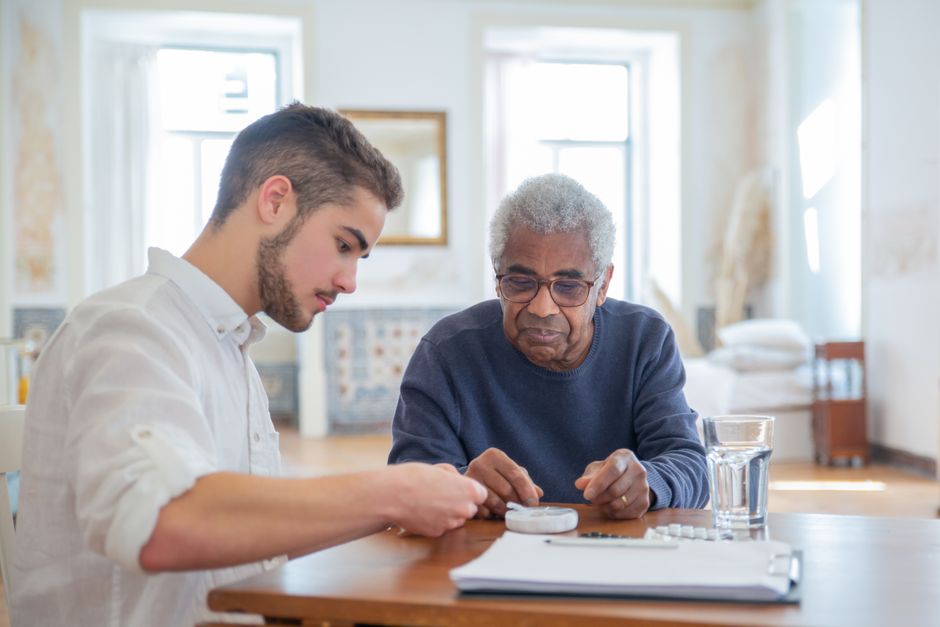
- Medication reminders: Offering timely verbal prompts so seniors remember to take pre-poured medications according to their routine.
- Routine check-ins: Keeping extended family informed about any noticeable changes in mood, appetite, or general household safety.
For families exploring specialized social support, learning about companion care services can help clarify how a scheduled companion complements an older adult’s weekly routine.
Differentiating Companion Care from Personal Care
Families often ask how companion care differs from home health aide work or personal care. In simple terms, companion care is entirely non-hands-on, whereas personal care involves physical, hands-on assistance with activities of daily living (ADLs).
Neither of these services involves skilled nursing or medical treatment, but understanding their scope ensures your loved one receives the appropriate level of support.
| Care Aspect | Companion Care | Personal Care |
|---|---|---|
| Primary Focus | Socialization, household support, safety oversight | Hands-on physical assistance with daily living |
| Hands-On Assistance | None (strictly non-hands-on) | Yes (bathing, dressing, grooming, hygiene) |
| Mobility Support | Incidental guidance, walking accompaniment | Hands-on transfers, repositioning, physical stability |
| Toileting & Incontinence | Not included | Included as part of personal hygiene care |
| Household Support | Light cleaning, meal prep, errands | Light cleaning, meal prep, personal linen changes |
| Medication Handling | Verbal reminders only | Verbal reminders, opening pre-filled pill organizers |
| Clinical / Medical Aid | None (requires home health or physician) | None (requires home health or physician) |
When an aging adult begins to experience physical limitations that make showering, dressing, or safe transfers difficult, transitioning to or adding personal care support provides the hands-on aid necessary to keep them comfortable and secure.
Proven Benefits of Social Support for Aging Seniors
Social isolation is one of the most significant yet overlooked challenges facing older adults today. When mobility decreases or longtime neighbors move away, days can quickly become quiet and repetitive. Introducing a companion provides vital social contact that enlivens the household.
Cognitive Stimulation and Emotional Health
Regular social interaction does more than pass the time – it actively stimulates cognitive function. Engaging in meaningful conversations, recalling memories, playing strategic board games, and exploring creative projects give the brain a healthy workout.
For seniors living with mild memory loss or mid-to-late stages of dementia, consistent engagement from a patient companion has been shown to help slow decline in cognitive skills. Familiar faces and structured daily interactions offer comforting anchors that reduce feelings of agitation, anxiety, and confusion.
Having a dedicated companion helps ward off the deep feelings of depression that often accompany isolation. Our senior companionship guide explores how regular social visits nurture emotional well-being and bring renewed purpose to daily life.
Relief and Reassurance for Long-Distance Families
It is common for adult children to live in different suburbs or across the country while their aging parents remain in neighborhoods like Lincolnwood, Glenview, or Highland Park. Managing support from afar brings logistical hurdles and constant worry about whether a parent is eating well, staying hydrated, or managing their home safely.
A dedicated companion acts as reliable local eyes and ears. They provide:
- Consistent status updates: Relaying observations about home cleanliness, food supplies, and overall mood.
- Environmental safety oversight: Helping identify simple hazards, like cluttered walkways or expired foods, that could lead to slips or illness.
- Emergency preparedness: Ensuring the senior has immediate assistance in contacting family or emergency services if an urgent situation arises.
This ongoing connection allows long-distance relatives to focus on their relationship as family rather than feeling overwhelmed by care logistics. Learn more about establishing reliable in-home senior support to keep loved ones supported while aging gracefully in place.
How to Vet and Select In-Home Caregivers in the Chicago Area
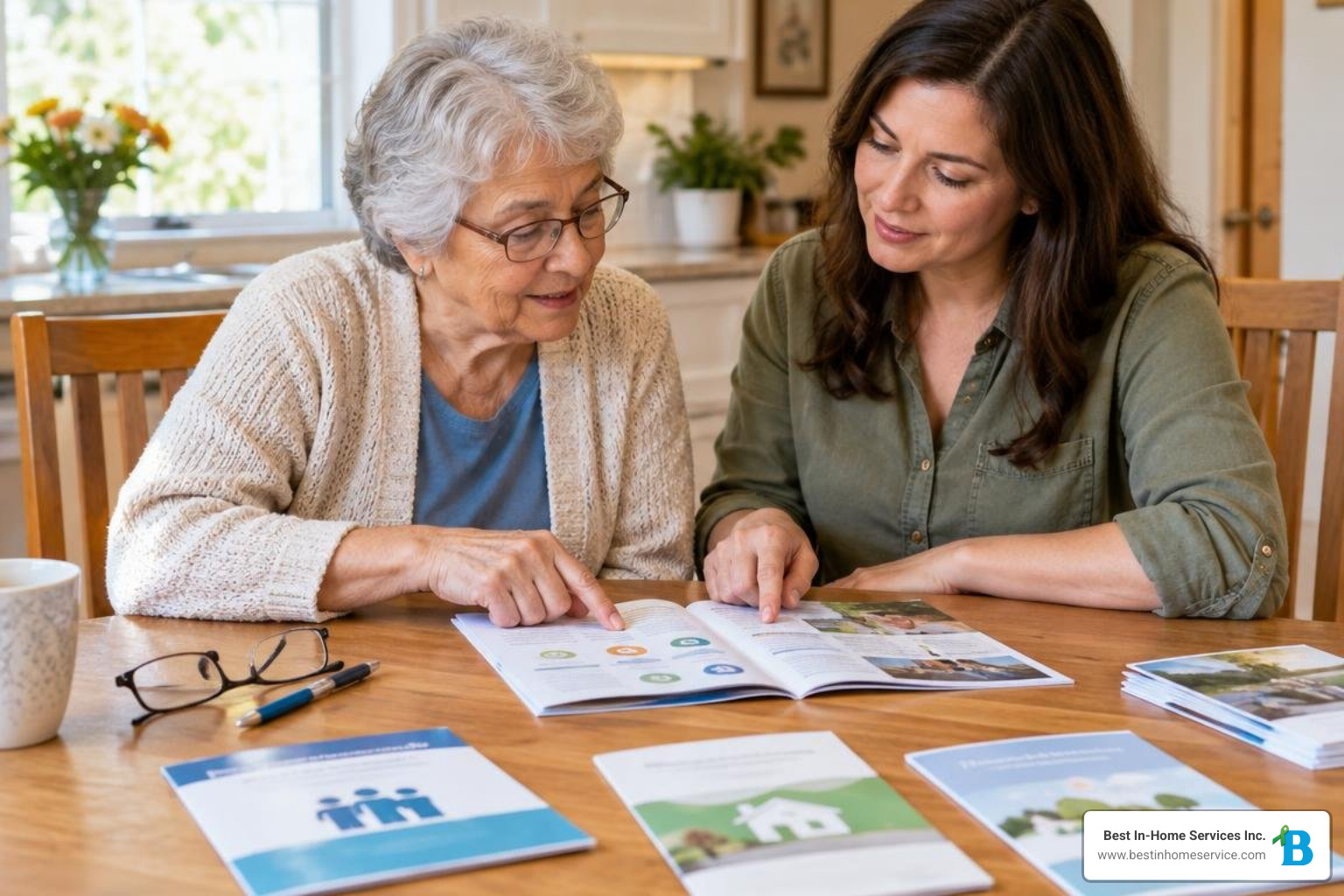
Finding the right caregiver requires balancing practical scheduling needs with personal rapport. Because a companion spends meaningful one-on-one time in your loved one’s private space, thorough vetting is essential.
For families navigating providers across Northbrook, Des Plaines, Schaumburg, and surrounding communities, reviewing Chicago in-home care guidance offers an excellent foundation for understanding local service standards.
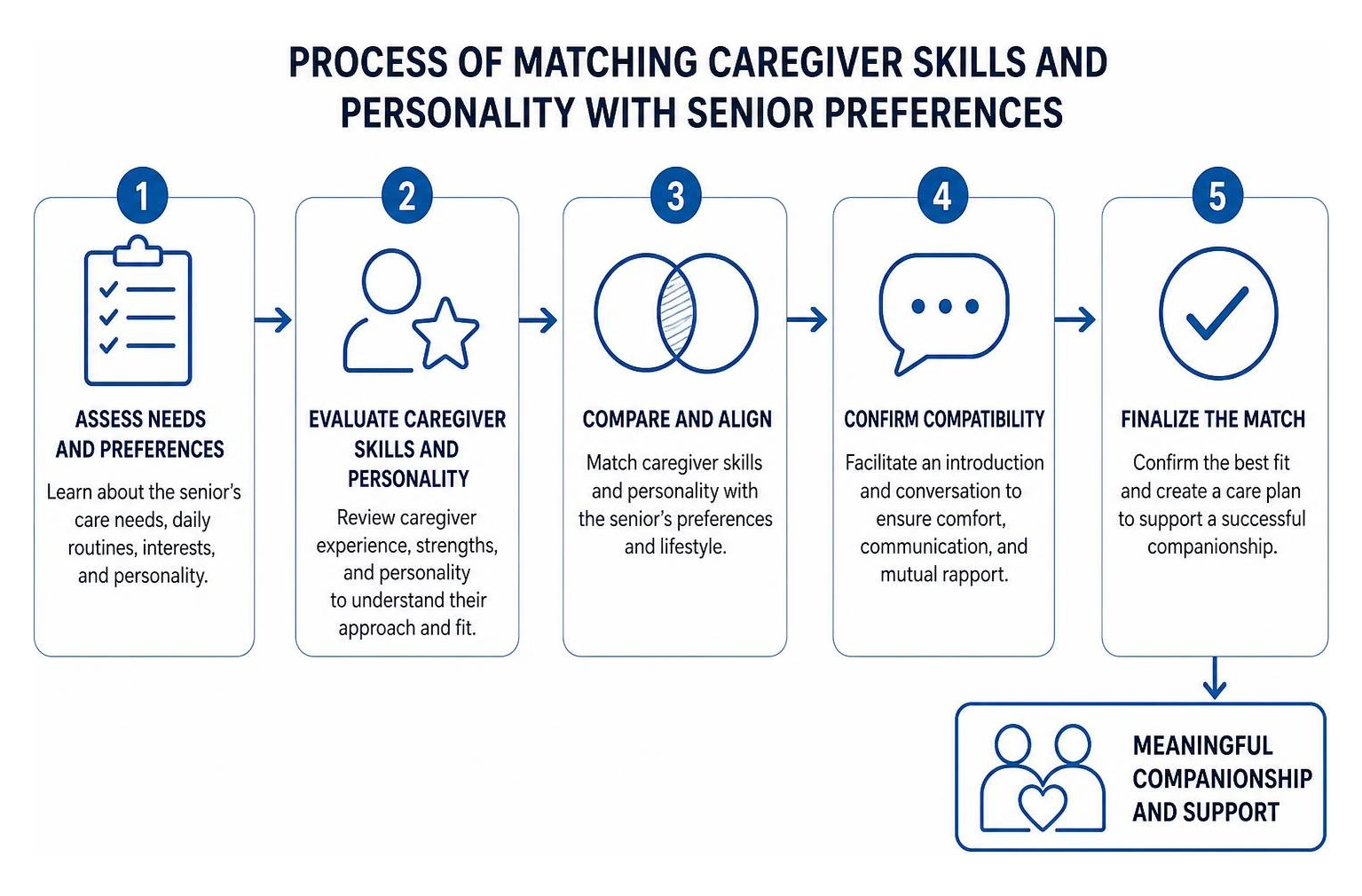
Identifying Needs and Personality Compatibility
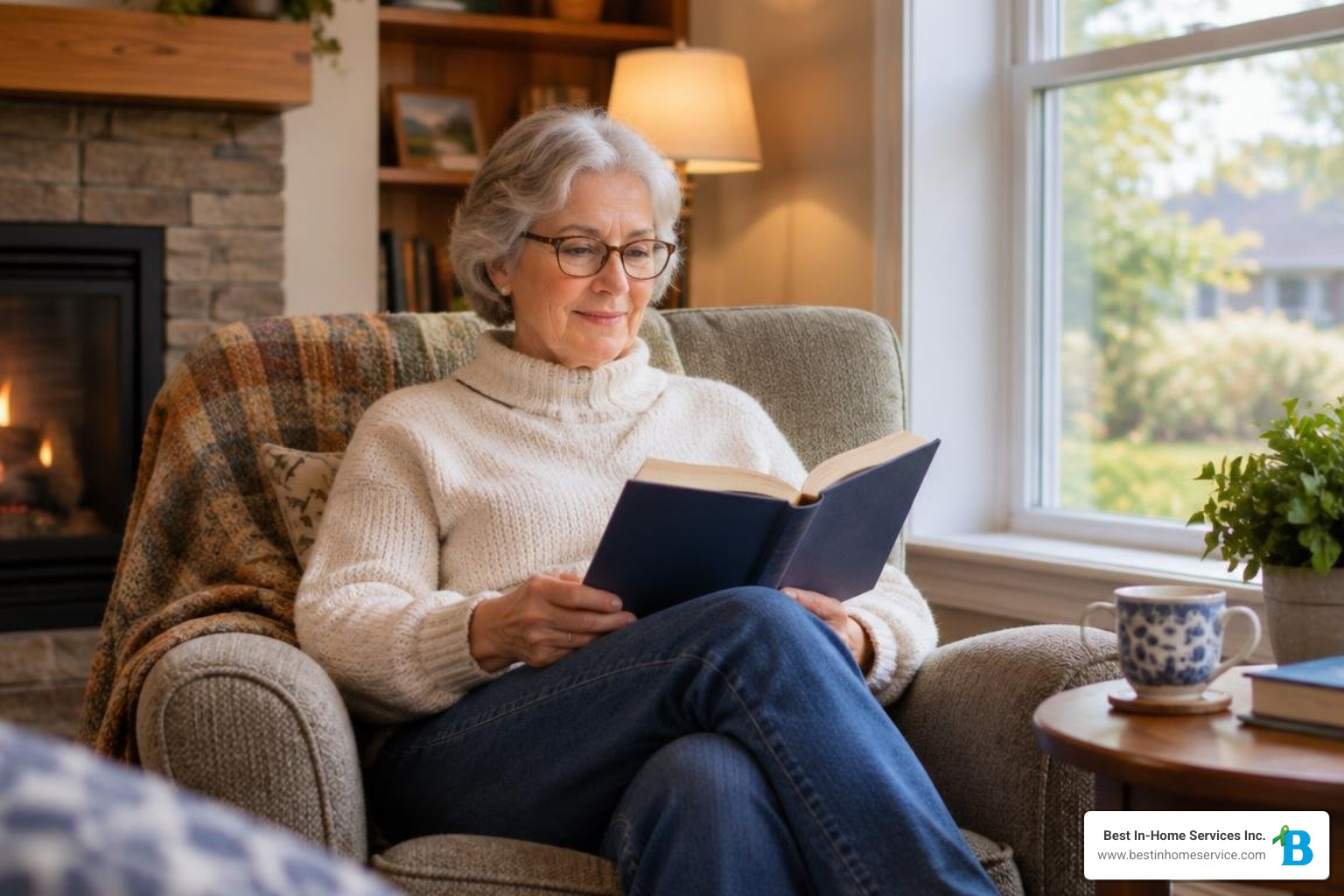
A successful match depends heavily on personality compatibility. An energetic extrovert might enjoy someone who loves lively debates and outings to local parks, while a quiet book lover may prefer a calm presence who enjoys reading aloud or working quietly nearby.
When planning care, consider these key matching factors:
- Shared interests: Look for common ground in hobbies, cooking styles, sports, gardening, or music.
- Communication style: Ensure the caregiver matches your loved one’s preferred conversational pace and tone.
- Mobility and lifestyle pace: Choose someone comfortable with your parent’s daily activity level, whether that means neighborhood walks or cozy afternoons inside.
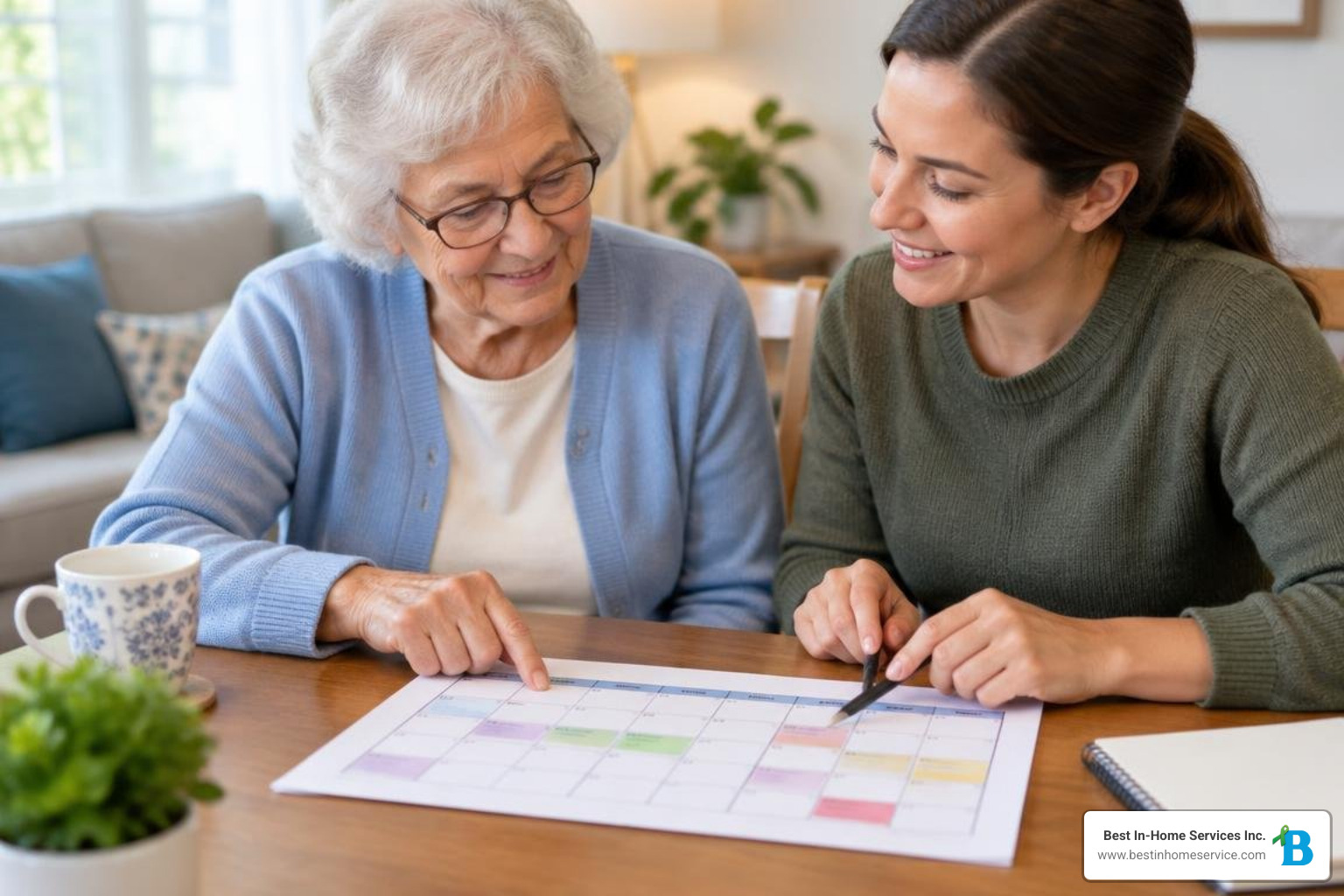
- Schedule alignment: Determine whether your family needs mornings, afternoons, weekends, or overnight assistance.
Evaluating an Agency and Its Caregiver Coverage
Families generally choose between hiring an independent caregiver directly, relying on community volunteers, or working with an Illinois-licensed home care agency. While volunteers from local community programs or faith groups offer wonderful informal visits, their availability is rarely guaranteed for structured weekly routines.
Hiring private caregivers directly places significant administrative burdens on the family – including running background checks, managing payroll taxes, and finding emergency substitutes when the caregiver is sick.
Working with an established agency simplifies this process while ensuring rigorous safety standards. When evaluating local providers, look for these critical protections:
- State licensure: Confirm the agency is licensed by the Illinois Department of Public Health (IDPH).
- Background screening: Ensure comprehensive criminal background checks and identity verifications are completed prior to placement.
- Insurance and bonding: Verify that workers’ compensation and liability insurance protect your family’s home.
- Backup staffing: Confirm the agency has a reliable system to provide replacement caregivers if your regular companion takes time off.
- Community integration: Ask if the agency works with regional programs, such as those through the Illinois Department on Aging or local resources detailed in Community Services Programs | DuPage Co, IL.
For additional strategies on researching regional providers, check our guide on finding local senior care.
Understanding In-Home Care Costs in the Chicago Area
Cost is an important factor when designing a long-term care routine. In the Chicago metropolitan area, the cost of in-home care varies based on the level of assistance required, the number of scheduled hours per week, the consistency of the schedule, and whether specialized memory support, overnight monitoring, or weekend coverage is needed.
Transportation and errand assistance involving a caregiver’s vehicle are typically billed alongside standard hourly rates, with mileage tracked separately. Most licensed agencies require a standard visit minimum – often 3 hours per visit – to ensure reliable scheduling and dedicated caregiver retention.
Because needs evolve over time, reputable agencies provide personalized consultations to outline clear options without hidden fees, helping families structure a sustainable schedule within their budget.
Frequently Asked Questions
What certifications or training are required for companion caregivers?
Companion care is classified as non-medical, meaning companion caregivers are not required to hold medical licenses or certified nursing assistant (CNA) credentials under state or federal regulations. However, reputable Illinois-licensed home services agencies provide comprehensive training in elder communication, household safety, emergency protocols, dementia awareness, and client rights before assigning caregivers to clients.
How many hours of companionship support are recommended each week?
Scheduling is flexible and depends on the senior’s lifestyle and social needs. Many families begin with part-time support – such as two or three visits per week, meeting the standard 3-hour visit minimum – to assist with grocery runs, meal prep, and social outings. Schedules can be expanded to daily visits or full-day coverage as needed.
Can companion caregivers administer medications or provide medical aid?
No. Companion caregivers operate within a strict non-medical scope. They can provide verbal medication reminders to help seniors stick to their schedules, but they cannot administer oral medications, manage injections, dress open wounds, or provide physical therapy. For clinical tasks, a licensed home health nurse or physical therapist is required.
What factors affect the cost of companion care in Cook, Lake, and DuPage counties?
Pricing depends on the total hours scheduled, the frequency of visits, whether care occurs during holidays or overnights, and whether specialized dementia support is requested. Direct transportation using the caregiver’s vehicle also incurs mileage billing. Requesting a customized care quote is the best way to get an accurate assessment for your family’s specific location and schedule.
Conclusion
Every senior deserves the opportunity to age gracefully in the comfort of their own home while staying socially connected and actively supported. Non-medical companion care offers the ideal balance of practical help with daily household tasks and the uplifting presence of a dedicated friend.
At Best In-Home Service Inc. (BIHS), we are an Illinois-licensed home care agency (License #3000758, based in Northbrook, IL) serving families across Cook, Lake, and DuPage counties – including Chicago, Evanston, Wilmette, Glenview, Deerfield, Lake Forest, Downers Grove, and Oak Brook. We are approved by the Illinois Department on Aging under the Community Care Program and recognized by the Illinois Department of Human Services / Rehabilitation Services for the Home Service Program.
Whether your family needs a few hours of social engagement each week or broader daily living support, we are here to help you create a customized care schedule tailored to your loved one’s needs.
Contact our local care coordination team today at 224-636-5200 or visit Best In-Home Services Inc. to schedule a free in-home care assessment and discover how reliable companionship can support your family.




 1-224-636-5200

 1-224-636-5210
 425 Huehl Rd 13B Northbrook IL 60062