
When Joints Hurt Every Day: What Seniors and Families Need to Know
Arthritis care for seniors is one of the most important — and most overlooked — parts of healthy aging. Nearly 60% of adults 65 and older live with some form of arthritis, making it the leading cause of disability in the United States. For many older adults, it quietly reshapes daily life: the stairs that feel steeper, the jar that won’t budge, the morning stiffness that takes longer to shake than it used to.
Here’s a quick look at what effective arthritis care involves:
- Move regularly — low-impact exercise like walking, swimming, or Tai Chi reduces pain and stiffness
- Manage weight — every pound lost removes roughly 4 pounds of pressure from the knee joint
- Use heat and cold therapy — heat eases morning stiffness; cold reduces swelling after activity
- Protect your joints — assistive devices like canes, grab bars, and ergonomic tools reduce daily strain
- Review medications carefully — many common pain relievers carry serious risks for older adults
- Don’t isolate — chronic pain and limited mobility often lead to loneliness, which worsens outcomes
- Ask about physical therapy — Medicare Part B covers it with no annual cap when medically necessary
There is no cure for arthritis, but symptoms can be managed effectively. The right combination of movement, lifestyle changes, safe medications, and daily support makes a real difference.
I’m Lily Harrison, General Manager at Best In-Home Services Inc., where I help coordinate personalized arthritis care for seniors across Chicago and Illinois every day. My work with certified caregivers supporting older adults with chronic pain and mobility challenges gives me a front-row view of what actually helps seniors stay comfortable and independent at home.
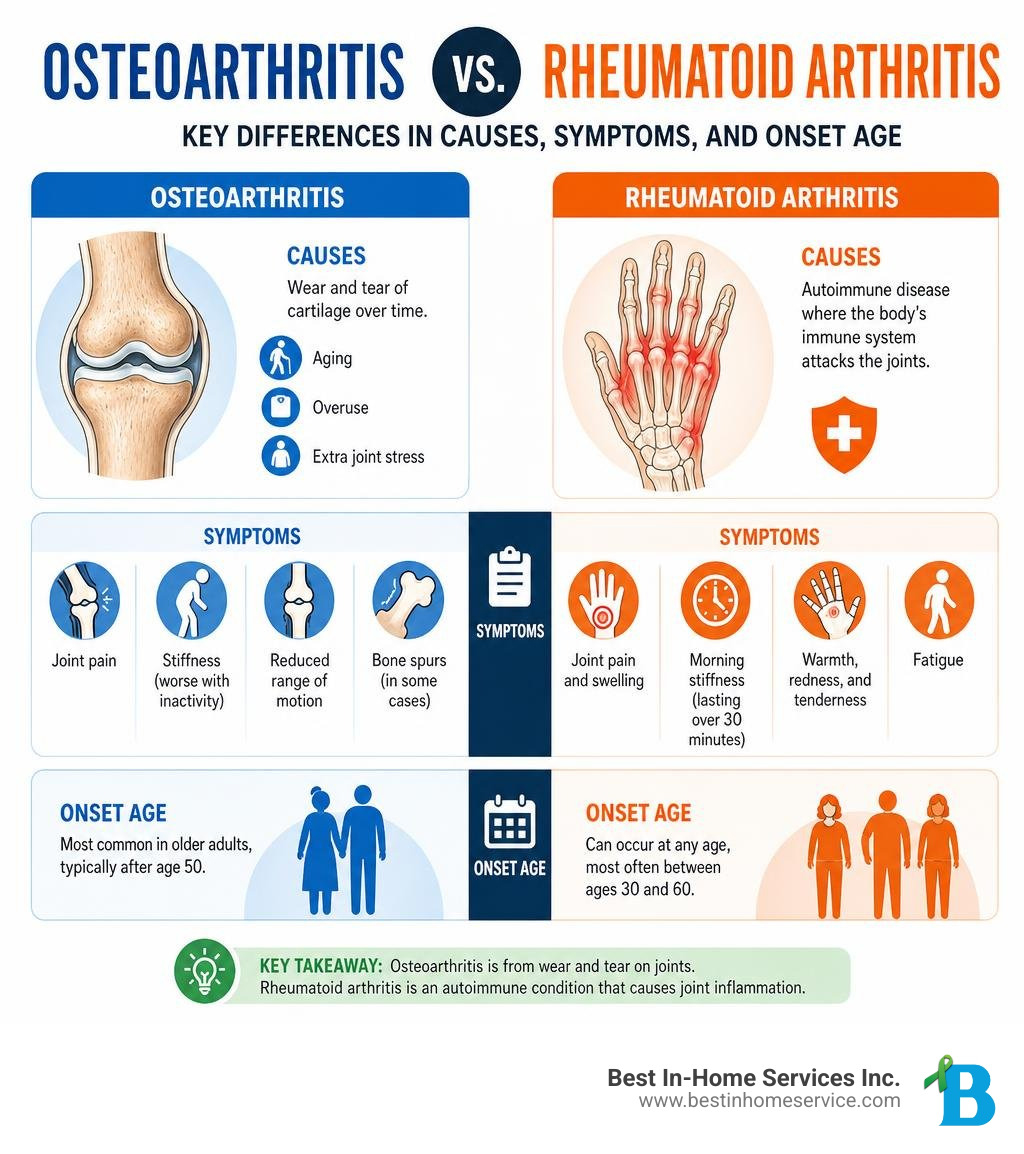
Arthritis care for seniors terms at a glance:
Understanding Joint Pain: Types and Symptoms of Arthritis
To build an effective plan for arthritis care for seniors, we must first understand what we are up against. Arthritis is not a single disease; it is an umbrella term encompassing more than 100 different joint-related conditions. In older adults, these conditions primarily manifest in a few distinct ways, each requiring a tailored management strategy.
Osteoarthritis (OA)
Osteoarthritis is the most prevalent form of arthritis, affecting approximately 32.5 million Americans. Often referred to as “wear-and-tear” arthritis, OA occurs when the protective cartilage that cushions the ends of the bones wears down over time. This typically affects adults older than 50, targeting weight-bearing joints such as the knees, hips, and spine, as well as the hands. People with physically demanding histories—like those who spent decades crouching, lifting, or standing—face a higher risk.
Rheumatoid Arthritis (RA)
Unlike OA, Rheumatoid Arthritis is a systemic autoimmune disease. Here, the body’s immune system mistakenly attacks the synovium—the soft lining of the joints. While RA usually develops in adults aged 30 to 60, it can also emerge later in life. This is known as Elderly-Onset Rheumatoid Arthritis (EORA), which accounts for 10% to 33% of all RA diagnoses. Interestingly, while younger-onset RA affects women at a 3:1 ratio over men, EORA approaches a much more balanced 1:1 ratio and often presents abruptly in larger joints like the shoulders.
Gout
Gout is a highly painful, inflammatory form of arthritis caused by the accumulation of uric acid crystals in a joint—most commonly the big toe. In older adults, gout is frequently associated with a decline in kidney function or the use of specific medications like diuretics (often prescribed for cardiovascular health).
Psoriatic Arthritis
This form of inflammatory arthritis affects some individuals who have psoriasis, a condition that causes red, scaly patches on the skin. It leads to joint stiffness, swelling, and pain, and requires careful systemic medical management to prevent progressive joint damage.
Regardless of the type, advanced arthritis often introduces secondary symptoms like bone spurs (hard, bony lumps forming around damaged joints) and systemic fatigue, which can deeply impact a senior’s daily energy levels.
| Feature | Osteoarthritis (OA) | Rheumatoid Arthritis (RA) |
|---|---|---|
| Primary Cause | Mechanical wear-and-tear of joint cartilage | Autoimmune attack on the joint lining (synovium) |
| Symmetry | Asymmetrical (often affects one knee or hip more) | Symmetrical (affects both hands, wrists, or knees) |
| Morning Stiffness | Typically lasts less than 30 minutes | Lasts longer than 30 to 60 minutes |
| Systemic Symptoms | None (localized to affected joints) | Fatigue, occasional low-grade fever, systemic inflammation |
| Age of Onset | Usually develops after age 50 | Typically develops between 30 and 60 (or late-onset) |
Identifying Key Symptoms in Older Adults
Recognizing the early and evolving signs of arthritis is essential for timely intervention. In older adults, key symptoms include:
- Persistent Morning Stiffness: Seniors with OA may feel stiff for a short period upon waking, while those with RA often experience prolonged stiffness that takes over an hour to ease.
- Reduced Range of Motion: Difficulty fully bending or straightening joints, making tasks like reaching for a shelf or bending to tie shoes challenging.
- Joint Swelling and Warmth: Inflammatory types of arthritis often cause joints to feel warm to the touch, visibly swollen, and tender.
- Grating Sensations: A feeling or sound of bones rubbing together (crepitus) during movement.
If a senior experiences sudden, severe joint swelling, localized redness, or a fever alongside joint pain, they should seek medical help immediately to rule out infections or acute gout flares. For comprehensive, specialized clinical evaluations, families in the Chicago area often turn to dedicated programs like the Rheumatoid Arthritis Care Care at Rush University.
The Do’s of Arthritis Care for Seniors: Movement and Lifestyle
When managing arthritis, a proactive lifestyle is our strongest tool. It can be tempting to rest painful joints, but physical inactivity is a modifiable risk factor that actually accelerates joint stiffness and muscle deconditioning.
Do: Stay Physically Active
Regular movement keeps joints lubricated and strengthens the surrounding muscles, providing better structural support. Focus on low-impact activities that protect the joints while promoting cardiovascular health.
Do: Prioritize Weight Management
Weight management is incredibly powerful. Because every single pound of body weight translates to roughly 4 pounds of pressure on the knee joints during walking, losing even 10 to 15 pounds can dramatically reduce daily joint pain and slow down the progression of cartilage wear.
Do: Adopt an Anti-Inflammatory Diet
What we eat directly influences systemic inflammation. Transitioning to a Mediterranean-style diet rich in whole grains, fish (for Omega-3 fatty acids), nuts, and fresh vegetables while limiting refined sugars, processed foods, and red meat can naturally ease joint discomfort.
Do: Use Heat and Cold Therapy Smartly
- Heat Therapy: Applying a warm compress, taking a warm shower, or enjoying a brief, safe session in a warm jacuzzi (limited to 20 minutes) helps loosen stiff joints and muscles before activity.
- Cold Therapy: Using ice packs or cold compresses wrapped in a towel for 15 to 20 minutes after physical activity helps soothe acute inflammation and reduce post-exercise swelling.
Daily Stretches and Low-Impact Exercises for Arthritis Care for Seniors
To maintain independence, seniors should incorporate gentle, daily range-of-motion stretches alongside low-impact aerobic exercises.
- Gentle Neck Rotations: Slowly turn the head to the left, hold for 5 seconds, return to center, and repeat to the right to maintain neck mobility.
- Shoulder Rolls: Gently roll the shoulders backward in a circular motion 10 times, then forward 10 times to ease upper back and shoulder tension.
- Seated Leg Raises: While sitting in a sturdy chair, slowly straighten one leg out in front, hold for 3 seconds, lower it, and repeat with the other leg to build quadriceps strength.
- Ankle and Wrist Rotations: Gently rotate the wrists and ankles in small circles to promote fluid circulation in smaller joints.
For aerobic exercise, walking is highly effective, especially when structured as an interval routine (alternating comfortable paces). Aquatic therapy is another gold standard; the buoyancy of water reduces mechanical stress on weight-bearing joints by up to 90%, allowing seniors to build strength and cardiovascular fitness pain-free.

Practices like Tai Chi and yoga are also highly recommended for improving balance, flexibility, and mental well-being. To explore the clinical evidence behind these routines, families can read the comprehensive Study on physical activity for older adults with rheumatoid arthritis.
Assistive Devices and Home Modifications for Arthritis Care for Seniors
Modifying the living environment and using specialized tools can significantly reduce the mechanical load on vulnerable joints.
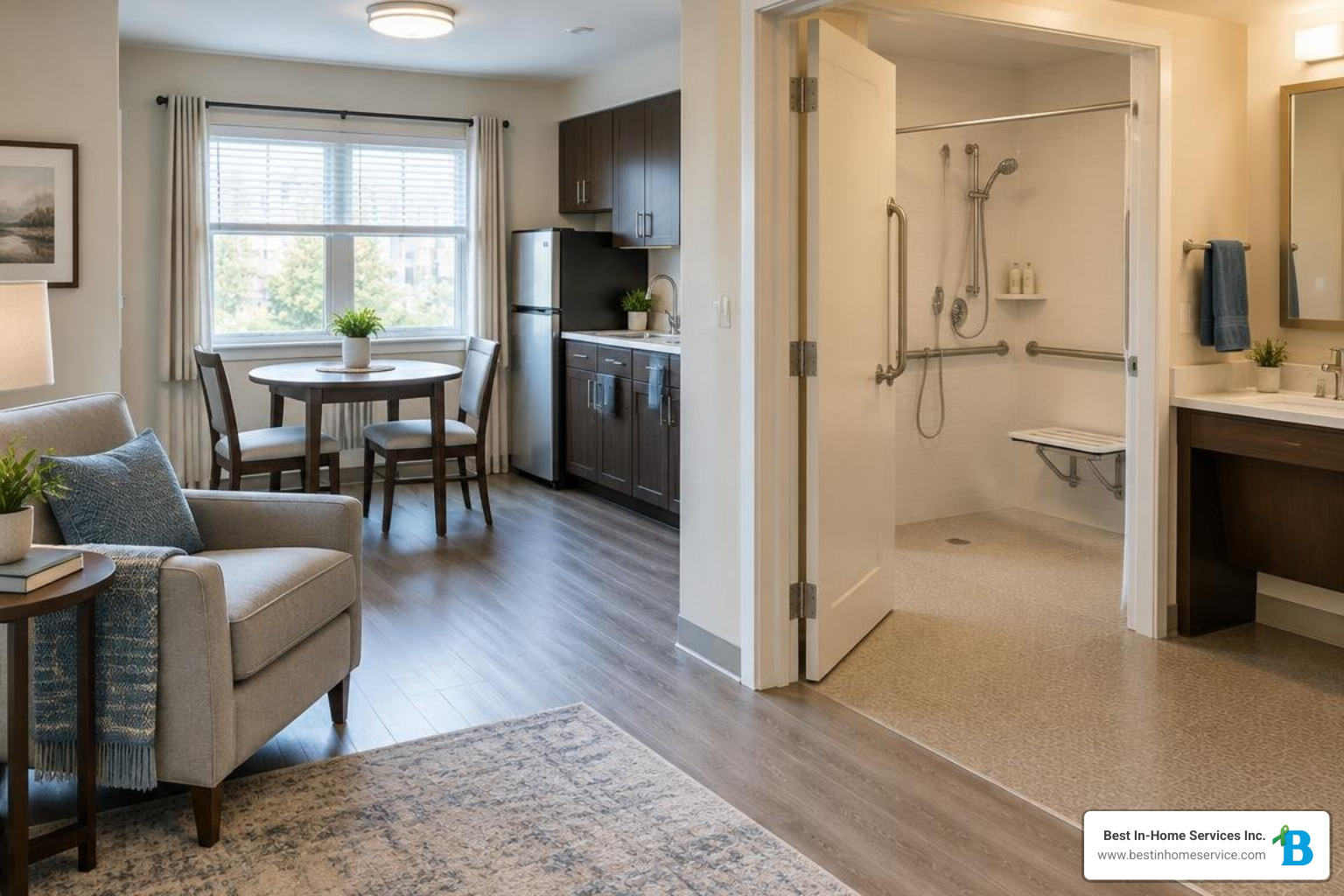
- Bathroom Safety: Installing grab bars near the toilet and inside the shower, alongside utilizing a raised toilet seat or a sturdy shower chair, prevents dangerous slips.
- Kitchen Adaptations: Keeping frequently used items on counter-height shelves, using ergonomic jar openers, and switching to lightweight, thick-handled utensils minimizes hand and wrist strain.
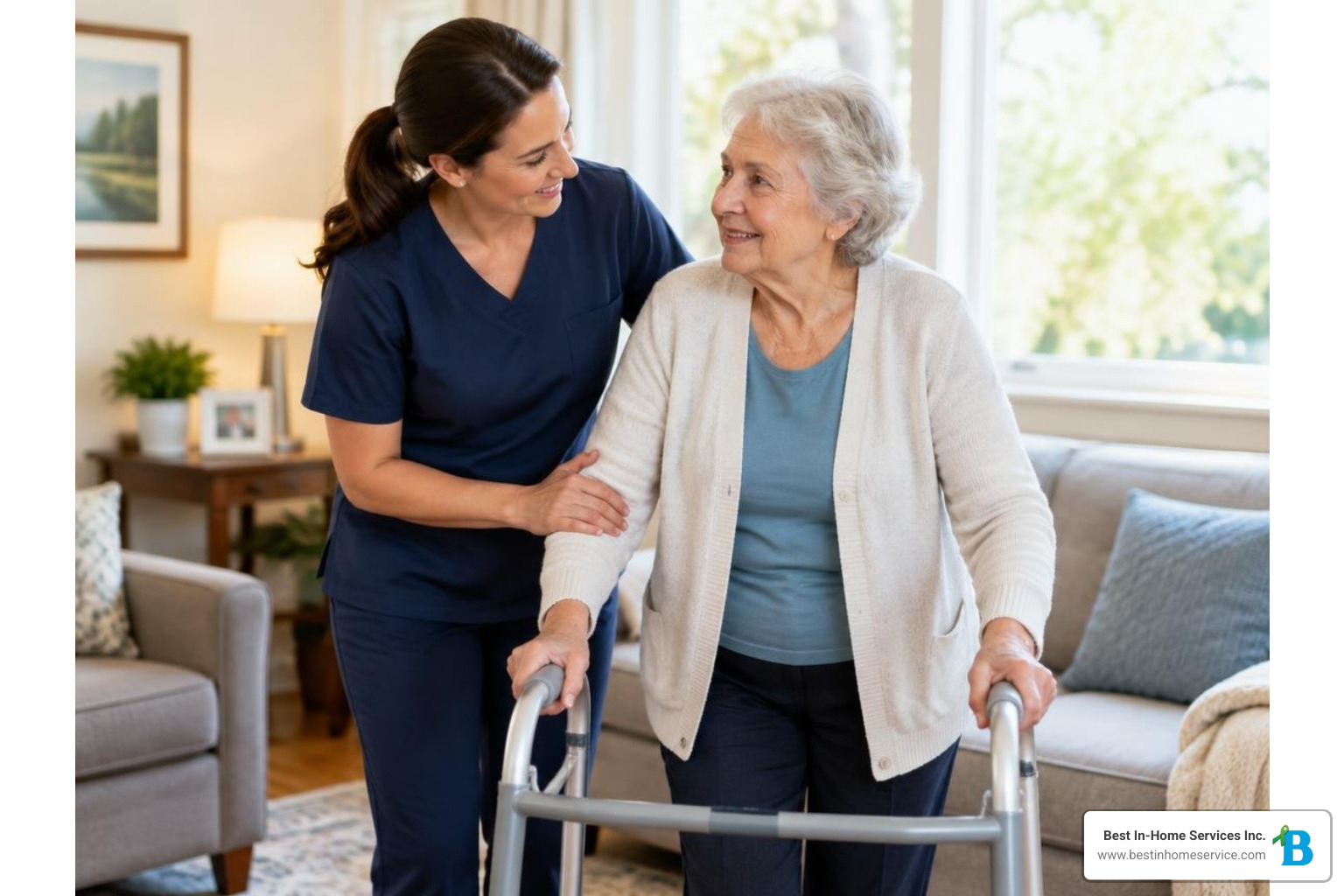
- Mobility Aids: Using properly fitted canes, walkers, or custom orthotics helps redistribute body weight away from painful knee or hip joints.
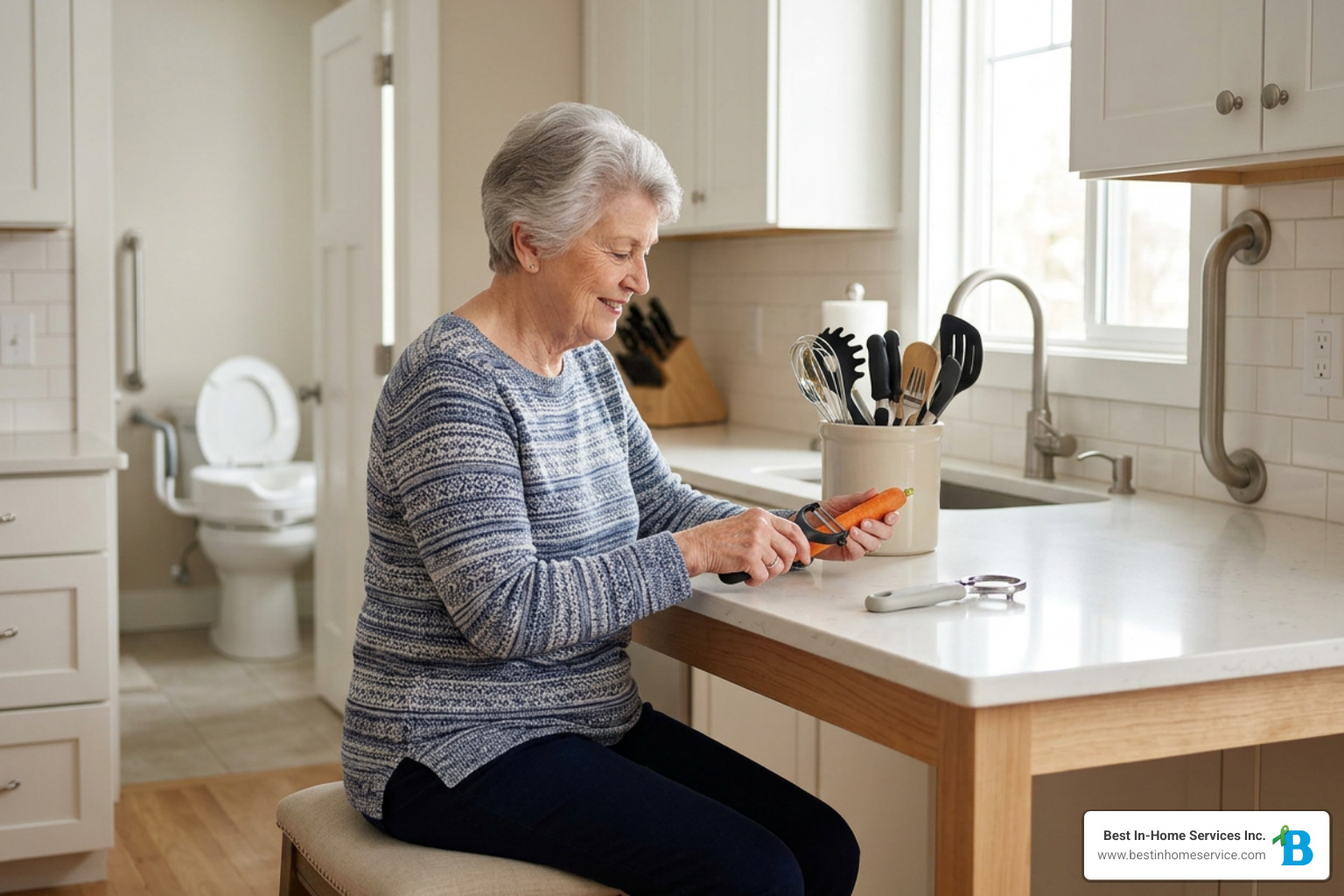
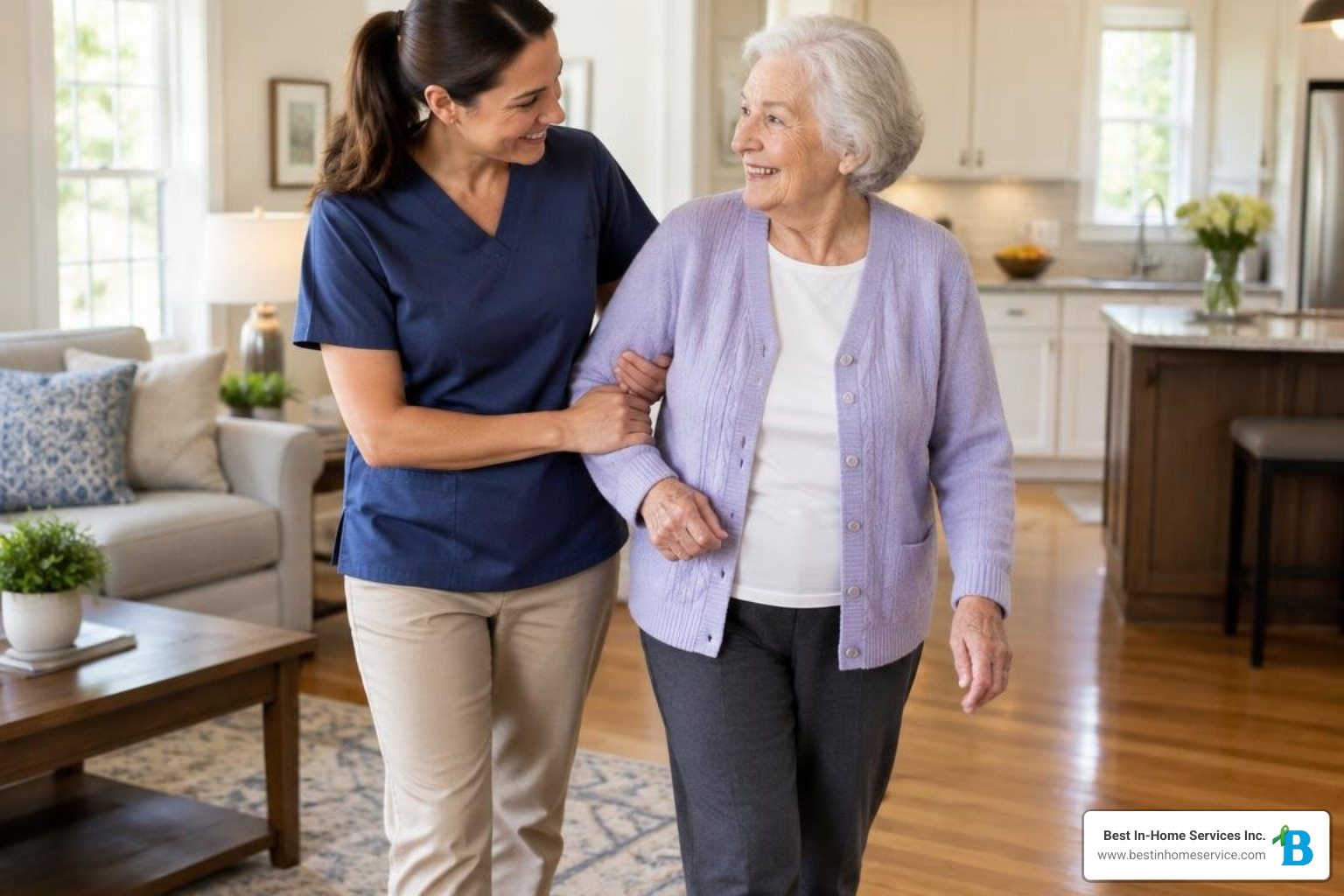
At Best In-Home Services Inc., our certified caregivers regularly assist seniors across Cook, Lake, and DuPage counties with these daily adjustments, ensuring their homes remain safe, comfortable, and highly functional.
Addressing Fall Prevention and Social Isolation
In older adults, falls are associated with an increased risk of fracture, disability, and mortality. Because arthritis causes joint instability, pain, and muscle weakness, seniors living with this condition face a significantly higher risk of falling.
Furthermore, the chronic pain and fatigue associated with arthritis can limit a senior’s “life-space mobility”—how far and how often they interact with the world outside their home. When physical movement becomes painful, seniors may begin to self-isolate, leading to loneliness (often measured clinically using the UCLA Loneliness Scale). Social isolation is not just a mental health concern; it has been shown to negatively impact physical health and medication adherence.
To support older adults in maintaining their safety and independence at home, programs like the Illinois Community Care Program offer valuable resources and community-based services. Locally, organizations such as ElderCARE Lake County and the DuPage County Community Services provide vital transportation and support networks to keep seniors connected and active.
Fall Prevention Strategies for Seniors with Arthritis
- Remove Tripping Hazards: Clear away loose throw rugs, clutter, and exposed electrical cords from all walking pathways.
- Improve Lighting: Install bright, motion-activated nightlights in hallways, bathrooms, and bedrooms.
- Wear Supportive Footwear: Ensure seniors wear sturdy, flat, closed-toe shoes with non-slip soles both indoors and outdoors.
- Reframe the Conversation: Encourage seniors to report unsteadiness by focusing on “safe mobility” and maintaining independence rather than focusing on the fear of falling.
The Don’ts of Managing Senior Joint Pain: Medications and Risks
While managing arthritis pain is crucial, certain common treatments carry significant, hidden risks for older adults.
Don’t: Rely Heavily on Oral NSAIDs
Over-the-counter oral Non-Steroidal Anti-Inflammatory Drugs (NSAIDs) like ibuprofen or naproxen should be used with extreme caution. In seniors, daily oral NSAID use significantly increases the risk of gastrointestinal bleeding, kidney impairment, and adverse cardiovascular events. Instead, first-line topical NSAIDs (like diclofenac sodium gel) should be applied directly to the painful joint to minimize systemic absorption.
Don’t: Exceed Acetaminophen Limits
Acetaminophen (Tylenol) is a common alternative for pain relief, but older adults must never exceed 3,000 mg per day to prevent severe liver toxicity.
Don’t: Overuse Corticosteroid Injections
While joint injections can offer rapid, temporary relief from intense flares, they must be limited to 3 or 4 times per year per joint. Overusing steroid injections can actually accelerate cartilage damage and weaken local tissues over time.
Don’t: Ignore Polypharmacy and Self-Prescribing
Seniors often take multiple medications for various chronic conditions. Self-prescribing or mixing over-the-counter pain relievers without consulting a physician can lead to dangerous drug-drug interactions. For example, some seniors prescribed gabapentin for nerve pain experience extreme drowsiness, which drastically increases their fall risk when paired with other sedating medications.
Geriatric Principles and Medication Safety
Modern geriatric medicine approaches arthritis care for seniors holistically, moving beyond simply treating joint symptoms to evaluating the whole person.
Clinicians utilize the Geriatrics 5Ms framework to guide comprehensive care:
- Mind: Assessing how chronic pain and medications impact cognition, mood, and sleep.
- Mobility: Evaluating walking safety, balance, and physical function.
- Medications: Managing polypharmacy, reducing high-risk drugs, and monitoring side effects.
- Multicomplexity: Understanding how arthritis interacts with other chronic conditions like heart disease or diabetes.
- What Matters Most: Aligning all medical treatments with the senior’s personal lifestyle goals and preferences.
To screen for fall risks during routine care, providers use the STEADI framework (Stopping Elderly Accidents, Deaths & Injuries), which relies on three simple screening questions:
- Do you feel unsteady when standing or walking?
- Do you worry about falling?
- Have you fallen in the past year?
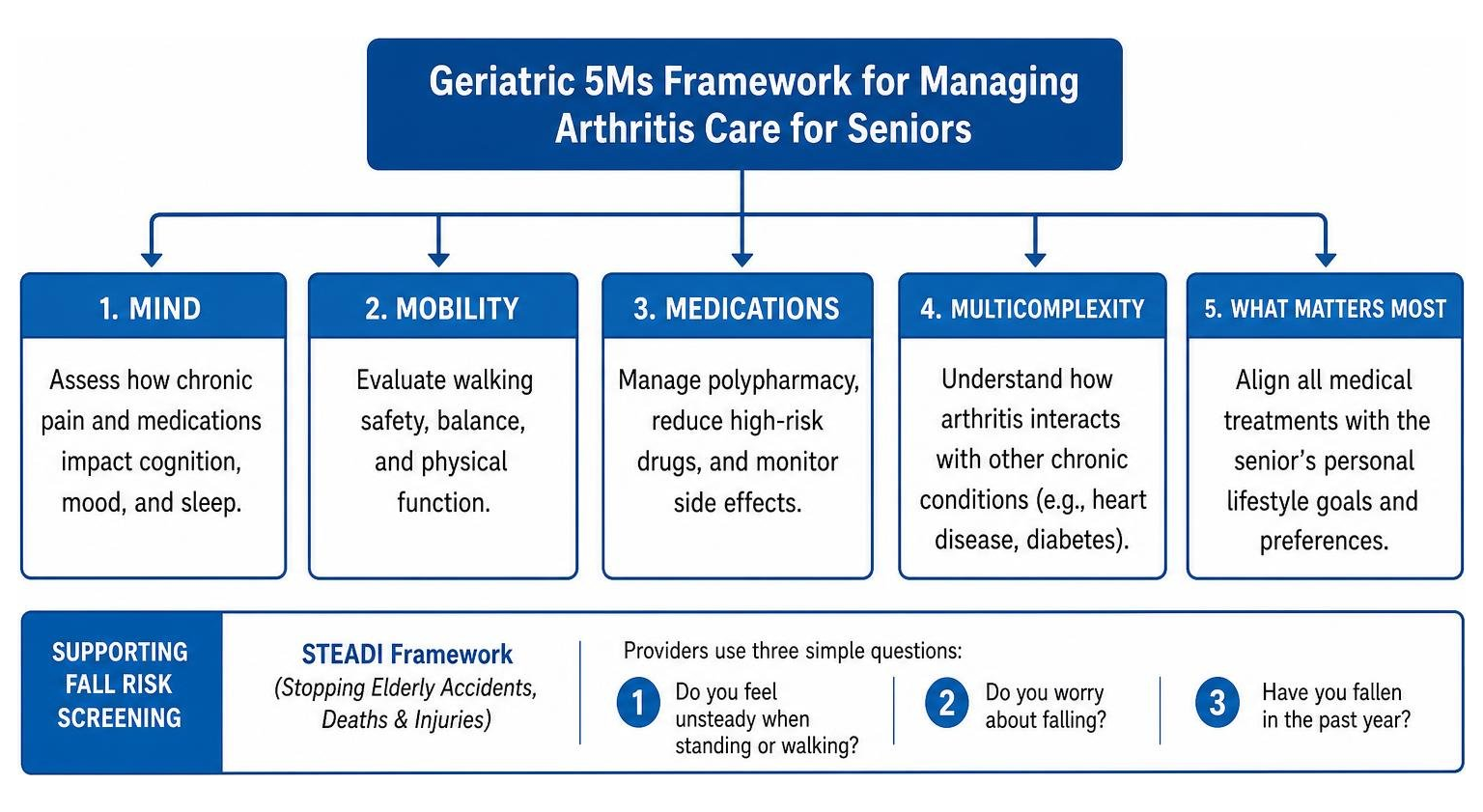
Regular medication reviews and close monitoring are vital. For the latest, evidence-based clinical standards, families can consult the AGS 2024 Rheumatologic Care Guidelines.
When to Consider Surgical Options
When non-medication strategies and conservative medical treatments no longer manage pain or preserve basic mobility, surgical options may be considered.
- Joint Replacement (Arthroplasty): Total knee or hip replacements are highly successful procedures, with over 90% of patients reporting a dramatic reduction in pain and a significant restoration of daily function.
- Joint Fusion: Often reserved for smaller, severely damaged joints (like in the wrists or ankles), this procedure fuses the bones together to eliminate painful movement.
- Tendon Repair: In inflammatory conditions like RA, surgery may be needed to repair tendons that have been damaged or ruptured by chronic joint inflammation.
Post-surgery rehabilitation is a critical phase of recovery. Depending on the senior’s health, this may involve a short-term stay at a skilled nursing facility or transitioning directly back home with intensive, personalized in-home physical therapy and caregiving support.
Frequently Asked Questions about Senior Arthritis
What is the fastest way to relieve arthritis pain?
While there is no instant cure, the fastest ways to ease an acute flare-up include applying topical NSAID gels (like diclofenac), performing gentle range-of-motion stretching to reduce joint stiffness, and using heat therapy (like a warm compress) to relax surrounding muscles.
Do certain types of weather make arthritis worse?
Yes. Many seniors find that cold, damp weather or sudden changes in barometric pressure (which often precede rain or snow) cause their joints to feel stiffer and more painful. This discomfort can be compounded by decreased physical activity during cold winter months.
Is arthritis an inevitable part of normal aging?
Not exactly. While joint cartilage naturally undergoes changes as we age, symptomatic, painful arthritis is not an inevitable part of growing older. It is heavily influenced by genetics, history of joint injuries, lifestyle, and weight management.
Conclusion
Managing arthritis care for seniors requires a compassionate, well-rounded approach that balances safe movement, physical safety, and proper medical oversight. At Best In-Home Services Inc., we are dedicated to helping older adults across Chicago, Downers Grove, Winnetka, Schaumburg, and the surrounding Illinois communities live active, dignified, and pain-managed lives in the comfort of their own homes.
Our certified caregivers provide 24/7 support and custom care tailored to each individual’s unique mobility and wellness goals—from assisting with daily stretches and preparing nutritious, anti-inflammatory meals to managing medication schedules and preventing falls. To learn more about how we can support your loved one, explore More info about in-home care services.



 1-224-636-5200
 1-224-636-5210
  425 Huehl Rd 13B Northbrook IL 60062