
How to Find Personal Care Aide Agencies Near You
Start with agencies that serve your address. Then verify their Illinois license and ask how they screen caregivers, cover missed visits, and build a care plan. Get a written estimate based on the help and schedule your family needs, and check which payment options the agency accepts.
If bathing, meals, or staying safe at home are becoming harder, a personal care aide can help with daily tasks. This is supportive non-medical care focused on everyday assistance. Many families searching for personal care aide agencies near me simply want a licensed, local provider who can start supporting a parent or spouse within the same week.
At Best In-Home Services Inc., a Northbrook-based non-medical home care provider serving Illinois families, care coordinators help arrange daily support and dementia care around family needs.
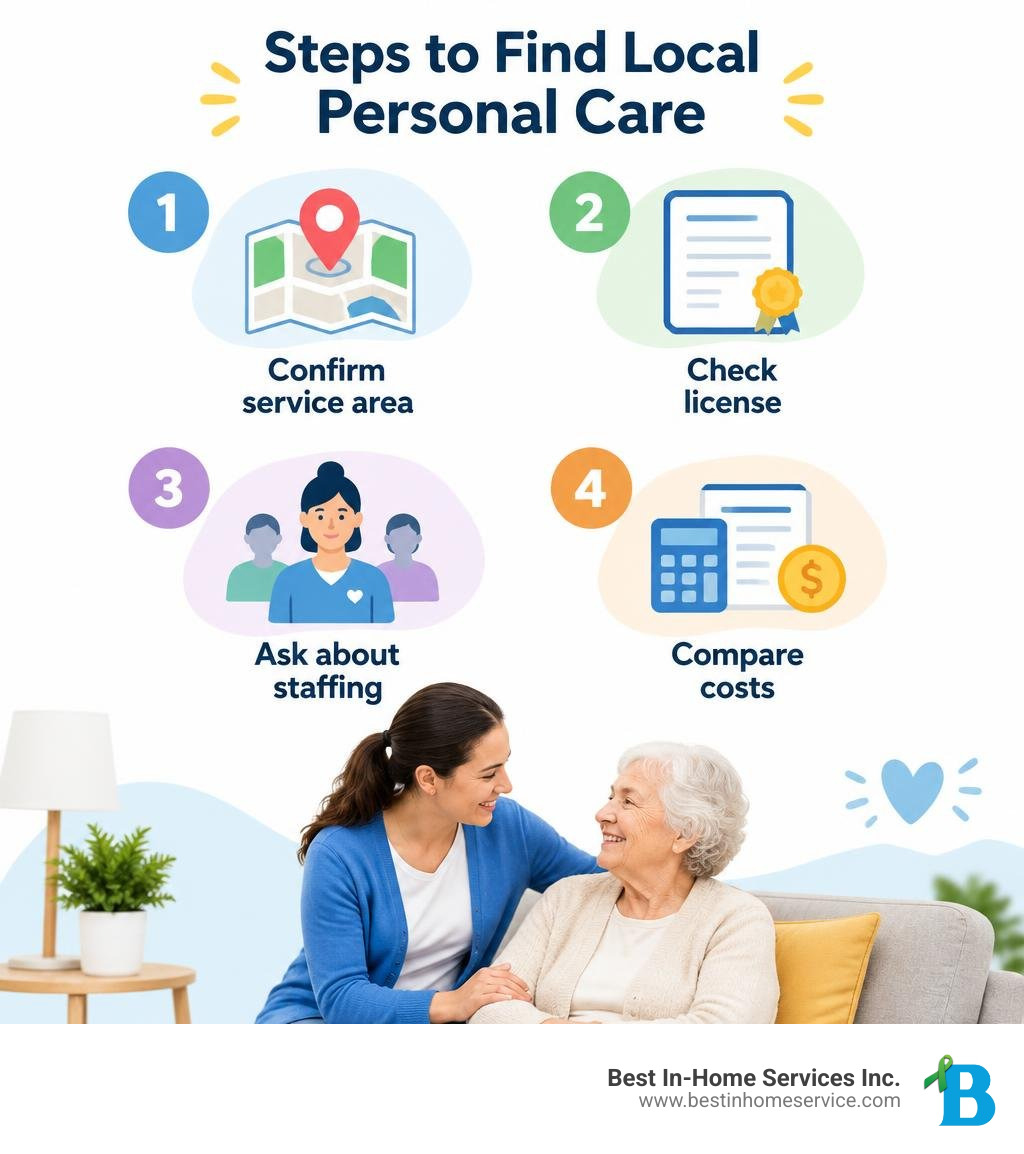
More about personal care agencies:
Understanding Non-Medical In-Home Personal Care
Caring for an aging parent or relative is rewarding, but it often brings unexpected complexity. Many families find themselves trying to distinguish between clinical medical services and day-to-day custodial assistance. Understanding these differences ensures your loved one receives the exact level of support they need to remain safely in familiar surroundings.
Non-medical in-home care centers on helping individuals complete Activities of Daily Living (ADLs) and Instrumental Activities of Daily Living (IADLs). ADLs involve essential self-care routines such as bathing, dressing, grooming, eating, and transferring safely between a bed and a chair. IADLs encompass broader tasks that keep a household running, including grocery shopping, preparing nutritious meals, managing laundry, and providing reliable medication reminders.
It is crucial to recognize that personal care aides provide supportive, non-clinical care rather than clinical medical treatments. Traditional Medicare Part A and Part B programs generally do not cover standalone, long-term personal care or custodial support when clinical treatment is not required. When the primary goal is ongoing assistance with daily routines, non-medical Personal Care Services bridge the gap, allowing seniors across Chicago, Evanston, and Skokie to age comfortably at home.
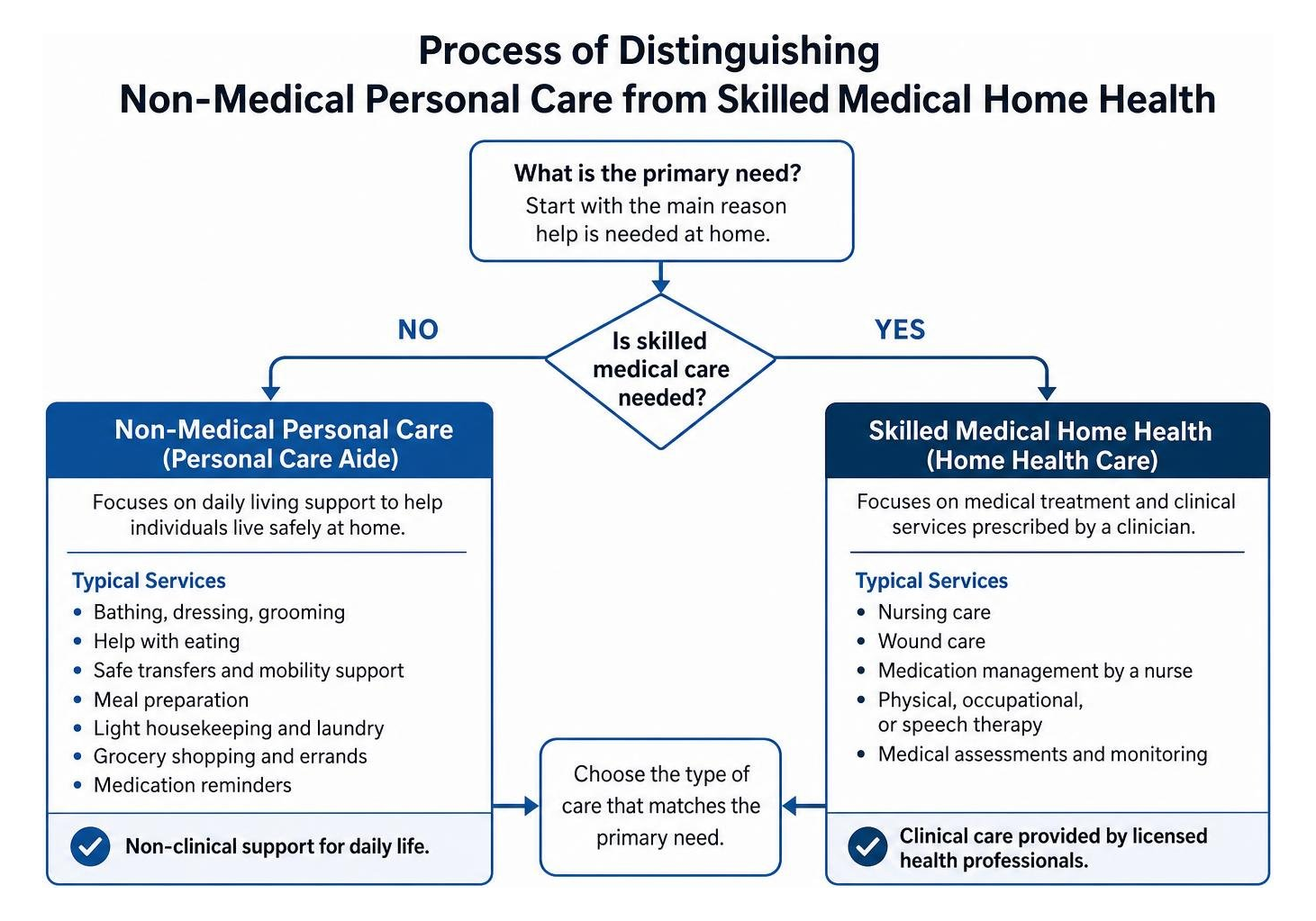
What Services Do Personal Care Aides Provide?
Personal care aides perform a wide range of essential, hands-on tasks tailored to the unique physical and cognitive capabilities of each client. Because every household faces distinct routines, care plans are adapted to provide help precisely where it is most beneficial.
Standard services provided by professional aides include:
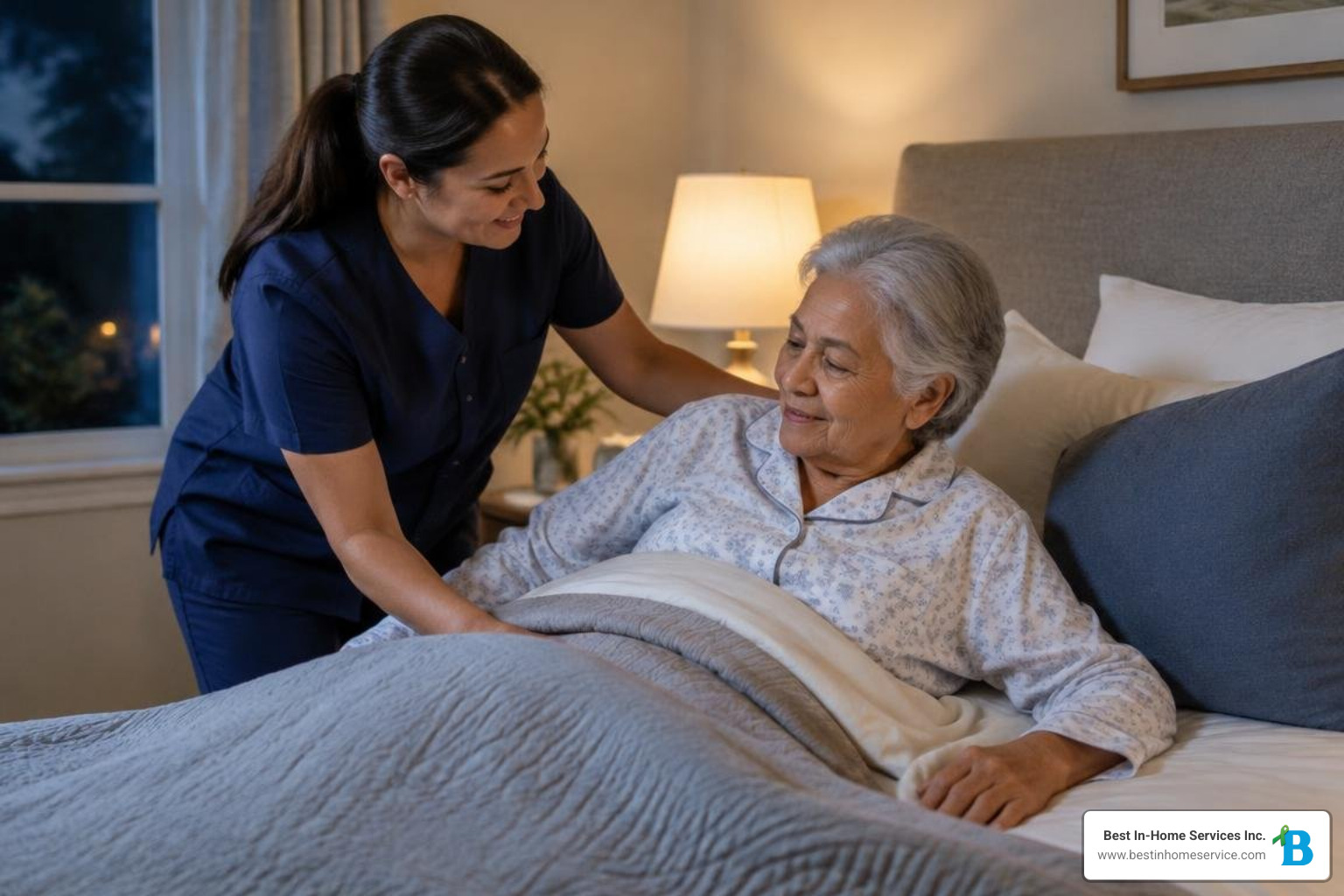
- Bathing and Personal Hygiene: Respectful assistance with showering, sponge baths, oral hygiene, and hair care.
- Dressing and Grooming: Helping clients select appropriate clothing, manage buttons and zippers, and maintain daily grooming routines.
- Mobility and Transfer Support: Providing steady hands for walking, standing, sitting, and navigating hallways safely.
- Nutritious Meal Preparation: Planning, cooking, and serving balanced meals aligned with dietary preferences and restrictions.
- Medication Reminders: Prompting seniors to take prescribed medications at scheduled times.
- Light Housekeeping and Laundry: Washing dishes, taking out trash, changing bed linens, and keeping walkways clear.
- Companionship and Social Engagement: Offering friendly conversation, participating in hobbies, and accompanying clients on neighborhood walks.
- Specialized Memory Support: Delivering structured routines and gentle redirection through dedicated Alzheimer’s Care for individuals experiencing cognitive decline.
These services do not just address physical needs – they also restore a sense of regular rhythm to daily life, offering engagement without taking away a senior’s personal choices.
Recognizing When It Is Time to Hire a Paid Caregiver
Family caregivers often take on responsibilities gradually, starting with picking up a few groceries and eventually managing around-the-clock physical assistance. Over time, balancing work, family, and caregiving can lead to severe fatigue and emotional strain. Research indicates that approximately one-third of family caregivers utilize paid help to maintain balance in their lives.
Recognizing the signs that extra support is needed can prevent emergency situations. Families should look out for:
- Changes in Physical Health or Mobility: Frequent tripping, near-falls, balance instability, or noticeable difficulty getting up from chairs.
- Hygiene and Self-Care Decline: Infrequent bathing, wearing unwashed clothes, or unkempt hair.
- Weight Loss and Poor Nutrition: An empty refrigerator, spoiled food left on shelves, or missed meals.
- Memory Lapses and Cognitive Changes: Forgetting familiar recipes, misplacing essential items, or wandering.
- Caregiver Burnout: Family members feeling overwhelmed, chronically fatigued, anxious, or unable to keep up with their own careers and wellness.
Consulting a Comprehensive Guide to Reliable Elder Care can help families evaluate these indicators objectively and take practical steps before safety is compromised.
How to Evaluate and Choose Personal Care Aide Agencies Near Me

Finding dependable in-home assistance begins with thorough research and evaluating local agencies. With numerous providers operating across Cook, Lake, and DuPage counties, narrowing your choices requires checking state licensing, employee screening processes, and care coordination models.
A reputable agency operates transparently. In Illinois, home services agencies must hold a valid license issued by the Illinois Department of Public Health (IDPH). Licensing ensures the agency adheres to state-mandated standards for caregiver training, criminal background checks, and administrative oversight. When researching The Best Home Care Agencies in Chicago, make sure to confirm that the organization is properly bonded, insured, and focused on maintaining rigorous quality controls. Following proven strategies on How to Pick the Best In-Home Care Providers Without Losing Your Mind will help streamline your interviews and keep your family organized.
Why Staffing Structure and Insurance Coverage Matter
When comparing agencies, it helps to understand how a provider structures its workforce and what protections are in place behind the scenes. These details are not always obvious during an initial phone call, but they directly affect reliability and your family’s financial exposure.
- Payroll and Tax Compliance: A properly structured agency handles all payroll, tax withholdings, and administrative documentation for its caregivers, so your family never takes on employer responsibilities.
- Insurance and Liability: Licensed agencies maintain comprehensive workers’ compensation and general liability insurance, which protects your household if a caregiver is injured while assisting with transfers or mobility.
- Background Screening: Professional agencies perform exhaustive criminal background checks, reference verifications, and identity checks before placing staff in a client’s home.
- Backup and Continuity of Care: A well-staffed agency maintains a deep bench of trained caregivers, so a scheduling conflict or illness does not leave your family without coverage.
Taking the time to evaluate Finding the Perfect Match Among Professional Caregivers for Seniors ensures that the care environment remains secure, compliant, and dependable for everyone involved.
Key Questions to Ask Personal Care Aide Agencies Near Me
Before signing a service agreement, schedule an intake conversation with the agency coordinator. Asking targeted questions helps clarify how the agency handles day-to-day operations and unexpected schedule changes.
Consider asking these essential questions:
- Are your caregivers direct W-2 employees, fully insured, and covered by workers’ compensation?
- What specific background checks and training programs are completed prior to assignment?
- How do you create and update Individual Services plans as a client’s needs evolve?
- What protocol is in place if a primary caregiver calls in sick or has an emergency?
- Do you require a minimum shift length, such as a 3-hour visit minimum?
- How do supervisors oversee and monitor the quality of care provided in the home?
Navigating Costs, Medicaid, and Payment Options

Understanding how in-home care is funded allows families to build a sustainable care plan without facing unexpected expenses. Because personal care aide services are non-medical, payment arrangements differ significantly from standard clinical billing.
Families typically utilize one or a combination of the following funding sources:
- Private Pay (Out-of-Pocket): Many families fund care directly using personal savings, retirement funds, or family contributions.
- Long-Term Care Insurance: Comprehensive long-term care policies often cover non-medical personal care once policy benefit triggers (such as needing help with two or more ADLs) are certified.
- Veterans Benefits: Eligible veterans and surviving spouses may qualify for the VA Aid and Attendance pension benefit, which helps offset in-home care costs.
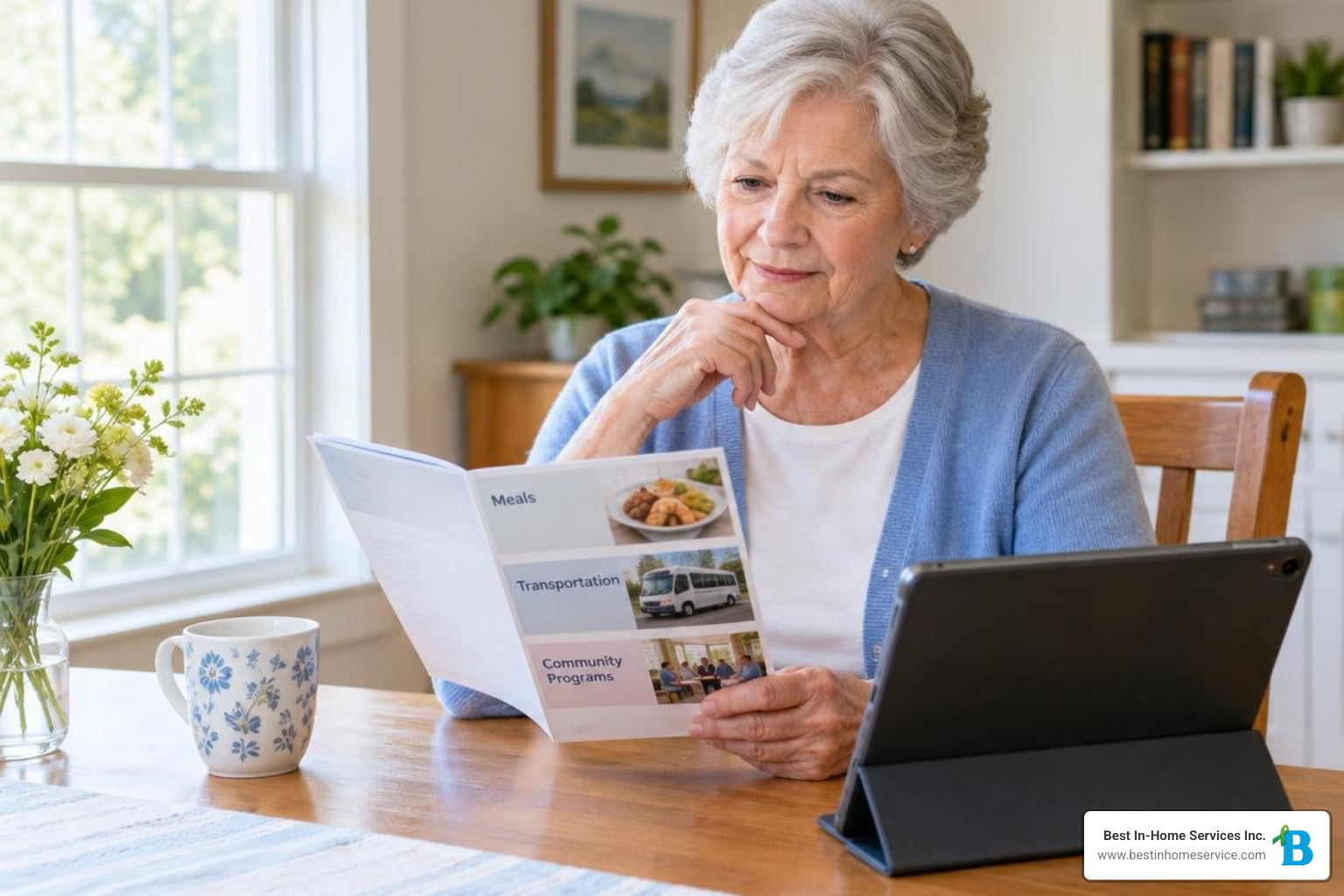
- State and Community Programs: In Illinois, government-supported programs provide funded home care services for eligible seniors who meet specific income and functional criteria.
Reviewing available programs through the In-Home Care – Illinois Department on Aging resource and exploring various Home Services options can help you identify practical funding avenues.
Qualifying for Medicaid and State-Supported Home Care
For seniors with limited income and assets, Illinois offers publicly funded options designed to support aging in place comfortably at home.
The Illinois Department on Aging operates the Community Care Program (CCP), which assists seniors aged 60 and older who meet specific asset guidelines and demonstrate a clear need for personal care support via a standardized Determination of Need (DON) assessment. Similarly, the Illinois Department of Human Services / Division of Rehabilitation Services administers the Home Services Program (HSP) for individuals with disabilities. Under these programs, care coordinators perform functional assessments to determine eligible hours, allowing qualified participants to receive essential home care support at little to no out-of-pocket cost.
Researching Affordable Personal Care Aide Agencies Near Me
Cost is an important consideration when arranging care. In the greater Chicago area – including communities like Glenview, Northbrook, Des Plaines, Schaumburg, and Naperville – the overall cost of in-home care varies based on the level of assistance required, the total scheduled hours per week, whether support involves day, overnight, or weekend shifts, and whether specialized dementia care is needed. Additionally, transportation mileage is typically billed separately when caregivers use their vehicles for errands or appointments.
To keep care affordable and sustainable:
- Establish a Realistic Weekly Schedule: Prioritize caregiver visits during times when assistance is most critical, such as morning bathing routines or evening meal prep.
- Combine Family and Professional Care: Use agency aides for physically demanding tasks while family members handle companionship or check-ins.
- Inquire About Visit Minimums: Understand scheduling rules (such as standard 3-hour minimum shifts) to maximize the value of each visit.
- Explore Respite Options: Taking advantage of planned respite blocks can help prevent family burnout while keeping overall hours manageable.
Reviewing a complete menu of non-medical Services helps you design a balanced plan that matches your family’s budget and schedule.
Frequently Asked Questions About Personal Care Aides
Does Medicare pay for daily personal care aide services?
Traditional Medicare Part A and Part B are designed to cover acute, clinical medical treatments ordered by a physician for a homebound individual. Medicare does not cover ongoing, non-medical custodial care – including standalone assistance with bathing, dressing, meal preparation, or housekeeping – when clinical care is not required.
How quickly can a personal care aide start after an initial assessment?
Service turnaround depends on the agency’s current staffing and the family’s schedule preferences. In most cases, after an initial in-home assessment is conducted to evaluate routines, safety needs, and personality preferences, an agency can match a caregiver and start service within 24 to 48 hours. For urgent transitions, such as an unexpected discharge, expedited matching can often be arranged.
What is the role of a care manager or medical social worker in arranging care?
A care manager or medical social worker evaluates a senior’s overall living situation, coordinates with supportive family members and non-medical agencies, and helps families navigate community resources and public benefit programs. They advocate for the client, develop cohesive long-term support strategies, and assist families in adjusting care routines as physical or cognitive needs change over time.
Conclusion
Securing dependable in-home support for an aging loved one requires thoughtful planning, proper credential verification, and open communication. By partnering with a licensed, structured agency, families ensure their loved ones receive attentive help with daily routines while avoiding the legal and logistical challenges of hiring independently.
At Best In-Home Services Inc. (BIHS), we are an Illinois-licensed home care agency (License #3000758, based in Northbrook, IL) providing dedicated non-medical home care across Cook, Lake, and DuPage counties. We are licensed by the Illinois Department of Public Health, approved by the Illinois Department on Aging under the Community Care Program, and recognized by the Illinois Department of Human Services / Rehabilitation Services for the Home Service Program. Whether your family needs support in Chicago, Evanston, Wilmette, Winnetka, Highland Park, Lake Forest, Buffalo Grove, Schaumburg, or Downers Grove, our team is here to assist.
To learn more about our tailored, non-medical care options or to schedule a free in-home consultation, visit Best In-Home Services or call us directly at 224-636-5200. Our office is located at 425 Huehl Rd, Bldg 13B, Northbrook, IL 60062.





 1-224-636-5200

 1-224-636-5210
 425 Huehl Rd 13B Northbrook IL 60062