
Chinese Food Meal Prep That Makes Weeknight Dinners Easier
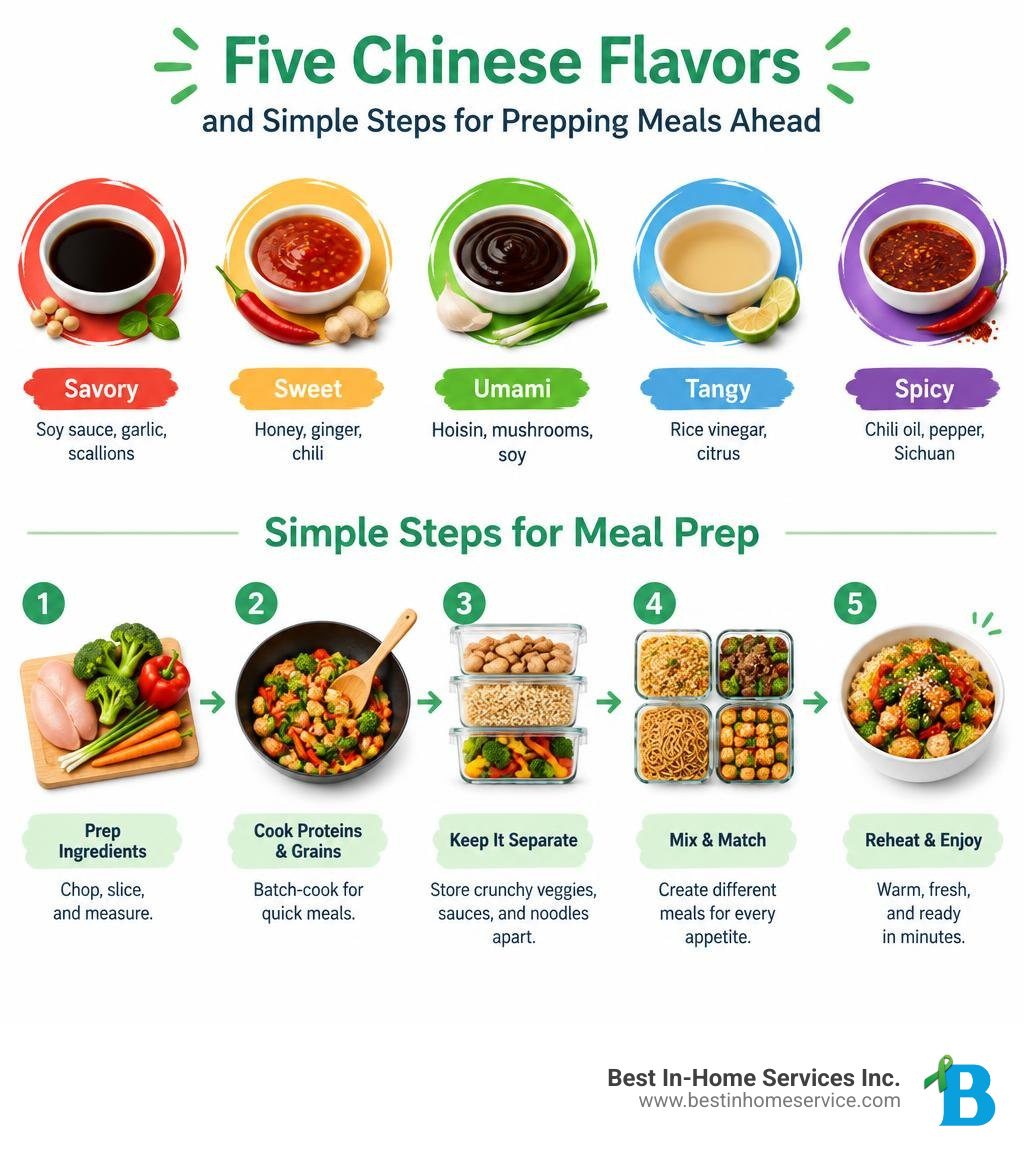
Start with dishes that hold up well: chicken fried rice, beef and broccoli, tofu stir-fry, sesame noodles, dumplings, and beef noodle soup. Batch-cook the proteins and grains, then keep crunchy vegetables, sauces, and soup noodles separate until serving. You can mix and match portions for different appetites without cooking a new dinner each night.
Rice, tofu, and seasonal vegetables can help keep the grocery list affordable. These 12 ideas give you a range of warm and cold meals, plus tips for storing and reheating them.
Lily Harrison, General Manager at Best In-Home Service Inc., a Northbrook-based non-medical home care provider, notes that this guide to chinese food meal prep focuses on make-ahead dinners families can use at home.
12 Best Make-Ahead Chinese Recipes for the Week
Preparing dinners in advance saves hours on busy weeknights and provides complete control over sodium, oil, and portion sizes. The following make-ahead Chinese recipes scale easily for small households or larger families, balancing lean proteins, vibrant vegetables, and satisfying grains.
1. Wok-Tossed Chicken Fried Rice
Fried rice is one of the most reliable batch-cooking recipes because it holds its structure beautifully over several days. The secret lies in using dry, day-old jasmine rice rather than freshly steamed grains. Freshly cooked rice traps excess steam, causing the starch granules to burst and turn gummy in the hot pan.
When making a Chicken Fried Rice Meal Prep, sear diced chicken breast or thighs over high heat, push them to the side of the pan, and scramble your eggs directly in the skillet to create tender curds. Toss in frozen peas and carrots with minced garlic, followed by the chilled rice. Season with a measured blend of light soy sauce, dark soy sauce for deep color, a splash of oyster sauce, Shaoxing wine, and white pepper. Garnish with sliced green onions just before portioning into airtight glass containers.
2. High-Protein Beef and Broccoli Stir-Fry
Tender strips of flank steak paired with crisp-tender broccoli florets deliver classic takeout satisfaction with far less oil and sodium. To achieve restaurant-quality tenderness at home, use the traditional Chinese technique of velveting.
Slice your beef thinly against the grain – placing the steak in the freezer for twenty minutes beforehand makes clean, thin cuts effortless. Marinate the beef with a splash of soy sauce, Shaoxing rice wine, a pinch of baking soda, and cornstarch. Sear the beef quickly in a scorching skillet, blanch your broccoli florets until bright green, and toss everything together in a savory brown sauce made from beef stock, garlic, ginger, and a light cornstarch slurry.
3. Chilled Chinese Sesame Noodles
Cold noodle dishes eliminate the need for microwave reheating, making them ideal for packed work lunches or warm summer evenings. Chinese Cold Sesame Noodles actually improve in flavor after a day in the refrigerator because the noodles slowly absorb the rich, nutty sauce.
Whisk together Chinese toasted sesame paste (or smooth natural peanut butter as a pantry stand-in), light soy sauce, Chinkiang black vinegar, grated garlic, grated ginger, toasted sesame oil, a touch of honey, and chili oil. Boil fresh wheat noodles or spaghetti until al dente, drain, and immediately rinse under cold running water to remove surface starch. Toss the noodles lightly in toasted sesame oil, then pack with the dressing and freshly julienned Persian cucumbers.
4. Shredded Chicken Noodle Salad (Ji Si Liang Mian)
This refreshing Sichuan classic combines tender shredded poultry with crisp vegetables and a pungent, nutty dressing. Preparing a traditional Chinese Chicken Noodle Salad (鸡丝凉面) is a great way to repurpose leftover roasted chicken or gently poached chicken breast.
Toss boiled wheat noodles with shredded chicken, blanched bean sprouts, and sliced cucumber ribbons. The dressing relies on Chinkiang black vinegar, roasted sesame paste, minced garlic, soy sauce, and aromatic chili crisp. Keep the dressing in small condiment cups and drizzle it over the cold noodle bowls right before eating to preserve the crisp texture of the fresh vegetables.
5. Garlic Asian Chicken with Tender Green Beans
If you want a vibrant, balanced bowl ready in under thirty minutes, this combination delivers exceptional flavor and texture. Green beans hold their structural crunch during refrigeration far better than tender greens like spinach or zucchini.
Following a straightforward Asian Chicken Meal Prep With Green Beans, brown bite-sized chicken breast pieces with fragrant minced garlic and fresh ginger. Stir-fry fresh green beans until tender-crisp, then toss everything in a balanced pan glaze made with low-sodium soy sauce, chicken broth, honey, and sesame oil. Divide into containers alongside steamed jasmine or brown rice for a complete lunch or dinner.
6. Freezer-Friendly Pork and Chive Dumplings
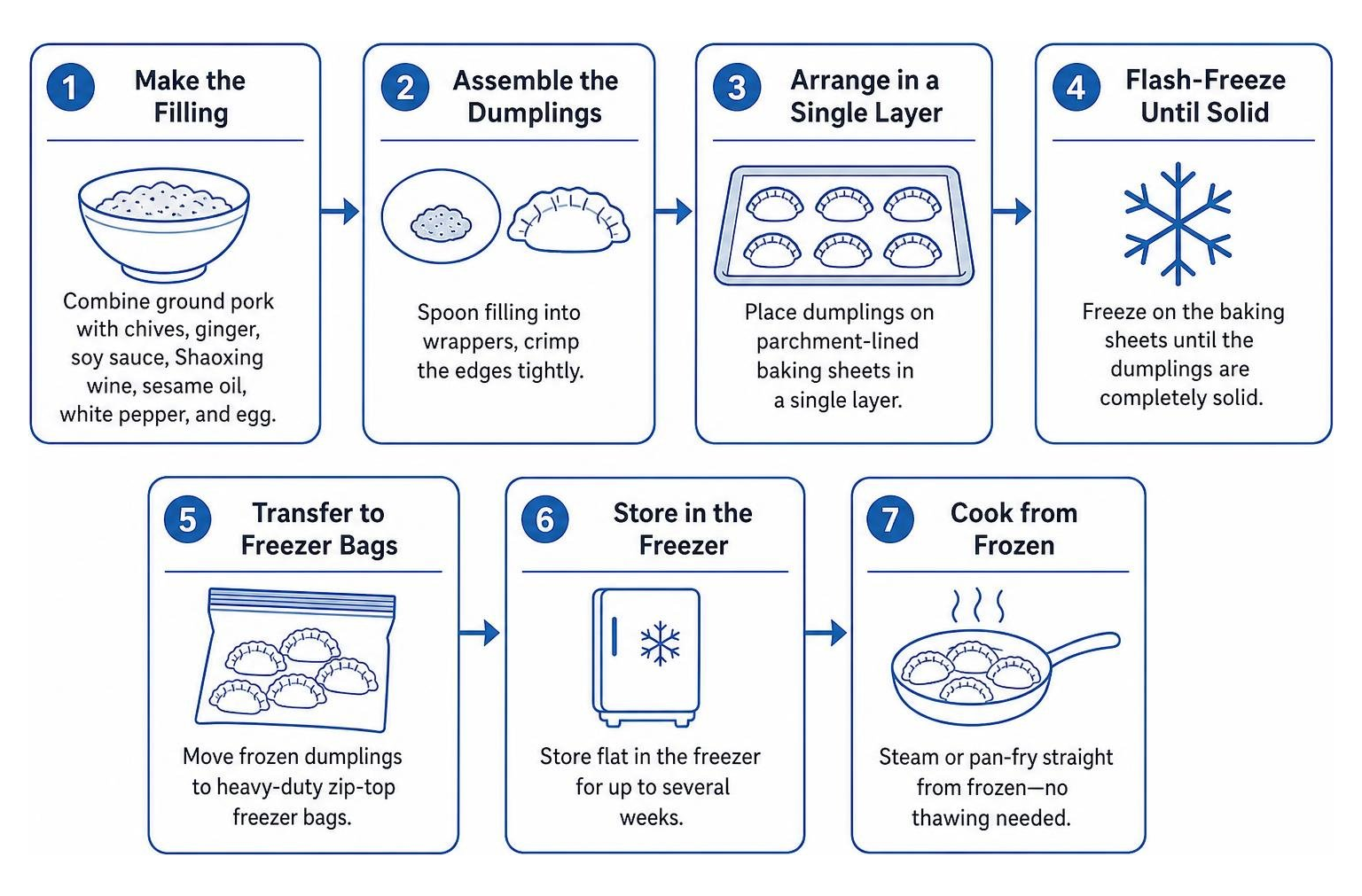
Making homemade dumplings (jiaozi) is the ultimate batch-cooking project. You can fold fifty to one hundred dumplings in an hour, flash-freeze them, and cook exactly what you need in less than ten minutes throughout the month.
Combine ground pork with finely chopped Chinese garlic chives, minced ginger, light soy sauce, Shaoxing wine, toasted sesame oil, white pepper, and an egg to bind the filling. Spoon portions into round wrappers, crimp the edges tightly, and arrange them in a single layer on parchment-lined baking sheets. Freeze until solid, then transfer the frozen dumplings to heavy-duty zip-top freezer bags. Steam or pan-fry them straight from frozen without thawing.
7. Slow-Simmered Hong Shao Rou (Red-Braised Pork Belly)
Red-braised pork belly is a cornerstone of Jiangnan and Hunan home cooking. Because it is a braised dish with deep aromatics, it tastes even better on days two, three, and four after the flavors meld in the refrigerator.
Blanch cubed pork belly in boiling water with ginger and scallions to remove impurities. In a heavy Dutch oven, melt rock sugar in a small amount of oil over low heat until it turns a light amber caramel. Brown the pork in the caramel, then add Shaoxing wine, light soy sauce, dark soy sauce, star anise, a cinnamon stick, ginger slices, and water. Simmer gently for sixty to ninety minutes until meltingly tender and glossy. Portion with steamed bok choy and brown or white rice.
8. High-Protein Tofu and Edamame Stir-Fry
For a satisfying plant-based prep that packs substantial protein and dietary fiber, combine pressed extra-firm tofu with shelled edamame beans and colorful bell peppers.
Cut pressed tofu into half-inch cubes and bake or pan-sear until golden and crisp on all sides. Stir-fry sweet bell peppers, red onions, and edamame with minced garlic. Combine everything in a light, savory garlic-soy sauce thickened with arrowroot or cornstarch. This dish reheats evenly without turning soggy, retaining its fresh bite for up to four days in the refrigerator.
9. Classic Mapo Tofu with Minced Pork
Sichuan Mapo Tofu delivers an invigorating balance of heat and numbing spice (mala) that enlivens weeknight meals. The soft, pillowy texture of the tofu pairs perfectly with steamed white rice, and the sauce stays glossy upon reheating.
Brown a small amount of minced pork or lean ground beef with minced ginger, garlic, and fermented spicy broad bean paste (doubanjiang). Add chicken stock, gently slide in cubed medium-firm or silken tofu, and simmer for five minutes to let the tofu absorb the seasoning. Thicken the broth with a cornstarch slurry, finish with freshly ground Sichuan peppercorn powder, and top with chopped scallions.
10. Cantonese Steamed Chicken with Shiitake and Pumpkin
Steaming is one of the cleanest, most nutrient-dense Chinese cooking methods. It requires virtually no cooking oil while keeping meats exceptionally juicy.
As showcased in healthy approaches like The Only Meal Prep That Actually Tastes Fresh, you can assemble raw, marinated bone-in chicken thighs, rehydrated dried shiitake mushrooms, and sliced kabocha pumpkin directly into heatproof containers. Marinate the chicken with ginger, light soy sauce, oyster sauce, Shaoxing wine, and a touch of cornstarch. Freeze or refrigerate the assembled portions raw, then steam them in a bamboo steamer or countertop appliance for twenty minutes right before dinner.
11. Quick Lean Beef and Pepper Stir-Fry
Crisp sweet bell peppers and tender sirloin strips create a balanced stir-fry that cooks in under ten minutes per batch. Using a dedicated Stir Fry Meal Prep method allows you to velvet and pre-cook lean beef portions, freeze them individually, and toss them with fresh vegetables whenever dinner is needed.
Sear velveted sirloin strips in a smoking-hot skillet, remove them, and quickly blister sliced green and red bell peppers with sweet yellow onions. Return the beef to the pan with a master brown stir-fry sauce and toss vigorously for one minute until glossy. Pack alongside steamed quinoa or Jasmine rice.
12. Batch-Cooked Taiwanese Beef Noodle Soup Base
A rich, aromatic beef noodle soup is pure comfort. The key to prepping soup for the week is keeping the solid noodles, raw greens, and spiced broth separate until you sit down to eat.
Simmer beef shank or brisket with charred ginger, scallions, garlic, whole star anise, Sichuan peppercorns, tomato paste, spicy bean paste, and light and dark soy sauce for two hours until the meat is spoon-tender. Strain and portion the broth and meat into freezer-safe glass jars. When ready to serve, boil your noodles and baby bok choy fresh, drop them into a bowl, and ladle the piping-hot broth over the top.
Essential Guide to Chinese Food Meal Prep: Pantry Staples and Techniques
A successful weekly routine relies on having the right pantry foundations and understanding core Cantonese, Sichuan, and Northern Chinese culinary methods.
The Essential Pantry Checklist
Stocking your pantry with authentic, shelf-stable ingredients makes home cooking faster than ordering takeout:
- Light Soy Sauce: Adds clean saltiness and umami without darkening ingredients.
- Dark Soy Sauce: Thicker and less salty, used primarily for deep caramel color in braises and fried rice.
- Shaoxing Rice Wine: Adds depth, balances gamey notes in meats, and forms the aromatic backbone of marinades.
- Chinkiang Black Vinegar: Aged, fruity, and complex, essential for cold noodle dressings and dipping sauces.
- Toasted Sesame Oil: Used as a finishing oil off the heat for aroma.
- Toasted Chinese Sesame Paste: Made from toasted white sesame seeds; deeper and earthier than Western tahini.
- Cornstarch or Potato Starch: Crucial for velveting meats and thickening glossy pan sauces.
- Aromatics: Always keep fresh ginger, garlic, and scallions on hand (the holy trinity of Chinese cooking).
Master Techniques: Velveting and Wok Heat
- Velveting Meat: Marinating thinly sliced chicken or beef with soy sauce, Shaoxing wine, egg white or water, and cornstarch creates a protective barrier. When cooked, the starch locks moisture inside, keeping lean cuts juicy even after reheating.
- Moisture Control for High Heat: When stir-frying vegetables, ensure they are completely dry after washing. Excess surface water drops pan temperatures, causing vegetables to boil and turn limp rather than sear.
| Region | Primary Staples | Flavor Profile | Meal Prep Advantage |
|---|---|---|---|
| Northern Chinese | Wheat noodles, steamed buns, dumplings, garlic | Savory, hearty, vinegar-forward, cumin notes | Dumplings and buns freeze exceptionally well for quick single-serving meals. |
| Southern Chinese | Jasmine rice, rice noodles, seafood, fresh greens | Light, aromatic, umami-rich, ginger-scallion | Steamed dishes and stir-fried rice hold subtle, clean flavors all week. |
Building Flavorful Chinese Food Meal Prep Bowls
To turn individual stir-fries into balanced lunches or dinners, structure each meal container with balanced proportions:
- Lean and Plant Proteins (25–30%): Rotate between velveted chicken breast, lean flank steak, wild shrimp, firm tofu, and edamame.
- Vibrant Vegetables (40–50%): Choose sturdy vegetables that retain their texture, such as broccoli, green beans, snow peas, bell peppers, carrots, and wood ear mushrooms.
- Whole Grains and Complex Carbs (25–30%): Pair dishes with steamed brown rice, black rice, cauliflower rice, soba noodles, or sweet potato glass noodles.
For older adults and busy families looking to establish structured eating habits, balancing lean proteins and nutrient-dense produce supports long-term vitality. You can read more about the importance of nutrition and meal planning in senior care to see how thoughtful prep benefits overall health.
Shelf Life and Reheating for Chinese Food Meal Prep
Proper storage prevents food waste and maintains restaurant-quality texture:
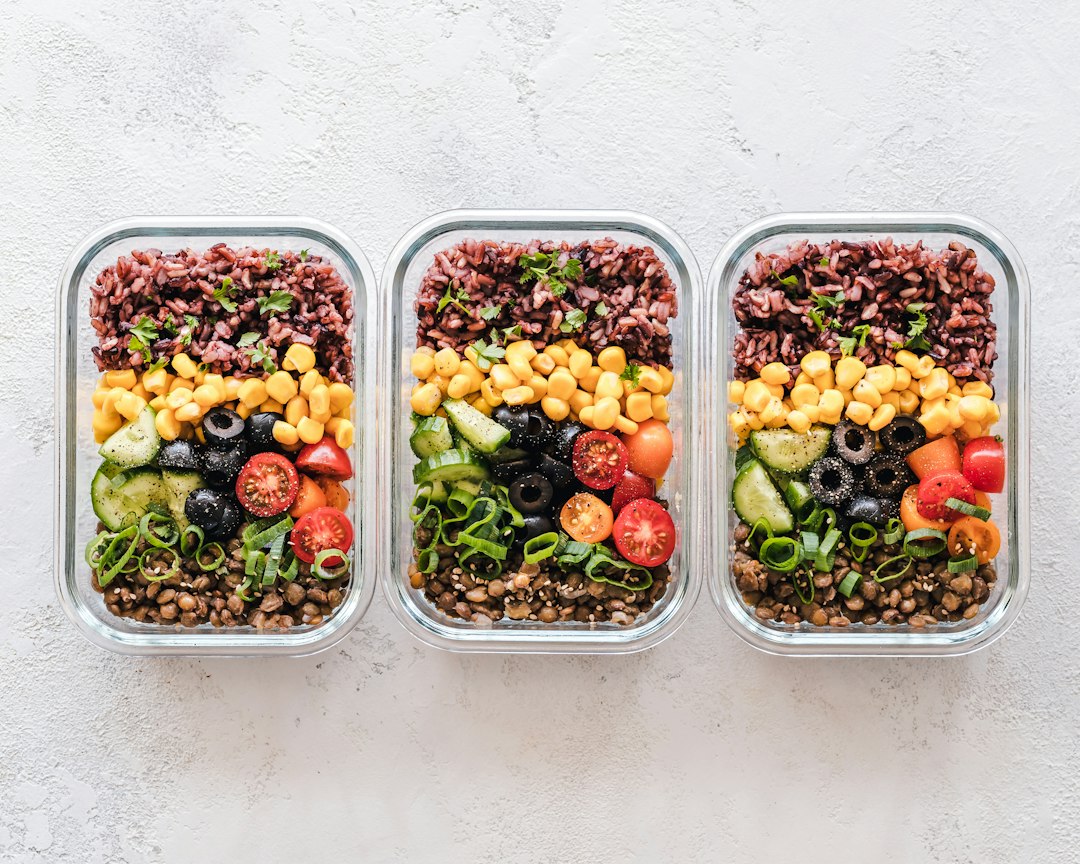
- Refrigeration: Cooked fried rice, braised pork, cold sesame noodles, and chicken stir-fries keep well in airtight glass containers for up to 4 days at 40°F (4°C) or below.
- Freezing: Cooked fried rice and braised meats freeze well for up to 2 months. Raw handmade dumplings and marinated steamed chicken packs keep in the freezer for up to 3 months.
- Microwave Reheating: Sprinkle a teaspoon of water over rice or stir-fries and cover loosely with a damp paper towel before microwaving for 60 to 90 seconds. The steam restores moisture without making sauces gummy.
- Stovetop Reheating: Reheat stir-fries and noodle dishes in a hot skillet with a teaspoon of oil or a splash of broth for two minutes to revive crisp textures.
Common Mistakes to Avoid When Prepping Chinese Food in Advance

- Overcooking Stir-Fry Vegetables: Pull your vegetables off the heat when they are slightly undercooked (tender-crisp). They will continue softening from residual heat and will cook further when reheated.
- Using Warm, Freshly Steamed Rice for Fried Rice: Fresh rice turns mushy in the pan. Always cook rice a day ahead, spread it on a baking sheet to cool, and chill it uncovered in the fridge for an hour to dry out the surface starch.
- Storing Noodles in Hot Soup Broth: Never submerge noodles in broth inside storage containers. The noodles will absorb the liquid, swell, and disintegrate into mush within hours.
- Pouring Cold Sauce Over Cold Ingredients Without Emulsifying: Starch-thickened sauces can separate when chilled. Whisk pan sauces thoroughly or reheat them gently to bring back their glossy consistency.
- Sealing Hot Food in Containers Immediately: Sealing steaming-hot food traps condensation, which drops back onto your crispy meats and vegetables, making them soggy. Let meals cool to room temperature for fifteen minutes before snapping on airtight lids.
Frequently Asked Questions About Chinese Food Meal Prep
How do you prevent Chinese meal prep noodles from getting soggy?
Cook your noodles strictly al dente, usually one to two minutes less than package instructions suggest. Drain immediately and rinse under cold running water to wash away loose starch and stop the cooking process. Toss the drained noodles in half a teaspoon of toasted sesame oil or neutral vegetable oil to keep them from sticking, and store sauces in a separate small container.
Can you freeze cooked Chinese stir-fry dishes?
Stir-fries containing high-water vegetables like zucchini, bean sprouts, or cucumber do not freeze well because ice crystals rupture their cellular walls, making them watery when thawed. However, you can successfully freeze cooked stir-fried meats, fried rice, and hearty braises. Alternatively, freeze raw, velveted meats with sliced carrots and broccoli, then stir-fry them fresh in ten minutes.
How can you make Chinese meal prep lower in sodium and sugar?
Traditional takeout sauces can be high in sodium and added sugars. When cooking at home, swap regular soy sauce for low-sodium soy sauce or coconut aminos. Build flavor using fresh aromatics – generous amounts of minced ginger, garlic, scallions, and white pepper – along with toasted sesame oil and Chinkiang vinegar rather than relying on heavy sugar glazes or excess salt.
Conclusion
Batch-cooking your favorite Chinese dishes brings wholesome, flavorful meals to your kitchen table every day of the week. With a few dependable pantry staples, practical velveting techniques, and smart storage habits, you can enjoy better-than-takeout dinners while saving time and money.
At Best In-Home Service Inc., we understand that maintaining healthy, home-cooked routines can sometimes become challenging for busy families and aging loved ones. As an Illinois-licensed non-medical home care agency based in Northbrook, IL (License #3000758), we provide dedicated in-home support – including grocery shopping, meal preparation, companion care, light housekeeping, and personal care assistance.
Our caregivers assist seniors and families throughout Cook, Lake, and DuPage counties, including communities like Chicago, Evanston, Skokie, Wilmette, Winnetka, Northbrook, Glenview, Schaumburg, Highland Park, Lake Forest, Buffalo Grove, and Naperville. We operate in full compliance with standards from the Illinois Department of Public Health and the Illinois Department on Aging.
Whether your family needs a few hours of weekly homemaker support or comprehensive daily assistance, explore our Chicago senior support to schedule a free in-home care assessment, or call our team directly at 224-636-5200 to discuss a personalized care plan for your loved one.





 1-224-636-5200

 1-224-636-5210
 425 Huehl Rd 13B Northbrook IL 60062