
How to Find Vernon Hills Dementia Services That Fit Your Family
To find Vernon Hills dementia services, start with the person’s needs today. If memory changes are new, schedule a medical evaluation. If there is already a diagnosis, list the help needed with daily routines, personal care, safety, and family caregiver breaks. Then ask providers what support they offer, when it is available, what affects the cost, and which insurance or public programs may apply.
Needs can change over time. A person who once needed help keeping a routine may later need more hands-on care or overnight support. This guide explains how to plan for those changes and choose care that fits.
I’m Lily Harrison, General Manager at Northbrook-based Best In-Home Service Inc. My work coordinating non-medical dementia care for Illinois families informs this guide to Vernon Hills dementia services. Our agency (license #3000758) is licensed by the Illinois Department of Public Health, approved by the Illinois Department on Aging under the Community Care Program, and recognized by the Illinois Department of Human Services / Rehabilitation Services for the Home Service Program.
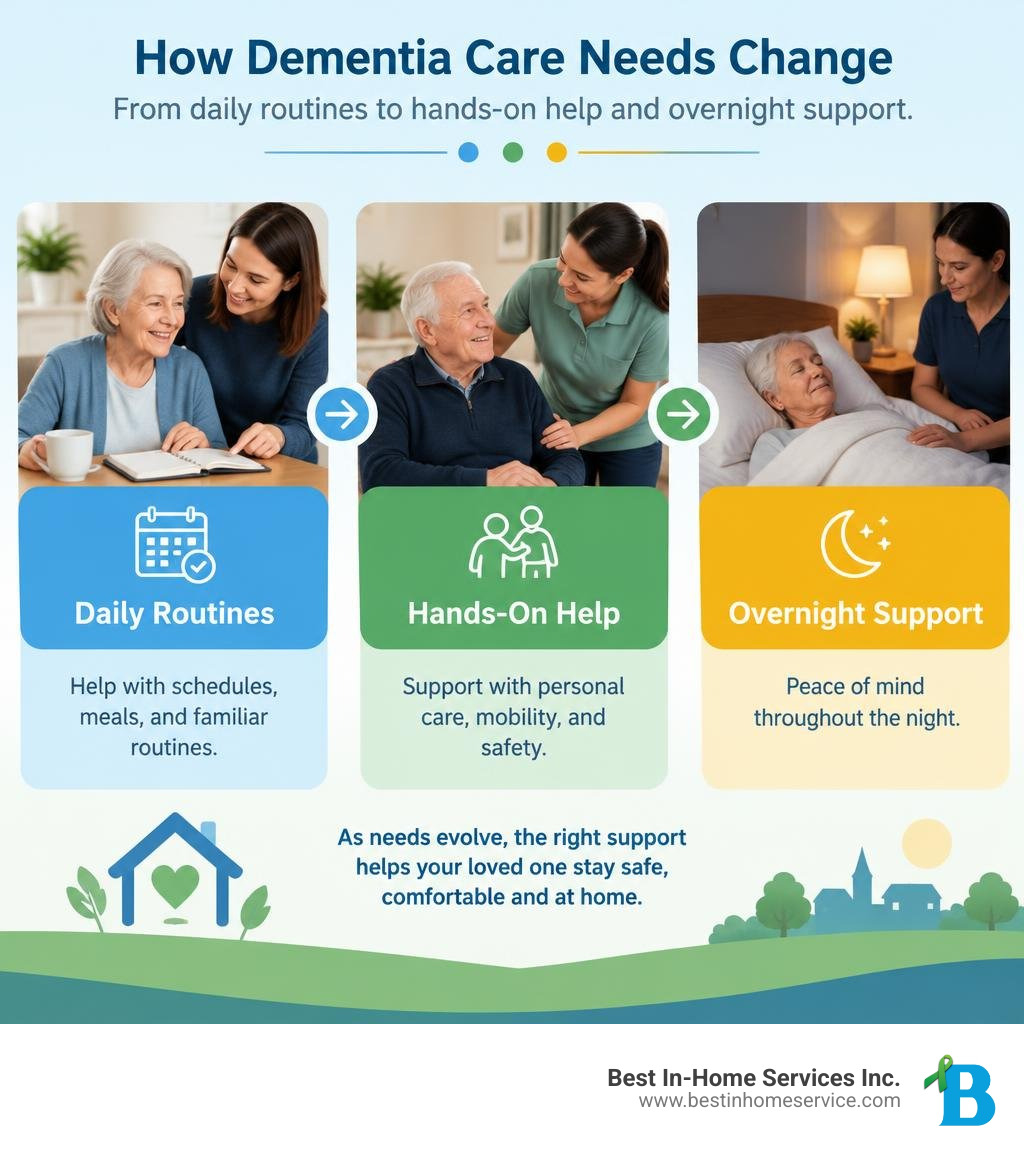
Overview of Vernon Hills Dementia Services and Care Types
Dementia is not a single disease. It is an umbrella term covering various conditions characterized by progressive cognitive decline, including Alzheimer’s disease, vascular dementia, Lewy body dementia, and frontotemporal disorders. Nationwide, roughly 6.5 million Americans aged 65 and older live with Alzheimer’s disease. In Illinois alone, an estimated 230,000 seniors are navigating this journey.
Lake County has seen steady growth in its older adult population, with projections showing a 25% increase in dementia diagnoses across the area. Vernon Hills is home to more than 26,000 residents, with about 15% aged 65 or older. As our community ages, families increasingly seek local, dependable support to help aging relatives remain safe in familiar surroundings.
Non-medical in-home care offers crucial daily assistance alongside professional medical treatments overseen by physicians. When families evaluate local options, choosing reliable Vernon Hills care support helps balance household responsibilities, personal care, and much-needed respite for primary family caregivers.
Navigating In-Home Care and Support Options
In-home care allows seniors with memory conditions to stay in comfortable surroundings while receiving one-on-one attention. Non-medical support focuses on the activities of daily living (ADLs) and instrumental activities of daily living (IADLs), including:
- Companionship and structured engagement: Meaningful conversation, cognitive exercises, and supportive interaction.
- Personal care support: Respectful assistance with bathing, dressing, grooming, and mobility.
- Homemaking and meal preparation: Nutritious meal planning, grocery shopping, laundry, and light housekeeping.
- Routine maintenance and safety supervision: Monitoring to prevent disorientation, gentle redirection, and medication reminders.
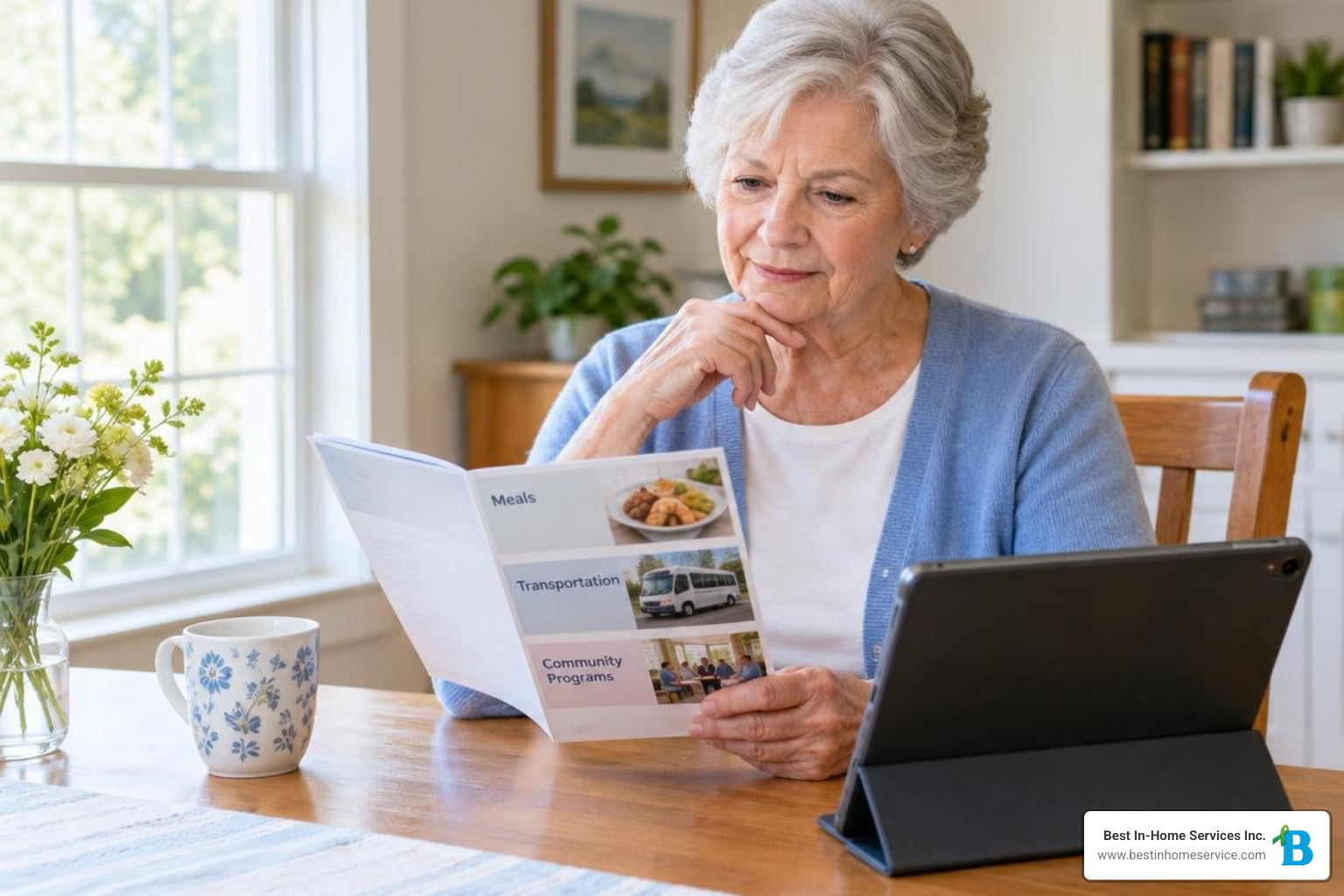
- Transportation and accompaniment: Assisting with rides to local appointments, pharmacies, and community errands.
To explore how these services fit into daily life, learning about dementia care in your own home provides practical insight into matching caregiver schedules with evolving family needs.
Creating a Safe and Enriching Home Environment in Lake County

Living with memory loss requires environmental adjustments to reduce confusion and support personal safety. Simple changes around a Vernon Hills home can make a significant difference:
- Reduce clutter and clear walkways: Remove throw rugs, secure loose cables, and ensure hallways are well-lit.
- Establish visual cues: Label drawers, place distinct signs on bathroom doors, and keep important daily items in consistent, visible locations.
- Maintain predictable daily rhythms: Consistent meal times, structured morning routines, and relaxing evening wind-downs help manage anxiety.
- Promote meaningful social engagement: Gentle walks through local parks, listening to familiar music, and folding laundry together provide a sense of purpose.
Assessing Care Needs Across Different Stages of Dementia
Dementia symptoms shift over time. Understanding what each stage entails helps families plan ahead rather than reacting during a crisis.
| Dementia Stage | Primary Symptoms & Behaviors | Recommended Non-Medical Support |
|---|---|---|
| Early Stage (Mild) | Subtle memory lapses, misplaced items, difficulty managing complex schedules or bills | Medication reminders, companionship, meal prep, transportation to errands |
| Middle Stage (Moderate) | Increased confusion, sleep disruptions, wandering risk, difficulty dressing or bathing | Hands-on personal care, continuous safety supervision, gentle behavioral redirection |
| Late Stage (Advanced) | Significant communication challenges, mobility limitations, high physical dependence | Transfer assistance, round-the-clock monitoring, bed positioning, specialized respite |
Early-Stage Detection and Vernon Hills Dementia Services for Independence
In the early stages, individuals often recognize their own memory lapses. They may struggle with organizing household bills, tracking medication schedules, or driving safely. Identifying the early signs of Alzheimer’s enables families to introduce supportive care early on, preserving independence rather than taking it away. Caregivers at this stage focus on subtle encouragement, accompaniment on errands, and establishing steady household routines.
Middle to Late-Stage Strategies and 24/7 Home Support
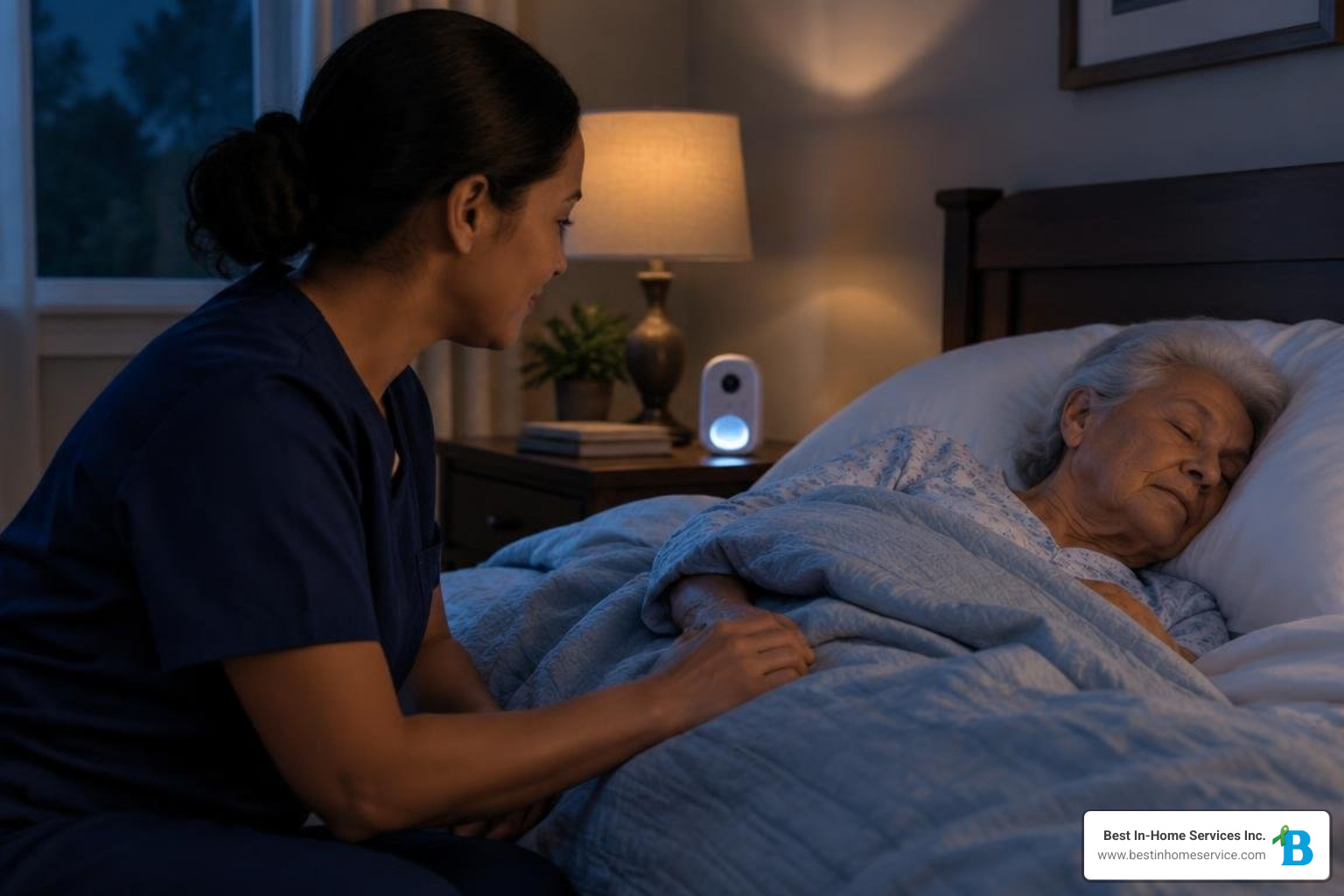
As dementia progresses into moderate and advanced stages, cognitive changes often trigger behavioral shifts, such as sundowning, anxiety, and nighttime wandering. Families frequently find that part-time daytime care is no longer sufficient.
When around-the-clock supervision becomes necessary, families can explore dedicated live-in care for dementia or structured shift-based around-the-clock home care. These options provide constant overnight monitoring, direct assistance with personal hygiene, and safety supervision to prevent disorientation and wandering.

Step-by-Step Process: From Medical Diagnosis to Establishing Local Care
Establishing care for a loved one involves a clear diagnostic pathway followed by coordinated home support:
- Initial primary care visit: Discuss memory concerns and rule out reversible causes like vitamin deficiencies or infections.
- Specialist referral: Complete comprehensive cognitive testing with a neurologist or neuropsychologist.
- Home assessment: Identify daily physical, environmental, and emotional support requirements.
- Care plan creation: Establish a customized non-medical schedule tailored to the individual’s routines.
Navigating Memory Screenings and Local Lake County Specialists
Getting a formal diagnosis starts with a primary care physician who can conduct initial cognitive screenings. In Lake County, physicians frequently refer individuals to regional neurological centers for detailed evaluations, MRI or PET brain imaging, and specialized neuropsychological assessments. A formal evaluation clarifies the specific type of dementia and helps guide future medical care, legal planning, and daily support arrangements.
Developing a Customized Care Plan and Family Routine
Once a diagnosis is established, the next step is building a sustainable daily routine. Professional in-home care agencies work directly with families to design individualized schedules. This process begins when you schedule a free assessment to review living spaces, identify fall hazards, outline preferred daily schedules, and set up medication reminders and meal plans.
Costs, Financial Planning, and Choosing the Right Provider
Dementia care costs across the United States reach hundreds of billions of dollars annually. Families must balance out-of-pocket costs with available public assistance and private insurance.
Non-medical home care in Illinois is typically funded through private pay, long-term care insurance policies, or state-administered programs. For eligible older adults with limited income and assets, the Illinois Department on Aging’s Community Care Program (CCP) helps fund non-medical in-home services to prevent premature institutional placement.
Comparing In-Home Care and Respite Costs
The overall cost of non-medical in-home care varies based on:
- The level of physical and hands-on personal care required
- The total number of scheduled hours per week
- Specific scheduling needs, such as daytime visits, overnights, or 24-hour continuous care
- Direct mileage billing when caregivers provide transportation for medical appointments or errands
Visits generally require a 3-hour minimum shift to ensure consistent, high-quality caregiver staffing. Contacting an agency directly for a personalized consultation allows families to receive an accurate, tailored quote reflecting their exact care schedule.
Criteria for Selecting Vernon Hills Dementia Services for Your Family
When evaluating providers in Lake County, consider the following standards:
- Licensing and compliance: Verify that the agency is licensed by the Illinois Department of Public Health (IDPH) as a Home Services Agency.
- Specialized dementia training: Ask how caregivers are trained in dementia communication, redirection, and managing sundowning behaviors.
- Caregiver matching and supervision: Inquire about caregiver consistency and how field staff are supervised.
- Reputation and reviews: Check verified family feedback from other local clients who have navigated similar memory care challenges.
Frequently Asked Questions About Dementia Support in Vernon Hills
How do I know when it is time to transition from family caregiving to professional help?
Common signs include progressive caregiver burnout, sleep deprivation from nighttime wandering, unmanaged personality changes, safety concerns around the stove, or weight loss due to forgotten meals. Bringing in professional support early protects the health of both the caregiver and the individual with dementia.
Does Medicare or Medicaid cover in-home dementia care in Lake County?
Standard Medicare covers acute medical visits, short-term skilled nursing, and physical therapy ordered by a doctor, but it does not pay for non-medical personal care, companion care, or homemaker services. However, eligible Illinois seniors may access non-medical in-home care through Medicaid waivers such as the Illinois Department on Aging Community Care Program (CCP) or the Home Services Program (HSP) under the Illinois Department of Human Services.
What local caregiver support resources exist near Vernon Hills?
Families in Vernon Hills can access local caregiver support groups, educational workshops, and memory cafes organized through the Lake County health network, local senior centers, and public library programs. These groups provide emotional support, caregiving tips, and guidance on local resources.
Conclusion
Navigating memory loss requires patience, knowledge, and reliable local support. Establishing a steady care routine early helps seniors remain in the comfort of their homes while giving family members essential breathing room.
Best In-Home Service Inc. is an Illinois-licensed non-medical home care agency (License #3000758) based in Northbrook, serving families across Lake, Cook, and DuPage counties – including Vernon Hills, Buffalo Grove, Long Grove, Mundelein, and Lake Forest. Our team is approved under the Illinois Department on Aging Community Care Program and recognized by the Illinois Department of Human Services.
To learn more about our personalized Alzheimer’s care services or to discuss your family’s care schedule, call our team directly at 224-636-5200 to schedule a free in-home consultation.





 1-224-636-5200

 1-224-636-5210
 425 Huehl Rd 13B Northbrook IL 60062